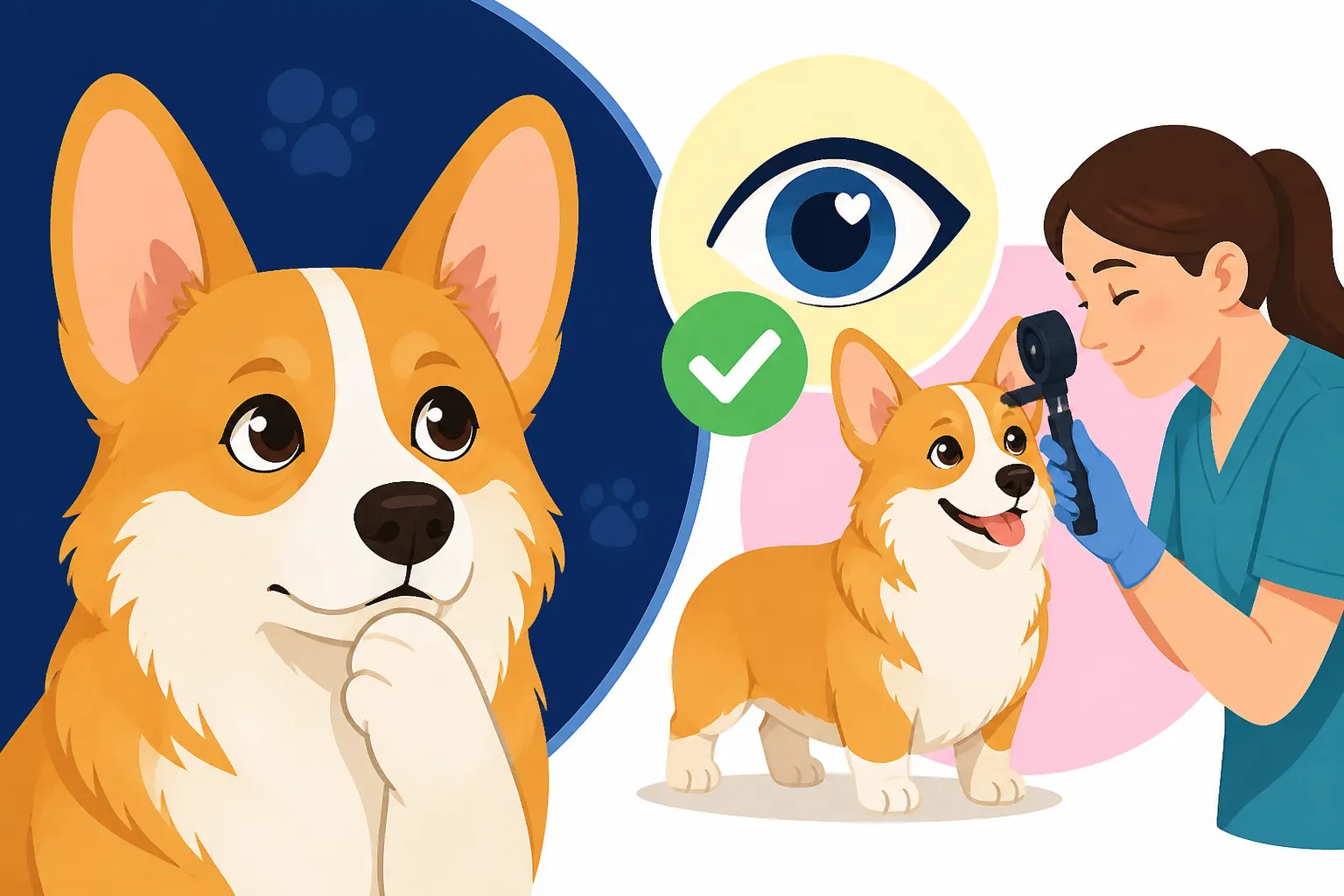
Whether Corgi Eyes Are Checked Before Breeding
One of the most heartbreaking things for any Corgi owner is watching their beloved companion struggle with a health issue, especially when it could have been prevented. Eye conditions, in particular, can be devastating, impacting a Corgi’s quality of life and requiring extensive, often costly, veterinary care. This guide is here to shed light on exactly why and how Corgi eyes are meticulously checked before breeding, giving you the full picture of what responsible breeders do to protect these wonderful dogs.
The Imperative of Eye Health Screening Before Breeding
It's a truth universally acknowledged among Corgi enthusiasts: these little dogs, with their big personalities and even bigger hearts, come with a predisposition to certain genetic health challenges. While we often hear about back issues like Disc Disease in a Long-Backed Corgi or concerns around Degenerative Myelopathy and the Corgi, eye health is just as critical, if not more so, for a Corgi's long-term well-being. Ensuring that breeding Corgis have clear eyes isn't just good practice; it's an ethical cornerstone of responsible breeding. No one wants to bring a puppy into the world that is destined for blindness or chronic pain, and dedicated breeders understand this deeply.
Understanding Hereditary Eye Conditions
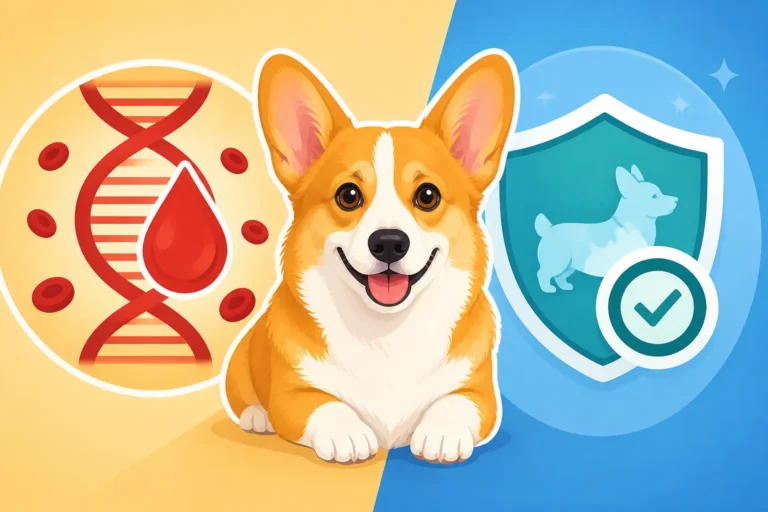
The term "hereditary" can sound a bit academic, but it simply means these conditions are passed down through a dog's genes from their parents. Think of it like a family trait, but instead of inheriting a cute little freckle, they might inherit a gene for a serious eye disease. Some Corgis might carry these genes without ever showing symptoms themselves – they are "carriers." They can lead full, happy lives, but if they are bred with another carrier, or even an affected dog, the chances of their puppies inheriting the condition jump dramatically. This is why screening isn't just about the parent dog's current vision, but about understanding their genetic blueprint. It's about looking into the future of the breed, not just the present. Breeders who skip these vital checks are essentially rolling the dice with their puppies' health, and that's a gamble no responsible breeder would take.
Protecting the Breed Standard and Future Generations
Beyond the individual puppy's health, rigorous eye screening plays a pivotal role in safeguarding the entire Corgi breed. Each time an affected dog, or a carrier bred with another carrier, produces a litter without proper screening, the prevalence of these undesirable genes can increase within the breed's gene pool. Over time, this can lead to a general decline in the breed's health, making it harder and harder to find Corgis free from these issues. The goal of conscientious breeders is to produce healthy, sound dogs that meet the breed standard in every aspect, and that absolutely includes robust eye health. By carefully screening and making informed breeding decisions, they actively work to reduce the incidence of hereditary eye diseases, ensuring that the charming Corgis we know and love continue to thrive for generations to come. It’s a long-term commitment that benefits every Corgi out there, current and future.
Key Hereditary Eye Diseases in Corgis
When we talk about checking Corgi eyes before breeding, we're not just looking for general "bad eyesight." We're specifically targeting a few known culprits that can cause significant problems. Understanding these conditions helps prospective owners appreciate the diligence of a good breeder and the importance of these screenings. This isn't just about being thorough; it's about being preventative.
Progressive Retinal Atrophy PRA
Progressive Retinal Atrophy, often shortened to PRA, is a group of degenerative diseases that affect the retina, the light-sensitive tissue at the back of the eye. In simple terms, it's like the camera film in your eye slowly breaking down. For Corgis, a specific form of PRA called rcd3 PRA has been identified, though genetic testing has significantly reduced its prevalence. The cruel thing about PRA is its progressive nature. Dogs typically start showing signs of Night Blindness in a Corgi as one of the first symptoms. You might notice them bumping into furniture in dim light or being hesitant to go outside after dark. As the disease advances, their day vision also deteriorates, eventually leading to complete blindness. This can be incredibly disorienting and distressing for a dog, dramatically altering their quality of life. Thankfully, there’s a specific DNA test available for PRA in Corgis, known as The Corgi PRA Gene Test, which allows breeders to know a dog's genetic status (clear, carrier, or affected) before breeding. This test is a game-changer, helping breeders avoid passing on this devastating condition.
Cataracts
Cataracts are another significant eye issue that breeders screen for in Corgis. A cataract is an opacity or cloudiness in the lens of the eye, much like looking through a foggy window. This cloudiness prevents light from reaching the retina properly, leading to impaired vision. While cataracts can develop later in life due to age, injury, or other health issues (like diabetes), hereditary cataracts can appear much earlier, sometimes even in puppyhood (juvenile cataracts) or young adulthood. These early-onset cataracts are the ones of primary concern for breeders. Depending on their size and density, cataracts can cause anything from mild blurriness to complete blindness. If a Corgi is diagnosed with hereditary cataracts, a responsible breeder would remove that dog from their breeding program to prevent passing the trait to offspring. The examination looks for any signs of these opacities, and a veterinary ophthalmologist can differentiate between hereditary forms and those caused by other factors, which is crucial for making breeding decisions. You can read more about Cataracts and Lens Problems in a Corgi in our detailed article.
Retinal Dysplasia
Retinal dysplasia refers to an abnormal development of the retina. This condition can range in severity from minor folds in the retina to more serious geographic lesions or even complete detachment of the retina. In its mildest form, retinal folds might not significantly impact a Corgi's vision, often being discovered incidentally during an eye exam. However, more severe forms can cause significant vision impairment or even blindness. The challenge with retinal dysplasia is that it's present from birth, meaning affected puppies are born with the condition, though the signs might not be obvious to an untrained eye. A board-certified veterinary ophthalmologist can detect these abnormalities during a thorough eye exam. Like other hereditary conditions, the goal is to identify affected individuals and carriers to prevent them from being bred, thus reducing the incidence in future generations. Learning about Retinal Dysplasia in a Corgi can help you understand the subtle complexities of Corgi eye health.
The Official Eye Certification Process for Corgis
So, how do breeders actually go about these eye checks? It's not just a quick peek by their regular vet, though those annual wellness exams are certainly important for overall health, much like The Vet Visits a Corgi Puppy Needs First. For breeding dogs, it involves a specialized process conducted by experts and often registered with a national organization. This rigorous process is what gives potential puppy owners confidence in a breeder's commitment to health.
OFA Eye Certification and Examination Protocols
In the United States, the primary organization for health clearances, including eyes, is the Orthopedic Foundation for Animals (OFA). While many people associate OFA with hip and elbow certifications (Corgi Hips and Front-End Structure), they also manage the Eye Certification Registry (CAER, formerly known as CERF). To get an OFA eye certification, a Corgi must be examined by a board-certified veterinary ophthalmologist. These are veterinary specialists who have undergone extensive additional training specifically in eye health and diseases. They have the specialized equipment and expertise to diagnose subtle conditions that a general practitioner might miss. This isn't a one-time deal, either; responsible breeders have their Corgis' eyes examined annually, as some conditions can develop or progress over time. This continuous screening ensures that the breeding dogs remain healthy and free from conditions that could be passed on.
What the Examination Entails
When a Corgi goes in for an OFA CAER eye exam, it's a comprehensive process. First, the ophthalmologist will review the dog's history. Then, they’ll often use special eye drops to dilate the pupils, which allows for a much better view of the structures inside the eye, especially the retina and lens. They'll use various tools, including an ophthalmoscope and a slit lamp biomicroscope, to meticulously examine every part of the eye: the eyelids, conjunctiva, cornea, iris, lens, vitreous, and retina. They're looking for any abnormalities, no matter how small, that could indicate a hereditary eye disease. This includes checking for signs of cataracts, retinal dysplasia, and other conditions. It's a thorough, non-invasive process, and while your Corgi might look a little goofy with dilated pupils for a few hours afterward, it's a small inconvenience for such important information. Once the exam is complete, the ophthalmologist fills out a detailed form, which is then submitted to the OFA for official certification.
Interpreting Eye Clearance Results
After the examination, the ophthalmologist will discuss their findings and the results will be registered with OFA. A Corgi will receive a classification, typically "Normal" or "Affected" (or "Breeder Option" if a condition has a variable prognosis or genetic component). A "Normal" rating means that, at the time of the exam, no evidence of significant hereditary eye disease was found. This is what you want to see for a breeding dog. If a Corgi is found to be "Affected" with a hereditary eye condition, a responsible breeder would ideally remove that dog from their breeding program. This information is crucial for making ethical breeding decisions and helps ensure that only Corgis with clear eye health are used to produce puppies. The results of these tests, along with other essential health screenings like The DNA Tests a Corgi Breeder Should Run, are vital tools for maintaining the health and integrity of the breed.
Here’s a quick overview of some common Corgi eye conditions and their screening methods:
| Condition | Description | Hereditary? | Screening Method |
|---|---|---|---|
| Progressive Retinal Atrophy (PRA) | Degeneration of the retina, leading to night blindness and eventual total blindness. | Yes | OFA CAER Exam, DNA Test (The Corgi PRA Gene Test) |
| Cataracts | Cloudiness of the eye lens, impairing vision. | Often | OFA CAER Exam |
| Retinal Dysplasia | Abnormal development of the retina, ranging from folds to detachment. | Yes | OFA CAER Exam |
| Distichiasis | Eyelashes growing from an abnormal location on the eyelid, irritating the eye. | Yes | OFA CAER Exam |
| Entropion/Ectropion | Inward (entropion) or outward (ectropion) rolling of the eyelids. | Often | OFA CAER Exam |
Navigating Breeder Claims and Ensuring Your Puppy's Eye Health
For prospective Corgi owners, all this talk of certifications and conditions can feel a bit overwhelming. You're just looking for a healthy, happy puppy to bring home. But understanding these processes empowers you to ask the right questions and ensure you're supporting a breeder who truly prioritizes health. It’s about being an informed advocate for your future furry family member.
Asking the Right Questions
When you’re talking to a Corgi breeder, don't be shy about asking for proof of health clearances. A reputable breeder will be proud to share this information. Specifically, ask to see the OFA Eye Certification (CAER) for both the puppy's parents, and if possible, grandparents. They should be able to provide you with the official documentation, often listing a specific OFA number you can look up on their public database. Beyond simply asking "Are their eyes checked?", inquire about the specific conditions we've discussed: "Are the parents clear for PRA?" "Have they had annual CAER exams to check for cataracts and retinal dysplasia?" A good breeder will patiently explain their screening protocols and the health history of their lines. If a breeder seems evasive or tells you these checks aren't necessary, that should be a major red flag. This diligence in screening for hereditary issues is as important as asking about things like Whether a Corgi Puppy Should Be Screened for DM.
The Role of Health Guarantees and Insurance
Even with the most meticulous breeding practices, no one can guarantee a dog will never develop any health issue. Life happens. However, many reputable Corgi breeders offer a health guarantee, often covering hereditary conditions for a certain period, usually the first year or two of the puppy's life. This demonstrates their confidence in their breeding program and their willingness to stand behind their puppies. Should an unexpected issue arise, having pet insurance can be a real lifesaver. Companies like Healthy Paws offer comprehensive coverage that can help with the costs of diagnostic tests, treatments, and even specialized surgeries that might be needed for eye conditions or other unforeseen health challenges. Thinking proactively about your Corgi's health, even before they arrive, is paramount. A good insurance plan from Healthy Paws can provide peace of mind, allowing you to focus on your Corgi's care rather than stressing over unexpected vet bills. Knowing that you have a plan in place with Healthy Paws for potential future medical needs is a huge relief.
Understanding the Limitations and Ongoing Care
It's important to understand that while pre-breeding eye certifications significantly reduce the risk of hereditary eye diseases, they don't eliminate every possibility. An OFA CAER "Normal" certification means the dog was clear at the time of the exam for identifiable hereditary conditions. However, new conditions can emerge, or sometimes age-related issues (like non-hereditary cataracts) can develop later in life. That's why regular veterinary check-ups throughout your Corgi's life, including comprehensive eye examinations, remain crucial. Your vet will monitor for any changes and can catch problems early, potentially slowing down the progression of conditions like How Fast a Corgi Loses Sight to PRA or addressing other concerns. If, despite all precautions, your Corgi does experience vision loss, there are many ways to support them, as discussed in articles like Guiding a Corgi That Has Lost Its Sight. Ultimately, responsible breeding is the first step, but ongoing care and vigilance from you, the owner, are essential for your Corgi to live a long, happy, and healthy life.
Disclaimer
Please remember that the information provided in this article is for general educational purposes only and should not be considered a substitute for professional veterinary advice. Always consult with a qualified veterinarian or a board-certified veterinary ophthalmologist for any health concerns or before making any decisions related to your Corgi's health or breeding.