A Corgi Cut That Will Not Stop Seeping
There’s nothing quite as unsettling as noticing a patch on your beloved Corgi that just isn’t drying up, especially if it’s an actual cut or scrape that seems to be getting worse instead of better. That constant dampness, maybe a little stickiness, or even outright oozing, can be incredibly worrying for any Corgi parent. This comprehensive guide is here to walk you through understanding why a Corgi's wound might not be healing, when it's time to get professional help, and how to manage the situation to support your furry friend's recovery.
Understanding Why Your Corgi's Wound Won't Heal
When you see a cut on your Corgi, you naturally expect it to scab over and start drying out. So, when it continues to seep, it’s a clear sign that something is hindering the natural healing process. This isn't just an annoyance; it's your Corgi's body sending a signal that it's struggling.
Common Causes of Persistent Seepage
Several factors can prevent a seemingly simple cut from healing properly and instead cause it to continue seeping. Given a Corgi’s low-to-the-ground stature and double coat, they can be particularly susceptible to certain issues.
One of the most frequent culprits is infection. Bacteria from the environment can easily get into an open wound, especially on a Corgi who loves to explore the ground. Once established, these bacteria multiply, causing inflammation, pus formation, and that tell-tale persistent wetness. The body tries to fight it off, leading to fluid discharge as part of the immune response. Another common problem is a foreign body lodged in the wound. Imagine your Corgi zooming through a field and picking up a tiny thorn, a piece of gravel, or even a blade of grass that gets embedded deep within the cut. The body will continuously try to expel this foreign material, leading to ongoing inflammation and seepage. It's a bit like having a splinter you can't get out – it just keeps bothering the area.
Then there's the issue of constant moisture and irritation. Corgis, with their short legs and long bodies, often drag their bellies and undercarriage through wet grass, puddles, or even mud. A wound in such a location can stay perpetually damp, preventing the necessary dry environment for a scab to form and for the skin to knit together. Add to that their dense double coat, which can trap moisture against the skin. If your Corgi can reach the wound, licking or chewing at it is a huge problem. While their saliva has some antiseptic properties initially, excessive licking introduces more bacteria from their mouth, irritates the delicate healing tissue, and prevents it from drying. This can quickly turn a minor scrape into a full-blown "hot spot" – a moist, red, painful skin infection that spreads rapidly.
Finally, underlying health issues can play a role. Conditions like diabetes can impair a Corgi's ability to heal efficiently. Any compromise to the immune system or certain medications can also slow down wound closure. Sometimes, even allergies can manifest as intense itching, leading your Corgi to scratch or bite themselves, creating wounds that then struggle to heal due to the initial allergic inflammation and subsequent self-trauma.
The Immediate Risks of a Seeping Wound
A wound that won't stop seeping isn't just a minor inconvenience; it carries significant immediate risks for your Corgi. The longer a wound remains open and wet, the higher the chance of serious complications.
Firstly, the most obvious risk is a deepening infection. What might start as a superficial skin infection can quickly spread to deeper tissues, potentially involving muscle, tendons, or even bone. This becomes far more difficult and expensive to treat, often requiring stronger antibiotics, longer courses of treatment, and sometimes even surgical intervention to clean out the infected tissue. An untreated infection can also lead to cellulitis, a painful bacterial infection of the skin and underlying tissues, characterized by redness, swelling, and warmth extending far beyond the original wound margins.
Secondly, persistent seepage is often accompanied by significant pain and discomfort. Your Corgi might become withdrawn, less active, lose their appetite, or even show aggression if you try to touch the affected area. This constant pain impacts their quality of life and can stress their system. Imagine having an open wound that never seems to heal; it's a miserable experience.
Beyond the localized issues, a persistent, unchecked infection can lead to systemic problems. Bacteria can enter the bloodstream, causing a condition known as sepsis, which is a life-threatening whole-body inflammatory response. Signs of sepsis can include fever, lethargy, loss of appetite, rapid heart rate, and even organ damage. While this is an extreme outcome, it underscores the importance of taking any non-healing wound seriously. Moreover, if your Corgi has a condition like The Bleeding Disorder Pembrokes Carry, a seemingly small cut could bleed more than expected or struggle to clot properly, further complicating the healing process.
When to Call the Vet (Spoiler: It's Usually Now)
When it comes to a seeping wound on your Corgi, waiting to see if it improves "on its own" is rarely the best course of action. Unlike a dry scab that's clearly healing, a persistently wet wound is actively signaling a problem that needs attention.
Signs That Warrant an Emergency Visit
While any seeping wound should prompt a call to your veterinarian, certain signs indicate that your Corgi needs immediate, emergency care. These are red flags that suggest the situation is rapidly worsening or has already become quite serious.
Look for a foul odor emanating from the wound. This is a strong indicator of bacterial overgrowth and significant infection. Another serious sign is excessive swelling or redness that spreads beyond the immediate wound area. This suggests cellulitis or a rapidly advancing infection. If the wound area feels hot to the touch, it's another clear sign of intense inflammation or infection. Your Corgi might also develop a fever, become noticeably lethargic, refuse to eat, or appear unusually withdrawn and quiet. These are signs that the infection might be affecting their whole system.
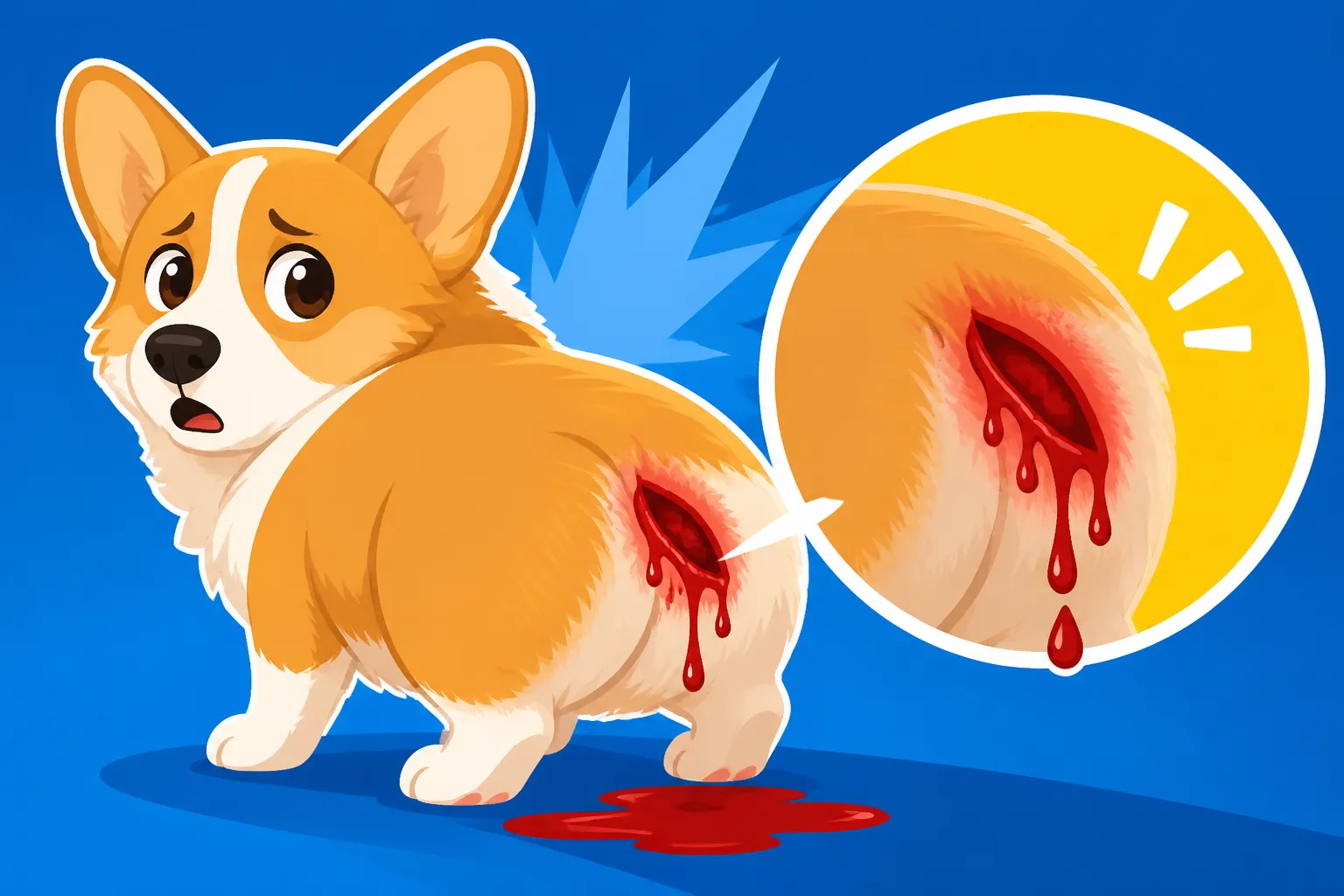
Any instance where the seepage becomes heavy, changes color to a dark green or yellow, or contains blood mixed with pus warrants an emergency visit. If the wound itself looks deeper than superficial, or if you can see any exposed tissue, bone, or muscle, that's an immediate emergency. Finally, if your Corgi is limping severely, unable to bear weight, or cries out in intense pain when the area is accidentally touched, don't delay. An emergency vet can often provide immediate pain relief, assess the depth and extent of the wound, and start aggressive treatment right away. You might consult a service like Healthy Paws, which can help cover unexpected emergency vet bills, giving you peace of mind during such stressful times.
Preparing for Your Vet Appointment
Once you've made the decision to see the vet, a little preparation can make the visit much more efficient and ensure your Corgi gets the best possible care.
Start by gathering as much information as you can about the wound. When did you first notice it? How did it happen, if you know? Has it changed in size, color, or the amount/type of seepage? Has your Corgi been licking or chewing it? What at-home care, if any, have you already tried (e.g., cleaning, bandages)? Note down any changes in your Corgi's behavior, appetite, or energy levels. This detailed history is invaluable to your vet.
It's also helpful to take a clear photo or video of the wound, especially if it's in a tricky spot or if you notice changes that might not be as apparent during the vet visit (e.g., how much fluid is accumulating over a few hours). Be prepared to discuss your Corgi's full medical history, including any previous illnesses, medications they are currently on, and their vaccination status. If your Corgi has any known allergies or sensitivities, be sure to mention them.
When transporting your Corgi, try to prevent them from licking the wound further. A cone of shame (Elizabethan collar) might be necessary even for the car ride. Avoid applying any more home remedies just before the appointment, as this might interfere with the vet's diagnostic tests. Being calm and reassuring with your Corgi will also help make the experience less stressful for them, and consequently, for you.
At-Home Care While You Wait for Professional Help
While a vet visit is paramount for a persistently seeping wound, there are some gentle at-home steps you can take to make your Corgi more comfortable and prevent the situation from worsening before their appointment. Remember, these are temporary measures, not a substitute for professional medical advice.
Gentle Cleaning and Wound Management
The goal of at-home cleaning is to keep the wound as clean as possible without causing further irritation or pushing debris deeper. It's about careful management until the experts can take over.
First, gently trim any fur from around the wound using blunt-nosed scissors. This helps prevent hair from getting into the wound, allows for better air circulation, and makes cleaning easier. Be incredibly careful not to cut the skin or poke your Corgi. If you're nervous, skip this step. Next, clean the wound using a dilute antiseptic solution like chlorhexidine (often available at pet stores or pharmacies, check for pet-safe formulations) or simply warm saline solution (one teaspoon of salt in two cups of boiled, cooled water). Gently dab the solution onto the wound with a clean cotton ball or gauze pad, always wiping away from the center of the wound to avoid contaminating clean areas. Do not scrub or rub vigorously, as this can damage delicate healing tissues.
Avoid using harsh disinfectants like hydrogen peroxide or rubbing alcohol, as these can be irritating and delay healing by damaging healthy cells. Similarly, don't apply any creams, ointments, or powders unless specifically instructed by your vet, as they can trap bacteria or interfere with the vet's examination. After cleaning, gently pat the area dry with a clean, soft cloth. The goal is to keep it clean and as dry as possible to discourage bacterial growth and promote some initial drying. If directed by your vet or if the wound is in an area that gets easily soiled, you might apply a light, breathable bandage, but ensure it's not too tight and allows for air circulation. Change it frequently to keep the area dry.
Preventing Further Irritation and Contamination
Keeping the wound protected from your Corgi's natural instincts and the environment is crucial to stop the vicious cycle of re-injury and infection.
The absolute number one tool in preventing further irritation is the Elizabethan collar, or "cone of shame." It might seem cruel, and your Corgi will probably look adorable and miserable in it, but it's incredibly effective at preventing them from licking, chewing, or scratching the wound. This is particularly important for Corgis who have a tendency to obsessively lick, turning a minor issue into a severe hot spot. There are various types of cones available, from traditional plastic ones to softer, inflatable options. Choose one that fits well and allows your Corgi to eat and drink comfortably while still blocking access to the wound.
Next, restrict your Corgi's activity. Even if they seem fine, excessive running, jumping, or rough play can reopen the wound, dislodge scabs, or introduce more contamination. Keep walks short and on a leash, avoiding muddy or dirty areas. For a Corgi, who typically loves to run and play, this can be challenging. Consider using indoor activities like puzzle toys or gentle training sessions to keep their minds engaged without putting stress on their body. This might even involve some temporary Six Weeks of Crate Rest With a Corgi if the wound is severe.
Finally, keep your Corgi's living environment clean and dry. Regularly wash their bedding and blankets. If they spend time outdoors, try to keep them away from muddy patches, standing water, or dense undergrowth that could introduce more dirt or debris into the wound. For Corgis, who spend so much time close to the ground, this is especially important. You might consider placing clean towels or blankets in their favorite lounging spots to create a barrier.
What to Expect at the Vet's Office
When you bring your Corgi in for a seeping wound, your vet will have a systematic approach to identify the root cause and formulate the most effective treatment plan. It’s not just about stopping the seepage, but understanding why it’s happening in the first place.
Diagnostic Procedures for Non-Healing Wounds
Your veterinarian will start with a thorough physical examination, paying close attention to the wound itself and your Corgi's overall health. They'll assess the size, depth, location, and nature of the seepage, as well as checking for swelling, redness, pain, and any foul odor.
To get a clearer picture of any potential infection, the vet will likely perform a cytology or bacterial culture of the wound. A cytology involves gently swabbing the wound and examining the sample under a microscope to identify bacteria, yeast, or inflammatory cells. A bacterial culture takes a sterile sample and sends it to a lab to grow the specific bacteria present, allowing the lab to identify it and determine which antibiotics will be most effective (a sensitivity test). This is crucial because not all antibiotics work on all bacteria, and using the wrong one can lead to resistant infections.
If a foreign body is suspected, or if the wound is deep and not responding to initial treatments, imaging diagnostics might be necessary. This could include X-rays to look for embedded objects like bone fragments or metal, or an ultrasound to visualize soft tissue structures and identify deeper abscesses. In some complex cases, a biopsy of the wound edges might be taken to rule out underlying skin conditions, fungal infections, or even certain types of skin cancer that can mimic non-healing wounds. Additionally, your vet might recommend a general blood panel to check for systemic issues like diabetes or an impaired immune system that could be hindering healing. These comprehensive steps are vital to pinpoint exactly what's preventing your Corgi's wound from resolving.
Treatment Options Your Vet Might Recommend
Based on the diagnostic findings, your vet will tailor a treatment plan specifically for your Corgi's situation. The goal is to eliminate the cause of the seepage and promote healthy tissue regeneration.
For bacterial infections, antibiotics are a primary line of defense. These might be oral antibiotics, topical creams, or even injectable medications, depending on the severity and type of infection. The duration of treatment can vary, but it's critical to complete the entire course of antibiotics, even if the wound appears to be improving, to prevent recurrence and antibiotic resistance. If pain is a significant factor, your vet will prescribe pain relief medication, often non-steroidal anti-inflammatory drugs (NSAIDs), to keep your Corgi comfortable and reduce inflammation.
In cases where there's dead or severely infected tissue, or if a foreign body is present, surgical debridement might be necessary. This involves carefully removing unhealthy tissue and any foreign objects to create a clean environment for healing. For larger or deeper wounds, sutures might be used to close the wound, or it might be managed as an open wound that's allowed to heal by "second intention" (healing from the inside out), especially if infection is still a concern. Specialized wound dressings and bandages are often applied to protect the wound, absorb exudate, and promote a moist (but not wet) healing environment. These dressings need to be changed regularly by you at home, or by the vet if the wound is complex, and instructions for this will be given clearly. Remember the importance of continued use of an Elizabethan collar to prevent your Corgi from interfering with the wound or bandages.
Long-Term Healing and Preventing Future Issues
Once your Corgi's seeping wound has been professionally addressed, the journey isn't over. Long-term care is vital to ensure complete healing and to minimize the chances of a similar problem arising again. This includes diligent follow-up and proactive prevention.
Follow-Up Care and Monitoring
The first few days and weeks after a vet visit for a non-healing wound are critical. Your vet will provide specific instructions for at-home care, and it is absolutely essential to follow them meticulously. This is where the real healing happens, and your consistency makes all the difference.
This will likely include regular wound cleaning and bandage changes. You'll be shown exactly how to clean the wound gently, apply any prescribed topical medications, and reapply fresh bandages without causing further irritation. This often needs to be done daily, or even twice a day, depending on the wound. Keeping the area clean and dry is paramount, especially for a Corgi where the low carriage can easily lead to re-soiling. You must also continue to use the Elizabethan collar for the full duration recommended by your vet. While your Corgi might give you sad eyes, allowing them to lick or chew at the wound for "just a minute" can undo days of healing and reintroduce infection.
You'll also need to monitor the wound closely for any signs of worsening, such as increased redness, swelling, heat, new discharge, or a foul odor. Note any changes in your Corgi's appetite, energy levels, or mood, as these could indicate a returning or new infection. Your vet will schedule follow-up appointments to recheck the wound, assess healing progress, remove sutures if necessary, and adjust medications. Attending these appointments is crucial, even if the wound looks much better, as the vet needs to confirm complete healing and address any underlying issues. Services like Healthy Paws can be a real lifeline here, helping to manage the ongoing costs of these crucial follow-up visits and medications, ensuring your Corgi gets uninterrupted care.
Recognizing and Addressing Underlying Health Factors
Sometimes, a persistent wound isn't just an isolated incident; it can be a symptom of a deeper, unaddressed health concern. Understanding these connections is key to preventing future problems.
For instance, conditions that compromise the immune system can significantly impair a Corgi's ability to heal. This might include certain autoimmune diseases or long-term use of corticosteroids. If your vet suspects an underlying immune issue, they might recommend further diagnostic tests or treatments to support your Corgi's immune health. Diabetes is another common culprit; high blood sugar levels can impair blood flow and nerve function, making wounds slow to heal and more susceptible to infection. If your Corgi is diagnosed with diabetes, careful management of their blood sugar through diet, insulin, and regular monitoring is essential for overall health and wound healing. This also highlights the importance of maintaining a healthy weight, as obesity can exacerbate diabetes risk. Understanding How Much Weight an Overweight Corgi Carries is critical for long-term health.
Genetic conditions can also play a subtle role. For example, some Corgis may carry The Bleeding Disorder Pembrokes Carry, which can affect clotting and prolong bleeding from even minor cuts, thus complicating the initial stages of wound healing. While this specific disorder doesn't directly cause persistent seepage, it illustrates how underlying genetic factors can impact wound management. Regular vet check-ups, including The Vet Visits a Corgi Puppy Needs First and annual wellness exams, are crucial for early detection of these conditions. Your vet can perform routine blood work or recommend specific genetic tests, like The DNA Tests a Corgi Breeder Should Run, to screen for potential predispositions that might affect wound healing or general health down the line.
Environmental Management to Protect Your Corgi's Skin
Proactive environmental management and thoughtful daily routines can significantly reduce the risk of your Corgi developing cuts and skin irritations that could lead to persistent seepage. Prevention is always better than cure.
Given a Corgi's low stature, their belly and legs are constantly exposed to the ground. Regularly inspect their coat and skin after outdoor excursions, especially if they've been in tall grass, brush, or muddy areas. Look for thorns, burrs, ticks, or any small cuts or abrasions that can be cleaned immediately. Keep your yard free of sharp objects, broken branches, or anything your Corgi might cut themselves on. Consider walking your Corgi in well-maintained areas, especially after rain, to avoid mud and standing water.
Proper grooming is also vital. While you shouldn't shave a Corgi, regular brushing helps remove loose hair, prevents matting (which can trap moisture and debris), and allows you to inspect their skin more easily. Pay special attention to their "feathering" on the legs and hindquarters, where debris can easily get caught. If your Corgi has Itchy Skin Under a Corgi's Undercoat, addressing the underlying allergy or irritation is key to preventing them from scratching themselves raw and creating new wounds. Regularly washing your Corgi if they get particularly dirty, using a gentle, pet-safe shampoo, and ensuring they are thoroughly dried (especially their dense undercoat) can prevent skin infections and hot spots, which often start as damp, irritated patches. This also reduces the chance of Wet Patches That Turn Into Corgi Hot Spots developing. Providing a clean, dry, and safe environment is one of the best ways to protect your Corgi's skin and ensure their long-term health.
| Symptom of Seeping Wound | What it Might Mean | Recommended Action |
|---|---|---|
| Persistent wetness/dampness | Slow healing, mild irritation, early infection | Gentle cleaning, monitor closely, contact vet if no improvement in 24-48 hrs |
| Foul odor | Significant bacterial infection | URGENT VET VISIT |
| Increased redness/swelling around wound | Spreading inflammation, worsening infection | VET VISIT TODAY |
| Yellow/green pus, thick discharge | Active bacterial infection | VET VISIT TODAY |
| Lethargy, fever, loss of appetite | Systemic infection, pain, discomfort | EMERGENCY VET VISIT |
| Excessive licking/chewing | Irritation, pain, self-trauma, preventing healing | Apply Elizabethan collar, contact vet |
| Exposed deeper tissue, bone, or muscle | Severe injury, deep wound | EMERGENCY VET VISIT |
| Wound not showing improvement after 2-3 days | Underlying issue, infection not resolving | Contact vet for re-evaluation |
Disclaimer
This article is for general informational purposes only and does not constitute professional advice. Laws, prices and regulations vary by location and change over time. Consult a qualified professional for guidance on your specific situation.