A Corgi That Will Not Climb the Stairs
It’s a heart-wrenching moment when your vibrant Corgi, usually full of pep, suddenly refuses to tackle the stairs. You call, you coax, but they just stand there, tail perhaps wagging hesitantly, but their paws stay firmly planted. This sudden reluctance isn't just stubbornness; it's often a clear signal that something is wrong, and ignoring it could lead to more serious issues. This comprehensive guide will delve into the various reasons why your Corgi might be avoiding stairs and offer practical solutions to keep them comfortable and safe.
Understanding Why Your Corgi Avoids Stairs
When your Corgi, a breed known for its low-rider charm and surprisingly athletic build, starts giving stairs the cold shoulder, it's natural to feel concerned. This isn't usually a quirk or a passing mood. Their hesitation almost always points to either a physical discomfort or a psychological barrier they've developed. Pinpointing the exact cause is the first step toward helping your beloved companion.
Sudden Aversion vs. Gradual Hesitation
The way your Corgi's stair-climbing habits change can offer significant clues. Did it happen overnight, like a switch flipped, or has it been a slow, creeping reluctance over weeks or months?
A sudden aversion to stairs often suggests an acute issue. Imagine your Corgi, bounding up and down without a thought yesterday, now standing at the bottom looking utterly defeated. This quick change in behavior is frequently indicative of sudden pain or injury. Perhaps they had a misstep, twisted awkwardly, or felt a sharp pang from an underlying issue that just flared up. This kind of immediate refusal warrants closer attention and often a quicker trip to the veterinarian. It's their way of telling you, "Hey, that hurts right now!"
On the other hand, gradual hesitation builds over time. You might notice them slowing down, taking more careful steps, or even pausing on landings. Maybe they start to prefer being carried up or down, or they'll try one step and then back away. This slower progression can signal chronic issues, such as developing arthritis or a slowly progressing spinal condition like Disc Disease in a Long-Backed Corgi. It could also be a subtle sign of aging, where joints just aren't as limber as they once were, and the effort required for stairs becomes increasingly uncomfortable. This slow change might make it easier for owners to dismiss, but it's just as important a signal that needs to be addressed before it becomes an acute problem.
The Anatomical Challenges of Corgis and Stairs
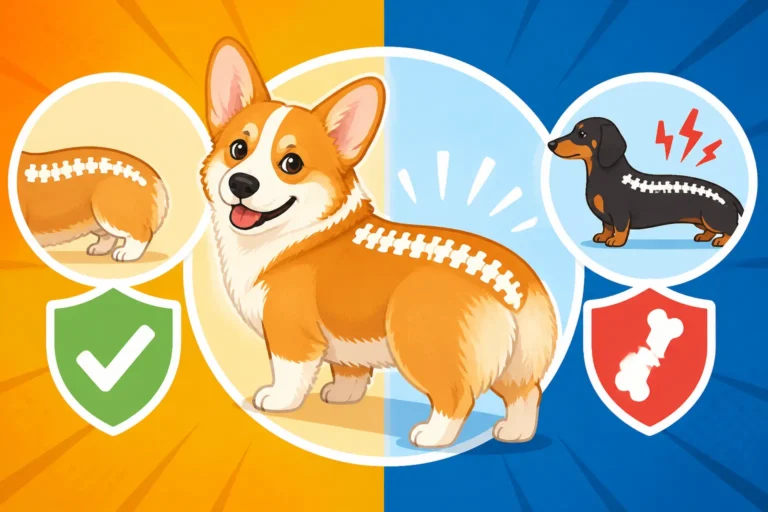
Corgis are undeniably adorable, but their unique body structure, a hallmark of the breed, comes with specific challenges, especially when it comes to activities like stair climbing. Their long backs and short legs, a result of their chondrodystrophic dwarfism, mean that each step on a staircase places disproportionate strain on their spine.
When a Corgi goes up or down stairs, their spine is put under a peculiar combination of compression and extension. Going up, they have to push their compact bodies upwards, putting stress on their hind legs and lower back. Going down, it's a controlled fall, requiring strong front legs to absorb impact and an incredible amount of core strength to keep their back straight and stable. For a dog with a lengthy spine that's already predisposed to spinal issues, this movement is far from ideal. Each stair is essentially a miniature hurdle, and repeating this action multiple times a day, every day, can contribute to wear and tear. This is why many veterinary professionals and long-time Corgi owners strongly advise against allowing Corgis to use stairs regularly, or at least to do so with extreme caution and management. Understanding Why a Corgi's Back Is Built the Way It Is sheds more light on these vulnerabilities.
Psychological Factors and Learned Behaviors
It's not always physical pain that makes a Corgi avoid stairs. Sometimes, psychological factors or learned behaviors play a significant role. Just like people, dogs can develop anxieties or negative associations with certain situations.
A single bad experience can be enough to create a lasting fear. Perhaps your Corgi slipped and fell while descending the stairs, even if it was just a minor stumble. The sudden loss of footing, the fright, or even a small bump could make them associate stairs with danger or discomfort. This can lead to a phobia, where the dog, despite being physically capable, refuses to engage with the stairs out of fear. This is particularly common in puppies or newly adopted Corgis who may not have been exposed to stairs before and find the height difference and the perceived instability daunting. In such cases, positive reinforcement and gradual desensitization training are crucial.
Additionally, some Corgis might learn that refusing stairs gets them attention or results in being carried, which they may prefer. While this is less common than a fear response, it's something to consider, especially if the reluctance is inconsistent or seems to be a bid for interaction. However, always rule out medical issues first, as a truly uncomfortable dog will rarely "fake" pain for attention, particularly with something as fundamental as movement.
Common Health Issues That Cause Stair Avoidance
When a Corgi starts refusing stairs, the alarm bells should really start ringing for potential health problems. Their distinctive long-backed, short-legged physique, while endearing, unfortunately predisposes them to several conditions that can make stair climbing painful or impossible. These conditions often affect their spine and joints, making even the slightest vertical movement a source of agony.
Spinal Problems and Intervertebral Disc Disease (IVDD)
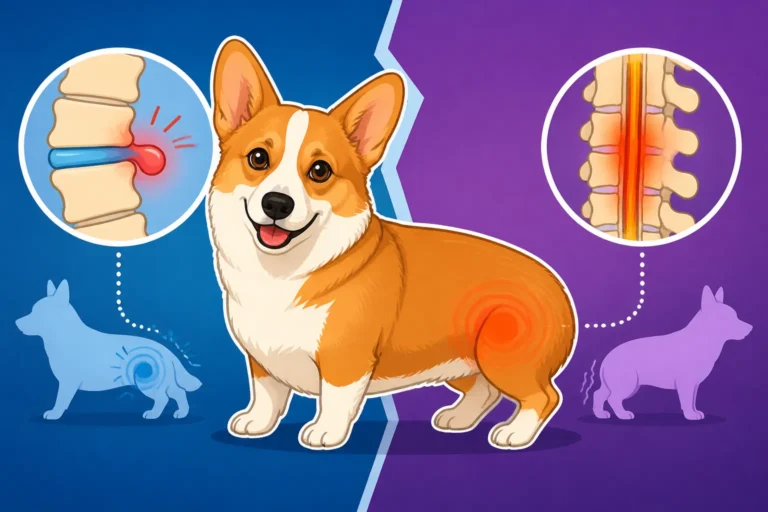
Intervertebral Disc Disease, or IVDD, is perhaps the most notorious villain for Corgis. This condition occurs when the cushioning discs between the vertebrae of the spine either bulge or rupture, pressing on the spinal cord. Given the Corgi's chondrodystrophic build, their discs are more prone to degeneration, making them highly susceptible to IVDD.
When a disc problem occurs, it can range from mild discomfort to severe pain, weakness, and even paralysis. A Corgi with IVDD will often show clear signs of back pain, which can manifest as yelping when touched, a hunched posture, reluctance to jump, or, yes, a strong refusal to climb stairs. The Age Corgi Disc Problems Usually Appear is typically between three and seven years old, but it can happen at any age. The act of navigating stairs exacerbates the pressure on their already compromised discs, making it incredibly painful. Imagine trying to bend and twist with a herniated disc yourself – it's a similar experience for them. If your Corgi suddenly won't climb stairs and seems to be in pain, appears wobbly, or drags their back feet, it’s imperative to seek immediate veterinary attention. This is often an emergency that requires prompt diagnosis and treatment, which can include medication, strict crate rest, or even surgery. Companies like Healthy Paws offer pet insurance plans that can be a lifesaver for unexpected costs associated with conditions like IVDD.
Arthritis and Joint Pain
Beyond the spine, arthritis and other forms of joint pain are common culprits for stair avoidance, especially in older Corgis. As Corgis age, the cartilage in their joints can wear down, leading to inflammation, stiffness, and chronic pain. This can affect their hips, knees, elbows, or even the small joints in their paws.
Arthritis often causes a more gradual reluctance to use stairs, rather than a sudden refusal. You might notice your Corgi slowing down, becoming stiff after naps, or struggling more with getting up from a lying position. The effort of lifting their body onto each step, or absorbing the impact when descending, becomes too much for their sore joints. This is particularly true for conditions like hip dysplasia, which, while Corgis are generally less prone to severe forms than some larger breeds, can still cause significant discomfort. You may notice Early Arthritis in a Corgi developing in their senior years, making formerly easy activities a painful chore. Managing arthritis usually involves a combination of pain medication, joint supplements, weight management, and physical therapy. Your vet might recommend specific anti-inflammatory drugs or dietary changes to help alleviate the discomfort, enabling your Corgi to move more freely, even if stairs remain a challenge.
Other Underlying Medical Conditions
While spinal and joint issues are primary suspects, other less obvious medical conditions can also contribute to a Corgi's refusal to climb stairs. These can range from subtle muscle strains to more systemic diseases.
One possibility is a soft tissue injury, such as a muscle sprain or strain in their legs or back. Just like humans, dogs can pull a muscle during enthusiastic play or an awkward movement. This kind of injury might not be visible externally but can cause enough pain to make stair climbing unbearable. Another consideration is peripheral nerve damage or neurological issues that affect their coordination and proprioception (awareness of their body in space). Conditions like Degenerative Myelopathy (DM), though typically presenting with more generalized hind leg weakness, might initially make complex movements like stair climbing difficult. While DM is more often associated with overall weakness and stumbling, understanding Telling Disc Pain From DM in a Corgi is crucial for an accurate diagnosis, as the initial signs can sometimes overlap.
Internal organ issues, while less directly linked to locomotion, can also cause generalized weakness, malaise, or abdominal pain that makes any strenuous activity uncomfortable. For example, a severe urinary tract infection, kidney disease, or even certain cancers could lead to lethargy and a reluctance to move or climb stairs. Even vision problems can make stairs daunting, particularly in low light or unfamiliar environments. If your Corgi is acting strangely in other ways – eating less, drinking more, or showing changes in behavior – it’s important to communicate all symptoms to your veterinarian so they can conduct a thorough examination and diagnostic tests.
Practical Steps to Help Your Corgi Navigate Stairs (or Avoid Them Safely)
Dealing with a Corgi who won't climb stairs can be frustrating, but there are many practical steps you can take to either help them navigate more safely or eliminate the need for them altogether. The goal is always to prioritize your Corgi's comfort, safety, and spinal health.
Modifying Your Home Environment
The easiest and often most effective solution is to simply remove the "stair problem" from your Corgi's daily life. This means making thoughtful modifications to your home environment to minimize or eliminate their need to use stairs.
The first, and most crucial, modification is installing ramps. Ramps are a Corgi's best friend when it comes to elevated surfaces. Whether it's a ramp to get onto the sofa, into the car, or even up a short set of porch steps, a well-placed ramp can save their spine from significant strain. Look for ramps with good traction and a gentle incline. You can find excellent options from pet supply stores or even build custom ones. For actual staircases within your home, consider sturdy, low-incline ramps that span the entire flight. While this might be a larger undertaking, it can be a game-changer for your Corgi's long-term health. Think about how many times a day your Corgi uses the stairs, and then consider the cumulative impact on their back.
Another vital step is using baby gates strategically. If you have multiple levels in your home, gates can effectively block access to stairs, preventing your Corgi from attempting them unsupervised. This is particularly important if your Corgi has a known spinal issue or is recovering from an injury. Many Corgi owners install sturdy gates at the top and bottom of all staircases. Also, consider the flooring around staircases. Slippery surfaces like hardwood or tile can make Corgis hesitant or prone to slipping, which could lead to injury. Placing non-slip runners or rugs in high-traffic areas, especially near stairs, can provide better traction and reduce the risk of falls. Investing in good quality orthopedic beds can also help support their joints and spine while resting, especially after any exertion. For more ideas, read up on Ramps and Steps That Save a Corgi's Back.
Training and Behavioral Adjustments
Sometimes, gentle training and behavioral adjustments can help your Corgi overcome a fear of stairs, or teach them new, safer ways to navigate them. This requires patience, positive reinforcement, and a clear understanding of your Corgi's limits.
If fear is the primary issue, slow and steady desensitization is key. Start by placing high-value treats on the bottom step, encouraging them to approach without pressure. Gradually move the treats up the stairs, praising and rewarding them for each small step they take. Never force your Corgi, as this can worsen their fear. A harness with a handle, such as those made by brands like Kurgo or Ruffwear, can be useful to provide gentle support and stability while ascending or descending, but only if your Corgi is comfortable with it and it doesn't cause them pain. The goal is to build their confidence, showing them that stairs are not a threat. For a dog that genuinely won't climb, consider teaching them a "wait for a lift" command. This allows you to safely carry them up and down, ensuring their back remains supported.
It's also crucial to teach your Corgi to avoid jumping off furniture. This is a common behavior for Corgis, but the impact of landing can be devastating for their spines. Use ramps or doggie steps for sofas and beds, and consistently encourage them to use these instead of jumping. Positive reinforcement for using ramps and steps, combined with gently blocking access to furniture when you're not there to supervise, can help instill this safer habit. Consistency is paramount for any behavioral training, especially when it comes to protecting their vulnerable backs.
Consulting Your Veterinarian and Specialist Care
When your Corgi consistently refuses stairs, a visit to your veterinarian is non-negotiable. Self-diagnosing or delaying professional help can lead to worsening conditions and more severe pain for your pet.
Your vet will perform a thorough physical examination, checking for signs of pain, tenderness, neurological deficits, and range of motion in their joints and spine. They might manipulate your Corgi's legs and back, observing their reactions. Be prepared to provide a detailed history of when the stair avoidance started, any other symptoms you've noticed, and their activity levels. Depending on their initial findings, your vet might recommend diagnostic imaging, such as X-rays, to look for arthritis, spinal changes, or other skeletal abnormalities. For more detailed imaging, they might refer you to a veterinary neurologist for an MRI or CT scan, which can pinpoint disc issues or nerve compression more accurately. Such advanced diagnostics can be expensive, which is where a comprehensive pet insurance plan from providers like Healthy Paws can truly help manage the financial burden.
If a specific condition like IVDD or severe arthritis is diagnosed, your vet will discuss treatment options. These can range from conservative management (strict crate rest, anti-inflammatory medications, pain relief, muscle relaxants) to surgical intervention. They may also recommend adjunctive therapies like acupuncture or hydrotherapy, which can be incredibly beneficial for rehabilitation and pain management. Your vet can also advise on appropriate pain relief for an old Corgi's back, tailoring a plan to their specific needs and health status. Always follow your vet's recommendations closely, as their expertise is invaluable in managing these complex conditions and ensuring your Corgi's best possible quality of life.
When to Seek Emergency Veterinary Attention
While any refusal to climb stairs warrants veterinary attention, certain signs indicate an immediate, emergency situation. Recognizing these red flags can be crucial in preventing irreversible damage or severe prolonged pain for your Corgi.
Acute Pain or Paralysis
If your Corgi suddenly collapses, drags their hind legs, or shows signs of extreme, unremitting pain, this is an emergency that cannot wait. Acute onset of paralysis, even partial, or severe neurological deficits means there is likely significant compression on the spinal cord. This could be due to a sudden disc rupture (IVDD), a severe trauma, or another acute neurological event. In these situations, every minute counts.
Symptoms to watch for that require immediate emergency care include:
- Complete inability to move hind legs: They might try to stand but their back legs simply give out.
- Dragging of one or both back feet: This is a clear sign of nerve damage. You might notice A Corgi That Scuffs Its Back Nails on one side.
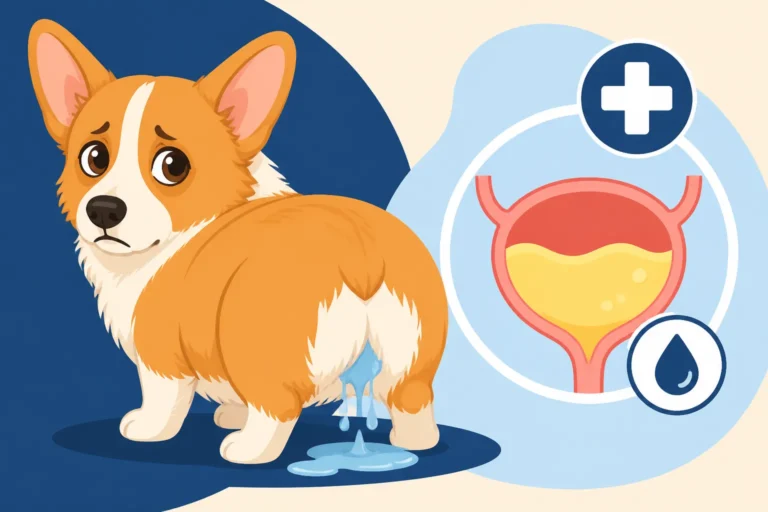
- Incontinence: Loss of bladder or bowel control can indicate severe spinal cord compression.
- Extreme vocalization: Uncharacteristic yelping, whimpering, or crying, especially when trying to move or being touched near the back.
- Loss of balance and coordination: Stumbling, drunken gait, or falling over even on flat ground.
- Hunched back or refusal to move head/neck: This could indicate severe pain in the cervical or thoracic spine.
If you observe any of these signs, gently place your Corgi on a flat, firm surface, ideally using a stretcher or blanket to keep their spine as stable as possible, and transport them immediately to the nearest emergency veterinary clinic. Do not try to make them walk or jump. Fast action can significantly improve the outcome in cases of severe spinal injury.
Rapidly Worsening Symptoms
Sometimes, symptoms start subtly but then rapidly escalate. A Corgi that initially showed mild hesitation on stairs might, over a few hours or a day, progress to complete refusal, severe pain, or noticeable weakness. This rapid deterioration is a cause for immediate concern, even if it hasn't reached full paralysis.
For instance, if your Corgi started with a slight wobble in their hindquarters, and now you notice A Corgi Whose Back Legs Cross Over when they try to walk, or they are struggling significantly more to get up, it's a sign that their condition is worsening quickly. Rapidly progressing weakness or pain indicates that whatever underlying issue is present is advancing fast, and prompt intervention is needed to prevent it from becoming more severe or irreversible. Early diagnosis and treatment are always best. Your vet will assess the situation and likely recommend immediate diagnostics, which may include X-rays or even an emergency MRI to determine the extent of the damage. They might also administer strong pain relief and anti-inflammatory medications. Even if it's the middle of the night, never hesitate to seek emergency care for rapidly worsening neurological signs or intense pain, as delay could have serious consequences for your Corgi's long-term mobility and comfort.
| Symptom Category | Signs to Look For | Potential Causes (Corgi Specific) | Action Needed |
|---|---|---|---|
| Acute Pain | Crying when lifted, hunched back, yelping, shivering | IVDD flare-up, muscle strain, sudden trauma | Emergency Vet Visit – immediate assessment & pain relief |
| Hind Leg Weakness | Dragging feet, stumbling, back legs crossing, difficulty standing | IVDD, Degenerative Myelopathy, nerve compression | Urgent Vet Visit – diagnostic imaging may be needed |
| Paralysis | Complete inability to move hind legs, loss of sensation | Severe IVDD, spinal cord injury | Emergency Vet Visit – time-sensitive for best outcome |
| Gradual Reluctance | Slowing down, hesitation, preferring to be carried, stiffness | Arthritis, early IVDD, general aging joint pain | Scheduled Vet Visit – discuss pain management, supplements, home modifications |
| Behavioral Aversion | Fearful body language, refusal despite no apparent pain | Past negative experience, lack of confidence | Consult vet to rule out pain, then consider behavioral training with positive reinforcement |
Disclaimer
This guide is intended for informational purposes only and does not constitute professional veterinary advice. Always consult with a qualified veterinarian for any health concerns or before making any decisions about your Corgi's care.