Physiotherapy for a Corgi Losing Its Legs
Watching your beloved Corgi struggle with their legs, perhaps stumbling, dragging their feet, or even collapsing, is one of the most heartbreaking experiences a dog parent can face. It's an agonizing feeling of helplessness when your once-lively companion starts losing their mobility. This guide is here to walk you through how physiotherapy can be a profound game-changer, helping your Corgi regain strength, manage pain, and maintain a dignified quality of life even when their back end starts to falter.
Why a Corgi Might Be Losing Leg Function
Understanding the underlying reasons why your Corgi might be losing function in their hind legs is the first step toward effective management and treatment. It's not just about "getting old"; often, specific conditions are at play that can be helped significantly with targeted therapies.
Common Causes: DM and IVDD
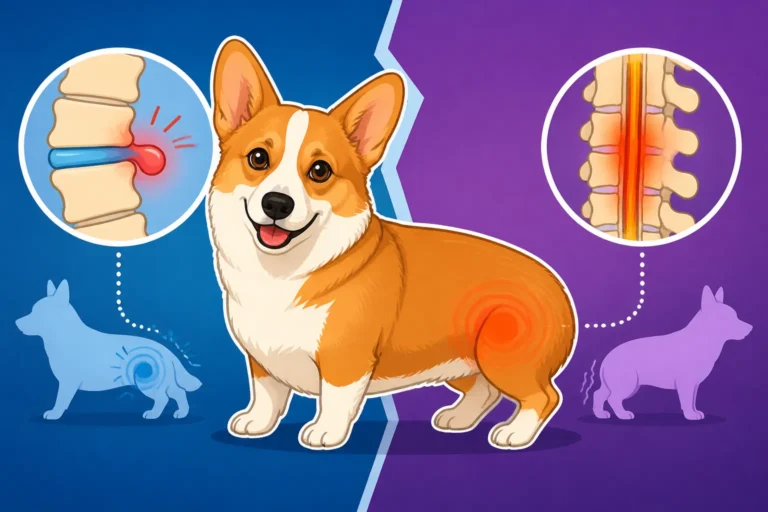
For Corgis, given their unique build, two conditions primarily spring to mind when we talk about hind leg weakness or paralysis: Degenerative Myelopathy (DM) and Intervertebral Disc Disease (IVDD). Both are serious, but their progression and treatment approaches differ quite a bit.
Degenerative Myelopathy, or DM, is a progressive neurological disease that affects the spinal cord. It's often compared to ALS in humans. In Corgis, particularly Pembroke Welsh Corgis, there's a genetic predisposition, and it typically affects dogs in their senior years, usually starting around 8-10 years old. The initial signs are subtle – perhaps a slight scuffing of the back paws, a little weakness when getting up, or an uncoordinated gait, sometimes described as looking "drunk." It progresses slowly, non-painfully, eventually leading to complete paralysis of the hind limbs and, later, affecting the front limbs as well. The insidious nature of DM can be incredibly frustrating for owners because there's no cure, but therapies can help manage symptoms and maintain muscle mass. For a deeper dive into this challenging condition, you might want to read our article on Degenerative Myelopathy and the Corgi.
Intervertebral Disc Disease (IVDD), on the other hand, is usually more sudden and often quite painful. Corgis, with their long backs and short legs (a trait known as chondrodystrophy), are notoriously prone to IVDD. This condition occurs when one of the cushion-like discs between the vertebrae in the spine either bulges or ruptures, pressing on the spinal cord. This compression can cause a range of symptoms, from mild pain and reluctance to move, to severe weakness, wobbliness, inability to walk, and even paralysis. Unlike DM, IVDD can often be treated, sometimes with conservative management like strict crate rest and medication, or in more severe cases, with surgery. Recognizing the early signs and getting prompt veterinary attention is crucial. We have another helpful resource, Disc Disease in a Long-Backed Corgi, which elaborates on this common issue. It can sometimes be tricky to distinguish the two conditions, so understanding Telling a Corgi's Slipped Disc From Myelopathy is also incredibly valuable.
Beyond these two major players, other issues can contribute to hind leg weakness. Severe arthritis in the hips or knees, nerve damage from an injury, or even certain types of cancer can manifest as mobility problems. A thorough veterinary examination, often including X-rays, blood tests, and sometimes an MRI (especially if surgery for IVDD is considered, as discussed in What an MRI Shows in a Corgi Back), is essential to get an accurate diagnosis.
The Impact on Quality of Life
The loss of leg function profoundly impacts a Corgi's quality of life. Imagine being an active, curious Corgi, always eager to herd your family or chase a ball, suddenly finding it difficult to stand, walk, or even go to the bathroom. This physical limitation leads to a cascade of problems.
First and foremost, there's the obvious loss of independence. Simple pleasures like exploring the yard, greeting family members at the door, or enjoying a brisk walk become monumental challenges or entirely impossible. This can lead to frustration, anxiety, and even depression in dogs. They might become withdrawn, less engaged in activities they once loved, or conversely, show increased vocalization or restlessness due to their inability to move freely.
Then there are the secondary physical issues. When a Corgi can't use its hind legs properly, other muscles start to atrophy quickly due to disuse. Their core strength diminishes, putting more strain on their front limbs, which aren't built to compensate for long. Skin sores can develop from dragging, and issues like Incontinence in a Corgi With DM become a daily concern, leading to hygiene challenges and potential skin infections. The emotional toll on us, as owners, is immense. We want to do everything we can to ease their struggles and maintain their joy. This is precisely where a carefully tailored physiotherapy program steps in, offering hope and practical solutions.
The Core Principles of Corgi Physiotherapy
Physiotherapy isn't just about making your Corgi move; it's a holistic approach designed to address multiple facets of their physical well-being. It's about empowering them to live their best life, despite their mobility challenges.
Goals of Rehabilitation
When your Corgi starts a physiotherapy program, the goals are always tailored to their specific condition, stage of disease, and individual needs. However, some overarching objectives typically guide the process:
- Pain Management: For conditions like IVDD or arthritis, pain can be debilitating. Physiotherapy incorporates techniques like therapeutic massage, joint mobilization, and sometimes modalities like laser therapy to reduce discomfort, allowing your Corgi to move more freely and comfortably. Effective Pain Relief for an Old Corgi's Back is often a primary concern.
- Muscle Strengthening and Maintaining Muscle Mass: When a Corgi isn't using its legs, muscle quickly wastes away (atrophy). Physiotherapy focuses on exercises that specifically target and strengthen the muscles in the hind limbs and core, or aim to maintain existing muscle mass to prevent further deterioration, especially crucial in progressive conditions like DM where The Corgi Years When the Back End Gives Out can be slow and steady. This helps support the spine and improves overall stability.
- Improving Balance, Coordination, and Proprioception: Proprioception is the body's sense of its position in space. Corgis losing leg function often struggle with knowing where their feet are, leading to stumbling and scuffing. Physiotherapy employs specific exercises to re-educate the nervous system, improving balance and coordination, which can dramatically reduce falls and boost confidence.
- Slowing Disease Progression or Aiding Recovery: While physiotherapy can't cure DM, it can certainly help slow the progression of muscle weakness and maintain mobility for longer. For IVDD, it's instrumental in speeding up recovery post-injury or surgery, helping to restore nerve function and muscle strength. It’s a vital component of successful rehabilitation, regardless of whether you choose surgery or more Conservative Treatment Costs for a Corgi Back.
The Multidisciplinary Approach
Successful physiotherapy for a Corgi requires a team effort. It's not just one person or one treatment but a coordinated approach involving several key players.
- Veterinarian Diagnosis and Medical Management: Your primary veterinarian is the first point of contact. They provide the initial diagnosis, rule out other conditions, and manage any medical needs such as pain medication or anti-inflammatories. They work closely with the rehabilitation specialist to ensure a cohesive treatment plan that considers your Corgi's overall health.
- Certified Canine Rehabilitation Therapist (CCRT or CCRP): This is the specialist who designs and oversees the physiotherapy program. These professionals have advanced training in canine anatomy, physiology, and rehabilitation techniques. They conduct thorough assessments, set realistic goals, and utilize a variety of therapies to help your Corgi. Their expertise is invaluable in creating a program that is both effective and safe for your specific dog. You can often find them at dedicated animal rehabilitation centers or specialized veterinary clinics.
- Owner's Crucial Role in Home Care: You, the Corgi parent, are arguably the most important member of the team. The bulk of the rehabilitation work happens at home, between formal sessions. Your commitment to performing prescribed home exercises, making necessary environmental modifications, and diligently observing your Corgi's progress and comfort levels is paramount. The therapist will teach you how to safely perform stretches, massage, and therapeutic exercises, ensuring you feel confident in supporting your Corgi's journey.
Common Physiotherapy Techniques for Corgis
Canine physiotherapy offers a wide array of techniques, each with unique benefits. A good rehabilitation specialist will combine several methods to create the most effective plan for your Corgi.
Hydrotherapy: The Gentle Power of Water
Hydrotherapy is one of the most popular and effective forms of physiotherapy for Corgis, especially those with spinal issues or significant weakness. It involves exercises performed in water, which uses buoyancy to reduce the impact of gravity.
- Underwater Treadmill: This is a shallow tank with a treadmill at the bottom. The water level can be adjusted, allowing your Corgi to walk on the treadmill while partially supported by the water. This reduces weight-bearing stress on joints and the spine, making movement less painful and easier to initiate. The resistance of the water also helps strengthen muscles more effectively than land-based walking. For a Corgi recovering from surgery or suffering from DM, the underwater treadmill can be a revelation, helping them rediscover how to use their legs without the full burden of their body weight. Our post on Hydrotherapy for a Corgi Recovering From Surgery dives deeper into this.
- Swimming: While some Corgis love to swim, others are less enthusiastic. Swimming provides a fantastic full-body workout, excellent for building muscle, improving cardiovascular health, and increasing range of motion in a non-weight-bearing environment. However, for Corgis with spinal issues, the twisting motion of swimming might need to be carefully monitored by a therapist.
The benefits of hydrotherapy are immense:
- Reduced Weight-Bearing: The buoyancy of water significantly lessens the load on painful joints and compromised spinal discs, allowing for pain-free movement.
- Increased Range of Motion: The warm water helps relax muscles, making it easier to stretch and increase flexibility.
- Muscle Building: The natural resistance of water provides a gentle yet effective way to build and maintain muscle mass.
- Improved Circulation: The hydrostatic pressure of the water can help reduce swelling and improve blood flow.
Imagine a Corgi who has been struggling to walk on land, hesitant and painful. Placed in an underwater treadmill, with the water supporting their body, they might take their first confident steps in weeks or months. This newfound freedom of movement is not only physically beneficial but also a huge morale booster for the dog.
Therapeutic Exercises and Manual Therapies
These are the hands-on and active components of physiotherapy, performed both in the clinic and as part of your home program.
- Stretching and Massage: Gentle stretching helps maintain flexibility and prevent muscle contractures, especially important when muscles are not being used fully. Therapeutic massage improves circulation, reduces muscle tension, and provides pain relief. These techniques can be taught to owners for daily home care.
- Passive Range of Motion (PROM): This involves the therapist (or owner) gently moving your Corgi's joints through their full range of motion. It helps maintain joint flexibility, prevents stiffness, and can be crucial for dogs with paralysis or severe weakness.
- Balance Boards, Wobble Cushions, and Cavaletti Poles: These are specific pieces of equipment used for active exercises.
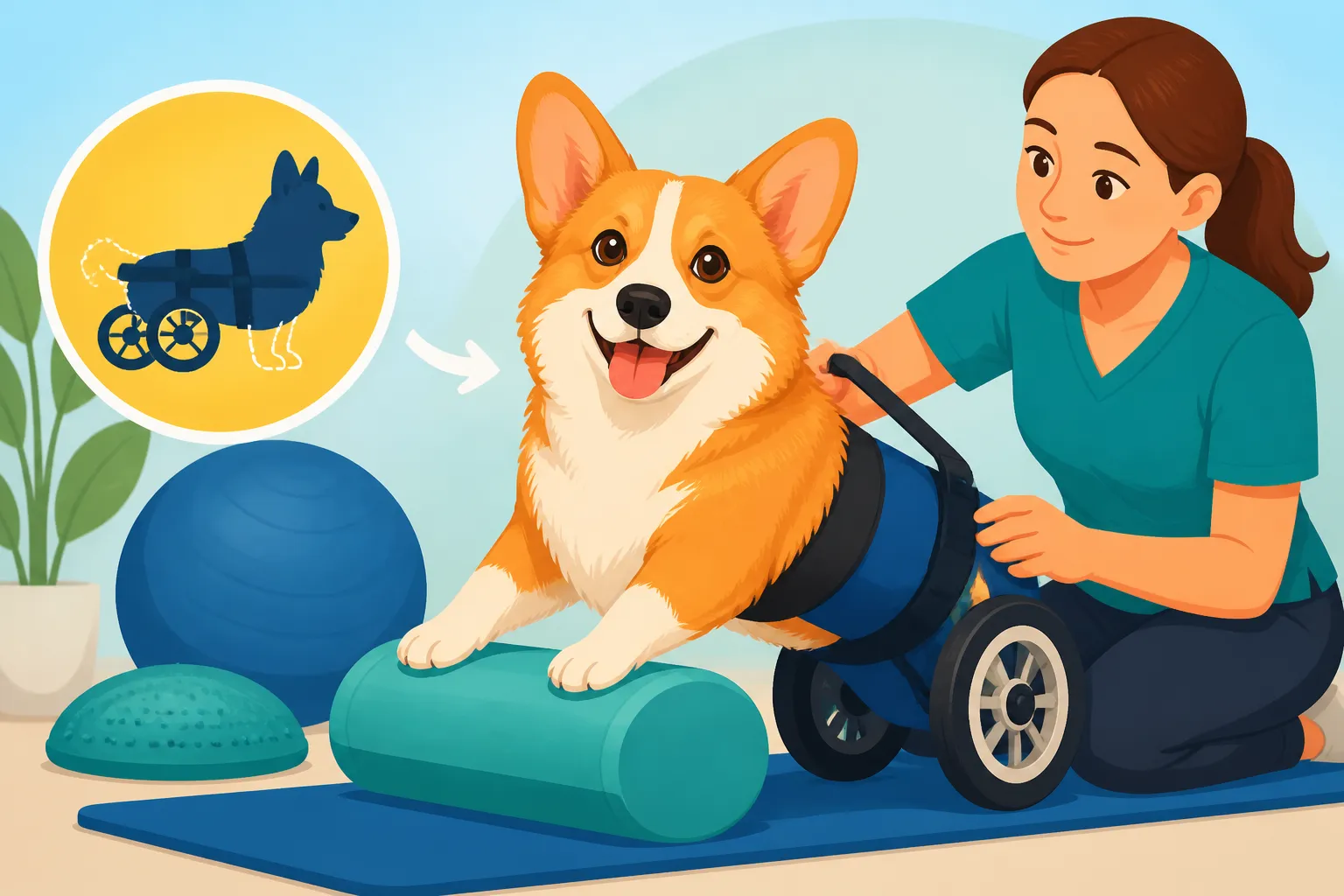
- Balance boards and wobble cushions challenge a Corgi's core strength and proprioception. Standing or sitting on these unstable surfaces forces them to engage stabilizing muscles and consciously place their feet, improving balance and coordination.
- Cavaletti poles are low poles arranged in a row that your Corgi walks over. This exercise encourages them to lift their feet higher, lengthening their stride, strengthening their leg muscles, and improving their awareness of limb placement, which is particularly helpful for Corgis who scuff their paws.
- Thera-Ball Exercises: Large inflatable balls are used for exercises that improve core strength, balance, and limb awareness. A Corgi might be asked to stand on the ball with its front paws, engage its core, or perform controlled movements.
These exercises are designed to be progressively challenging, building strength and confidence over time.
Advanced Modalities: Laser and Electrical Stimulation
In addition to hands-on techniques, many rehabilitation centers utilize advanced equipment to enhance healing and pain relief.
- Low-Level Laser Therapy (LLLT): Also known as cold laser therapy, this non-invasive treatment uses specific wavelengths of light to penetrate tissues. It promotes cellular regeneration, reduces inflammation, and alleviates pain. It's often used for localized pain points, surgical incisions, or areas affected by arthritis or disc issues. A typical session is quick and painless, with many dogs finding it relaxing.
- Neuromuscular Electrical Stimulation (NMES): This involves placing electrodes on the skin over specific muscle groups. A gentle electrical current stimulates the muscles, causing them to contract. NMES is incredibly useful for preventing muscle atrophy in paralyzed limbs, re-educating muscles that have lost nerve input, or strengthening muscles that a Corgi struggles to activate voluntarily. It helps maintain muscle tone and can improve muscle strength.
These modalities are typically administered by a trained therapist in a clinic setting and complement the active exercise program.
Setting Up a Home Support System for Your Corgi
Physiotherapy isn't just about clinic visits; it’s a lifestyle change that extends into your daily home environment. Creating a supportive and safe space for your Corgi is critical for their progress and overall well-being.
Essential Home Modifications
Making a few thoughtful changes around your home can significantly reduce the risk of further injury and make life much easier for your Corgi.
- Ramps and Steps: Given their long backs and propensity for spinal issues, jumping on and off furniture (like sofas or beds) or climbing stairs can be detrimental to a Corgi's spine. Providing sturdy, carpeted ramps or pet steps allows them to access elevated surfaces safely without strain. This is a topic so crucial we devoted an entire article to it: Ramps and Steps That Save a Corgi's Back. It's about proactive care, not just reactive.
- Non-Slip Flooring: Slippery surfaces like hardwood, tile, or laminate can be a nightmare for a Corgi with compromised hind leg strength. Their feet can splay out, leading to painful falls and potential re-injury. Lay down runners, yoga mats, or area rugs in high-traffic areas to provide traction. Ensure these rugs are non-slip themselves to prevent them from sliding around.
- Orthopedic Bedding: A comfortable, supportive bed is essential, especially for a dog spending more time lying down. Orthopedic beds are designed to distribute weight evenly, reducing pressure on joints and helping to keep the spine aligned. Brands like Casper or Big Barker offer excellent orthopedic options that can make a huge difference in your Corgi's comfort.
Daily Home Exercise Program
Your role in your Corgi's daily home exercise program is invaluable. These exercises, prescribed by your rehabilitation therapist, are designed to reinforce clinic treatments and accelerate progress.
- Tailored Exercises: The therapist will provide you with a specific set of exercises, demonstrating how to perform them safely and effectively. These might include gentle stretches, passive range of motion exercises, assisted standing, or controlled walks. It's crucial to follow these instructions precisely.
- Importance of Consistency and Not Overdoing It: Consistency is key to seeing results. Even short, frequent sessions (5-10 minutes, several times a day) are often more beneficial than one long, infrequent session. However, it's equally important not to overdo it. Pushing your Corgi too hard can lead to fatigue, pain, and setbacks. Always watch for signs of discomfort or exhaustion and stop if your Corgi seems distressed.
- Proprioceptive Exercises: Many home exercises will focus on proprioception. This could involve placing your Corgi's paws in slightly awkward positions (e.g., knuckling over) and gently encouraging them to correct it, or walking them slowly over uneven surfaces like blankets or low pillows to make them think about foot placement. These seemingly simple exercises are powerful for re-training their brain-body connection.
Mobility Aids and Support Devices
As leg function declines, mobility aids can provide essential support and allow your Corgi to maintain a degree of independence and participation in family life.
- Harnesses for Support: A good support harness can be a lifesaver. Harnesses like the Help 'Em Up Harness (which has front and rear components) or the Walkin' Wheels harness allow you to safely lift and support your Corgi's hindquarters when they need assistance standing, walking, or going potty. This takes pressure off their spine and your back! It's important to choose a harness that fits well and doesn't put pressure on sensitive areas of the spine, as discussed in Whether a Corgi Should Wear a Harness Not a Collar.
- Carts/Wheelchairs: For Corgis with advanced DM or severe, irreversible paralysis, a custom-fitted wheelchair can restore incredible mobility. Brands like Walkin' Wheels or Eddie's Wheels offer high-quality, durable carts that allow Corgis to run, play, and explore, giving them back a sense of freedom. Adjusting to a cart takes time and patience, but for many Corgis and their owners, it's a transformative tool. Our guide on Carts and Wheels for a Corgi With DM provides more insight into this.
- Slings and Booties: Simple slings can be used for temporary hind end support. Booties can protect paws from scuffing, especially for Corgis with DM who drag their feet. For a broader look at available aids, check out Mobility Aids for a Corgi That Cannot Walk.
What to Expect During the Physiotherapy Journey
Embarking on a physiotherapy journey for your Corgi is a commitment, but one that offers profound rewards. Knowing what to expect can help you navigate the process with confidence and realistic expectations.
Initial Assessment and Treatment Plan
The very first visit to a canine rehabilitation specialist will be comprehensive. Think of it like a detective gathering clues to solve a mystery.
- Detailed Physical Exam and Gait Analysis: The therapist will conduct a thorough physical examination, assessing muscle mass, joint range of motion, neurological reflexes, and pain response. They'll also perform a gait analysis, observing your Corgi walk (or attempt to walk) on various surfaces to identify weaknesses, compensatory movements, and balance issues. They might even video the gait for later comparison. This careful observation helps them understand exactly how your Corgi is moving and where the primary problems lie.
- Setting Realistic Goals: Based on the diagnosis (provided by your vet) and their assessment, the therapist will work with you to establish realistic, measurable goals. For an IVDD patient, a goal might be to walk unassisted within six weeks. For a DM patient, it might be to maintain hind leg strength for as long as possible or to use a cart comfortably for daily walks. It's crucial to understand the prognosis, especially with conditions like Degenerative Myelopathy and the Corgi, where management, not cure, is the aim.
- Discussion About Prognosis and Expectations: The therapist will explain what you can realistically expect from the physiotherapy, both in terms of progress and timeline. They'll discuss the frequency of clinic visits, the type of home exercises, and any necessary home modifications. This is an excellent opportunity to ask all your questions and express any concerns you might have. They'll also discuss the financial commitment involved. This is where having pet insurance like Healthy Paws can truly provide peace of mind, as rehabilitation costs can add up. Many policies, including those from Healthy Paws, cover these types of treatments, making it easier to say "yes" to the best possible care for your Corgi.
The Importance of Consistency and Patience
Physiotherapy is not a quick fix; it requires dedication, perseverance, and a deep well of patience.
- Physiotherapy is a Marathon, Not a Sprint: You won't see dramatic overnight changes. Progress is often gradual, measured in small victories: a stronger step, better balance, less scuffing, or a longer duration of standing. It’s a journey, not a destination, especially with chronic conditions.
- Celebrating Small Victories: Learn to appreciate every tiny improvement. Your Corgi holding their bladder for an extra hour, taking a few unassisted steps, or showing more enthusiasm for their exercises – these are all signs of progress worth celebrating. This positive reinforcement keeps both you and your Corgi motivated.
- Managing Expectations and Adapting the Plan: There might be good days and bad days, plateaus, or even temporary setbacks. This is normal. The therapist will regularly reassess your Corgi's progress and adjust the treatment plan as needed. Open communication with your therapist is vital. Don't hesitate to share your observations or concerns, as this feedback helps them fine-tune the plan. The long-term outlook for Corgis with spinal issues can sometimes feel daunting, and having coverage from a provider like Healthy Paws for ongoing therapies and potential future needs can significantly alleviate financial stress, allowing you to focus on your Corgi's well-being.
A Comparative Look at Physiotherapy Techniques
To give you a clearer picture, here's a table comparing some common physiotherapy techniques and their primary benefits for a Corgi experiencing hind leg issues.
| Technique | Primary Benefit(s) | Best Suited For | Typical Frequency & Duration | Home Component |
|---|---|---|---|---|
| Hydrotherapy | Muscle strengthening, pain relief, increased ROM, gait re-education | IVDD recovery (pre/post-surgery), DM management, arthritis | 1-3 times/week, 20-40 min sessions | None directly, but good for confidence boost |
| Therapeutic Exercises | Balance, coordination, strength, proprioception, muscle activation | All mobility issues, post-surgical, DM, general weakness | Daily (at home), 1-2 times/week (clinic) | Daily routine, 5-10 min intervals |
| Manual Therapies | Pain relief, flexibility, muscle relaxation, improved circulation | Painful conditions (IVDD, arthritis), muscle stiffness | As needed (clinic), daily (home) | Gentle massage, passive range of motion |
| Low-Level Laser Therapy | Pain reduction, anti-inflammation, tissue healing | Localized pain, post-surgical sites, disc inflammation | 2-3 times/week initially, then tapering | None |
| NMES (Electrical Stim.) | Muscle strengthening, preventing atrophy, muscle re-education | Muscle weakness, paralysis, nerve damage | 1-3 times/week (clinic), sometimes home unit | Sometimes taught for home use with specialized unit |
Ultimately, physiotherapy offers a beacon of hope and practical support for Corgis losing their leg function. It’s an investment in their comfort, mobility, and overall happiness, allowing them to continue being the cherished companions they are for as long as possible. Remember, you're not alone in this journey, and there are many resources and dedicated professionals ready to help.
Disclaimer
This article is intended for informational purposes only and does not constitute medical advice. Always consult with a qualified veterinarian or a certified canine rehabilitation therapist for any health concerns or before making any decisions about your Corgi's care. Individual results from physiotherapy may vary.