Whether Neutering Timing Changes a Corgi’s Back
One of the most agonizing decisions Corgi owners face is when – or even if – to neuter or spay their beloved companion. We're often told it's crucial for their health and behavior, but for those of us with Corgis, a nagging worry persists: could the timing of this procedure actually impact their delicate, long backs? This guide dives deep into the complex relationship between neutering timing and Corgi spinal health, exploring the latest insights to help you make the most informed decision for your furry family member.
Understanding Corgi Back Health and IVDD Risks
As Corgi parents, we're acutely aware of the unique physical challenges our little low-riders face. Their charming, distinctive shape, while adorable, comes with specific vulnerabilities, especially concerning their spine. It's a constant source of worry, isn't it? Every time they jump off the sofa or launch themselves down a single step, a tiny part of us holds its breath.
The Unique Corgi Physique and Spinal Vulnerabilities
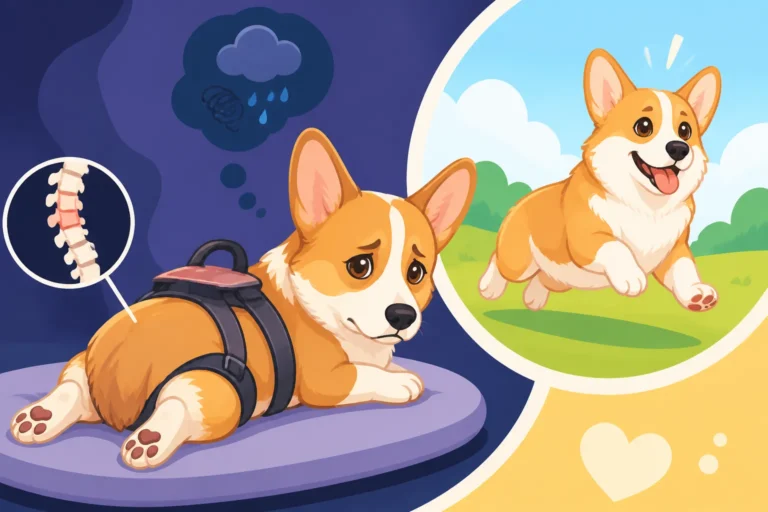
Corgis, both Pembrokes and Cardigans, are classified as chondrodystrophic breeds. What does that mouthful mean? Essentially, it refers to a genetic trait that affects cartilage development, leading to their characteristic short legs and long bodies. While it gives them their endearing, low-slung appearance, it also predisposes them to intervertebral disc disease (IVDD). This condition occurs when the discs between their vertebrae degenerate, bulge, or even rupture, putting pressure on the spinal cord. It's not a question of if it might happen, but often when and how severely for many Corgis. We live with this underlying risk, constantly trying to mitigate it. Understanding Disc Disease in a Long-Backed Corgi is crucial for every owner.
These discs act as shock absorbers, and in chondrodystrophic breeds like Corgis, these discs can harden prematurely, making them less resilient. Imagine jumping on a trampoline made of concrete instead of springs; that's somewhat analogous to the stress a Corgi's spine endures if its discs are compromised. This makes even everyday activities like running, jumping, or roughhousing potentially risky. Owners often find themselves constantly strategizing to prevent injuries, from blocking stairs to investing in ramps.
The Role of Hormones in Musculoskeletal Development
Hormones play a much bigger role in a dog's growth and development than many of us realize. Estrogen and testosterone, the sex hormones, are critical for the proper closure of growth plates in bones. Growth plates are areas of cartilage at the ends of long bones in puppies and young dogs that allow the bones to grow longer. They gradually "close" or ossify (turn into bone) as the dog matures. This process is influenced by the presence of sex hormones.
If a dog is neutered or spayed before these growth plates have a chance to close naturally, the long bones can continue to grow for a longer period, resulting in limbs that are disproportionately long. This might not sound like a huge issue on its own, but for a Corgi, which already has a unique body structure, any alteration to their skeletal proportions can have cascading effects. It’s not just about leg length; it can affect overall joint conformation and spinal alignment, placing additional, unnatural stress on their already vulnerable backs.
The Traditional View on Neutering Timing and Back Health
For decades, the advice from veterinarians and breeders alike was quite consistent: spay or neuter your dog around six months of age. This recommendation was so ingrained that many of us simply followed it without question, believing it was the universally accepted best practice for our pets' overall well-being.
Historical Recommendations for Neutering
The "gold standard" recommendation for neutering at six months primarily stemmed from a focus on population control and preventing certain health issues. It was believed that early spaying significantly reduced the risk of mammary tumors in female dogs and eliminated the risk of testicular cancer in males. Additionally, it was thought to curb unwanted behaviors associated with intact dogs, such as roaming, marking, and aggression. The emphasis was largely on these benefits, with little public discussion or research widely available regarding potential orthopedic impacts.
For many years, the convenience of performing the surgery on a young, smaller dog, and the perceived benefits for behavioral management and health, overshadowed any concerns about long-term skeletal development. Breeders, too, often encouraged it for puppies going to pet homes to ensure no unplanned litters, and it was widely accepted as a responsible ownership practice. We were often told it was simply "what you do" for a pet dog, and questioning it felt almost irresponsible.
Why "Early" Neutering Became Common Practice
The widespread adoption of early neutering wasn't just about population control; it also became a default because of perceived health benefits that were heavily promoted. For females, the drastic reduction in mammary cancer risk (especially if spayed before their first heat cycle) was a huge driver. For males, avoiding testicular cancer and reducing the incidence of prostate issues were often cited. From a practical standpoint, a younger, smaller dog often recovers more quickly from surgery, making the procedure seem less daunting for both the pet and the owner.
Furthermore, many shelters and rescue organizations implemented mandatory early spay/neuter policies to ensure that adopted animals wouldn't contribute to pet overpopulation. This policy, while hugely beneficial for the pet population crisis, also normalized the practice of neutering dogs at very young ages, sometimes as early as 8-10 weeks, before they even went to their forever homes. This created a culture where later neutering was seen as unusual or even neglectful, adding to the pressure on new Corgi owners to schedule the procedure without delay.
Emerging Research and Concerns Regarding Early Neutering
While traditional advice has its roots in valid concerns, the landscape of veterinary science is always evolving. In recent years, more in-depth studies have started to challenge the blanket recommendation for early neutering, especially for certain breeds like our beloved Corgis. It’s a complex area, and it can feel overwhelming trying to keep up with the latest findings when all we want is what's best for our furry friends.
Studies Linking Neutering Timing to Orthopedic Issues
A growing body of research, particularly from universities like UC Davis and Cornell, has highlighted a connection between neutering, especially before maturity, and an increased incidence of certain orthopedic conditions. These studies suggest that removing sex hormones too early can disrupt the natural development of joints and bones, primarily due to the delayed closure of growth plates, as mentioned earlier. For breeds prone to joint issues, this can be particularly problematic. For example, some studies have shown higher rates of hip dysplasia, elbow dysplasia, and cruciate ligament tears in dogs neutered young compared to those neutered later or left intact.
While the majority of this research initially focused on larger breeds like Golden Retrievers and Labradors, whose growth plates are more obviously affected by early hormone removal, the implications for chondrodystrophic breeds like Corgis are starting to gain attention. The prolonged growth of long bones in a Corgi could subtly alter the biomechanics of their already distinctive structure, potentially putting even more strain on their vertebral discs and increasing their risk for IVDD. This is a huge concern for Corgi owners, as spinal issues are already a significant worry, especially as they get older and enter The Corgi Years When the Back End Gives Out.
The Specific Impact on Corgis and Other Chondrodystrophic Breeds
For Corgis, the concern isn't necessarily about hip or elbow dysplasia being more prevalent (though those can occur), but rather the exacerbation of their inherent predisposition to IVDD. The crucial aspect here is "chondrodystrophy" itself – the altered cartilage development that defines their short stature. When growth plates close later, it might lead to slightly longer limbs relative to their already elongated backs. This subtle change can shift the forces and stresses on the intervertebral discs. Think of it like a bridge where the support pillars are slightly too long or too short for the span; it introduces undue stress points.
While specific, large-scale studies focusing exclusively on neutering timing and IVDD rates in Corgis are still somewhat limited, the anatomical principles suggest that any factor affecting skeletal development could have an impact. Anecdotal evidence among Corgi enthusiasts and some veterinary professionals suggests that Corgis neutered early might be at a higher risk for back problems later in life, though correlation is not causation, and many factors contribute to IVDD. This is why thorough discussion with a vet who understands the breed's unique needs is so vital. It's not a simple choice, and the nuances are incredibly important.
Weighing the Benefits and Risks of Neutering Timing
The decision about when to neuter or spay your Corgi is clearly not black and white. There are compelling arguments on both sides, and it requires a careful consideration of various health, behavioral, and practical factors. As Corgi owners, we're constantly juggling risks and benefits, from managing their weight (remembering Why Corgi Weight Is a Spinal Problem) to protecting their backs from everyday activities.
Potential Downsides of Early Sterilization for Corgi Backs
The primary concern regarding early sterilization for Corgis revolves around the potential for altered musculoskeletal development. As we've discussed, the removal of sex hormones before growth plates have naturally closed can lead to longer limbs. For a Corgi, whose spine is already under inherent stress due to its chondrodystrophic nature, this seemingly minor change can have disproportionate effects. A slightly longer leg, even by a fraction of an inch, can change the angles and leverage on the spinal column, potentially increasing the risk of IVDD. It's like adding an extra load to an already fragile structure.
Beyond IVDD, some veterinarians speculate that early neutering might also affect muscle development and strength, which are crucial for supporting the spine. Strong core muscles are essential for maintaining spinal stability in any dog, but especially in a breed like the Corgi. If hormonal influences during key developmental stages are removed, it could theoretically lead to less robust muscle development, leaving the spine with less natural support. This is a worry that weighs heavily on us as we try to give our Corgis the best chance at a long, healthy life.
The Trade-offs: Other Health and Behavioral Considerations
While the focus here is on spinal health, it's impossible to discuss neutering timing without acknowledging the broader picture of health and behavior. There are indeed proven benefits to neutering or spaying, which is why it became such a common recommendation.
Benefits of Neutering/Spaying (regardless of timing):
- Cancer Prevention: For females, spaying dramatically reduces the risk of mammary cancer and completely eliminates uterine and ovarian cancers. For males, neutering eliminates testicular cancer and can reduce the risk of certain prostate conditions.
- Population Control: Prevents unplanned litters, which is a significant societal benefit given the number of animals in shelters.
- Behavioral Benefits: Can reduce hormone-driven behaviors like roaming, marking (especially in males), and aggression towards other intact dogs.
- Pyometra Prevention: Spaying eliminates the risk of pyometra, a life-threatening uterine infection that is common in intact female dogs.
Potential Downsides (beyond orthopedic concerns):
- Increased Risk of Other Cancers: Some studies suggest a slightly increased risk of certain other cancers (e.g., osteosarcoma, hemangiosarcoma) with neutering, though these findings are complex and breed-specific.
- Weight Gain: Neutered dogs often have a slower metabolism and can gain weight more easily. This is a critical consideration for Corgis, as obesity is a major contributor to spinal problems. Owners need to be extra vigilant about The Body Condition Score a Corgi Should Hold post-neutering.
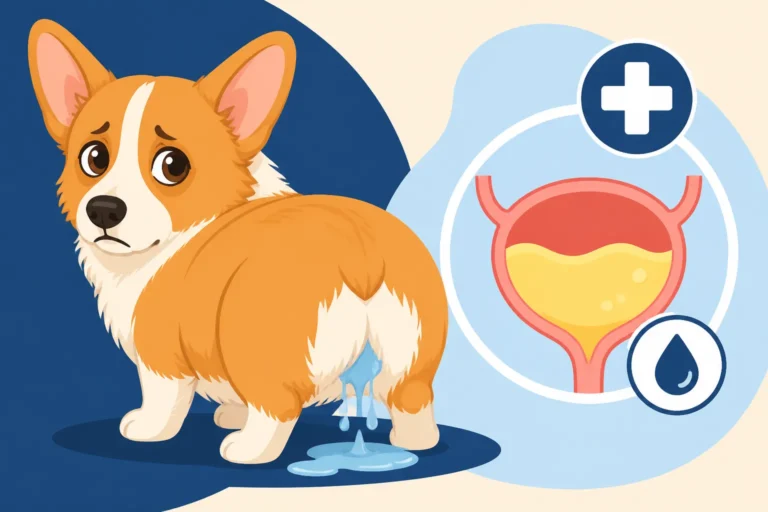
- Urinary Incontinence: A small percentage of spayed female dogs may develop urinary incontinence, usually treatable with medication.
- Behavioral Changes: While some unwanted behaviors decrease, in some individual dogs, neutering can exacerbate fear-based aggression or anxiety, particularly if they are already prone to these issues.
It's a tricky balance, isn't it? We want to prevent cancer and ensure good behavior, but not at the potential expense of their delicate backs. This is where personalized veterinary advice and considering your Corgi's individual temperament and health history become paramount.
Navigating the Decision: What to Discuss with Your Vet
Given the evolving understanding and the breed-specific considerations for Corgis, the decision about neutering timing is best made in close consultation with a veterinarian who is knowledgeable about chondrodystrophic breeds. It's not about finding a definitive "right" answer, but rather the right answer for your Corgi.
Tailoring the Decision to Your Individual Corgi
Every Corgi is an individual, and what might be the best timing for one could be less ideal for another. Your veterinarian can help you assess several key factors:
- Maturity Assessment: A vet can help you determine if your Corgi's growth plates have likely closed. This often involves physical examination and sometimes radiographs, though visual assessment of growth and development is usually sufficient. Generally, Corgis reach skeletal maturity between 12-18 months of age, with larger dogs often maturing later. Waiting until at least 12 months, or even 18-24 months for some, is an increasingly discussed option to allow for full skeletal development.
- Activity Level and Lifestyle: Consider your Corgi's lifestyle. Is your dog highly active, prone to jumping, or involved in activities like agility (which might need careful management regardless)? A dog with a very active lifestyle might benefit even more from fully mature joints and musculature. Conversely, a Corgi that is a couch potato might have different risks.
- Behavioral Considerations: Does your male Corgi exhibit strong marking behaviors or aggression towards other males? Is your female Corgi experiencing difficult heat cycles? These behavioral aspects might sometimes weigh in favor of earlier intervention, but it's important to differentiate between hormone-driven behaviors and learned behaviors that neutering won't fix.
- Genetic Predisposition: If you know your Corgi's lineage has a strong history of IVDD or other orthopedic issues, this might lead you to lean towards waiting longer to support optimal skeletal development. Similarly, if there's a strong family history of hormone-related cancers, that could influence the decision too.
- Risk of Accidental Pregnancy: For intact females, the risk of accidental pregnancy is a significant factor. If you cannot guarantee she will be safely contained during her heat cycles, earlier spaying might be a safer choice.
When discussing with your vet, don't be afraid to ask detailed questions. Consider seeking a second opinion, especially from a veterinary orthopedic specialist or a vet who has extensive experience with Corgis and other chondrodystrophic breeds. Insurance providers like Healthy Paws are increasingly recognizing the importance of breed-specific health concerns, and having open conversations with your vet from the start can help inform not just treatment decisions, but also how you manage your Corgi's long-term care and potential future needs.
Considering Alternatives to Traditional Neutering
For those deeply concerned about the potential orthopedic impacts of traditional neutering, there are a few alternative options, though they are not as widely available or commonly performed:
- Vasectomy (for males) or Ovariectomy (for females) without Uterine Removal: These procedures sterilize the dog (preventing reproduction) but leave the hormone-producing gonads (testicles or ovaries) intact. This allows the dog to continue producing sex hormones, theoretically preserving the positive effects of these hormones on skeletal development and growth plate closure. However, it means the dog would still be subject to the hormonal behaviors (like roaming in males, heat cycles in females) and health risks (like pyometra in females, prostate issues in males) associated with intact animals. This option requires a very committed owner to manage the intact dog aspects.
- Chemical Castration (for males): Implants like Suprelorin (deslorelin acetate) can temporarily suppress hormone production in males, offering a reversible "chemical neuter." This allows owners to "test drive" the effects of neutering on behavior and assess physical maturity before committing to surgical removal. The downside is that it's temporary, expensive, and not widely used for long-term management outside of specific breeding programs.
- Later Neutering: This is the most common alternative approach. Instead of the traditional 6 months, owners might wait until 12-18 months (or even 24 months for some males) after skeletal maturity is largely achieved. This aims to get the best of both worlds: allowing for hormonal development while still preventing reproduction and reducing certain cancer risks. However, this still requires careful management of an intact dog during its adolescent period to prevent unwanted pregnancies and manage behaviors.
It's important to remember that whatever decision you make, responsible Corgi ownership includes a strong focus on preventative care. This includes managing their weight, ensuring they have appropriate exercise, using Ramps and Steps That Save a Corgi's Back, and being vigilant for any signs of back pain or mobility issues, knowing when it's time to seek veterinary attention for issues like Whether a Corgi Needs Surgery or Rest. The goal is always to maximize their quality of life, and making an informed decision about neutering timing is a significant piece of that puzzle.
Considerations for Neutering Timing in Corgis
Here's a breakdown of the pros and cons to consider when making this crucial decision for your Corgi, especially concerning their unique spinal health needs.
| Timing of Neutering | Potential Benefits (General) | Potential Risks (General) | Specific Corgi Back/Orthopedic Considerations |
|---|---|---|---|
| Early Neutering (Before 6-12 months) |
– Reduced mammary cancer risk (females) – Eliminates testicular cancer – Population control – May reduce unwanted behaviors (roaming, marking) |
– Increased risk of certain orthopedic conditions (e.g., cruciate ligament tears, hip/elbow dysplasia in some breeds) – Weight gain more likely – Possible urinary incontinence (females) |
– Potential for delayed growth plate closure, leading to disproportionately longer limbs relative to back. – Could increase strain on already vulnerable IVDD-prone spine, potentially exacerbating risk. |
| Late Neutering (After 12-18 months) |
– Allows for full skeletal maturity and natural growth plate closure. – Reduced risk of orthopedic issues linked to early neutering. – Reduced risk of certain cancers (testicular in males). |
– Increased risk of mammary cancer (females) if unspayed after first heat. – Risk of pyometra (life-threatening uterine infection) in females. – Potential for persistent hormone-driven behaviors (roaming, marking, aggression). – Accidental pregnancies if not managed. |
– Allows for optimal development of spinal supporting structures and proportionality. – May reduce potential for added biomechanical stress on the back compared to early neutering. |
| Intact (Never Neutered) |
– Full hormonal development. – Lowest risk of orthopedic issues linked to neutering. – May retain natural muscle mass/tone. |
– Highest risk of mammary cancer and pyometra (females). – Highest risk of testicular cancer and prostate issues (males). – Management of heat cycles (females) and intact male behaviors. – Responsibility to prevent accidental litters. |
– Optimal natural skeletal and muscular development for spinal support. – However, still susceptible to IVDD due to What Chondrodystrophy Means for a Corgi and other genetic factors. |
This table serves as a general guide. Your Corgi's unique health profile, lifestyle, and genetic predispositions, alongside your veterinarian's expert advice, should be the ultimate determinants of your decision.
Ultimately, there's no universally "perfect" time to neuter a Corgi that completely eliminates all risks. It's a nuanced decision that requires careful consideration of their unique physiology, the latest research, and your individual circumstances. The most important thing you can do is have an open, honest discussion with your veterinarian, armed with questions and an understanding of your Corgi's specific needs. Prioritizing their long-term spinal health means weighing all factors and making the most informed choice possible. Just as we monitor for the First Signs of DM in a Corgi, we must be proactive about all aspects of their well-being. And remember, having a reliable pet insurance plan, such as one from Healthy Paws, can provide significant peace of mind regardless of your choice, knowing that you'll have support for unforeseen health challenges, including those related to their precious backs.
Disclaimer
The information provided in this guide is for general educational purposes only and should not be considered as medical advice. Always consult with a qualified veterinarian for any health concerns or before making any decisions about your Corgi's medical care, including neutering timing. Individual circumstances and breed-specific variations necessitate personalized professional guidance.