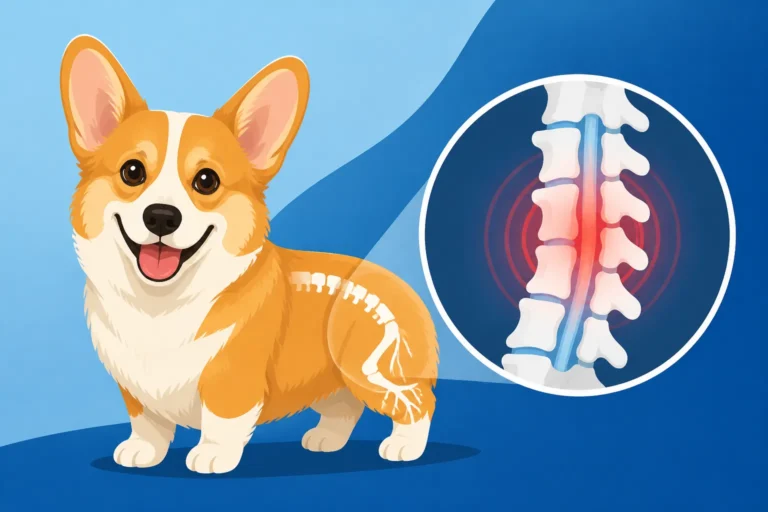
The Vet Visits a Corgi Puppy Needs First
Bringing a brand-new Corgi puppy home is an absolute joy, filled with boundless energy, adorable wiggles, and maybe a few mischievous nips at the ankles. Amidst all the excitement and puppy breath, it’s easy to feel overwhelmed by the sheer amount of responsibility, especially when it comes to their health. Figuring out which vet visits are critical in those first few months can feel like navigating a maze, leaving many new Corgi parents wondering if they're doing everything right. This comprehensive guide is here to demystify those initial vet appointments, outlining exactly what your Corgi puppy needs to start their life on the healthiest paw possible.
The Essential First Vet Appointment
Your Corgi puppy's very first visit to the veterinarian after coming home is perhaps the most critical step you’ll take in establishing their long-term health. Think of it as their grand introduction to their healthcare team, a crucial moment for a professional assessment of their initial well-being. This isn't just a quick peek; it’s a thorough examination designed to catch any hidden issues and set the stage for their future care.
What to Expect at the Initial Check-Up
When you bring your Corgi puppy in for their first visit, typically within 48 to 72 hours of adoption, your veterinarian will perform a comprehensive physical examination. This involves checking them from nose to tail – quite literally! The vet will listen to their heart and lungs, ensuring there are no murmurs or abnormal breathing patterns. They’ll meticulously examine your puppy’s eyes for clarity and any signs of discharge, and their ears for cleanliness and absence of mites or infection. It’s also a time for a thorough dental check, looking at the alignment of their puppy teeth and the health of their gums.
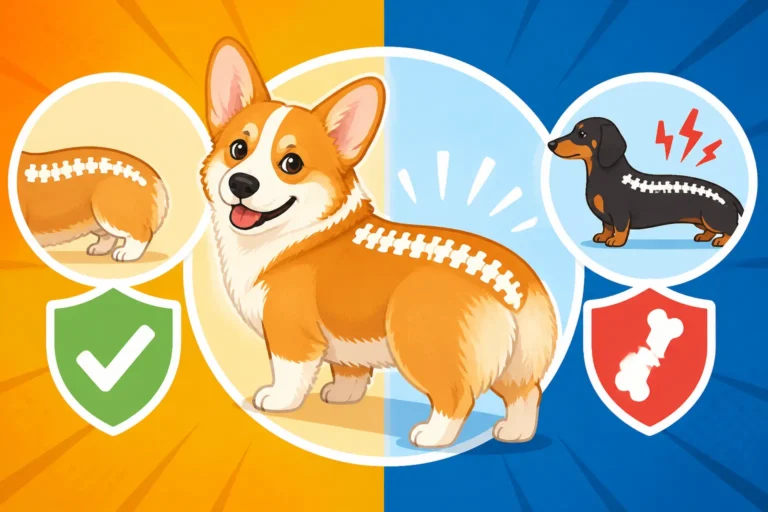
Beyond these common checks, your vet will also assess their overall body condition, feeling for any lumps or bumps, examining their skin and coat for parasites like fleas or ticks, and evaluating their gait and posture. For a breed like a Corgi, which carries its weight on a long back, observations about their movement, even as a tiny puppy, are foundational. They’ll also check your puppy's temperature and weight, establishing important baseline metrics. This first visit is also your opportunity to ask every single question that’s been swirling in your head, from feeding schedules to house-training tips. Don't hold back; no question is too silly when it comes to your new furry family member.
Why a Baseline Health Assessment Matters So Much
Establishing a baseline health assessment during this initial visit is incredibly important for several reasons. Firstly, it allows your vet to identify any congenital conditions or immediate health concerns that might have gone unnoticed by the breeder or rescue. For instance, sometimes a puppy may have an undescended testicle or an umbilical hernia that needs monitoring or future correction. Catching these early can prevent more significant problems down the line. Secondly, it provides a crucial reference point for all future veterinary visits. If your Corgi puppy develops an issue later on, knowing their initial healthy state helps the vet diagnose and treat problems more effectively.
This baseline also helps confirm the good health claims of a reputable breeder. A breeder who has provided excellent care will be confident in your vet’s assessment. Conversely, if any issues are found, this early check-up can sometimes impact agreements with the breeder or rescue, making it clear what health status the puppy had upon arrival. It's truly the foundation upon which your Corgi's entire health record will be built, highlighting the critical importance of being proactive.
Decoding the Puppy Vaccination Schedule
One of the most vital components of your Corgi puppy's early veterinary care is their vaccination series. Puppies are born with some immunity passed from their mothers, but this protection wanes over time, leaving them vulnerable to a host of potentially deadly diseases. Vaccinations are designed to safely introduce their immune system to these pathogens, allowing them to build their own defenses without actually getting sick. Understanding this schedule, and sticking to it, is paramount for your Corgi's safety.
Core Vaccinations: Guarding Against Common Threats
Core vaccinations are those recommended for all puppies, regardless of their lifestyle or geographic location, due to the severe and widespread nature of the diseases they protect against. For Corgis, just like most dog breeds, this typically includes a combination vaccine often referred to as DHPP or DAPP, which stands for Distemper, Adenovirus (Hepatitis), Parvovirus, and Parainfluenza. These are usually given in a series of shots, starting around 6-8 weeks of age and repeated every 3-4 weeks until the puppy is 16 weeks old, sometimes even older depending on their initial vaccine schedule and the specific protocols of your vet.
| Vaccine | Disease Protected Against | Typical Start Age | Booster Schedule | Key Info |
|---|---|---|---|---|
| DHPP/DAPP | Distemper, Adenovirus, Parvovirus, Parainfluenza | 6-8 weeks | Every 3-4 weeks until 16+ weeks old | Highly contagious, often fatal diseases. Series is crucial for full protection. |
| Rabies | Rabies | 12-16 weeks (often one year after) | Varies by local law (1 or 3 years) | Mandatory by law in most regions due to public health risk. |
Distemper can cause respiratory, gastrointestinal, and neurological issues, often being fatal. Parvovirus is notoriously hardy and can lead to severe vomiting and diarrhea, rapidly dehydrating and killing young puppies. Adenovirus attacks the liver and respiratory system, and Parainfluenza contributes to kennel cough. Adhering to the booster schedule is incredibly important because a puppy's immune system isn't fully developed until they've completed the entire series, and early maternal antibodies can interfere with vaccine effectiveness, making subsequent boosters essential to ensure lasting immunity.
Non-Core Vaccinations: Tailoring Protection for Your Corgi
While core vaccines are universal, non-core vaccinations are recommended based on your Corgi's individual risk factors, lifestyle, and geographical location. The most common non-core vaccine that is often considered "highly recommended" for many dogs is Rabies. While the Rabies vaccine is legally mandated in most places, its initial timing can vary, usually given around 12-16 weeks of age, with boosters following based on local regulations, typically every one or three years. Rabies is a fatal viral disease that can be transmitted to humans, making this vaccine critically important for public health as well as your Corgi's safety.
Other common non-core vaccines include Leptospirosis, Lyme Disease, and Bordetella (for kennel cough). If your Corgi will be spending time outdoors in wet environments, near wildlife, or drinking from puddles, your vet might suggest the Leptospirosis vaccine, which protects against bacterial infection that can cause kidney and liver damage and is also zoonotic. If you live in an area with a high tick population, especially in wooded areas, Lyme Disease vaccination might be prudent. And if your Corgi will attend puppy classes, daycare, boarding, or dog parks, the Bordetella vaccine (often given intranasally or orally) is usually a strong recommendation to prevent kennel cough. Discussing your Corgi's likely activities and exposure risks with your vet will help you build the most appropriate and tailored vaccination plan.
Managing Vaccine Reactions in Your Corgi Puppy
It's completely normal for Corgi puppies, or any puppy for that matter, to experience mild, temporary reactions to vaccinations. Just like humans, their immune system is working hard to respond to the vaccine. You might notice some lethargy or a slight decrease in appetite for 24-48 hours after the shots. They could also have mild discomfort, swelling, or a small bump at the injection site. These are typically normal and self-resolving. Providing a quiet, comfortable space and extra cuddles usually helps them through it.
However, it's vital to be aware of more serious, though rare, allergic reactions. Signs of a more severe reaction include persistent vomiting or diarrhea, facial swelling (especially around the eyes or muzzle), hives, severe itching, difficulty breathing, or collapse. These reactions usually occur within a few hours of vaccination. If you observe any of these symptoms, contact your veterinarian immediately. It’s important to note the specifics of any adverse reaction, as this information will guide your vet in future vaccine choices or pre-medication strategies. For instance, if your Corgi puppy had a reaction, your vet might recommend administering future vaccinations with an antihistamine beforehand. You can read more about A Corgi Puppy That Reacts to Its Shots for additional guidance on this topic.
Comprehensive Parasite Control
Parasites are an unfortunate reality for puppies, and left unchecked, they can seriously compromise a young Corgi's health and development. Many puppies come from their breeders or rescues with some form of internal or external parasite, even if they appear healthy. Addressing these uninvited guests is a key part of your Corgi's initial vet visits and ongoing care.
Understanding Internal and External Parasites
Internal parasites, commonly known as worms, are a frequent problem in puppies. Roundworms, hookworms, whipworms, and tapeworms are the most prevalent. Puppies can acquire roundworms and hookworms from their mothers, either in utero or through nursing. Symptoms can range from a pot-bellied appearance, dull coat, and poor growth to vomiting, diarrhea, and even anemia in severe cases. Coccidia and Giardia are also common intestinal parasites, which are microscopic protozoa that can cause severe diarrhea, especially in young, stressed puppies. These aren't typically considered "worms" but are significant threats to gastrointestinal health.
External parasites are those that live on the surface of your Corgi's body. Fleas are perhaps the most common, causing intense itching, skin irritation, and potentially transmitting tapeworms or causing flea allergy dermatitis. Ticks, prevalent in wooded or grassy areas, can transmit serious diseases like Lyme disease and anaplasmosis, which can have long-term health implications. Mites, such as sarcoptic or demodectic mites, can cause various forms of mange, leading to hair loss, itching, and skin infections. Your vet will specifically examine your puppy for these during the initial check-ups.
Effective Deworming and Prevention Protocols
During your Corgi puppy's first vet visits, a fecal sample will almost certainly be requested to check for internal parasites. Even if your puppy has been dewormed by the breeder, follow-up deworming treatments are often necessary due to the life cycles of these parasites. Puppies are typically given broad-spectrum dewormers multiple times in their early weeks to eradicate any worms they may have picked up. Your vet will tailor a deworming schedule based on the fecal test results and your puppy's age. It's a regular part of puppy wellness, and you might find yourself giving a few doses at home between vet visits.
For external parasites, your veterinarian will recommend a suitable preventative. There are numerous safe and effective products available today, including oral medications (chewable tablets), topical treatments (spot-ons), and even specialized collars. Brands like Bravecto, NexGard, and Simparica offer excellent protection against fleas and ticks, often combined with some protection against internal parasites. Starting these preventatives early and consistently is crucial, especially before your Corgi puppy begins exploring the wider world and encounters more potential sources of infestation. Establishing a routine now will protect your Corgi throughout their life, ensuring they remain comfortable and healthy.
Planning for Your Corgi's Future Health
Beyond the immediate concerns of vaccinations and parasite control, your Corgi puppy's early vet visits are also about laying the groundwork for a healthy and fulfilling life. This includes important decisions like microchipping, discussing spay/neuter options, and understanding breed-specific health screenings. Proactive planning in these areas can save you heartache and significant expense down the road.
The Importance of Microchipping
Microchipping your Corgi puppy is a simple, inexpensive procedure that offers an invaluable layer of security. A microchip is a tiny, rice-sized transponder implanted just under the skin, usually between the shoulder blades. It contains a unique identification number that can be read by a scanner, which most veterinary clinics, animal shelters, and animal control facilities possess. This number is linked to your contact information in a national pet recovery database. Should your Corgi ever get lost or wander off, a microchip dramatically increases the chances of a happy reunion. Without one, finding your lost pet can be incredibly difficult, often relying on flyers, social media, and hope.
The procedure is quick, similar to a routine vaccination, and causes minimal discomfort to your puppy. Most vets offer microchipping during one of the early puppy visits, often at the same time as their final vaccine booster or during a spay/neuter procedure. After implantation, it’s critical that you register the chip number with a reputable national database (like PetLink, AKC Reunite, or HomeAgain) and keep your contact information updated if you move or change phone numbers. A microchip is useless if it's not registered or if the information is outdated. This simple step is one of the best investments you can make in your Corgi's safety, offering peace of mind should the unthinkable happen.
Navigating Spay and Neuter Decisions
The decision of when, or if, to spay or neuter your Corgi puppy is a significant one, and it's a topic you should discuss in detail with your veterinarian during these initial visits. Traditionally, spaying (for females) or neutering (for males) was recommended around 6 months of age. However, recent research has led many veterinarians and owners to consider delaying these procedures, especially for larger breeds, to allow for full growth plate closure and hormonal development. For a Corgi, which is a medium-sized breed with specific orthopedic considerations due to its long back and short legs, this conversation is particularly pertinent.
There are benefits to spaying and neutering, including preventing unwanted pregnancies, reducing the risk of certain cancers (mammary tumors in females, testicular cancer in males), and curbing some undesirable behaviors (marking, roaming, aggression). However, there's also discussion around potential links between early spay/neuter and certain orthopedic issues or other health conditions in some breeds. Your vet can provide the most current information, discuss the pros and cons specific to Corgis and their unique physiology, and help you determine the optimal timing for your individual puppy based on their health and your lifestyle. This open dialogue ensures you make an informed decision that aligns with your Corgi’s best interest. For more in-depth information, you might explore articles like Whether Neutering Timing Changes a Corgi's Back to weigh your options.
Early Health Screenings and DNA Tests
While many extensive health screenings, like hip and elbow evaluations, are typically done when a Corgi is older, your puppy's early vet visits are a prime opportunity to discuss genetic health predispositions. Corgis, like many purebred dogs, can be prone to certain inherited conditions. For example, Degenerative Myelopathy (DM) is a concern for Corgis, and while it typically affects older dogs, genetic testing can identify carriers or at-risk individuals early on. Other conditions like Von Willebrand's Disease (a bleeding disorder) or certain eye conditions also have genetic components.
Your breeder should have provided you with health clearances for the parents and possibly even genetic test results for your puppy. If not, or if you acquired your Corgi through a rescue, your vet can guide you on which The DNA Tests a Corgi Breeder Should Run are most relevant for Corgis. Labs like Embark or Wisdom Panel offer comprehensive genetic testing panels that can screen for dozens of conditions with just a simple cheek swab. Knowing your Corgi’s genetic profile early allows you and your vet to be proactive in monitoring for symptoms, making informed breeding decisions (if that’s in your Corgi's future), and even adjusting lifestyle choices to potentially mitigate risks. It's about empowering you with knowledge to give your Corgi the longest, healthiest life possible.
Nutrition, Behavior, and Building a Vet Partnership
Beyond the pokes, prods, and injections, your Corgi puppy's early vet visits are about so much more. They are foundational conversations about their daily life, future well-being, and establishing a trusted relationship with your veterinary team. These discussions about nutrition, behavior, and ongoing care are just as vital as the medical procedures themselves.
Setting Your Corgi Up for Lifelong Healthy Habits
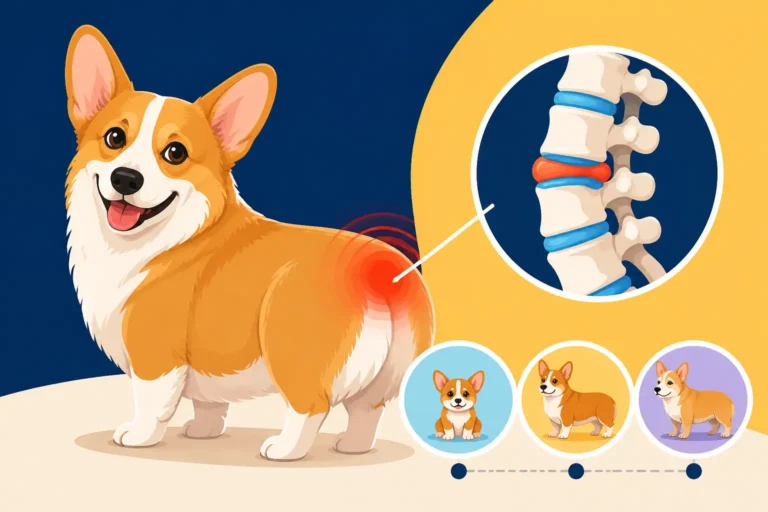
Proper nutrition from day one is paramount for your Corgi puppy's growth and development. During your vet visits, you'll receive guidance on appropriate puppy food, portion sizes, and feeding frequency. Corgis are notoriously food-motivated and can easily become overweight, which can put undue strain on their already long backs and short legs, contributing to conditions like Disc Disease in a Long-Backed Corgi. Your vet will help you understand how to achieve and maintain The Body Condition Score a Corgi Should Hold, advising on whether your puppy is growing appropriately, or if adjustments to their diet are needed. They'll emphasize the importance of measured meals over free-feeding and how to incorporate treats wisely.
In addition to diet, these visits are key opportunities to discuss exercise and safe play. While puppies need activity, excessive jumping or rough play, especially for a breed predisposed to back issues, needs to be managed carefully. Your vet can offer advice on appropriate puppy exercise levels and how to protect their developing joints and spine. They'll also touch upon dental care, which should ideally begin in puppyhood. Early exposure to tooth brushing can prevent significant Corgi Dental Disease later in life. Establishing these healthy habits now will serve your Corgi well throughout their The Twelve to Fifteen Year Corgi Lifespan.
Observing Early Behavioral Cues
Puppy vet visits aren't solely about physical health; they're also a chance to discuss your Corgi's behavior. Your vet or vet tech can offer initial advice on crucial puppy milestones like house-training, socialization, and managing common puppy behaviors like nipping or chewing. Corgis are intelligent, independent, and can be quite opinionated, so understanding their breed-specific traits from the start is helpful. Are they showing signs of shyness or aggression? Are they overly anxious when left alone? These are all important observations to share with your vet.
Early socialization is a critical window in a puppy's development, typically between 3 and 16 weeks of age. Your vet can advise on safe ways to socialize your Corgi puppy before their full vaccination series is complete, such as supervised interactions with healthy, vaccinated adult dogs or attending carefully managed puppy classes. Addressing behavioral concerns early can prevent them from escalating into more significant problems down the line, ensuring your Corgi grows into a well-adjusted and happy adult. They might also discuss things like crate training and positive reinforcement techniques, which are invaluable for Corgi puppies.
Cultivating a Strong Relationship with Your Veterinary Team
Perhaps the most underrated aspect of your Corgi puppy's early vet visits is the establishment of a strong, trusting relationship with your chosen veterinary clinic. This isn't just about transactional appointments; it's about finding a healthcare partner for your Corgi's entire life. A good vet and their team will get to know your Corgi as an individual, understanding their personality, health history, and your specific concerns. This relationship becomes even more important as your Corgi ages and potentially faces age-related challenges, such as those that might arise in The Corgi Years When the Back End Gives Out.
Don't hesitate to interview a few clinics before settling on one. Look for a team that is not only medically competent but also communicative, empathetic, and willing to educate you. They should make you feel comfortable asking questions and should clearly explain treatment options and preventative care. Having a vet who truly understands the unique needs of Corgis and is proactive about preventative care, especially concerning their back health and weight management, is invaluable. Consider discussing pet insurance options with your vet's office too, as early enrollment with a provider like Healthy Paws can provide immense financial relief should unexpected health issues arise down the line, covering emergencies, illnesses, and even some accidents. Building this partnership from the start will ensure your Corgi receives consistent, high-quality care throughout their life.
Disclaimer
This article is intended for informational purposes only and does not constitute professional veterinary advice. Always consult with a qualified veterinarian for any health concerns or before making any decisions about your Corgi's medical care. Individual needs may vary.