Telling a Pembroke From a Cardigan on Sight
It's easy to fall head over heels for the Corgi, with their endearing smiles, spirited personalities, and those famously short legs. But for many admirers and even new owners, a common puzzle remains: how do you tell the difference between a Pembroke Welsh Corgi and a Cardigan Welsh Corgi? While both are undeniably Corgis, they are actually two distinct breeds with clear visual cues that, once you know them, become remarkably easy to spot. This guide will walk you through those tell-tale signs, turning you into a Corgi connoisseur in no time.
The Unmistakable Tail Difference
When trying to tell a Pembroke from a Cardigan, the first place your eyes should go is straight to the tail. This is hands down the most reliable and immediate identifier. It's like their personal flag, signaling their lineage before they even take another step.
Pembroke's Signature Bobtail or Docked Tail
If you've spent any time admiring Corgis online or at the dog park, chances are you’ve seen more Pembrokes than Cardigans. The vast majority of Pembrokes you encounter will sport a very short tail, often just a stub, or no tail at all. This isn't usually natural; historically, Pembroke Welsh Corgi tails were docked when they were puppies. This practice stemmed from their working heritage, where a shorter tail was thought to prevent injury while herding cattle. While the trend for docking has thankfully lessened in many places due to welfare concerns and changing legalities, it remains a common sight.
It’s worth noting, however, that some Pembrokes are born with a naturally short tail, known as a natural bobtail. This is due to a specific gene, but it's not as common as the docked tail was. Whether natural or docked, if you see a Corgi without a long, flowing tail, you're almost certainly looking at a Pembroke. Imagine seeing a little fluffy potato running around, and then looking for that tiny wiggle butt – that's often your Pembroke! It's a key point of discussion for many prospective owners, as Whether Corgi Tail Docking Is Still Legal Here is a question that pops up quite a bit.
Cardigan's Long, Brush-Like Tail
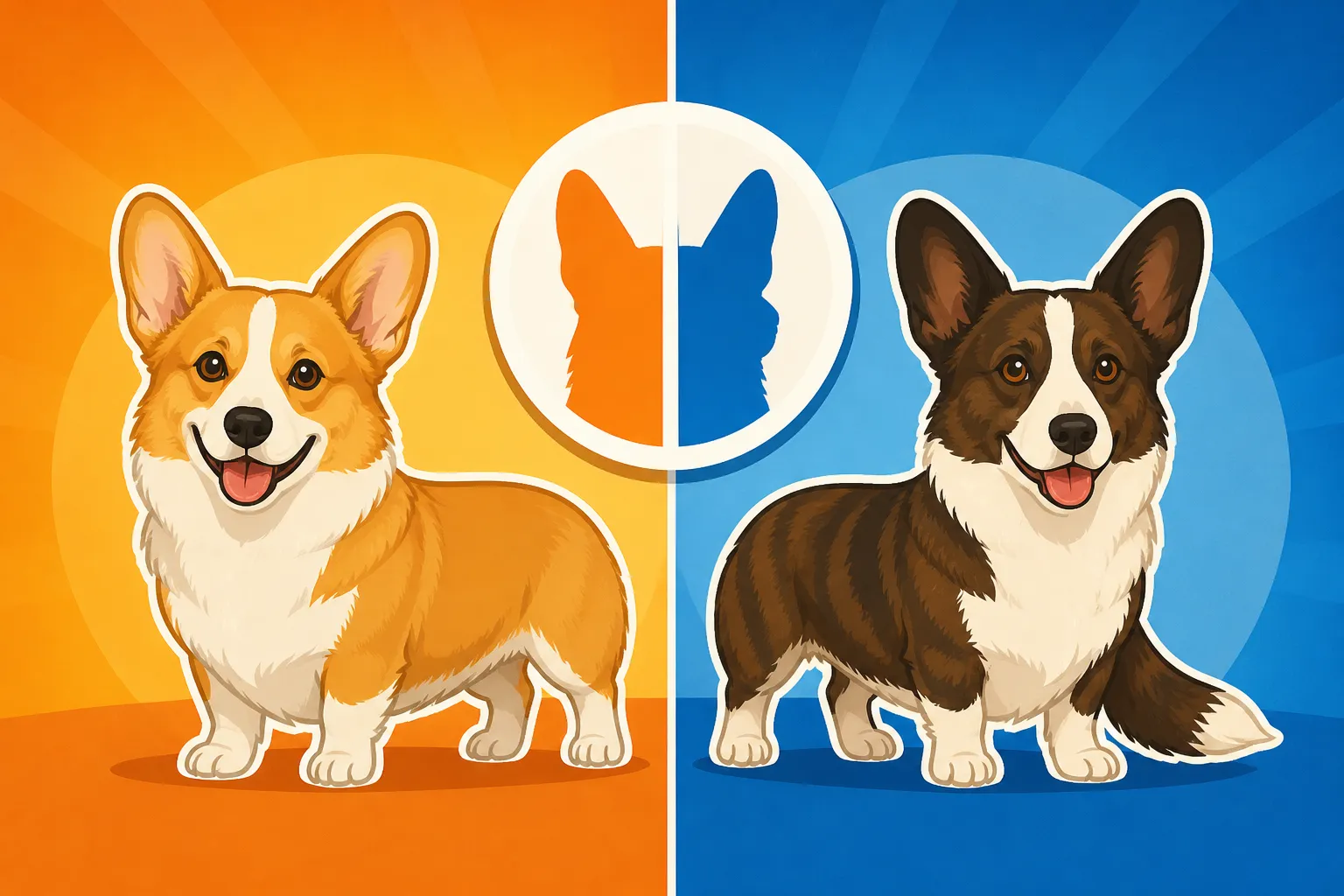
Now, shift your focus to the Cardigan Welsh Corgi, and you’ll immediately notice their proud, fox-like tail. Cardigans always have a full, undocked tail. It's a distinguishing feature that's integral to their breed standard. Their tails are long and well-furnished, often described as brush-like, and they are carried low when relaxed. When a Cardigan is excited or moving, that tail might be carried higher, perhaps even flagged over their back, but it should never curl tightly like some spitz breeds.
Think of it this way: if you see a Corgi with a majestic, flowing plume waving behind them, you've found a Cardigan. This tail is not just for show; it's believed to have played a role in their herding duties, acting as a rudder to help them turn quickly while working cattle. For owners of Cardigans, maintaining that beautiful tail means a bit of extra grooming. You might find yourself regularly brushing out the feathering on their tails, perhaps with a good detangling spray from a place like Chewy, to keep it free of mats and looking its best.
Distinctions in Head, Ears, and Facial Features
Beyond the tail, the next set of visual clues to differentiate Pembrokes and Cardigans lies in their heads, ears, and overall facial expressions. While both have that unmistakable Corgi charm, there are subtle yet significant differences that become clear with a bit of practice. The Corgi Head and Ear Set is a really fascinating area for those who love breed specifics.
Pembroke's Foxy Head and Pointed Ears
The Pembroke Welsh Corgi typically has a more refined, foxy appearance to its head. Their muzzle tends to be somewhat tapered, giving them a slightly more pointed look compared to their Cardigan cousins. Think of a nimble fox – that's the general impression. Their ears are usually erect, moderately sized, and come to a distinct point. They are set fairly close together on the head, creating an alert and intelligent expression.
When you look at a Pembroke, you'll often see eyes that are keen and lively, contributing to that bright, "foxy" demeanor. If you were to compare two Corgis side-by-side, the Pembroke's head might appear a touch lighter and more delicate in proportion to its body. This distinct head shape is a hallmark of the breed and contributes significantly to their overall charming and often mischievous appearance.
Cardigan's Larger Head and Rounded Ears
In contrast, the Cardigan Welsh Corgi generally possesses a broader, more substantial head. Their muzzle might be a bit squarer and less tapered than a Pembroke's, giving them a more robust or "powerful" look. The most striking difference, however, lies in their ears. Cardigans have larger ears that are distinctly more rounded at the tips. These ears are also set wider apart on the head, almost giving them a slightly "owl-like" or more open facial expression.
The combination of the broader head and more rounded, wider-set ears gives the Cardigan a slightly softer, perhaps even more "serious" or thoughtful look than the Pembroke. It's not a dramatic difference that jumps out at you without knowing what to look for, but once you train your eye, it's quite clear. Imagine seeing a Corgi with those big, round, teddy-bear-like ears – that’s a strong indicator you’re looking at a Cardigan.
Variations in Body Build and Overall Proportions
While both breeds share the iconic long body and short legs, there are important distinctions in their overall build, bone structure, and how their bodies are proportioned. These differences speak to their separate histories and roles as working dogs.
Pembroke's Compact, Slightly Lighter Build
The Pembroke Welsh Corgi, while sturdy, is generally considered to be slightly lighter in bone and more compact than the Cardigan. They tend to have a slightly shorter back in proportion to their height, giving them a somewhat more "square" appearance overall, though they are still decidedly long and low. Think of them as a well-muscled, agile little herding torpedo. Their frame is built for quick turns and nimble movements.
This lighter build often translates to a slightly lower typical weight range for Pembrokes compared to Cardigans. While both breeds need careful weight management to protect their backs, a Pembroke might feel a bit more athletic and less bulky in your arms. When considering a Corgi, understanding these physical nuances can help you appreciate why Why Corgi Weight Is a Spinal Problem is such a crucial topic for both breeds, and how important proper nutrition is, regardless of their subtle build differences.
Cardigan's More Robust, Longer Body
The Cardigan Welsh Corgi, on the other hand, is known for being more robust, heavier in bone, and noticeably longer in body than the Pembroke. This gives them a more substantial, almost "brick-like" or "tanky" appearance. Their length-to-height ratio is generally greater, meaning their bodies appear significantly longer relative to their short legs. This sturdier build allowed them to be powerful workers on the farm, capable of handling rougher terrain and more physically demanding tasks.
If you were to lift both a Pembroke and a Cardigan of similar size, you would likely feel the Cardigan's greater heft and bone density. This heavier build also means that What a Pembroke Weighs Against a Cardigan will often show the Cardigan coming in at a higher average weight. This sturdy frame, combined with their longer tail, gives the Cardigan a distinctly different silhouette that, once you're accustomed to it, is quite easy to spot. This robust construction is a testament to their ancient lineage as a hardy herding dog.
Coat Colors and Patterns
The final, and sometimes most dazzling, way to tell these two breeds apart is by looking at their coats, specifically the range of colors and patterns they can display. This is where Cardigans truly stand out, offering a wider and more exotic palette.
Pembroke's Classic Reds, Sables, Fawn, and Black & Tan
Pembroke Welsh Corgis come in a beautiful, but somewhat more limited, range of colors. The most common and recognizable colors include:
- Red: This can range from a light golden red to a deep, rich fox-red.
- Sable: A fascinating color where red hairs are tipped with black, creating a shaded appearance. It can look very dramatic.
- Fawn: A lighter, paler shade of red, sometimes almost cream.
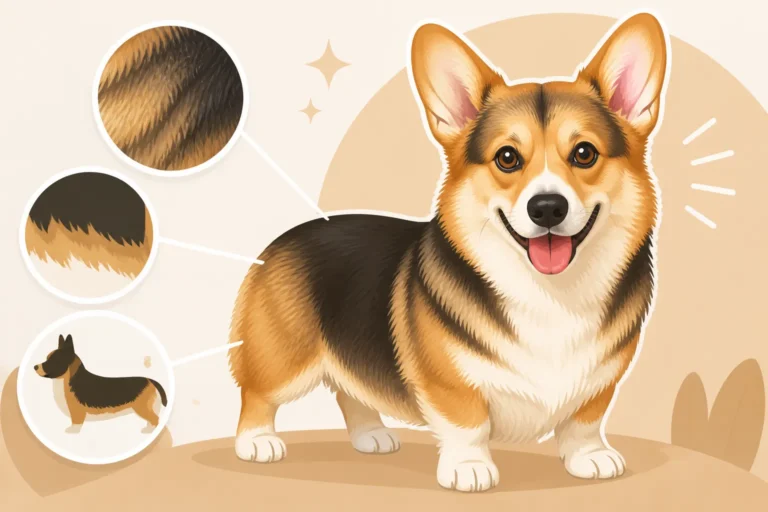
- Black & Tan: A striking combination where the body is black with tan points on the face, chest, and legs.
Most Pembrokes also have white markings, which are typically found on the legs, chest, neck (often as a partial or full collar), and sometimes a blaze on the face. One charming and often debated marking is the "fairy saddle" – a pattern of white or lighter hair across their shoulders. Where the Corgi Fairy Saddle Legend Comes From delves into the lovely folklore surrounding this distinctive marking. The overall impression of a Pembroke's coat is generally quite uniform within its color group, with clean, defined white areas.
Cardigan's Wider Color Palette, Including Merle
The Cardigan Welsh Corgi boasts a much wider and more varied array of coat colors and patterns. While they can certainly come in the same reds, sables, fawns, and black & tans as Pembrokes, what truly sets them apart is the presence of merle.
- Blue Merle: This is perhaps the most iconic Cardigan-exclusive color. It's a striking pattern of black patches or spots on a lighter, often silver-blue or grey background. Blue merle Cardigans often have blue eyes, or sometimes even one blue and one brown eye (known as heterochromia), which adds to their unique appeal.
- Red Merle: Similar to blue merle, but with red patches on a lighter cream or fawn background.
- Brindle: A beautiful tiger-stripe pattern of dark stripes over a lighter background. This can appear in various base colors, such as black brindle, red brindle, or fawn brindle.
White markings on Cardigans can also be more extensive than on Pembrokes. While Pembrokes usually have defined white patches, Cardigans might have larger areas of white, sometimes even covering significant portions of their body. The presence of blue merle, red merle, or brindle is a definitive, unassailable sign that you are looking at a Cardigan Welsh Corgi. The Extra Colors a Cardigan May Be is a testament to the stunning diversity within this breed's coat options. If you're ever unsure about which Corgi you're admiring, a merle coat is your ultimate clue!
Comparison at a Glance: Pembroke vs. Cardigan
To help solidify these differences in your mind, here's a quick summary of the key visual distinctions:
| Feature | Pembroke Welsh Corgi | Cardigan Welsh Corgi |
|---|---|---|
| Tail | Short or absent (docked or natural bobtail) | Long, full, brush-like (never docked) |
| Head Shape | More foxy, tapered muzzle | Broader, more substantial head, sometimes squarer muzzle |
| Ear Shape/Set | Pointed, erect, set closer together, moderately sized | Larger, more rounded at tips, set wider apart |
| Body Build | Slightly more compact, lighter bone, often shorter back | More robust, heavier bone, visibly longer body |
| Primary Colors | Red, Sable, Fawn, Black & Tan (with white markings) | Wider range, including Blue Merle, Red Merle, Brindle, plus all Pembroke colors (with white markings) |
| Eyes | Usually brown | Can be brown, blue, or one of each (especially in merles) |
Now that you're armed with these visual cues, you'll find it much easier to appreciate the unique characteristics of each type of Welsh Corgi. Whether it’s the foxy, bob-tailed Pembroke or the robust, long-tailed Cardigan with its dazzling merle coat, both breeds are truly captivating. Happy Corgi spotting!
Disclaimer
This article is for general informational purposes only and does not constitute professional advice. Laws, prices and regulations vary by location and change over time. Consult a qualified professional for guidance on your specific situation.