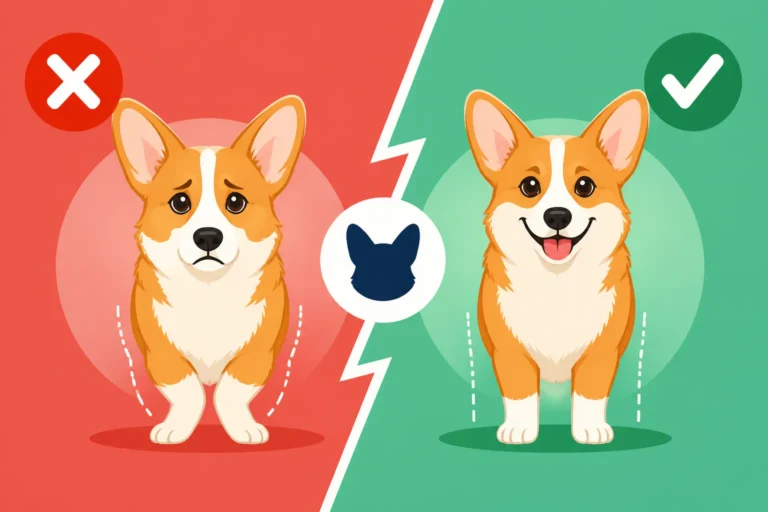
Bringing a Corgi Home to Another Dog
Bringing a new Corgi into a home where another dog already reigns supreme can feel like you're navigating a diplomatic summit. You're probably picturing a joyful, instant bond, but the reality often involves territorial squabbles, a bit of nipping, and figuring out how two distinct canine personalities will merge. This guide is here to walk you through how to introduce a Corgi to an existing dog, aiming for a peaceful, happy multi-dog household from day one.
Understanding the Corgi Temperament Around Other Dogs
Corgis are charismatic, intelligent, and often surprisingly assertive for their size. Their history as herding dogs means they come with a unique set of traits that can significantly influence how they interact with other canines. It’s crucial to understand these inherent qualities before you even bring your new Corgi home, as they'll shape your approach to introductions and ongoing management.
The Herding Instinct and Its Impact
That strong, centuries-old herding instinct isn't just for cattle anymore; it often translates to other dogs, people, and anything that moves. A Corgi might try to "herd" your existing dog, especially if the resident dog is playful, energetic, or prone to running. This can manifest as nipping at heels, circling, or even body-slamming to direct movement. While it's part of their nature, it can be annoying or even intimidating for a dog not used to it, potentially leading to friction. Imagine your calm older Labrador suddenly being subjected to a tiny, furry drill sergeant. It takes patience and consistent redirection to teach your Corgi what is and isn't appropriate in a domestic setting. You might find yourself needing to read up on The Cattle-Driving Nip a Corgi Still Has to fully grasp this behavior.
Corgi Confidence and Potential Bossiness
Despite their short stature, Corgis are rarely timid. They often possess a bold, confident demeanor that can sometimes border on bossiness, especially if they perceive a vacuum in leadership or want to assert their place. This isn't necessarily aggression, but more of a "I'm in charge here!" attitude. When introducing a Corgi to another dog, be prepared for this personality to emerge. Your new Corgi might try to take over prime napping spots, demand attention, or even guard toys or food more fiercely than you'd expect. Understanding this trait allows you to intervene early and ensure both dogs feel secure and respected in the household hierarchy, without letting the Corgi become a tyrannical dictator. It’s all about balanced leadership from you, the human.
Managing Size Discrepancies
Bringing a Corgi home means dealing with a dog that sits low to the ground but often has a sturdy build. If your existing dog is much larger, you might worry about accidental injury during play. Conversely, a Corgi's confidence can sometimes lead it to challenge much larger dogs, oblivious to the size difference. This can be a recipe for trouble if not managed carefully. The smaller stature of a Corgi also means they can easily dart under furniture or get into tight spaces that a larger dog cannot, which can create a frustrating dynamic if one dog feels constantly outmaneuvered. You'll want to think about how they interact physically and how to create safe play scenarios, remembering that A Corgi Playing With a Dog Three Times Its Size needs careful supervision.
Preparing Your Home for the New Introduction
The key to a smooth introduction lies in thoughtful preparation. You wouldn't throw two strangers into a tiny room and expect them to become best friends instantly, and the same goes for dogs. Creating a structured, safe environment before your new Corgi even walks through the door can significantly reduce stress and prevent negative first impressions.
Setting Up Safe Spaces and Boundaries
Before your Corgi arrives, designate separate, secure spaces for each dog. This might mean having one dog crated in a quiet room, or setting up baby gates to divide living areas. Each dog needs their own bed, food and water bowls, and toys in their designated "safe zone." This isn't just for initial introductions; these safe spaces should remain available long-term, offering a retreat when either dog needs alone time or quiet. For instance, you could set up a cozy crate from a brand like Chewy with a comfortable bed and some engaging chew toys for your resident dog in one room, and prepare another area for your new Corgi. These separate areas prevent forced interactions and allow them to decompress and observe each other from a distance, reducing the pressure to bond immediately. Thinking about Setting a House Up for a Corgi Puppy can give you more ideas on how to arrange these spaces effectively.
Scent Swapping Before the Big Meet
One of the most effective pre-introduction techniques is scent swapping. Dogs communicate heavily through scent, and familiarizing them with each other's smell before they meet face-to-face can help temper initial curiosity or anxiety. Before your Corgi comes home, take a blanket or towel that has the resident dog's scent and place it in the new Corgi's designated area (or vice versa if you pick up the Corgi from a breeder or rescue). Let them sniff and investigate these items without pressure. Observing their reactions can also give you clues about how they might feel about each other – a relaxed sniff is a good sign, while a growl or avoidance might suggest a more cautious approach is needed. Repeat this process for a few days, gradually moving the scented items closer to each other's sleeping areas, but still keeping the dogs separate. This subtle introduction builds a foundation of familiarity.
Essential Supplies for Both Dogs
Having all the necessary supplies ready helps avoid any resource guarding issues from the start and ensures both dogs feel well-cared for. This means not just enough food and water bowls, but ideally, separate sets to avoid competition. You'll need leashes, collars, and harnesses for walks, preferably different colors or styles to easily distinguish them. Stock up on individual, high-value chew toys and puzzle feeders to keep each dog occupied in their own space. Consider purchasing new beds, even if your resident dog has one, so the new Corgi has something that's unequivocally "theirs." Shopping for these items from a pet supply retailer like Chewy can be convenient, as they offer a wide range of options for every dog's needs. Don't forget plenty of training treats for positive reinforcement during introductions. Preparing these items demonstrates that there's enough for everyone and nobody needs to compete.
Here's a quick comparison of preparation vs. introduction phases:
| Phase | Goal | Key Activities | Why It's Important |
|---|---|---|---|
| Preparation | Minimize stress, establish boundaries | Create separate safe spaces, scent swap, gather supplies | Prevents immediate conflict, builds familiarity |
| Introduction | Facilitate positive first interactions | Neutral territory meet, supervised play, monitor body language | Establishes a foundation for a peaceful relationship |
The Introduction: A Step-by-Step Approach
Once your home is prepared and both dogs are somewhat familiar with each other's scent, it's time for the real introduction. This process should be calm, controlled, and always supervised, building up interactions gradually to set everyone up for success. Rushing this stage is often where problems begin, so take your time and follow these steps.
Neutral Territory First Meetings
The very first face-to-face meeting should always happen on neutral territory, away from either dog's perceived "turf." A quiet park, an empty street, or a friend's fenced yard that neither dog has claimed is ideal. Both dogs should be on leashes, handled by separate people who can calmly manage them. Keep the leashes loose; tension on the leash can transfer to the dog and create anxiety. Start by walking them parallel to each other at a distance, allowing them to notice each other without direct interaction. Gradually decrease the distance, letting them sniff briefly if they show positive, relaxed body language. The goal isn't immediate play, but a calm, non-confrontational acknowledgment. Keep it short and positive, ending before either dog gets overstimulated or stressed. This initial positive impression is incredibly valuable for building trust.
Supervised Indoor Interactions
After successful neutral territory meetings, you can move to supervised indoor interactions in your home, but still with careful management. Keep both dogs leashed initially, or at least have a leash handy. Let them sniff around the same room, always with a barrier or handler between them if there's any tension. Provide positive reinforcement (treats, praise) for calm behavior. Short, positive interactions are key. Don't force them to play or interact if they're not ready. As they seem more comfortable, you can allow brief periods off-leash in a secure, dog-proofed area, but stay vigilant. Watch closely for signs of stress, fear, or aggression, such as stiff body language, growling, excessive licking of lips, or averting eyes. If things get too intense, calmly separate them back into their safe spaces. A Corgi That Herds a Toddler might give you an idea of how easily Corgis can try to take charge, so keep an eye out for herding attempts towards your resident dog.
Gradual Integration and Monitoring
True integration is a gradual process that can take weeks or even months. During this phase, you'll slowly increase their time together, always supervised, and introduce shared activities. Feed them in separate rooms or crated initially, then gradually move bowls closer, always monitoring. Supervise play, ensuring it remains balanced and fair. If one dog consistently dominates or bullies, you may need to interrupt and redirect, or separate them for a break. Continue to provide individual attention to both dogs so neither feels neglected or jealous. Establish clear rules and boundaries for both dogs from the start. For example, if your resident dog isn't allowed on the sofa, neither is your Corgi, at least not without your invitation. Consistent monitoring of their body language is crucial. It’s not just about stopping fights; it’s about reading the subtle cues that tell you if they are happy, stressed, or uncomfortable. You might also want to look at articles like Getting a Corgi Puppy Used to the World for broader socialization tips that apply to multi-dog households.
Addressing Common Challenges and Ensuring Harmony
Even with the best preparation, bringing a new Corgi home can present some unique challenges. It's not always a seamless transition, and acknowledging potential roadblocks means you can address them proactively and effectively, maintaining a harmonious home for everyone.
Dealing with Resource Guarding
Resource guarding is a common issue when a new dog enters the picture, and Corgis, with their confident nature, can sometimes be prone to it. This might involve guarding food bowls, favorite toys, sleeping spots, or even your attention. To minimize this, always feed dogs separately, ideally in their crates or different rooms. Pick up all toys when you're not actively supervising playtime, especially if they're high-value items. When giving treats, offer them simultaneously to both dogs to prevent competition. If you notice signs of guarding – a stiff posture, growling, snapping over an item – intervene calmly by redirecting or removing the item. Never punish guarding, as this can escalate the behavior. Instead, work on positive association: approach, toss a high-value treat, and walk away. This teaches them that your presence around their resources means good things happen. If the problem persists, consulting a professional trainer is highly recommended, as unchecked resource guarding can lead to serious conflicts. Understanding specific behaviors like A Corgi That Guards Its Food Bowl can provide more targeted advice.
Managing Excessive Nipping or Herding
As we discussed, Corgis have that strong herding instinct. While charming in theory, nipping at your other dog's heels, circling them relentlessly, or using their body to push them around can be incredibly annoying or even painful for the recipient. It's crucial to manage this from the outset. When you see your Corgi engaging in unwanted herding behavior, immediately redirect their attention with a verbal cue or a high-value toy. Teach them alternative, acceptable play behaviors. Interactive toys, especially those from brands like Chewy, can provide a great outlet for their energy without involving your other dog in unwanted herding games. Incorporate obedience training to reinforce impulse control, teaching commands like "leave it" or "come." Regular, structured exercise also helps burn off that excess herding energy. If your Corgi is constantly trying to "organize" your other dog, it might be a sign they need more mental stimulation or appropriate outlets for their instincts. Sometimes, separating them for short "time-outs" can help reset the dynamic.
When to Seek Professional Help
There are times when despite your best efforts, the dynamics between your Corgi and your resident dog just aren't clicking, or worse, are escalating into concerning behaviors. If you're seeing persistent aggression, frequent fights, injuries, severe resource guarding that you can't manage, or if one dog is consistently showing signs of extreme stress or fear, it's time to call in a professional. A certified professional dog trainer or a veterinary behaviorist can assess the specific situation, identify underlying causes, and develop a tailored plan to help your dogs coexist peacefully. They can offer insights into canine body language you might be missing and provide practical strategies for managing behavior. Don't feel ashamed to seek help; it's a responsible choice that prioritizes the safety and well-being of all your furry family members. Sometimes, an objective expert eye is exactly what's needed to unlock harmony in your home. This might also be helpful if you find Whether Two Corgis Bark Twice as Much is becoming an issue.
Ultimately, bringing a new Corgi into a home with another dog is a journey, not a sprint. It requires patience, consistency, and a deep understanding of Corgi traits and general dog behavior. With careful planning, gradual introductions, and ongoing management, you can foster a loving environment where both your dogs thrive.
Disclaimer
This article is for general informational purposes only and does not constitute professional advice. Laws, prices and regulations vary by location and change over time. Consult a qualified professional for guidance on your specific situation.