Emergency Signs of a Corgi Disc Injury
It’s a nightmare scenario no Corgi parent wants to imagine: your bouncy, low-riding companion suddenly lets out a yelp, stumbles, or refuses to budge. Disc injuries are an unfortunately common and incredibly painful reality for these long-backed, short-legged dogs, often leaving us feeling helpless and terrified about what to do next. This comprehensive guide is here to equip you with the knowledge to recognize the critical emergency signs of a Corgi disc injury, helping you act swiftly and appropriately to give your furry friend the best chance at recovery and a comfortable life.
Understanding Corgi Disc Injuries
Before we dive into the emergency signs, it's really helpful to understand why Corgis are so prone to these issues. It's not just bad luck; it's a fundamental aspect of their beloved breed characteristics. Knowing this can help you be more vigilant.
The Unique Corgi Spine Anatomy
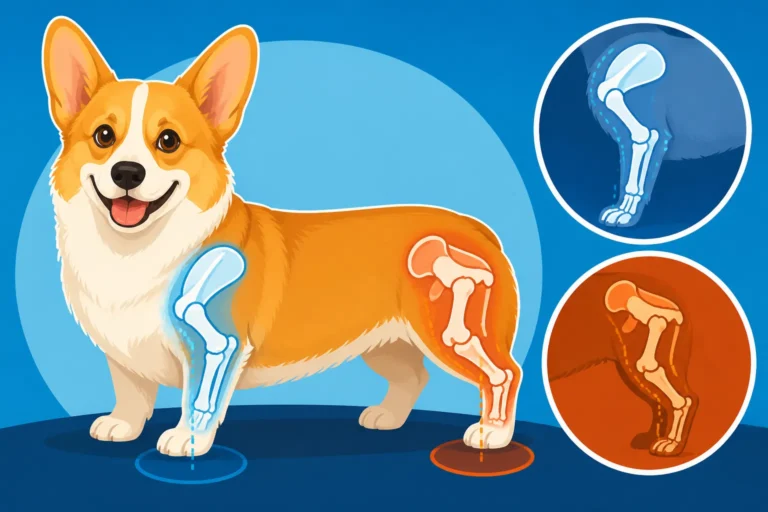
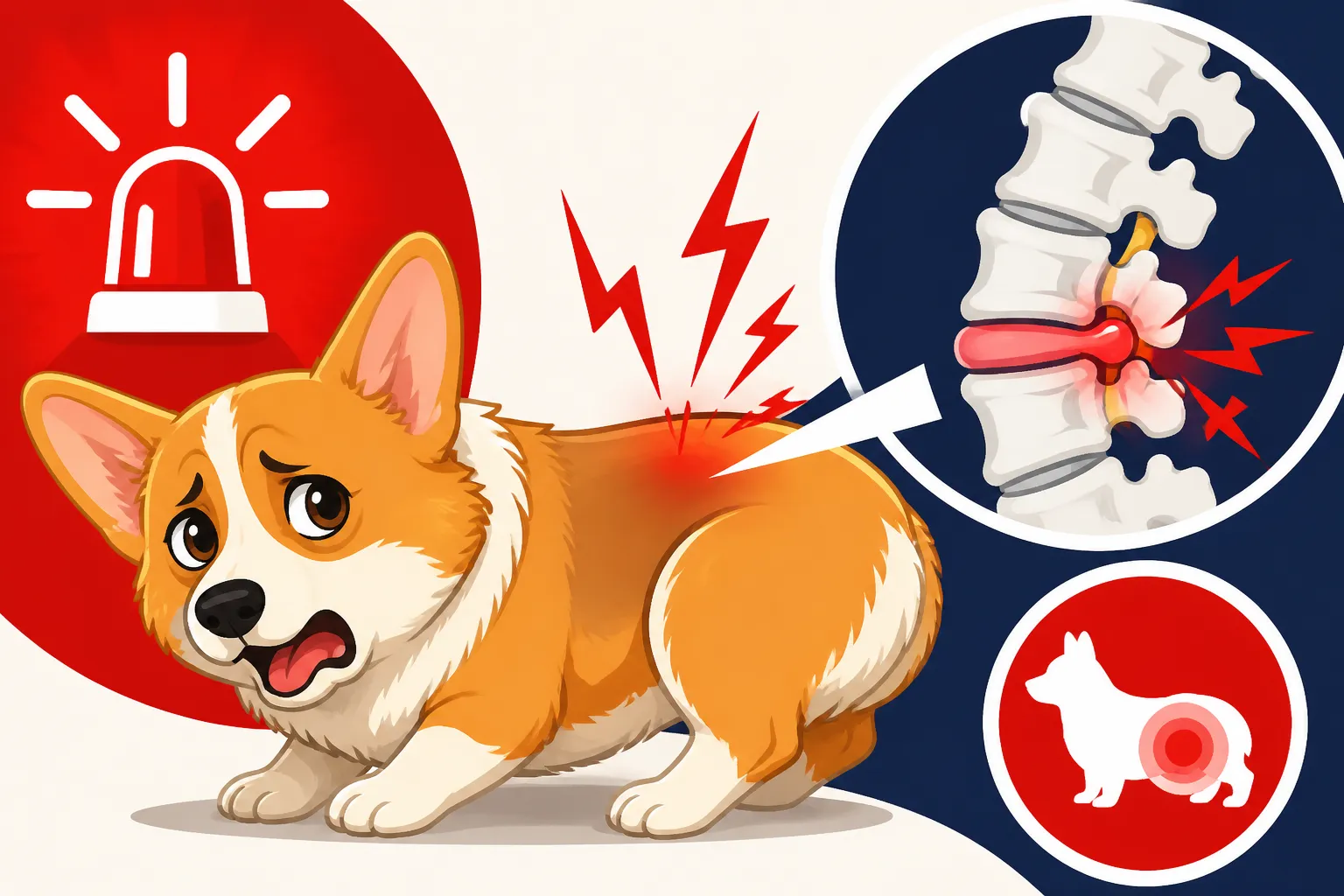
Corgis, whether you share your home with a spirited Pembroke Welsh Corgi or a calm Cardigan Welsh Corgi, are undeniably adorable with their long bodies and stubby legs. However, this very conformation, known as chondrodystrophy, is what makes their spines particularly vulnerable. Unlike other dogs, Corgis (and breeds like Dachshunds and Basset Hounds) have intervertebral discs that harden prematurely, often calcifying by the time they're just a few years old. These discs, which normally act as shock absorbers between the vertebrae, become brittle and less flexible. This process means they can rupture or herniate with far less trauma than you might expect, leading to the condition known as Intervertebral Disc Disease (IVDD). It’s a silent, progressive change that happens under the surface, making their backs a constant area of concern for responsible owners.
Common Causes of Disc Rupture
A Corgi disc injury isn't always the result of a single, dramatic event like a bad fall. While such incidents can certainly trigger an acute crisis, more often, it’s the cumulative effect of everyday activities on an already compromised spine. Imagine your Corgi's enthusiasm: a sudden twist while playing fetch, a quick pivot to herd a family member, or that all-too-common leap from the sofa to greet you. Each of these actions, even seemingly minor ones, can put immense pressure on those brittle discs. The Jump That Ruptures a Corgi Disc is a well-known scenario for a reason. Stairs, rough play with other dogs, or even being picked up incorrectly can also contribute to disc herniation. The underlying genetic predisposition, combined with these biomechanical stresses, creates a perfect storm for spinal issues in Corgis. Even the most careful owner can't always prevent it, making vigilance and quick action paramount.
Subtle Early Warning Signs to Watch For
It's natural to panic when you see obvious distress, but often, a Corgi will display more subtle signs long before a full-blown emergency. Learning to recognize these quiet cues can be absolutely critical in getting early treatment and potentially preventing a more severe outcome. Don’t dismiss slight changes as just "being dramatic" or "getting older."
Changes in Movement and Posture
One of the first indicators that something isn't right with your Corgi's back is a change in their normal movement or how they hold themselves. You might notice them being a little stiffer, perhaps hesitant to jump onto furniture they once easily scaled, or showing reluctance to go up or down stairs. Their usual bouncy gait might become subdued, or you might spot a slight wobble, a subtle drag of a back paw, or a general awkwardness in their hind end. Sometimes, a Corgi experiencing early disc pain might carry their head in an unusual, rigid position, or walk with a hunched back, trying to guard their spine from movement. If you notice your Corgi starting to scuff their back nails, or their back legs crossing over each other when they walk, these are classic, subtle signs of nerve compression, indicating they're not lifting their feet properly. These small shifts are your Corgi’s way of saying, "I'm hurting," even if they're not overtly vocalizing pain. These symptoms are often the initial indicators of Disc Disease in a Long-Backed Corgi.
Behavioral Shifts and Pain Cues
Beyond physical movement, a Corgi’s behavior can offer vital clues. A normally outgoing and playful Corgi might become withdrawn, preferring to isolate themselves in a quiet corner rather than engaging in their usual antics. They might resist being picked up, or even cry out with a sharp yelp if you touch a particular spot on their back or chest, a clear sign like A Corgi That Cries When Lifted Under the Chest. Some Corgis become restless, unable to find a comfortable position, constantly shifting, sitting, or standing, or perhaps panting more than usual even when not hot or active. Conversely, some might become uncharacteristically still, afraid to move. You might also notice a general reduction in their usual zest for life – less enthusiastic tail wags, a disinterest in their favorite toys, or even a noticeable shift in their demeanor towards grumpiness or irritability, simply because they are in chronic pain.
Appetite and Potty Habit Alterations
While these symptoms aren't exclusively tied to spinal issues, when combined with other signs, changes in appetite and potty habits can indeed point to a disc injury. A Corgi in pain might lose interest in food or water, which can quickly lead to dehydration. More directly related to spinal health, nerve compression can affect the signals sent to the bladder and bowels. In the initial stages, this might manifest as slight difficulty posturing to urinate or defecate, or perhaps a mild, transient incontinence – a small dribble of urine when they stand up, or straining slightly to have a bowel movement. These could be subtle indicators of early nerve involvement. Any unexplained alteration in these routines, particularly when accompanied by other signs of discomfort or mobility changes, warrants a call to your veterinarian.
Clear Emergency Symptoms Demanding Immediate Attention
When a disc injury is severe or progresses rapidly, the signs become much more dramatic and unmistakable. These are the moments when you absolutely must act without delay, as waiting can lead to irreversible damage.
Sudden Weakness or Paralysis
This is often the most terrifying and unmistakable sign of a severe disc injury. One moment your Corgi might be walking, and the next, they are suddenly dragging their hind legs, or completely unable to move them at all. This can manifest as a pronounced wobbly gait where they lose control of their back end (ataxia), or a complete loss of motor function in one or both hind limbs. You might observe your Corgi trying to stand or walk, only to collapse repeatedly. This sudden, significant loss of mobility indicates severe spinal cord compression. While it most commonly affects the hind legs, depending on the location of the disc injury, it can also begin to impact the front legs in very severe cases. If your Corgi cannot stand, walk, or shows significant hind-end weakness, it is a critical emergency requiring immediate veterinary attention.
Severe Pain and Vocalization
While Corgis are generally tough and can hide discomfort, severe disc pain often breaks through their stoic nature. This level of pain usually manifests as continuous crying, yelping, or howling, even when they are at rest or not being touched. They might shiver or tremble uncontrollably, pant excessively (even in a cool environment), and be extremely reluctant to be touched anywhere, especially around their back, neck, or abdomen. Some dogs, overwhelmed by pain, may even become uncharacteristically aggressive if you try to examine or move them. Their eyes might appear wide, pupils dilated, indicating intense fear and agony. They may be unable to find a comfortable position, constantly shifting or standing rigidly, frozen in excruciating pain. This is acute suffering, and it demands immediate veterinary intervention for pain relief and diagnosis.
Loss of Bladder and Bowel Control
This symptom is perhaps the most serious and time-sensitive emergency sign of a Corgi disc injury. If your dog suddenly loses conscious control of their bladder or bowels, it indicates profound spinal cord compression that is severely impacting the nerves responsible for these vital functions. This isn't just an "accident" – it means the neurological signals from the brain to these organs have been interrupted. They might dribble urine constantly, be unable to urinate at all (leading to a painfully distended bladder), or pass feces without any awareness. When this occurs alongside weakness or paralysis, it’s a dire sign, demanding immediate veterinary intervention, often within a few hours. Prolonged compression affecting these nerves significantly increases the risk of permanent damage, potentially leading to irreversible incontinence even if motor function is partially recovered.
Why Time is Critical in Corgi Disc Injuries
When dealing with a Corgi disc injury, especially one presenting with emergency symptoms, every minute truly counts. This is not a situation where you can afford to "wait and see" for a day or even a few hours.
Preventing Irreversible Damage
The spinal cord is an incredibly delicate and vital pathway for all nerve signals. When a herniated disc compresses this cord, the nerve tissue begins to swell and can suffer irreversible damage. The longer that compression persists, the more extensive and permanent the neurological deficits can become. Imagine a garden hose that's severely kinked; the longer it remains that way, the harder it is for water to flow freely, and eventually, the hose itself can be damaged. Similarly, prolonged spinal cord compression can lead to nerve tissue death, resulting in permanent paralysis, chronic pain, and irreversible loss of bladder or bowel control. The critical window for successful treatment, whether through conservative management or surgery, often closes dramatically within the first 24 to 48 hours of severe neurological signs. Acting quickly can make all the difference between your Corgi potentially walking again and needing mobility aids like Carts and Wheels for a Corgi With DM for the rest of their life.
Improving Prognosis for Recovery
Early intervention directly correlates with a significantly better prognosis for recovery. Veterinarians often classify IVDD into grades, from mild pain (Grade 1) to complete paralysis with loss of deep pain sensation (Grade 5). The lower the grade at presentation and the quicker the treatment is initiated, the higher the likelihood of a positive outcome. For Corgis experiencing severe symptoms like paralysis, those who receive surgical intervention within 12-24 hours often have a much higher success rate and more complete recovery of motor function compared to those who wait longer. This prompt action helps to minimize secondary damage from inflammation and ensures the best chance for the spinal cord to heal. This is also where having a reliable pet insurance plan, such as one from Healthy Paws, can be incredibly valuable. It empowers you to make immediate decisions based on your Corgi's urgent medical needs rather than being constrained by the potential financial burden, ensuring they get the critical care without delay.
What to Do When You Suspect a Disc Injury
If you believe your Corgi has a disc injury, especially if you're observing any of the emergency signs, it's completely normal to feel overwhelmed and scared. However, maintaining your composure and taking immediate, decisive action is the absolute best thing you can do for your beloved companion.
Immediate Actions at Home
Your first priority is to restrict movement immediately. This is paramount to prevent further damage. Gently confine your Corgi to a small, secure space where they cannot jump, climb, or even walk much. A dog crate that allows them to lie down comfortably but not move excessively is ideal for this purpose. Handle your Corgi with extreme care, supporting their entire body, particularly their back. Avoid any bending, twisting, or jerking movements. If you must move them, try to slide them onto a flat, rigid surface, like a sturdy laundry basket, a cutting board, or a blanket you can use as a makeshift stretcher. Keep them warm and in a quiet environment to minimize stress. Crucially, do not offer human pain medications like ibuprofen, acetaminophen, or aspirin; these can be toxic to dogs and complicate any veterinary treatment. Your focus should be on gentle, supportive confinement and preparing for the vet.
Contacting Your Veterinarian
As soon as your Corgi is safely confined, call your regular veterinarian or the nearest emergency veterinary clinic without delay. Clearly describe your Corgi's symptoms, emphasizing any sudden onset of weakness, paralysis, severe pain, or loss of bladder/bowel control. Inform them that you suspect a disc injury and are on your way. This allows the veterinary team to prepare for your arrival, potentially having a neurologist or appropriate staff ready, and diagnostic equipment prepared. Be ready to drive there immediately. Having your Corgi's vet records, especially any recent medical history or previous back issues, readily accessible can also save precious time upon arrival. Remember, How Fast a Corgi Disc Injury Needs Treating is often measured in hours, not days. Don't hesitate to ask for clear directions to the emergency clinic if you're unsure of the fastest route.
Understanding the Vet Visit and Next Steps
Once you arrive at the veterinary clinic, a series of evaluations and discussions about treatment options will begin. This stage can feel incredibly stressful, but understanding the process can help you navigate it more effectively.
Diagnostic Procedures
Upon arrival, the veterinarian will conduct a comprehensive neurological examination. This hands-on assessment involves checking your Corgi's reflexes, assessing their pain response (including deep pain sensation if motor function is severely compromised), and evaluating their motor function and coordination. This helps the vet pinpoint the likely location and severity of the spinal cord compression. While X-rays can show abnormalities in bone structure, they typically aren't sufficient to definitively diagnose a soft tissue issue like a disc herniation. The gold standard for accurately diagnosing IVDD and pinpointing the exact location of the injury is advanced imaging, specifically an MRI (Magnetic Resonance Imaging) or sometimes a CT scan. These imaging techniques allow the veterinary team to visualize the soft tissues of the spinal cord and the intervertebral discs, precisely identifying which disc is affected and how severely it's compressing the spinal cord. Knowing What an MRI Shows in a Corgi Back can help you understand why this crucial, albeit costly, step is often necessary for proper treatment planning. Blood tests might also be performed to assess overall health and rule out other conditions, especially if surgery is being considered.
Initial Treatment Options and Prognosis
After diagnosis, your veterinarian will discuss the available treatment options. These generally fall into two main categories: conservative medical management or surgical intervention.
-
Conservative Management: For milder cases, or when surgery isn't an immediate option, this approach involves strict crate rest for an extended period, often 4-6 weeks or more. This means absolute confinement with minimal movement, only leaving the crate for short, leash-supervised potty breaks. Accompanying this are medications, typically anti-inflammatory drugs (steroids or NSAIDs) to reduce swelling, and pain relievers to manage discomfort. The goal is to allow the disc to stabilize and the inflammation around the spinal cord to subside. Successfully completing Crate Rest for a Corgi With a Bad Back requires immense dedication and patience from owners.
-
Surgical Intervention: For more severe cases, particularly those involving paralysis, significant pain, or loss of deep pain sensation, surgery is often the most effective, and sometimes the only, option. Spinal Surgery on a Corgi involves a specialized procedure where a veterinary neurologist or surgeon carefully removes the herniated disc material that is compressing the spinal cord. This is a complex and costly surgery, but it offers the best chance for recovery in acute, severe cases.
The prognosis varies widely depending on the severity of the injury, the speed of intervention, and crucially, whether deep pain sensation is still present. Discussing Whether a Corgi Recovers From a Disc Rupture with your veterinary team will help you establish realistic expectations. Recovery is often a lengthy process that may involve ongoing physical therapy. Financial considerations are also a major factor here, and having pet insurance from a provider like Healthy Paws can be invaluable in alleviating the stress of covering extensive emergency and rehabilitation costs, allowing you to focus on your Corgi's health.
Differentiating Disc Injury from Other Back Problems
It’s important to understand that while disc injuries are common, not every instance of back leg weakness or pain in a Corgi automatically means IVDD. There are other conditions that can present with similar symptoms, which is why a precise diagnosis from a professional is paramount.
Disc Injury vs. Degenerative Myelopathy (DM)
One of the most common differential diagnoses for hind-end weakness in Corgis is Degenerative Myelopathy (DM). While both can affect a Corgi's mobility, they are distinctly different conditions with varied causes and prognoses. A disc injury (IVDD) typically has a more acute or subacute onset, often accompanied by significant pain, and is caused by mechanical compression of the spinal cord. It can affect Corgis of various ages, though it's most common in middle-aged dogs. DM, on the other hand, is a progressive, incurable neurological disease that primarily affects older Corgis (typically 8 years or older). It's characterized by a slow, insidious onset of hind-end weakness and ataxia, but crucially, it is usually not painful. The progression of DM is gradual and relentless, while IVDD can show sudden, severe symptoms that may improve with appropriate treatment. Being able to distinguish between them, or at least knowing the signs, is why understanding Telling a Corgi's Slipped Disc From Myelopathy is so important. A DNA test can identify Corgis at risk for DM, but only a thorough neurological exam and advanced imaging like an MRI can definitively diagnose a disc injury.
Other Potential Causes of Hind End Weakness
Beyond disc injuries and DM, several other conditions can present with symptoms mimicking spinal problems, emphasizing the need for a comprehensive veterinary assessment. Arthritis, particularly in the hips (Corgi Hips and Front-End Structure) or knees, can cause chronic pain and reluctance to move. Muscle strains, ligament tears (such as a cranial cruciate ligament injury in the knee), or even certain types of tumors in the spine or surrounding soft tissues can also lead to pain and mobility issues. Less commonly, metabolic diseases, systemic illnesses, or even certain toxins can cause generalized weakness. Because these conditions require different diagnostic approaches and treatments, it highlights why a prompt visit to the veterinarian, followed by appropriate diagnostics, is the only way to accurately identify the underlying cause of your Corgi's symptoms and initiate the correct treatment plan to alleviate their pain, perhaps with Pain Relief for an Old Corgi's Back.
Recovery and Long-Term Care
The immediate crisis of a disc injury may pass, but the journey to full recovery and long-term management for a Corgi is often a marathon, not a sprint. It demands ongoing commitment, patience, and often significant lifestyle adjustments.
Rehabilitation and Physical Therapy
Whether your Corgi has undergone surgery or is being managed conservatively with strict crate rest and medication, rehabilitation and physical therapy are often crucial components of their recovery. This can involve a range of modalities, including hydrotherapy (using an underwater treadmill to build muscle and improve gait without weight-bearing stress), therapeutic exercises, massage, laser therapy, and acupuncture. These therapies are designed to rebuild muscle strength, improve coordination, reduce pain and inflammation, and stimulate nerve function. A certified veterinary rehabilitation specialist can develop a tailored program for your Corgi, guiding you through exercises and techniques you can practice at home. This dedicated, ongoing therapy significantly improves your Corgi's chances of a more complete and functional recovery, helping them regain as much mobility and independence as possible. It's a vital part of supporting their healing body and nervous system.
Environmental Adjustments for a Healthy Back
Living with a Corgi who has experienced a disc injury means making permanent changes to your home environment to protect their fragile back from future episodes. Ramps and steps become indispensable tools, allowing them safe access to furniture, beds, and vehicles without the risky impact of jumping. Eliminating slippery rugs or flooring that could cause them to lose their footing and twist their spine is also crucial. Investing in orthopedic beds provides better support for their spine and joints. Rigorous weight control is paramount; even a few extra pounds can exert immense additional strain on their already susceptible spine, as explored in Why Corgi Weight Is a Spinal Problem. Monitor their activity levels, avoiding high-impact games, vigorous jumping, or prolonged stair climbing. Even the way you pick up your Corgi needs careful consideration, ensuring you support their entire body, especially their back and hindquarters, to prevent any twisting motion. These adjustments aren't temporary measures; they are a lifelong commitment to safeguarding your Corgi's spinal health. You might also want to look into Paying for a Corgi's Ruptured Disc and considering Insuring a Corgi Before Its First Back Episode for future preparedness.
Comparison Table: Subtle vs. Emergency Signs of Corgi Disc Injury
Recognizing the difference between mild discomfort and a true emergency can be challenging. This table summarizes the key distinctions to help you assess your Corgi's condition quickly.
| Symptom Category | Subtle Signs (Monitor Closely, Call Vet Soon) | Emergency Signs (Immediate Vet Visit Required) |
|---|---|---|
| Pain Level | Restlessness, reluctance to move, mild yelps when touched, increased panting, guarding back, altered posture. | Continuous crying/yelping, severe trembling, extreme pain on touch, aggression due to pain, rigid body. |
| Mobility & Movement | Stiff gait, hesitant to jump/climb, slight wobble in hindquarters, scuffing back nails, reluctant to use stairs. | Sudden weakness in hind legs, dragging feet, inability to bear weight, uncontrollable wobbling, complete paralysis. |
| Behavioral Changes | Withdrawn, reduced play, grumpy demeanor, disinterest in food/treats, difficulty getting comfortable. | Extreme distress, inability to settle, frantic pacing, severe anxiety, profound listlessness. |
| Bodily Functions | Mild difficulty posturing for urination/defecation, occasional small, transient "accidents." | Complete loss of bladder/bowel control, constant dribbling urine, inability to urinate, involuntary defecation. |
| Overall Condition | General malaise, subtle changes over hours/days, reduced enthusiasm. | Rapid deterioration, profound distress, inability to stand/walk, collapse. |
No Corgi owner ever wants to face a disc injury with their beloved pet, but being prepared and knowing these critical signs can truly make all the difference in a crisis. Understanding your Corgi's unique vulnerabilities, recognizing both subtle and emergency symptoms, and having a plan for immediate action can save their health, their mobility, and ultimately, their quality of life.
Disclaimer
This article is intended for informational purposes only and does not constitute professional veterinary advice. Always consult with a qualified veterinarian for any health concerns or before making any decisions about your pet's medical care.