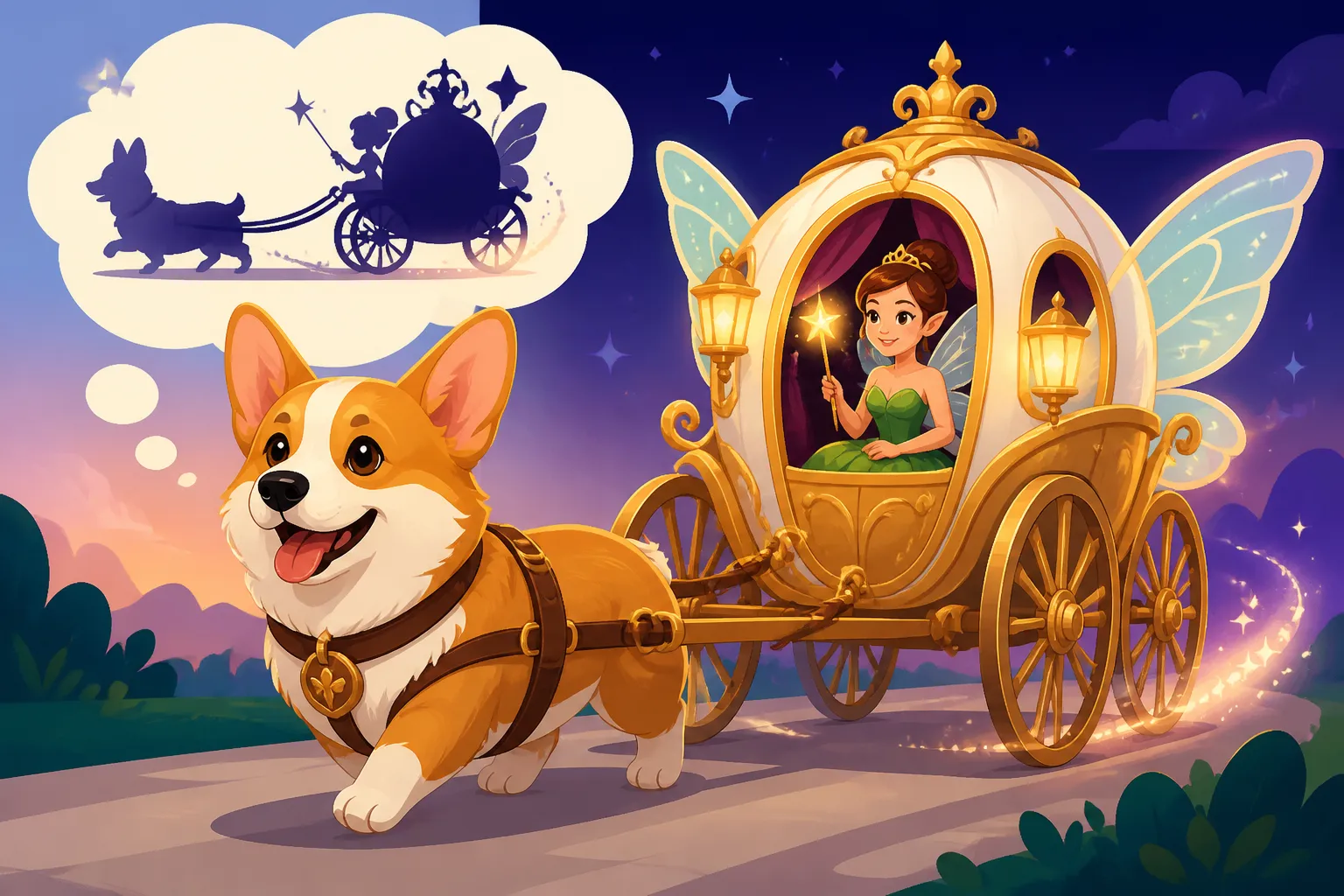
Whether Corgis Really Pulled Fairy Coaches
Many Corgi owners, myself included, have found themselves utterly charmed by the idea that these stubby-legged, big-eared wonders once pulled the coaches of fairies. It’s a delightful thought, almost as magical as their little fox-like faces. But beyond the whimsical tales, what's the real story? This guide dives deep into the enchanting folklore surrounding Corgis, exploring the origins of these myths and how our beloved companions truly earned their place in legend and our hearts.
The Enduring Allure of Corgi Folklore
There’s something about a Corgi that just screams "mythical companion." Perhaps it's their low-slung, sturdy build, or maybe it's the mischievous glint in their eyes. For centuries, these dogs have been woven into the fabric of Welsh folklore, becoming more than just working dogs; they transformed into creatures of magic and wonder in the imaginations of people. It’s easy to see how their unique appearance and spirited nature could spark such imaginative tales, making them figures of both practicality and pure enchantment.
Where the Fairy Saddle Legend Comes From
The most prominent and widely cherished Corgi legend is that they served as the steeds for fairies. Picture it: tiny, regal fairies, perhaps with shimmering wings, hitching up a pair of Corgis to miniature, ornate coaches, speeding through the Welsh countryside under the moonlight. The legend often points to the distinctive saddle-like markings found on the back of many Corgis – a darker patch of fur, often with lighter hairs around it, resembling a harness or saddle left by their mystical riders. This "fairy saddle" is a beautiful explanation for what is simply a natural coat pattern, but it gives an ordinary dog an extraordinary backstory.
This particular story resonates deeply because it gives a tangible, visible 'proof' to the myth. When you see a Corgi trotting by with those markings, it's hard not to imagine a tiny saddle having once rested there. It turns a genetic trait into a whisper of magic, connecting our modern pets to an ancient, whimsical world. It’s a story passed down through generations, endearing Corgis even further to those who appreciate a touch of fantasy in their everyday lives. You can delve more into these tales in The Fairy Saddle and Other Corgi Legends.
More Corgi Ties to the Mystical World
The fairy coach story isn't the only mythical role attributed to these charming dogs. Welsh folklore is rich with tales of Corgis being gifts from the fairy folk themselves, sometimes bestowed upon good-hearted children or farmers. In some versions, Corgis were not just carriers but were active participants in the magical realm, perhaps helping fairies herd their tiny livestock or guarding their secret treasures. Imagine your Corgi, curled up by the fire, secretly remembering its days guarding a fairy gold hoard!
These stories often depict Corgis as watchful, intelligent, and loyal companions to the mythical beings, traits that perfectly mirror their real-world characteristics as herding dogs. They weren't just decorative pets for the fairies; they were essential members of the magical community, reflecting the high regard in which these dogs were held by the Welsh people. Learning about Other Welsh Stories About Corgis reveals just how deeply ingrained Corgis are in the cultural narrative of Wales, far beyond their role as working farm dogs.
Deconstructing the Myth: Why Corgis Inspired Such Tales
It's clear that the Corgi's unique blend of physical attributes and personality traits made them perfect candidates for mythological status. They possess a certain undeniable charm and a distinct look that begs for an imaginative explanation. When you observe a Corgi, you see a creature that is both sturdy and graceful, capable of bursts of energy yet content to rest by your feet – qualities that could easily be interpreted as magical.
The Corgi's Physical Appearance as Inspiration
Think about the quintessential Corgi look: those short legs, long body, and alert, foxy head. This distinctive silhouette is instantly recognizable and quite different from most other breeds. Their low stature, while perfectly adapted for nipping at the heels of cattle, also makes them seem perfectly proportioned for pulling miniature carts. They look compact and powerful, like little engines ready to go. Their sturdy build, despite their small size, suggests a surprising strength, an attribute that would be essential for a working fairy steed.
Their expressive faces, with those often-pointed ears and intelligent eyes, also lend themselves to personification. It’s easy to imagine a Corgi understanding a fairy’s whispered command or casting a knowing glance as it pulls its magical cargo. The combination of their robust form and animated expressions surely fueled the imaginations of the Welsh, turning an ordinary farm dog into a creature of legend.
The Corgi's Ancient Roots and Working History
To truly understand why Corgis became associated with such powerful, albeit tiny, pulling tasks, we need to look at their original purpose. Corgis, specifically the Pembroke and Cardigan Welsh Corgis, were bred as formidable cattle-driving dogs. Their short stature wasn't a cute quirk; it was a highly functional adaptation that allowed them to nip at the heels of cattle without getting kicked. They were known for their bravery, intelligence, and agility in the fields. This history as a working dog demonstrates their inherent strength, stamina, and determination. The Cattle Dog Behind the Corgi were not dainty creatures; they were tough and tireless.
The image of a Corgi expertly maneuvering livestock, darting in and out with surprising speed and precision, would have been a common sight in rural Wales. This real-world capability of "driving" larger, heavier animals, even if by nipping rather than pulling, could easily have translated into the folklore of them "pulling" magical carriages. It’s a testament to their strength and spirit that such a small dog could command such respect, both on the farm and in the realm of myth.
Bringing the Magic Home: Embracing the Corgi Spirit
Today, while we no longer expect our Corgis to usher in the dawn pulling a dewdrop coach, the enchantment they bring to our lives is no less real. The joy of owning a Corgi is in experiencing their unique personality, their boundless energy, and their unwavering loyalty. Embracing the "fairy dog" spirit means appreciating all the wonderful, sometimes mischievous, qualities that make them such beloved companions.
Nurturing Your Own Little Mythical Companion
Our modern Corgis may not have fairy riders, but they are certainly central figures in our homes. They have a way of demanding attention, often with a vocal "woo-woo" or an insistent nudge, that makes them feel like tiny, benevolent dictators of our living rooms. Their loyalty is legendary; once a Corgi adopts you, you’re part of their herd for life. This deep bond is truly magical in its own right, creating a sense of connection and companionship that enriches our daily lives far more than any mythical tale.
Providing for your Corgi means meeting their needs with the same devotion they offer you. This includes offering engaging toys, plenty of mental stimulation, and a comfy bed to rest their noble heads after a busy day of herding dust bunnies or chasing squirrels. Understanding The Household a Corgi Actually Wants can help you create an environment where their unique personality can truly shine, reminding you daily of the special bond you share.
Practical Care for Your Fairy Steed (or Family Pet)
While we celebrate the folklore, responsible Corgi ownership means focusing on their actual health and well-being. Their distinctive long backs, while part of their charm, require careful attention to prevent injury. Ensuring they maintain a healthy weight is paramount, as extra pounds put unnecessary strain on their spine. Companies like Chewy offer a fantastic selection of specially formulated dog foods designed for weight management and overall health, helping you keep your Corgi trim and active.
Consider investing in ramps for furniture and your car to prevent jumping, which can be detrimental to their backs. Even a small jump off a sofa can cause significant injury. Regular exercise, appropriate for their short legs and long bodies, is also crucial. This balance of honoring their history and ensuring their health is part of the modern Corgi owner's journey. For more on managing their diet, check out Feeding a Corgi So Its Spine Carries Less.
Fact vs. Fantasy: A Look at Corgi Reality
It's wonderful to revel in the whimsy of Corgi folklore, but it's equally important to understand the practical realities of owning these fantastic dogs. Their historical role as working animals in tough environments speaks volumes about their true capabilities, which are impressive enough without any need for magical embellishment.
The Real-World Strength and Stamina of Corgis
Forget fairy coaches; Corgis were bred to drive cattle! Imagine a dog just six inches off the ground, fearlessly navigating a herd of much larger, potentially dangerous animals. This required incredible intelligence, courage, and stamina. A Corgi's agility and quickness, coupled with its natural instinct to herd, allowed it to effectively control livestock. Driving Cattle With a Corgi Six Inches Tall was no small feat, and it showcased the immense working ability packed into their compact frames.
These dogs were not just cute; they were vital members of the farm, earning their keep through sheer will and skill. This real-world strength and tireless work ethic are far more impressive than any fairy tale. It reminds us that while they are now cherished family pets, their heritage is one of hard work and remarkable adaptability.
Protecting Your Corgi's Back: The Real "Heavy Lifting"
The downside of their charmingly long back and short legs is the predisposition to intervertebral disc disease (IVDD). This isn't a myth; it's a serious health concern that Corgi owners must be vigilant about. Unlike pulling fairy coaches, which required no actual physical strain, everyday activities like jumping on and off furniture can pose a real risk to their spines. It's a cruel irony that the very build that makes them so endearing also makes them vulnerable.
Preventative measures are key. This means limiting jumps, using ramps or steps, and maintaining a healthy weight. If you notice any signs of discomfort, weakness, or changes in gait, it’s imperative to consult your veterinarian immediately. Early intervention can make a significant difference. Learning about Disc Disease in a Long-Backed Corgi and understanding the risks associated with activities like jumping is crucial. For example, knowing Whether a Corgi Should Ever Jump Off a Sofa can save your dog from a painful injury. Providing sturdy, non-slip surfaces and considering mobility aids like those you can find on Chewy's website can significantly improve your Corgi's quality of life and protect their precious spine. Ramps and Steps That Save a Corgi's Back are not just conveniences; they are essential tools for a Corgi household.
It's a beautiful thing to connect our Corgis to the ancient myths and legends of Wales. It adds a layer of magic to their already captivating presence in our lives. But alongside the fairy tales, let's remember the very real care and protection these loyal, spirited dogs deserve.
| Mythical Trait (Folklore) | Real-World Trait (Fact) | Significance |
|---|---|---|
| Pulled Fairy Coaches | Drove Cattle | Demonstrates surprising strength and utility |
| "Fairy Saddle" Markings | Natural Coat Pattern | Distinctive appearance fueled imaginative explanations |
| Gifts from Fairies | Bred by Welsh Farmers | Reflects their value and beloved status |
| Guarded Fairy Treasures | Guarded Farms and Livestock | Inherently watchful and loyal nature |
| Understood Fairy Speech | Highly Intelligent and Trainable | Their quick wit and ability to learn complex tasks |
Disclaimer
This article is for general informational purposes only and does not constitute professional advice. Laws, prices and regulations vary by location and change over time. Consult a qualified professional for guidance on your specific situation.