Whether Royal Corgis Were Ever Show Dogs
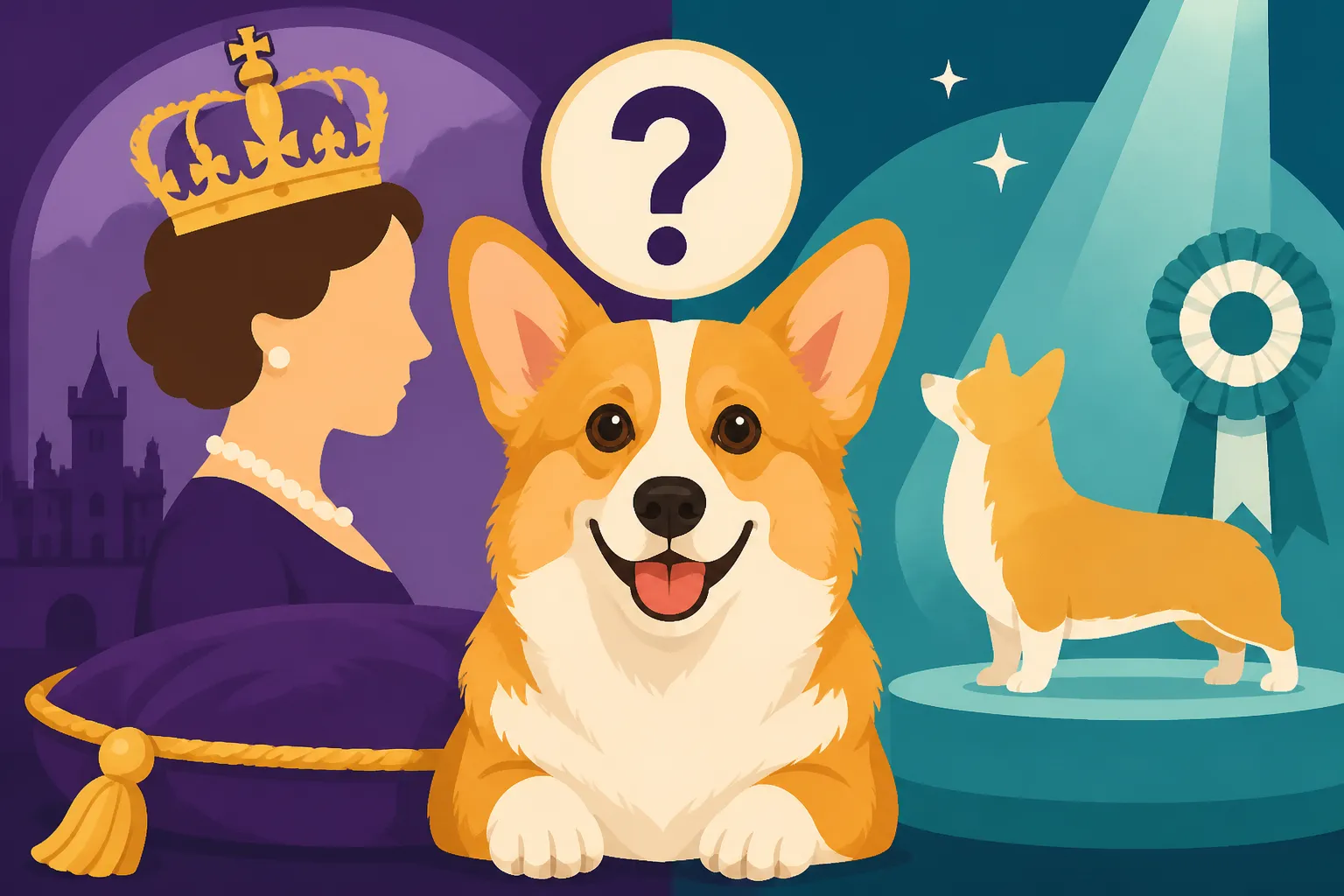
It's completely understandable to wonder about the iconic Corgis that graced the royal household for decades. Many of us, myself included, have pictured them trotting through Buckingham Palace, looking every bit the regal companions they were. You might assume such famously well-bred dogs would be the darlings of the show ring, but the reality of their lives was perhaps a little different from what you'd expect for typical show dogs. This guide will delve into the lives of the Royal Corgis and explore whether they ever stepped into the spotlight of competitive dog shows.
The Royal Corgis: More Than Just Pets
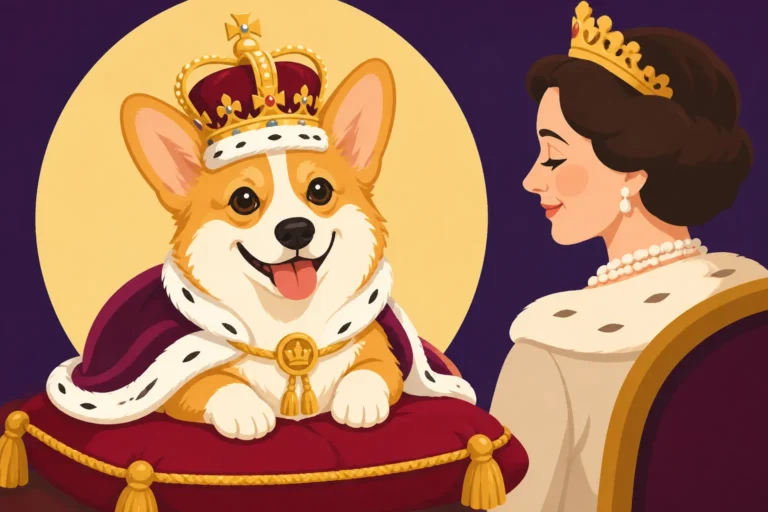
For many years, the presence of Corgis was almost synonymous with the British monarchy. These stout, spirited little dogs became beloved figures in their own right, captured in countless photographs and often seen accompanying Her Majesty on her daily walks or even making appearances in official portraits. From the very first Corgi, Dookie, who joined the family in the 1930s, to Susan, the eighteenth birthday gift who founded a lineage of over 30 royal Corgis, these dogs were an integral part of royal life, bringing comfort and companionship.
Their role was profoundly personal. They were family members, not status symbols to be paraded. While the world watched their every move, the Corgis themselves lived a relatively private, albeit luxurious, existence within the palace grounds and various royal residences. They had dedicated staff to cater to their needs, special meals, and a routine that revolved around the Queen's preferences. Their day-to-day involved exploring expansive gardens, enjoying walks, and, no doubt, a good bit of snoozing on plush carpets. The love for these dogs was palpable, and their well-being was a top priority. Many Corgi owners, even without royal budgets, strive to provide this level of comfort and care for their beloved companions, often turning to trusted retailers like Chewy for high-quality food, toys, and orthopedic beds for their Corgis. We've certainly discussed the long line that followed from Susan in Susan and the Corgi Line That Followed.
The World of Dog Shows and the Royal Approach
To truly understand why the Royal Corgis weren't typically show dogs, it helps to know what goes into preparing a dog for the show ring. Competitive dog shows, particularly conformation shows, are a serious business. They require immense dedication, time, and a specific type of dog bred and trained to meet exacting breed standards.
What Conformation Shows Demand
A conformation show isn't about tricks or agility; it's about how well a dog conforms to its breed's written standard. For a Corgi, this means judges are looking for specific characteristics outlined by organizations like the American Kennel Club (AKC) or The Kennel Club (UK). This includes everything from the shape of their head and the set of their ears to their bite, their topline, the angulation of their legs, and the way they move. Breeders spend years, even generations, perfecting lines to produce dogs that embody this ideal. You can learn more about the specifics of what judges look for in The AKC Pembroke Welsh Corgi Standard.
The preparation for a show dog is rigorous. It involves:
- Intensive Training: Dogs must learn to stack perfectly for examination, hold still for judges, and move gracefully at a trot on a leash. This isn't just a casual stroll; it's a specific, practiced gait.
- Constant Grooming: Show dogs require meticulous grooming to ensure their coats are in pristine condition, nails are perfectly trimmed, and they present an immaculate appearance. For a double-coated breed like a Corgi, this means regular brushing, bathing, and drying to ensure the coat lies correctly and is free of mats.
- Travel and Handler Fees: Campaigning a dog can involve extensive travel to shows across the country, and often, professional handlers are employed to present the dog in the ring. This all comes with significant cost and commitment.
- Temperament: While intelligence and good nature are always desired, a show dog also needs a confident, unflappable temperament to perform under pressure in a bustling show environment.
Royal Priorities vs. Show Ring Aspirations
For the royal household, the priorities for their Corgis were companionship, loyalty, and a stable, loving presence within the family. Their dogs were part of their private world, a source of joy and comfort away from the public eye. While the Queen was a patron of many dog organizations and deeply interested in animal welfare and breeding, her personal Corgis were primarily pets. The idea of subjecting them to the stresses of travel, competitive judging, and public scrutiny that comes with a show career likely didn't align with the role they played in her life.
Instead, the focus would have been on their health, their happiness, and their integration into the royal family's unique lifestyle. When a royal Corgi needed new supplies or food, it's easy to imagine that convenience and quality would be key, just as any devoted Corgi owner might consult a reputable online pet supplier like Chewy to ensure their furry friend has everything they need, whether they're destined for the show ring or simply a beloved family companion.
Tracing the Royal Lineage and Show Records
So, to directly answer the burning question: no, the Royal Corgis were generally not shown in competitive dog shows. While the Queen had a deep passion for dogs and was certainly knowledgeable about breeding and standards, her personal dogs were kept as beloved companions rather than competitive exhibitors.
The Queen's Role in the Dog World
It's important to differentiate between her personal pets and her broader involvement in the dog world. Queen Elizabeth II was a keen dog enthusiast throughout her life. She bred working Labradors and Cocker Spaniels at Sandringham, her private estate, and these dogs were sometimes entered in field trials, which are competitive events designed to test a dog's hunting abilities. However, these were different animals and different kinds of competitions from the conformation shows that evaluate a dog's appearance against a breed standard.
Her Corgis were her shadows, her confidantes, and her furry family members. Their lives were filled with the everyday joys of a dog's existence, enhanced by the unique setting of royal palaces and estates. Their lineage was carefully managed, not for the show ring, but to maintain good health and temperament within their close-knit family. This focus on their private well-being meant they were spared the sometimes demanding schedule of a show dog. The DNA Tests a Corgi Breeder Should Run are essential for responsible breeders, whether their dogs are destined for the show ring or beloved pet homes, to ensure the health of future generations.
The Dedication of Show Breeders
This approach stands in contrast to the many dedicated Corgi breeders and owners worldwide who pour their hearts and souls into showing their dogs. These individuals are passionate about preserving and improving the breed, and the show ring is their arena for evaluating their breeding programs. They often spend weekends traveling to shows, meticulously grooming their dogs, and training them to perfection. Their efforts contribute to the overall health and quality of the breed, ensuring that the next generation of Corgis continues to embody the best characteristics of the breed. But for the Queen, the purpose of her Corgis was simpler and perhaps more profound: pure, unconditional companionship.
The Impact of Royal Corgis on the Breed's Popularity and Perception
While the Royal Corgis didn't grace the show rings, their impact on the breed's popularity and public perception was absolutely immense. Their constant presence by the Queen's side made them global canine celebrities.
A Breed in the Spotlight
For decades, the image of the Corgi was inextricably linked to the British monarchy. This exposure put the breed on the world stage, sparking interest and demand from potential owners far and wide. Many people, charmed by the sight of these happy, bustling dogs accompanying royalty, decided that a Corgi was the breed for them. This phenomenon is often discussed, especially how their visibility contributed to rising demand, as explored in What the Queen's Corgis Did to the Breed's Popularity and How Corgi Popularity Changed After The Crown.
This surge in popularity, while understandable, also brought its own set of challenges. Increased demand can sometimes lead to less scrupulous breeding practices, where the focus shifts from health and temperament to simply producing puppies quickly to meet the market. Responsible breeders, however, continued their work diligently, ensuring that Corgis were bred for good health, stable temperaments, and adherence to the breed standard, rather than just celebrity appeal.
Shaping Public Perception
The Royal Corgis helped to solidify the breed's image as intelligent, loyal, and charming companions, capable of adapting to a life of luxury and attention. They showcased the Corgi's distinctive personality – sometimes a bit cheeky, always endearing – to millions. Even without show titles, they became the unofficial ambassadors of their breed, influencing countless aspiring Corgi owners to welcome these wonderful dogs into their homes.
Today, thanks in no small part to their royal connection, Corgis remain one of the most beloved breeds globally. Their iconic status continues, inspiring Corgi-themed merchandise, media appearances, and a thriving community of enthusiasts. And whether these Corgis are winning Best in Show or simply best at cuddling on the sofa, owners want the best for them, which is why resources and reputable suppliers like Chewy are so valuable for all things Corgi-related.
Here's a quick comparison of the typical show dog path versus the Royal Corgi experience:
| Feature | Typical Conformation Show Dog | Royal Corgi |
|---|---|---|
| Primary Purpose | Evaluate against breed standard, win titles, further lines | Companionship, emotional support, family member |
| Training Focus | Stacking, gaiting, ring etiquette, handler cooperation | Basic obedience, good manners, adaptation to royal life |
| Grooming Regimen | Meticulous daily care, professional presentation for shows | Regular maintenance, health-focused, comfortable |
| Travel | Extensive travel to dog shows | Travel between royal residences, often by private means |
| Public Exposure | Highly visible in show rings, breed publications | Highly visible in media, but as part of royal family |
| Breeding Goals | Producing dogs that excel in conformation | Maintaining health, temperament, and a stable lineage |
| Competition | Direct competition against other dogs of the breed | No direct competition; focus on private well-being |
Disclaimer
This article is for general informational purposes only and does not constitute professional advice. Laws, prices and regulations vary by location and change over time. Consult a qualified professional for guidance on your specific situation.