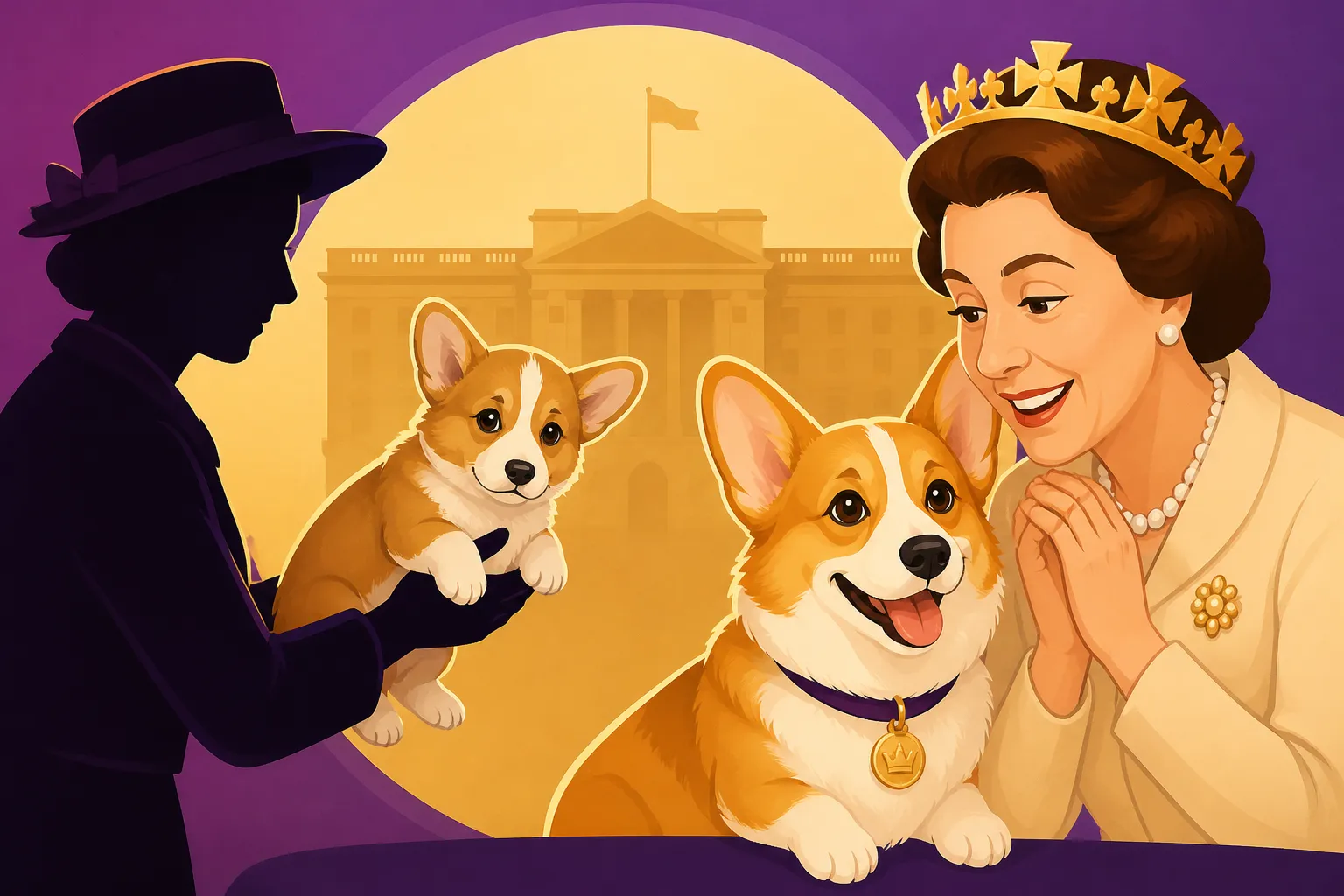
Who Gave the Royal Family Its First Corgi
It’s a universally acknowledged truth that when you think of the British Royal Family, you often picture a gaggle of Corgis trotting faithfully at their heels. This iconic association has truly cemented the Corgi's place in the public imagination, making them seem like a breed born for palace life. But have you ever wondered how this charming tradition began, or specifically, who brought the very first Corgi into the royal household? This guide will dive deep into the fascinating origin story of the royal Corgis, tracing their lineage back to the very first paw prints that graced the regal carpets.
The First Paw Prints on Royal Carpet: Dookie's Arrival
The journey of the Corgi into royal hearts began not with the late Queen Elizabeth II herself, but with her father, who was then the Duke of York (later King George VI). Like many families, the royals sought companionship, and the choice of a Welsh Corgi was a delightful one that would resonate for decades to come.
The Duke of York's Search for a Companion
Imagine the bustling royal household in the 1930s. Even with all the grandeur and official duties, there's always room, and often a deep desire, for the simple, unconditional love that only a dog can provide. The Duke of York, a man known for his quieter demeanor and deep affection for his family, decided it was time to welcome a canine friend into their home. He wasn't necessarily looking for a working dog, but rather a loyal and endearing companion for his young daughters, Princess Elizabeth and Princess Margaret. They were, after all, just little girls who would adore a playful pup. This was a common desire for families across the country, seeking that special bond.
A Breed That Caught the Eye
The Pembroke Welsh Corgi, with its distinctive short legs, long body, and foxy face, was a relatively lesser-known breed to the broader public at the time. However, their intelligence, sturdy build, and surprisingly spirited personality made them quite appealing. They had a history as cattle drivers, nipping at the heels of much larger animals, which instilled in them a certain boldness and independent streak, yet they were also known for being affectionate family dogs. It was this unique combination of characteristics – a compact size coupled with a big personality – that likely drew the Duke's attention. He was introduced to the breed through various contacts, perhaps through friends or associates who were already enchanted by these charming dogs.
Dookie's Early Days and Impact
In 1933, the Duke of York brought home a Pembroke Welsh Corgi puppy named Dookie. Yes, Dookie! This adorable pup was the trailblazer, the one who truly started it all. Dookie wasn't just any dog; he quickly became a beloved member of the family, particularly adored by the young princesses. His arrival marked a significant, albeit quiet, shift in the royal family's relationship with dogs, laying the groundwork for the enduring Corgi dynasty. Dookie was known for his playful antics and his devoted nature, fitting seamlessly into the family dynamic. He brought joy and laughter to the princesses, teaching them about the responsibilities and simple pleasures of pet ownership. He was, in essence, the very first Dookie and the First Royal Corgi, a true pioneer.
Dookie's presence wasn't just a private affair; his charm occasionally shone in official photographs, offering a glimpse to the public of the royal family's affectionate bond with their pet. This subtle exposure slowly began to raise the profile of the Pembroke Welsh Corgi breed, leading many to inquire about these delightful dogs. Imagine the conversations at the time: "Did you see the Royal Family's new dog? What a charming little fellow!" You can find wonderful resources on caring for a Corgi, including essentials like quality food and toys from places like Chewy, which would have been just as important for Dookie's well-being.
A Growing Royal Pack: From Dookie to Jane and Susan
Dookie’s charming personality paved the way for more Corgis to join the royal household, transforming a single pet into a cherished tradition and ultimately creating a long-standing lineage of beloved companions.
Expanding the Family with Jane
Dookie wasn't alone for long. The royal family, having fallen completely in love with the breed, decided to expand their Corgi pack. Soon after Dookie, another Corgi named Jane joined the household. Jane quickly became a playmate for Dookie and a further source of joy for the young princesses. Having two Corgis truly cemented the breed's place as the favoured canine companion. It’s a common experience for Corgi owners – once you have one, it’s hard not to want another! Their dynamic personalities and loyal nature make them excellent companions for each other, as well as for their human family.
The early Corgis, Dookie and Jane, enjoyed a life that, while privileged, was also very much that of beloved family pets. They romped in the palace gardens, offered comfort, and were constant fixtures in the daily lives of the princesses. Their presence was a testament to the Corgi's ability to integrate into any home, whether it be a grand palace or a cozy cottage. Sadly, What Happened to the Corgi Dookie is that he passed away relatively young, leaving a void that would soon be filled, but his legacy as the "first" was secure.
The Queen's Eighteenth Birthday Gift: Susan
While Dookie and Jane introduced the Corgi to the royal family, it was a Corgi named Susan who truly solidified the breed's iconic status with Queen Elizabeth II. For her eighteenth birthday in 1944, Princess Elizabeth received a Pembroke Welsh Corgi puppy named Susan. This wasn't just any gift; it was a deeply personal one that marked the beginning of her lifelong devotion to the breed. Susan was more than a pet; she was a constant companion to the young Princess Elizabeth, accompanying her through adolescence, wartime duties, and eventually, her accession to the throne. This special bond transformed the Corgi from a family pet into a defining symbol of Queen Elizabeth II's public image.
Susan was a highly intelligent and spirited dog, embodying many of the typical Corgi traits that make them so endearing yet sometimes challenging. Owners of Corgis often describe their dogs as having strong opinions and a penchant for making their presence known, whether through their famous "talk" or their determined herding instincts. To learn more about managing their vocal tendencies, you might find our article Corgi Barking and How Much Is Normal helpful. Susan even accompanied Princess Elizabeth on her honeymoon in 1947, a testament to their inseparable bond. She was truly the Corgi that Queen Elizabeth II got for her eighteenth birthday and became the foundation of all the Corgis the Queen would own throughout her life.
Susan's Lasting Legacy
Susan became the matriarch of the Queen’s extensive Corgi family. Over the decades, every single one of Queen Elizabeth II’s Corgis—and she owned more than thirty throughout her reign—were direct descendants of Susan. This deliberate breeding program ensured a consistent line of loyal companions, each carrying a piece of Susan’s legacy. This means that the Corgis famous for trotting alongside the Queen in countless photographs and public appearances were all part of this incredible, unbroken lineage. It’s fascinating to think about How Many Corgi Generations Came From Susan and how deeply personal this connection was.
The Queen was deeply involved in the care and breeding of her Corgis, treating them as integral members of her family. She fed them herself, walked them, and took great pride in their well-being. This level of dedication, coupled with the Corgis' constant presence in royal life, undoubtedly contributed to their widespread fame and popularity. It showed the world that these charming, short-legged dogs were worthy of the highest affection. If you're looking to provide similar high-quality care for your Corgi, consider exploring the range of nutritional and grooming products on Chewy.
The Corgi's Enduring Appeal and Royal Legacy
The royal family’s love affair with Corgis didn't just happen overnight; it evolved from the arrival of one special dog and blossomed into a globally recognized symbol. Understanding why they held such a special place, and how that influenced the breed, offers a deeper appreciation for these wonderful dogs.
Why the Royal Family Loved Corgis So Much
There's more to the royal family's affection for Corgis than just their cute appearance. Corgis possess a unique blend of characteristics that made them ideal companions, especially for a family in the public eye. They are incredibly loyal and intelligent, forming deep bonds with their owners. While they can be strong-willed, they are also highly trainable and eager to please, especially when there's a tasty treat involved. This meant they could be well-behaved in formal settings, yet still full of playful personality behind closed doors. They are also sturdy dogs, well-suited to outdoor activities, and their compact size makes them manageable even in grand residences.
The Queen herself often spoke of the comfort and companionship her Corgis provided, especially during times of stress or solitude. They offered an unwavering presence, a quiet loyalty that was undoubtedly a balm amid the pressures of her role. For many, a dog is more than a pet; it's a confidant, a friend, a source of unconditional love, and the Corgis filled this role beautifully for the Queen. This deep connection is something many Corgi owners understand instinctively. For instance, the breed’s natural intelligence makes them suitable for various activities, and you can explore more about their innate abilities in our article The Cattle Dog Behind the Corgi.
The Breed's Character Beyond the Palace Walls
Beyond their royal connections, Corgis are fascinating dogs in their own right. They are part of the Herding Group, despite their small stature, and their ancestors were bred to drive cattle by nipping at their heels. This history explains their quick wit, agility, and sometimes bossy nature. They are often described as having a "big dog" personality in a small package. While royal Corgis enjoyed a pampered life, they still retained these inherent traits.
They are known for their vocalizations—often called "Corgi talk"—which include barks, yips, and a range of expressive sounds. They also have a natural instinct to "herd" anything that moves, be it children, other pets, or even inanimate objects. This spirited character, combined with their undeniable charm, is what has captivated so many people, leading to What the Queen's Corgis Did to the Breed's Popularity soaring around the world. Anyone considering a Corgi should certainly appreciate these aspects of their personality. Many resources, including those found on Chewy, offer enrichment toys and puzzles perfect for engaging a Corgi’s active mind.
| Royal Corgi | Year Introduced | Key Contribution to Royal Corgi History | Significance |
|---|---|---|---|
| Dookie | 1933 | First Pembroke Welsh Corgi in the royal family | Began the royal Corgi tradition with King George VI (then Duke of York) |
| Jane | c. 1930s | Second Corgi in the family | Companion to Dookie, solidifying the Corgi as the family's preferred breed |
| Susan | 1944 | Gift to Princess Elizabeth for her 18th birthday | Matriarch of Queen Elizabeth II's personal Corgi lineage |
| Sugar | 1949 | One of Susan's first offspring | Continued the direct line of royal Corgis |
| Foxy | c. 1960s | Another descendant in the Queen's pack | Represented the consistent presence of Corgis throughout the Queen's reign |
How Royal Association Changed the Corgi's Profile
The association with the Royal Family undoubtedly propelled the Pembroke Welsh Corgi into global fame. Before Dookie, they were a relatively obscure breed, primarily known within working farm communities in Wales and by dog enthusiasts. With the Corgis constantly by the Queen's side, they became instantly recognizable symbols of British royalty and a beloved breed worldwide. This exposure led to a significant increase in their popularity, making them one of the most sought-after companion animals. To understand their broader impact, you might enjoy reading about How Common Corgis Have Become globally.
While this fame brought attention and admirers to the breed, it also brought challenges, such as a rise in indiscriminate breeding to meet demand. Responsible breeders, however, continued to prioritize health and temperament, ensuring the integrity of the breed. The legacy of the royal Corgis is not just a tale of canine companionship but also a powerful example of how a beloved pet can become an enduring cultural icon, influencing breed popularity and perception on a global scale. From Dookie's first timid steps into the palace to the legions of Corgis that followed, the story of the royal Corgis is a testament to the irresistible charm of these unique dogs. If you're bringing a Corgi into your own home, understanding their background can help you create The Household a Corgi Actually Wants to thrive in.
Disclaimer
This article is for general informational purposes only and does not constitute professional advice. Laws, prices and regulations vary by location and change over time. Consult a qualified professional for guidance on your specific situation.