The Year the Kennel Club Split the Corgi Breeds
It’s easy to look at a Pembroke Welsh Corgi and a Cardigan Welsh Corgi today and assume they’ve always been distinct breeds, each with their own unique history and lineage. But for a surprisingly long time, these beloved, low-slung dogs were actually lumped together under the rather generic umbrella of "Welsh Corgi." This often led to confusion for prospective owners and challenges for dedicated breeders. Understanding when and why the Kennel Club finally decided to formally separate these two wonderful breeds is key to appreciating their individual journeys and the distinct characteristics we cherish in each of them.
Before the Divide: A Shared Past, Distinct Identities
Before 1934, the concept of two separate Corgi breeds was really something only understood by those living deep within their respective Welsh counties. To the outside world, and even within the early dog show circuits, a Corgi was simply a Corgi. Yet, beneath this broad classification, two truly unique canine personalities and physical forms were thriving, shaped by generations of practical farming needs and regional isolation. It’s a classic tale of two cousins who, despite a shared heritage, forged their own paths.
The Early Welsh Corgi: One Name, Two Types
In the misty, verdant landscapes of Wales, two distinct types of Corgi had been evolving for centuries, largely independent of each other. The Cardigan Welsh Corgi, often considered the older of the two, hails from Cardiganshire, a rugged, mountainous region. These dogs were the loyal companions of drovers, hardy and robust, built for enduring long treks and guarding livestock. Their longer bodies, larger ears, and ever-present tails spoke to their ancient lineage and practical purpose. You can learn more about How Old the Cardigan Welsh Corgi Is to grasp just how deep their roots go.
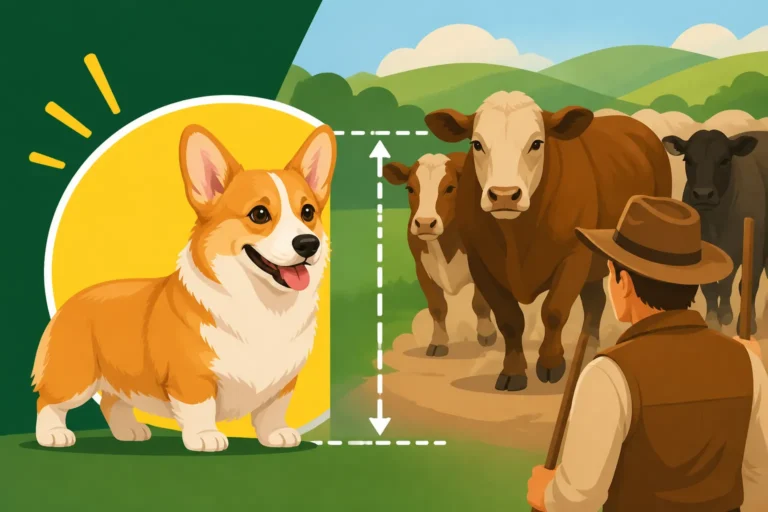
Meanwhile, the Pembroke Welsh Corgi emerged from Pembrokeshire, a region with a different agricultural focus, often associated with Flemish weavers who settled there around the 10th century. While still a working dog, their role might have leaned more towards herding ducks and smaller livestock, or simply acting as all-around farm dogs. They tended to be a bit lighter in build, with more foxy features and, notably, a natural bobtail or a tail that was traditionally docked, giving them that iconic "tailless" look many people associate with the breed. For a long time, if you were a farmer, you simply had a Corgi that worked your land, and you likely didn’t fret over whether it had a tail or rounded ears; you cared if it could do the job of Driving Cattle With a Corgi Six Inches Tall.
Regional Differences and Working Roles
The isolation of these two Welsh counties played a huge part in maintaining their distinctions. Travel was difficult, and dog breeding was primarily functional rather than aesthetic. Farmers would breed their best working dogs, and as long as the offspring were good at their jobs – whether it was nipping at the heels of cattle or keeping rats out of the barn – that was all that mattered. The Cardigans, with their slightly heavier bone and longer bodies, were perhaps better suited for the harsh terrain of Cardiganshire, acting as powerful, low-to-the-ground herders.
Pembrokes, on the other hand, in a slightly less rugged environment, developed a reputation for their quick wit and agility, perfect for managing smaller, faster-moving stock. Each breed was a testament to the specific needs of its environment and the farmers who relied on them. The truth is, people just needed good, sturdy working dogs, and the Corgi fit the bill perfectly, whatever its specific county of origin. Thinking about the sheer adaptability, it’s no wonder both breeds thrived under the umbrella term of The Cattle Dog Behind the Corgi.
The Push for Recognition: Why the Split Became Necessary
As dog shows gained popularity in the early 20th century, the informal distinction between the two Corgi types became a point of contention and confusion. Exhibitors and judges were faced with dogs that shared a name but presented quite different physical characteristics. It became clear that for the integrity of competitive breeding and proper preservation of both lines, a more formal separation was needed.
Growing Distinctness in Show Rings
When Corgis first entered the show ring, it was a bit of a free-for-all. You might see a dog with large, rounded ears and a long tail competing against a dog with smaller, pointed ears and no tail, both entered as "Welsh Corgis." This made judging incredibly difficult. How could you compare two animals against a single, coherent standard if their fundamental forms were so different? The judges themselves struggled to make fair assessments, and breeders, keen to improve and standardize their lines, found it frustrating. It was becoming obvious that if the breeds were to progress and gain wider appreciation, clarity was paramount.
Breeders on both sides were passionate about their specific types, and rightly so. They saw the unique qualities and histories that deserved individual recognition. Imagine putting a Cardigan up against a Pembroke, trying to decide which was the "better" Corgi, when they were clearly built for slightly different purposes and carried distinct ancestral traits. The enthusiasm for the Corgi breeds was growing, and with that came a push for greater definition. Many people simply wanted to know What Corgi Means in Welsh and truly understand the history behind these wonderful dogs.
Standardizing the Breeds: The Kennel Club's Role
The Kennel Club, the primary governing body for dog breeds in the United Kingdom, stepped in to resolve this growing dilemma. Their role is to define breed standards, ensuring that breeders have clear guidelines for maintaining the health, temperament, and physical characteristics of purebred dogs. They work with breed clubs and enthusiasts to create detailed descriptions that outline what an ideal example of each breed should look like. This process is crucial for preserving genetic lines and preventing the dilution of distinct traits.
The push for separate breed standards for Pembrokes and Cardigans wasn't just about aesthetics; it was about acknowledging their distinct genetic heritage and ensuring their long-term health and viability. Without clear separation, there was a risk of indiscriminate cross-breeding that could blur their unique qualities or even introduce unwanted health issues. It was a methodical, careful process, involving input from breeders who had dedicated their lives to these dogs.
1934: The Pivotal Year and Its Impact
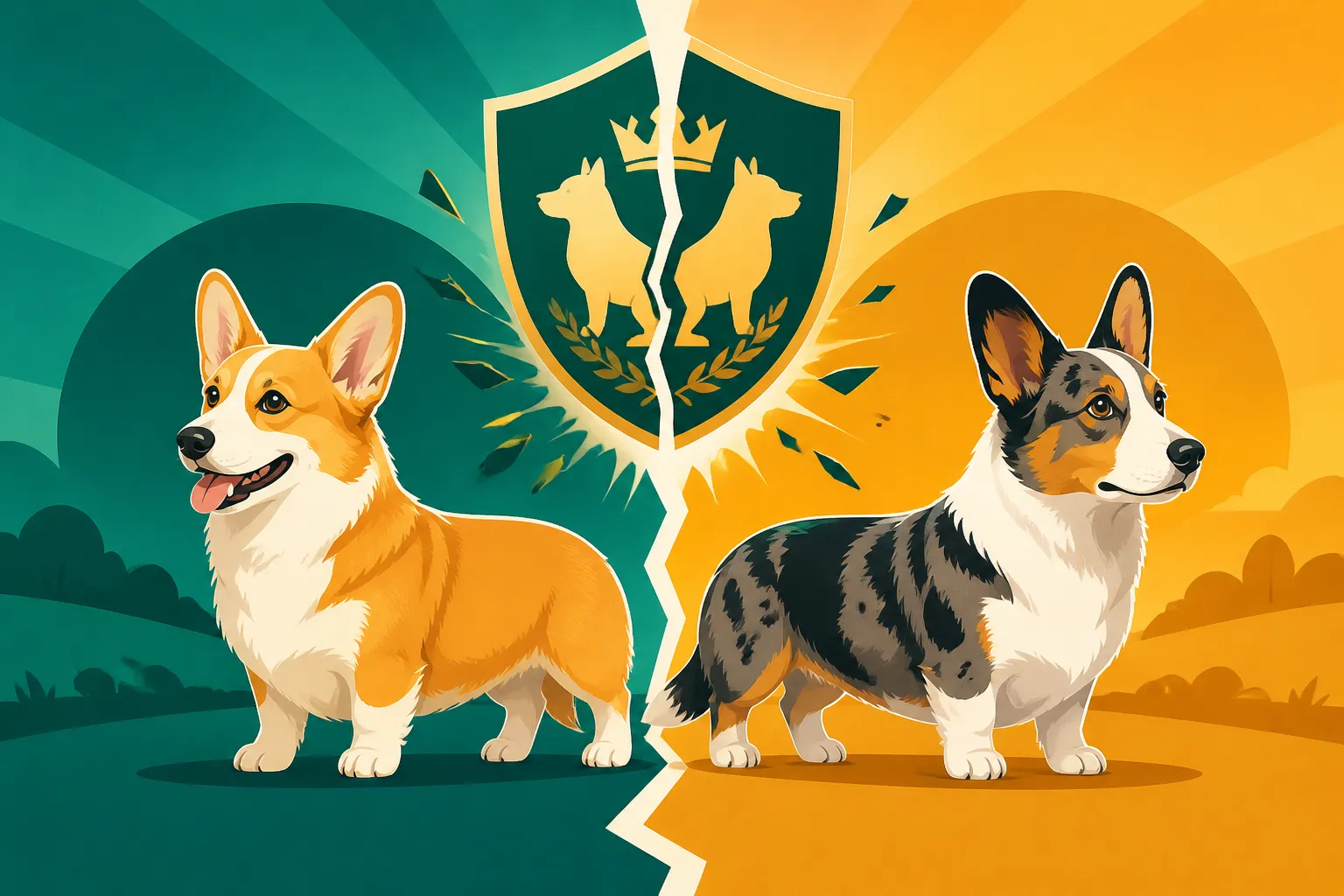
The year 1934 stands as a landmark in the history of both the Pembroke Welsh Corgi and the Cardigan Welsh Corgi. It was the year the Kennel Club officially recognized them as two entirely separate and distinct breeds, putting an end to years of ambiguity and paving the way for each to develop their own unique following and breeding programs.
The Official Separation
On a specific day in 1934, after much deliberation and input from passionate breeders and breed clubs, the Kennel Club formally announced that the Pembroke Welsh Corgi and the Cardigan Welsh Corgi would henceforth be recognized as individual breeds. This wasn't just a bureaucratic decision; it was a profound moment that validated the centuries of independent development these dogs had undergone. From that point on, a Pembroke could only be bred to a Pembroke, and a Cardigan only to a Cardigan, for purposes of purebred registration and show. Before this, it wasn't uncommon for what we now consider distinct breeds to be crossed, even within the show world. This pivotal decision really solidified When the Two Corgi Breeds Were Shown Together under one banner as a thing of the past.
This separation meant that each breed could have its own distinct breed standard, a detailed blueprint outlining everything from ear set and tail length to body proportions and temperament. These standards provided clarity for breeders, judges, and prospective owners, allowing for focused breeding efforts aimed at enhancing the unique qualities of each Corgi type. It truly marked the beginning of a new era for both.
Immediate and Long-Term Effects on Breeding
The immediate effect of the split was a clear demarcation in breeding practices. Breeders of Pembrokes could now focus solely on the Pembroke standard, aiming for those characteristic foxy heads, smaller ears, and the spirited personality. Likewise, Cardigan breeders could concentrate on developing their dogs to meet the Cardigan standard, emphasizing their slightly larger build, distinct tail, and often more reserved temperament. This clarity led to a rapid refinement of both breeds.
In the long term, this separation cemented their genetic isolation, meaning that over generations, the unique characteristics of each breed became even more pronounced and consistent. It also facilitated better health tracking and genetic testing specific to each line. For instance, today, if you're looking for supplements or specific care items for your Corgi, you can find a huge range of options on platforms like Chewy, often tailored to the general needs of Corgis, but with the understanding that subtle differences exist between the two breeds. This formal recognition also played a significant role in helping the Pembroke Welsh Corgi, in particular, gain widespread popularity, eventually becoming a household name.
After the Split: The Corgis We Know Today
The 1934 split by the Kennel Club was more than just a formal distinction; it laid the groundwork for the two Corgi breeds to flourish and gain individual recognition and adoration around the world. Today, while both are undeniably Corgis, their differences are appreciated, celebrated, and understood by enthusiasts and owners.
Enduring Differences: Pembroke vs. Cardigan
The differences between the Pembroke and Cardigan, once informally recognized by Welsh farmers, are now enshrined in their respective breed standards and evident to anyone who knows what to look for.
| Feature | Pembroke Welsh Corgi | Cardigan Welsh Corgi |
|---|---|---|
| Ears | More pointed, slightly smaller, set closer together | Larger, more rounded at the tips, set wider apart |
| Tail | Naturally bobbed or traditionally docked; very short | Long, bushy, fox-like; carried low |
| Body Shape | Slightly shorter body, more foxy expression | Slightly longer body, often a bit more substantial |
| Size/Weight | Typically a bit smaller and lighter | Generally slightly larger and heavier |
| Head Shape | More foxy, tapering muzzle | Broader skull, less tapered muzzle |
| Temperament | Often described as more outgoing, bold, energetic | Often described as a bit more reserved, steady, calm |
| Common Colors | Red, sable, fawn, black and tan (with white markings) | Any color, including blue merle, with or without tan/brindle points |
These distinctions are what allow us to clearly Telling a Pembroke From a Cardigan on Sight today. While both are incredibly intelligent, loyal, and loving companions, a Cardigan often has a slightly more "serious" or "regal" demeanor compared to the sometimes mischievous and eternally cheerful Pembroke.
Health, Temperament, and the Importance of Breed Knowledge
Understanding the historical split and the subsequent development of each breed is vital for anyone considering bringing a Corgi into their home. Their differing physical characteristics also mean slight variations in potential health concerns or predispositions. For example, while both breeds can be prone to back issues due to their long backs and short legs, the exact prevalence or manifestation might differ slightly based on their distinct builds. This is why resources like The AKC Pembroke Welsh Corgi Standard are so important, as they outline the ideal traits that breeders strive for, which often correlate with good health.
Temperament, too, has subtle variations. Pembrokes are often seen as the more boisterous and demanding of attention, while Cardigans can be a bit more aloof with strangers but deeply devoted to their families. Knowing these nuances helps prospective owners choose the Corgi that best fits their lifestyle and family dynamics. It also informs how you approach training, exercise, and daily care. For instance, if your Corgi needs special dietary considerations, knowing the breed differences might guide your choices, or help you find breed-specific food recommendations through retailers like Chewy.
The split allowed for concentrated efforts in preserving and refining the best qualities of each. It ensured that breeders could work towards distinct goals, and it ultimately enriched the world of dog enthusiasts with two magnificent, albeit similar-looking, companions. Today, both breeds continue to thrive, enjoyed by countless families around the globe, each with their own story, born from a crucial decision made back in 1934. In fact, if you're curious, you might even find it interesting to research Whether One Corgi Breed Is Rarer Than the Other to see how their popularity has diverged over the decades since the split.
Disclaimer
This article is for general informational purposes only and does not constitute professional advice. Laws, prices and regulations vary by location and change over time. Consult a qualified professional for guidance on your specific situation.