The Fluffy Corgi and the Standard
If you're new to the world of Corgis, or even if you've been a fan for a while, you might have stumbled across pictures of Corgis that look a little… different. They have longer, flowier coats than the typical Corgi you see trotting around. These are often called "fluffy" Corgis, and they spark a lot of questions, confusion, and sometimes even a little debate. This guide is here to demystify the fluffy Corgi, explaining what makes them unique, how they relate to the official breed standard, and what it truly means to welcome one of these wonderfully plush pups into your home.
What Exactly Is a "Fluffy" Corgi?
When most people picture a Corgi, they imagine that iconic short, dense, weather-resistant double coat. But then there are those delightful exceptions with long, soft fur, often with dramatic feathering around their ears, legs, and hindquarters. These are what we affectionately call "fluffy" Corgis, and their distinctive look is all down to genetics.
The Genetics Behind the Long Coat
The trait for a fluffy coat in Corgis is determined by a recessive gene, specifically the Fibroblast Growth Factor 5 (FGF5) gene. For a Corgi to express the fluffy coat, it needs to inherit two copies of this recessive gene—one from each parent. This means that two Corgis with standard coats can absolutely produce fluffy puppies if both parents carry a single copy of the recessive gene. They might look perfectly standard themselves, but they're silent carriers, holding the potential for that beautiful long coat in their offspring. It's a bit like two brown-eyed parents having a blue-eyed child; the gene has been quietly passed down. This is also Why the Fluffy Corgi Gene Persists in the breed, even when breeders aim for standard coats.
A breeder dedicated to understanding their lines will often test their breeding stock for this gene. If a Corgi has two copies of the "L" (long coat) allele, they will be fluffy. If they have one "L" and one "S" (short coat) allele, they will carry the gene but have a standard coat. If they have two "S" alleles, they're clear and won't produce fluffies unless bred to a carrier or another fluffy. It's a fascinating peek into the intricate world of canine genetics!
How a Fluffy Coat Differs from a Standard Coat
The most obvious difference is, of course, the length and texture of the fur. A standard Pembroke Welsh Corgi, as described by the breed standard, has a medium-length double coat. The outer coat is coarse, straight, and weather-resistant, while the undercoat is soft and dense, providing insulation. Think of it as a sturdy, functional overcoat designed for a working dog.
A fluffy Corgi, on the other hand, boasts a much longer, softer, and often silkier coat. The guard hairs are less coarse, and the undercoat might be less distinct. You'll notice prominent feathering on their ears, chest, legs, and "trousers" (the fur on their hind legs and rear). This feathering can grow quite long, giving them a decidedly more opulent and flowing appearance. Instead of the somewhat harsh, almost bristly feel of a standard coat, a fluffy's fur feels much softer to the touch, more like a plush toy. This visual difference is what makes them so striking, and for many, incredibly appealing. It's a truly beautiful variation, even if it doesn't align with the show ring's requirements.
The Pembroke Welsh Corgi Standard and Fluffies
Understanding the breed standard is crucial for any Corgi enthusiast, whether you're interested in showing or simply appreciate the history and intended form of the breed. When it comes to fluffy Corgis, their unique coats place them outside of what the official standard dictates.
What the Breed Standard Says About Coat Type
The official breed standard for the Pembroke Welsh Corgi, as established by organizations like the American Kennel Club (AKC), is very specific about coat type. It describes the ideal coat as being of "medium length, dense, with a harsh texture, and a good undercoat." There are usually explicit clauses that consider a coat that is "too long, soft, or wavy" to be a fault, and often, a coat that is genuinely "fluffy" is listed as a disqualifying fault. This means that while a fluffy Corgi is still a purebred Corgi in every genetic sense, it cannot compete in conformation dog shows under these standards.
For instance, The AKC Pembroke Welsh Corgi Standard details the specifics, clearly outlining what is considered acceptable. The emphasis is on functionality – a coat that would protect a herding dog from the elements while working in the fields of Wales. The long, soft coat of a fluffy Corgi, while aesthetically pleasing to many, simply doesn't meet these functional criteria in the eyes of the breed standard.
Why Fluffies Are Disqualified
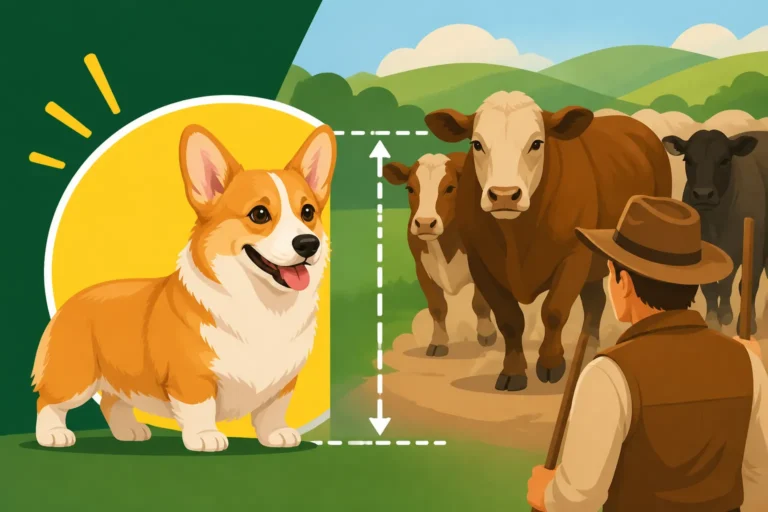
The disqualification of fluffy Corgis in the show ring isn't a judgment on their quality as pets or their overall health. Instead, it harks back to the breed's origins as a working dog. Corgis were bred to herd cattle, often in rough, damp, and varied weather conditions. Their standard, dense, harsh double coat was perfectly adapted for this job. It provided protection from the cold, rain, and mud, and was less likely to snag on brush or accumulate debris.
A longer, softer, fluffier coat, while beautiful, could become matted more easily, collect burrs and mud, and might not offer the same level of weather resistance. Imagine a Corgi, low to the ground, navigating thorny undergrowth or wading through wet pasture. A long, silky coat could quickly become a tangled, muddy mess, potentially hindering the dog and making it uncomfortable. Therefore, the breed standard prioritizes this historical working functionality. It's important to remember that a "disqualifying fault" in the show ring doesn't mean the dog is flawed or inferior; it simply means it doesn't conform to a very specific set of aesthetic and historical criteria for that particular competition. Whether a Fluffy Coat Disqualifies a Corgi is purely about the show ring, not about the dog's intrinsic value.
Living With a Fluffy Corgi: Care and Considerations
While a fluffy Corgi's coat might not be "standard," it certainly is stunning! However, that extra fluff does come with its own set of care requirements. Being prepared for these differences will ensure your fluffy Corgi stays happy, healthy, and looking their best.
Grooming Needs of a Fluffy Coat
The most significant difference in caring for a fluffy Corgi compared to a standard-coated one is the grooming routine. That gorgeous, flowing hair, especially the feathering, is prone to tangles and mats if not regularly maintained. You'll need to brush your fluffy Corgi more frequently, ideally several times a week, to prevent these issues. Pay particular attention to areas where friction occurs, such as behind the ears, under the armpits, and along their "trousers" on their hindquarters. These spots are mat magnets!
Investing in the right grooming tools is essential. A good quality slicker brush, an undercoat rake, and a metal comb will be your best friends. Regular brushing helps remove loose hair, distribute natural oils, and keep the coat free of debris. When you're shopping for these tools, brands like Chewy offer a wide selection of grooming products specifically designed for dogs with dense or long coats. You might also find specialized de-matting sprays helpful for tackling minor tangles before they become major problems. Grooming a Corgi That Sits Six Inches Off the Ground is already a task, and a fluffy coat adds another layer of dedication!
Weather Protection and Practicalities
There's a common misconception that a fluffy coat provides superior protection from the cold or heat. In reality, a fluffy coat might actually be less efficient at repelling water and insulating against extreme temperatures than a properly dense, harsh standard coat. The softer texture can absorb more moisture, leading to a damp undercoat that takes longer to dry, which can be uncomfortable in cold weather. In hot weather, a thick, poorly managed fluffy coat can actually trap heat.
Owners of fluffy Corgis need to be diligent about keeping their dogs clean, especially after walks in muddy or wet conditions. Their low stature means their belly and leg feathering will inevitably drag through whatever's on the ground. Regular baths with appropriate dog shampoo are necessary, followed by thorough drying to prevent skin issues.
A critical point to remember is to never shave a fluffy Corgi in an attempt to cool them down in summer or reduce shedding. Corgis, both standard and fluffy, have double coats that provide natural insulation against heat and cold. Shaving can disrupt this natural system, lead to improper regrowth (known as "coat blow"), and even make them more susceptible to sunburn. Why Clipping a Corgi Ruins the Coat applies just as much, if not more, to a fluffy Corgi. Instead, focus on providing plenty of shade, fresh water, and avoiding walks during the hottest parts of the day.
The Fluffy Corgi as a Companion Animal
Beyond their unique appearance and grooming needs, it's vital to remember that a fluffy Corgi is, at its heart, still a Corgi. They embody all the charming, intelligent, and sometimes mischievous traits that make the breed so beloved.
Personality and Temperament of Fluffies
One of the most important things to understand about fluffy Corgis is that their coat type has absolutely no bearing on their personality or temperament. They are just as spirited, intelligent, affectionate, and sometimes stubborn as any standard-coated Corgi. You can expect the same big-dog-in-a-small-package attitude, the infamous Corgi "sass," and a strong desire to be part of all family activities.
Fluffies will still have that inherent herding instinct, which might manifest as gentle nips at heels (especially those of running children!) or attempts to "gather" family members. They are often highly trainable but can have an independent streak that requires patience and consistent positive reinforcement. Their vocalizations, from barks to grumbles and "woo-woos," are also par for the Corgi course. In essence, if you're looking for a Corgi, a fluffy Corgi will deliver the full Corgi experience, just with more fabulous hair.
Finding a Reputable Breeder for a Fluffy
If you've fallen in love with the idea of a fluffy Corgi, the process of finding a reputable breeder is similar to finding one for a standard-coated Corgi, with a few key differences to keep in mind. A responsible breeder will be transparent about their breeding practices, including the presence of the fluffy gene in their lines. They won't try to hide the fact that a puppy is fluffy or try to pass it off as something else.
Reputable breeders understand that while fluffies are not suitable for the conformation show ring, they make absolutely wonderful companions. They will typically place fluffy puppies in pet homes, often with a spay/neuter contract, and sometimes at a slightly lower price point than show-prospect puppies because they don't meet the breed standard for showing. Whether a Fluffy Corgi Costs Less can sometimes be true for this reason.
Crucially, regardless of coat type, a responsible breeder will perform all recommended health testing on their breeding stock. This includes DNA tests for conditions like Degenerative Myelopathy (DM), as well as evaluations for hip and elbow dysplasia and eye conditions. Don't let the beautiful coat distract you from asking about these essential health clearances. A fluffy Corgi from health-tested parents is just as likely to be healthy as a standard-coated one. The DNA Tests a Corgi Breeder Should Run are critical for all Corgis.
Dispelling Myths and Celebrating Fluffies
Like many variations within purebred dogs, fluffy Corgis often come with their share of myths and misunderstandings. It's time to set the record straight and celebrate these charming dogs for what they truly are.
Fluffies and Health Concerns
Perhaps the most persistent myth surrounding fluffy Corgis is that their long coat somehow makes them less healthy or more prone to certain ailments. This is simply not true. The presence of the fluffy gene itself is a cosmetic trait; it does not introduce new health problems. A fluffy Corgi is genetically identical to a standard-coated Corgi in every other aspect that pertains to health.
Any health concerns that Corgis are predisposed to, such as intervertebral disc disease (IVDD) due to their long backs, hip dysplasia, or eye conditions, are completely unrelated to coat length. For example, Disc Disease in a Long-Backed Corgi is a concern for all Corgis, fluffy or not. The focus should always be on the overall health and genetic background of the individual dog, checking that their parents were properly health-tested, rather than making assumptions based solely on coat type. Proper nutrition, maintaining an ideal body weight (which for a Pembroke is typically What a Pembroke Should Weigh), and appropriate exercise are far more impactful on a Corgi's health than whether their coat is long or short.
The Appeal of the Fluffy Corgi
Despite being a "disqualifying fault" in the conformation ring, fluffy Corgis have garnered a massive following and for very good reason. Their unique appearance is undeniably captivating. That luxurious coat adds a certain whimsical charm, making them look even more like adorable, sentient clouds. Many people are specifically drawn to the softer, more elegant look of a fluffy Corgi, finding it particularly appealing.
They still possess all the intelligence, loyalty, and spirited nature of a standard Corgi, making them excellent companions for active families, singles, or seniors who are prepared for their needs. They are just as playful, just as cuddly, and just as capable of filling your life with joy and laughter. In a world where uniqueness is often celebrated, the fluffy Corgi stands out as a beautiful testament to the natural genetic variations that can occur within a beloved breed. Ultimately, a fluffy Corgi is a purebred Corgi, full of character, and ready to become a cherished member of your family, just with a little extra fabulousness.
Disclaimer
This article is for general informational purposes only and does not constitute professional advice. Laws, prices and regulations vary by location and change over time. Consult a qualified professional for guidance on your specific situation.