Driving Cattle With a Corgi Six Inches Tall
It’s a common sight to see a Corgi waddling through a park or lounging on a sofa, looking utterly adorable, but beneath that fluffy exterior lies a rich history of hard work. Many folks scratch their heads, wondering how a dog built so low to the ground could possibly have driven cattle, an image that seems more suited to a much larger, more imposing breed. This guide delves into the fascinating world of the Corgi's historical role, explaining exactly how these "dwarf dogs" became the indispensable herders of Wales.
The Historical Role of the Corgi on the Farm
Before Corgis became the beloved household companions we know today, gracing everything from social media feeds to royal palaces, they were quintessential working dogs in the rugged farmlands of Wales. Their history is deeply intertwined with the needs of Welsh farmers, who required a specific type of dog to manage their livestock efficiently and safely.
Origins as a Drover's Dog
Imagine the rolling hills and valleys of Wales centuries ago, dotted with small farms and hardy cattle. Farmers didn't have fences everywhere, and moving livestock from pasture to market, sometimes over long distances, was a massive undertaking. This is where the Corgi stepped in. They were developed not just as herding dogs, but specifically as "drover's dogs" – tasked with moving cattle and other livestock along often unfenced routes, acting as living fences themselves. The sheer practicality of having a dog that could control large, stubborn animals without getting hurt was paramount. Their ancient lineage is a testament to their effectiveness in this demanding role, going back further than many might realize. In fact, if you explore What Corgi Means in Welsh, you'll find it relates directly to their working heritage.
The Welsh Landscape and Livestock
The terrain in Wales wasn't always flat and easy. It was often rough, rocky, and unforgiving, meaning that swift, agile dogs were needed. The livestock themselves, particularly the tough Welsh Black cattle, were formidable. These were not docile creatures, and a dog had to be brave, intelligent, and quick to keep them in line. A large dog might be easily kicked or trampled, but a small, low-slung dog could dart in and out, making it surprisingly effective. This specific environment and the nature of the cattle directly influenced the Corgi's development, shaping their physical attributes and their tenacious spirit. They were perfectly adapted to their surroundings, embodying the resourcefulness of the Welsh farmers who bred them.
Why Farmers Needed Small Dogs
The idea of a small dog controlling large cattle seems counterintuitive at first glance. However, for the Welsh drovers, size was actually an advantage. A taller dog would be at eye-level or chest-level with a cow, making it an easy target for a kick or a horn. A Corgi, with its distinctive short legs, could operate effectively under the cattle, out of the immediate danger zone. This allowed them to control the herd by nipping at the heels, guiding the animals without suffering severe injury. This ingenious adaptation meant fewer injured dogs, which was a vital economic consideration for farmers. If you've ever wondered Why the Corgi Was Bred So Low, it all comes back to this practical need for survival and efficiency on the farm. They were a perfect example of form following function.
Built for the Job: Understanding the Corgi's Unique Physique
The Corgi's short stature is arguably its most defining physical characteristic, but it's not just about being small. Every aspect of their unique build contributed to their success as cattle herders. It’s a masterclass in functional anatomy, designed for agility, strength, and self-preservation in a demanding environment.
Low to the Ground: Avoiding Kicks
The most obvious benefit of the Corgi's short legs is its ability to stay out of the cows' direct line of fire. Imagine a Corgi weaving through a herd of cattle; it's practically invisible beneath their bellies. This low center of gravity meant that when a cow inevitably kicked out in annoyance or defense, the Corgi was simply not there to receive the blow. They could quickly duck, dodge, and move, making them incredibly difficult targets. This wasn't just about avoiding injury; it was about being able to work consistently and fearlessly, knowing they had a natural defense mechanism. This vital trait allowed them to be incredibly effective. To understand more about this specific adaptation, you might want to read How a Corgi Moved Cattle Without Being Kicked.
Powerful Structure for Maneuverability
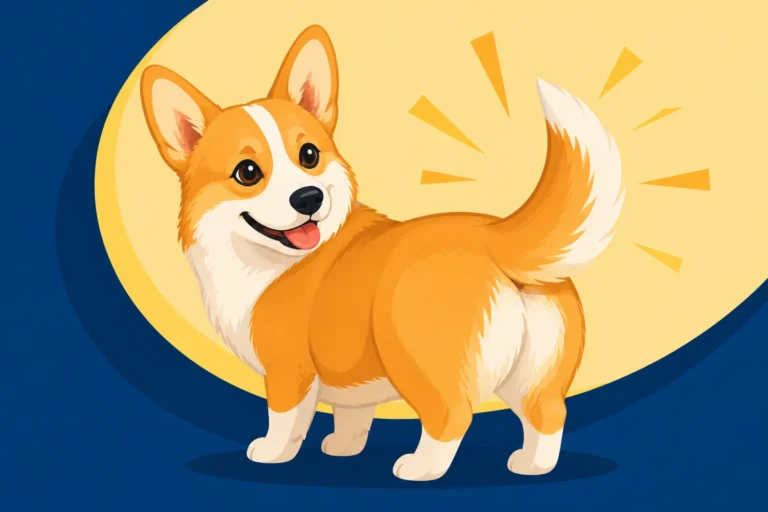
While they are short, Corgis are by no means fragile. Their bodies are long and stout, with powerful shoulders and hindquarters. This robust, muscular build gave them the strength and leverage needed to propel themselves quickly, change direction sharply, and maintain their footing on uneven terrain. They needed to be able to accelerate from a standstill, turn on a dime, and stop just as suddenly. Think of them as compact, powerful little athletes. Their broad chest and strong front legs, while contributing to their low profile, also provided excellent stability and endurance, crucial for a full day of working a herd. This combination of low height and sheer power is truly what made them such effective herding machines.
The Importance of a Strong Back
Given their distinctive long back, many modern Corgi owners rightly worry about spinal health. However, in their original working context, a strong, flexible back was absolutely vital. It allowed for the quick, darting movements required to nip at heels and evade kicks. This isn't the fragile, delicate back that some might assume; it's designed for functional movement. However, it’s important to remember that centuries of selective breeding for certain traits, and changes in lifestyle, have introduced new considerations for their spinal health today. A dog with a weak back wouldn't last long working cattle. Their bodies were built for resilience, even if that resilience has to be carefully managed in a modern pet. Understanding Why a Corgi's Back Is Built the Way It Is can give us a lot of insight into their history.
Here's a quick look at how their physical traits connect to their herding job:
| Physical Trait | Herding Function | Benefit to Farmer |
|---|---|---|
| Short Legs | Enables working under cattle | Avoids kicks, reduces injury, increases work duration |
| Long Body | Allows for quick pivots and darting movements | Agile pursuit and evasion, better control |
| Powerful Chest/Legs | Provides stability, propulsion, and endurance | Can work all day, maintains footing on rough ground |
| Stout Build | Resilience against bumps and scrapes | Hardy, less prone to minor injury from livestock |
| Alert Ears & Eyes | Excellent sensory input for herd awareness | Quick reactions to changing herd dynamics |
More Than Just Height: The Corgi's Innate Herding Instincts
While their physical build was perfectly suited for the job, a Corgi’s success as a cattle dog wasn’t just about anatomy. It was equally, if not more, about their incredible intelligence, tenacity, and deeply ingrained herding instincts. These dogs were problem-solvers, strategists, and courageous workers, all packed into a compact frame.
Genetic Hardwiring for Herding
Corgis possess a natural drive to gather and control movement, a trait known as the "herding instinct." This isn't something they were merely taught; it was bred into them over generations. They had an inherent understanding of how to move animals, how to use their body language, and how to apply just enough pressure to achieve the desired result without causing panic or injury. This deep-seated instinct meant that even a young Corgi pup, with minimal training, would often display rudimentary herding behaviors. It’s why you might see your Corgi trying to "herd" your children, other pets, or even you around the house! They're just following their ancestral programming. You can see this dedication even when they are untrained, simply through observation of their natural play. The Cattle-Driving Nip a Corgi Still Has is a direct echo of this genetic hardwiring.
Independent Thinkers and Problem Solvers
Herding cattle, especially across open land, is not a simple task. It requires independent thought, quick decision-making, and the ability to adapt to changing situations. Corgis weren't just robots following commands; they were intelligent partners to the drovers. They could assess the movement of the herd, anticipate where an animal might break away, and react instinctively to prevent it. This high level of cognitive function made them incredibly valuable. They didn’t need constant instruction, often knowing what needed to be done before the drover even gave a command. This independent streak is still very much present in our modern Corgis, which can sometimes be mistaken for stubbornness! They're just very capable of making their own decisions, sometimes to our amusement, and sometimes to our gentle frustration.
Focus and Tenacity in the Face of Giants
Imagine being a tiny dog, faced with a herd of powerful, much larger animals. It takes immense courage, focus, and tenacity to stand your ground and guide them. Corgis possessed this in spades. They weren't easily intimidated and had an incredible ability to concentrate on the task at hand, ignoring distractions. This unwavering focus, combined with their sheer determination, allowed them to persist until the job was done. They understood the hierarchy and their role within it. This tenacity is a hallmark of the breed, a trait that makes them wonderfully resilient but can also lead to a dog that's incredibly single-minded when they've set their heart on something. You might notice your Corgi's intense focus when they are playing with a favorite toy from a store like Chewy, or when they are determined to get that last crumb from under the sofa!
The Art of "Heel Nipping": How Corgis Moved Cattle
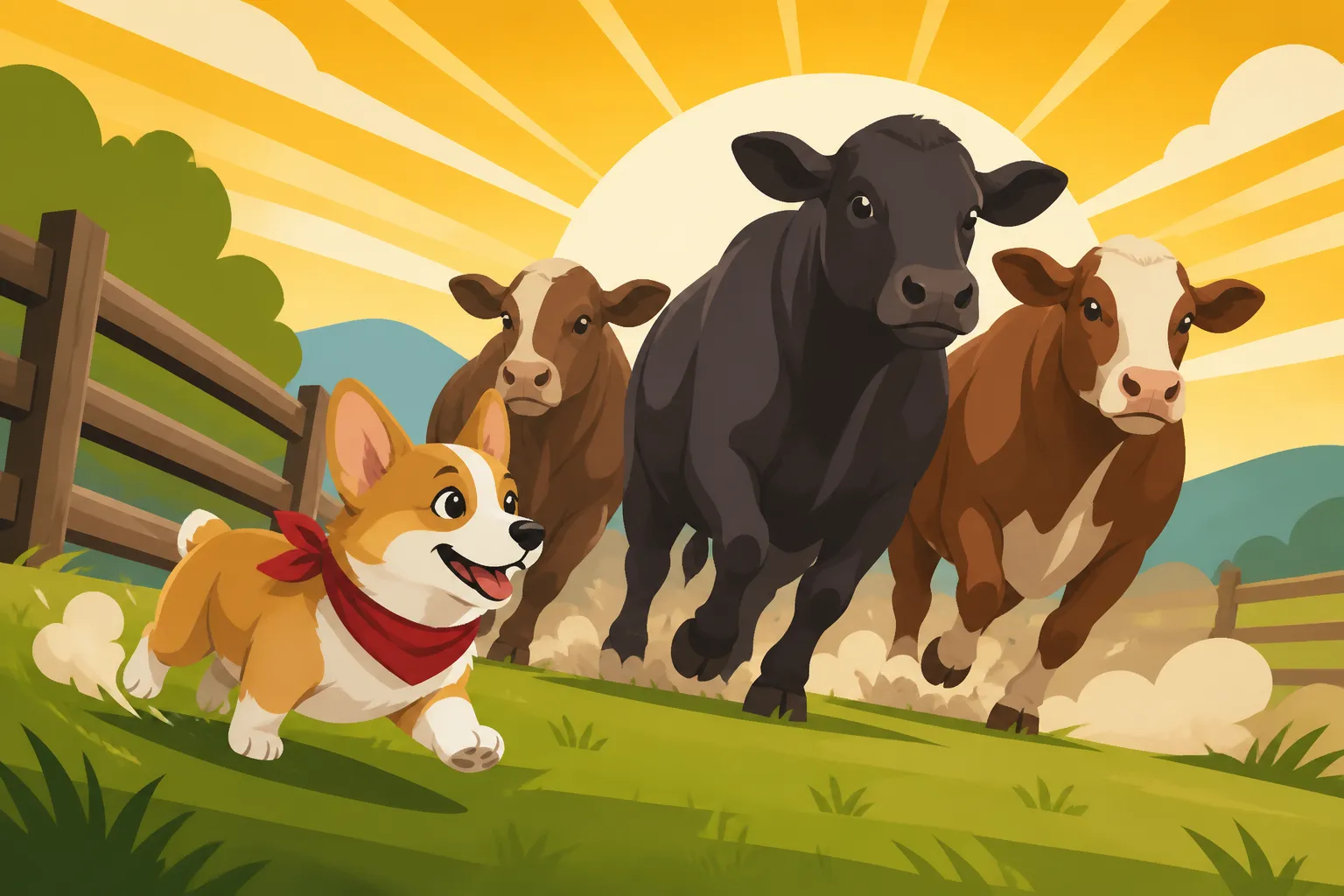
The core technique Corgis employed to move cattle was known as "heel nipping." It's a precise, strategic method that demonstrates both their intelligence and their physical prowess. This wasn't a haphazard biting attack, but a calculated action designed to elicit a specific response from the cattle.
Targeting the Lower Legs
The Corgi's genius lay in knowing exactly where to apply pressure. They didn't nip at the cattle's flanks or heads, which would have been dangerous and ineffective. Instead, they focused on the lower legs and heels. This area is sensitive but not prone to severe injury from a dog's nip. A quick, sharp nip to the heel would startle the cow, prompting it to move forward. This was enough to encourage movement without causing panic or making the cow turn to confront the dog. It was a perfectly calibrated interaction, honed over generations. This method allowed them to steer large, stubborn animals with surprising efficiency, much like a tiny, furry rudder.
The Quick Dash and Retreat
The heel-nipping technique wasn't just about the nip itself; it was about the swift execution and subsequent retreat. A Corgi would dart in, deliver a quick nip, and then immediately drop low or dash away, disappearing from the cow's sight and avoiding any retaliatory kicks. This hit-and-run strategy was crucial for their safety. They didn't engage in prolonged grappling; it was all about speed and precision. This requires incredible agility, quick reflexes, and an acute understanding of timing – knowing exactly when to approach and when to disengage. It's a testament to their innate intelligence and understanding of animal behavior.
Communication and Control
Beyond the physical action, heel nipping was a form of communication. It was a clear signal to the cattle: "Move, or I'll do it again." The Corgi essentially became an extension of the drover's will, using its sharp instincts to enforce movement. Their persistent presence, coupled with these well-timed nips, instilled a sense of urgency in the herd. They were teaching the cattle to respect their presence and respond to their signals. This level of control, achieved by a dog so small, truly highlights What a Welsh Corgi Did on a Farm All Day. It wasn't just chasing; it was guiding, persuading, and directing a much larger animal. Today, you might see similar attempts at control when your Corgi nips at your heels during playtime or tries to steer you towards their food bowl from Chewy.
Modern Echoes: Corgis and Herding Today
While most Corgis today live far removed from open pastures and herds of cattle, their ancient instincts still run deep. These ingrained behaviors aren't just quirks; they're echoes of a profound working heritage that can still be channeled and enjoyed in appropriate ways.
Herding Trials and Instinct Tests
For Corgi owners who want to honor and engage these ancestral traits, herding trials and instinct tests offer a fantastic outlet. These events provide a safe, controlled environment for Corgis to demonstrate their natural abilities with various types of livestock, often sheep or ducks rather than cattle. It’s truly incredible to watch a Corgi, often a house pet by day, instantly switch into "work mode" when presented with animals to herd. They display the same focus, strategic thinking, and drive that their ancestors did centuries ago. Participating in these activities can be incredibly rewarding for both dog and owner, strengthening their bond and providing vital mental and physical stimulation. Exploring Herding Trials and Instinct Tests for a Corgi can reveal just how engaging this activity can be.
Redirecting Natural Instincts
Even if you never plan to put your Corgi on a farm, understanding their herding background is key to managing their behavior at home. Many common Corgi behaviors, like nipping at ankles, circling people, or "patrolling" the house, are direct manifestations of their herding instincts. Instead of suppressing these instincts, we can redirect them into positive, constructive activities. Puzzle toys, interactive games, and structured play can provide an outlet for their intelligence and drive. Teaching them to "herd" a ball into a basket, or engaging in scent work, can be incredibly satisfying for a Corgi. A good quality tug toy from Chewy can also provide an excellent outlet for their energy and mouthiness, without directing it at human ankles! Redirecting these natural urges is far more effective than trying to eliminate them. Reading Redirecting a Corgi Off Ankles offers practical advice on this.
The Enduring Spirit of the Working Corgi
Even the most pampered Corgi lounging on a velvet cushion still carries the spirit of its drover ancestors. They are intelligent, tenacious, and remarkably adaptable dogs. While their primary role has shifted from the farm to the family home, their core characteristics remain. This deep history explains why they are such engaging, often stubborn, and utterly charming companions. Understanding their heritage helps us appreciate their unique personalities and provides insight into their needs. It reminds us that our fluffy, low-riding friends are not just cute faces; they are descendants of incredibly capable working dogs. They may not be driving cattle anymore, but their enduring spirit of purpose and determination is still very much alive. Even today, Whether Corgis Still Work Cattle is a question many enthusiasts love to explore.
Disclaimer
This article is for general informational purposes only and does not constitute professional advice. Laws, prices and regulations vary by location and change over time. Consult a qualified professional for guidance on your specific situation.