Plaque on an Older Corgi’s Molars
You know that distinctive "dog breath" smell? For Corgi parents, it can often be more than just a passing whiff; it's a constant, sometimes stomach-churning reality. This isn't just an unpleasant odor, especially in our older Corgis, but often a clear sign that plaque is building up on those precious molars, leading to pain and serious health issues. This guide is here to walk you through exactly why this happens, how to spot the early warning signs, and most importantly, what you can realistically do to keep your senior Corgi's mouth healthy and their breath a little less potent.
Why Plaque Becomes Such a Problem for Older Corgis
It’s easy to overlook dental health in our furry friends, especially when they seem otherwise happy and well. But as our beloved Corgis age, their dental health can decline surprisingly quickly, often without us realizing the full extent of the problem until it's quite advanced. Plaque isn't just unsightly; it's a silent threat to their overall well-being.
The Anatomy of a Corgi Mouth and Plaque Formation
A Corgi's mouth is a busy place, and like ours, it's a perfect breeding ground for bacteria. Plaque starts as a soft, sticky film of bacteria, saliva, and food particles that constantly forms on the teeth. Think of it like that fuzzy feeling you get on your teeth first thing in the morning – that's plaque in its early stages. Every time your Corgi eats, tiny food residues get caught between teeth, along the gum line, and especially on those hard-working molars at the back. These spots are often harder to clean naturally through chewing.
Corgis, with their somewhat shorter muzzles compared to some breeds, can sometimes have teeth that are a little crowded. This crowding creates more nooks and crannies where plaque can hide, making it even harder for their tongues or even dental chews to reach. Plus, our Corgis are low riders! They explore the world nose-first, often picking up bits and bobs from the ground, all of which contribute to the bacterial load in their mouths. As they get older, their immune systems might not be quite as robust, making them more susceptible to bacterial overgrowth. It's a cumulative effect; years of eating, exploring, and a lack of consistent dental hygiene all contribute to this silent enemy taking hold.
The Progression from Plaque to Tartar and Beyond
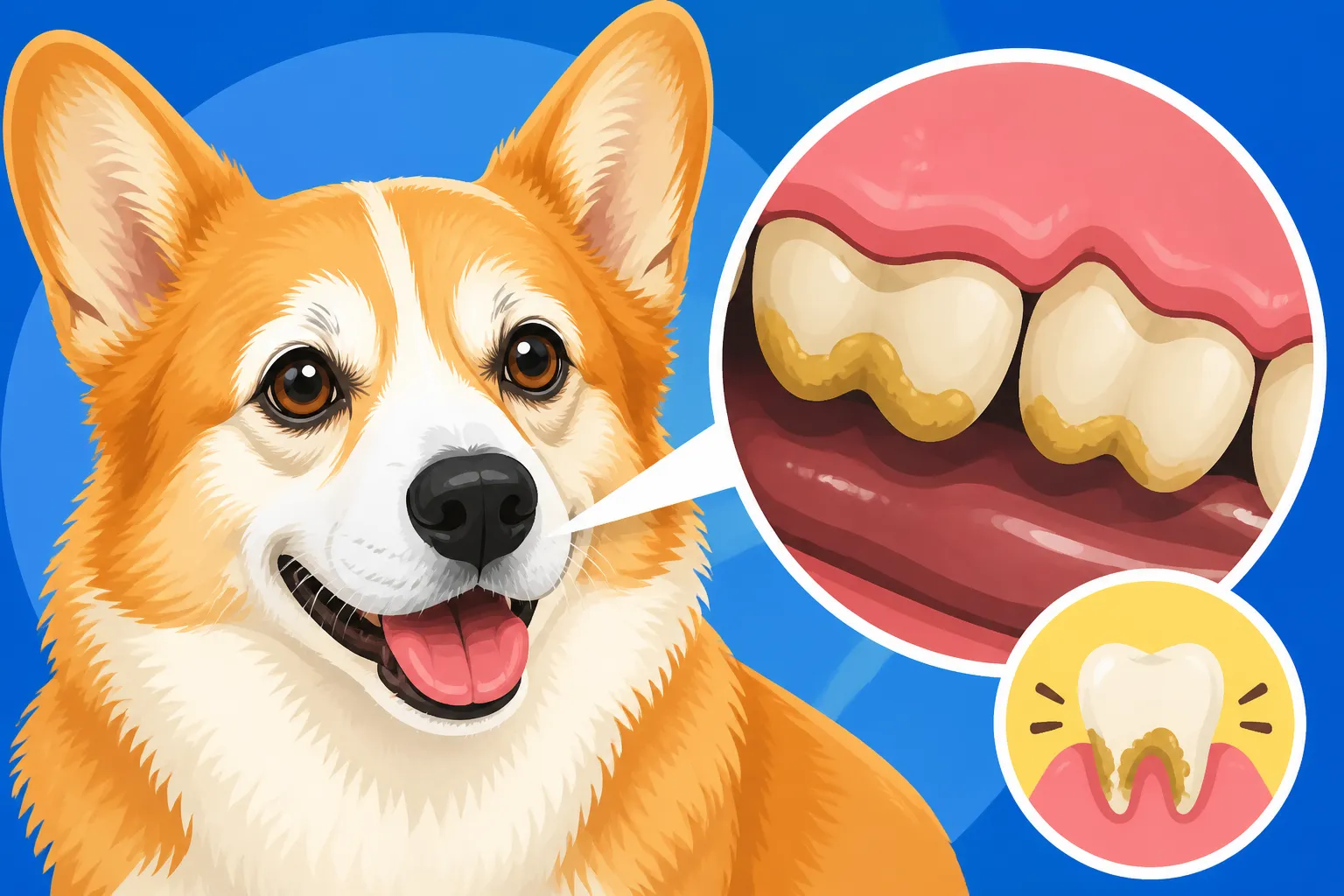
If that soft plaque isn't removed regularly, a more serious problem emerges. Within a matter of days, the minerals in your Corgi's saliva react with the plaque, causing it to harden into tartar (also known as calculus). This isn't just superficial; tartar is incredibly stubborn and adheres firmly to the tooth surface, often appearing as a yellowish or brownish crust, particularly noticeable on the molars and near the gum line. Once tartar forms, you can't simply brush it away at home. It requires professional dental tools to remove.
The real danger starts when this tartar builds up under the gum line. It pushes the gums away from the teeth, creating pockets where even more bacteria can thrive, completely out of sight. This leads to gingivitis, an inflammation of the gums, which often presents as redness, swelling, and sometimes bleeding. If left unchecked, gingivitis progresses to periodontal disease – a far more destructive condition. Periodontal disease attacks the supporting structures of the tooth, including the bone and ligaments. This is where teeth become loose, infection spreads, and pain becomes chronic. The bacteria from these infections can even enter your Corgi's bloodstream, potentially impacting vital organs like the heart, kidneys, and liver. It's a stark reminder that Corgi Dental Disease is not just about bad breath; it's about systemic health.
Spotting the Signs of Plaque and Dental Trouble in Your Senior Corgi
It's heartbreaking to think our Corgis might be in pain, and dental pain is often insidious, meaning it creeps up slowly and can be very hard to detect until it's advanced. They're masters at hiding discomfort, a remnant of their survival instincts. That's why being vigilant about subtle changes is so crucial, especially as they enter their golden years.
Visual Cues and What to Look For
The first line of defense is a good old visual inspection, though it can be a challenge with a wiggly Corgi! Try to make it a calm, regular routine, even if it's just a quick peek. Gently lift their lips to examine their teeth and gums. You're looking for that tell-tale yellowish or brownish buildup, especially on the molars at the back of their mouth. These molars do a lot of grinding work and are often the first place to show significant plaque and tartar. Don't forget to check the teeth furthest back, which can be easily missed.
Beyond the actual plaque, pay close attention to the gums. Healthy gums should be a nice, salmon pink color, firm and tight around the teeth. If you see redness, swelling, or even bleeding when you gently touch them, that's a red flag for gingivitis. Sometimes, you might even notice a thin, red line along the gum line where it meets the tooth – another sign of inflammation. In more advanced stages, you might see pus around the gums or notice that some teeth look loose or are actually missing. Losing teeth is a serious concern, and you can learn more about this by reading Tartar and Tooth Loss in an Older Corgi. Don't be afraid to take a flashlight and really get a good look inside; sometimes the most critical issues are hidden in plain sight.
Behavioral Changes That Indicate Dental Pain
While visual cues are important, behavioral changes are often the first sign that something is amiss and your Corgi is experiencing pain. It’s easy to dismiss these as "just old age" or "being picky," but they warrant investigation. One of the most common signs is a change in eating habits. Your Corgi might suddenly become reluctant to eat their hard kibble, even if they've always loved it. They might approach their bowl, sniff, and then walk away, or try to eat but drop pieces of food. They could start chewing very slowly, favoring one side of their mouth, or simply prefer softer foods you offer, like canned food or chicken.
Beyond eating, look for excessive drooling, especially if it's thick or tinged with blood. Some Corgis might paw at their mouth or rub their face against furniture or your leg, trying to alleviate discomfort. And then there's the breath – not just slightly offensive dog breath, but truly foul, putrid breath that makes you recoil. This strong odor is a hallmark of significant bacterial infection in the mouth. Finally, observe their overall demeanor. A Corgi in chronic dental pain might become more irritable, withdraw from interaction, or flinch if you try to touch their face or head. Any of these subtle shifts in behavior should prompt a call to your vet.
Proactive Steps to Manage and Prevent Plaque Buildup
The good news is that even if your Corgi already has some plaque buildup, there are many things you can do to manage it and prevent future issues. The key is consistency and combining at-home care with professional veterinary attention. Think of it as a multi-pronged attack on those stubborn molars!
At-Home Dental Care Routines
Starting an at-home dental routine might feel daunting, especially with an older Corgi who isn't used to it, but even small steps can make a big difference. The gold standard for at-home care is daily tooth brushing. You'll need a dog-specific toothbrush – some are finger brushes, others are traditional brushes with softer bristles – and enzymatic dog toothpaste. Never use human toothpaste, as it contains ingredients toxic to dogs. Start slowly, letting your Corgi taste the toothpaste, then gradually introduce the brush, focusing on the outside surfaces of the teeth, particularly the molars where plaque accumulates most. Aim for gentle circular motions, targeting the gum line. It might take time and patience, but even brushing a few teeth daily is better than none. You can find a great selection of these tools on platforms like Chewy or Amazon, making it easy to get started. For more specific guidance, check out Brushing Along a Corgi's Back Teeth.
Beyond brushing, dental chews and toys can be a helpful adjunct, but they are rarely a substitute for brushing or professional cleaning. Look for VOHC (Veterinary Oral Health Council) approved products, as these have been scientifically proven to help reduce plaque and tartar. Always supervise your Corgi with dental chews to prevent choking or broken teeth, especially with harder chews. Water additives and dental wipes can also contribute to better oral hygiene, working to reduce bacteria in the mouth. While these home care methods are fantastic for prevention and maintenance, remember they are most effective when started early and consistently applied.
Here's a quick comparison of common at-home dental care methods:
| Method | Description | Pros | Cons | Best For |
|---|---|---|---|---|
| Tooth Brushing | Manual cleaning with dog-specific brush and enzymatic toothpaste. | Most effective for plaque removal. | Requires daily commitment, can be challenging. | Prevention & maintenance, early plaque. |
| Dental Chews | Specially designed chews to scrub teeth and freshen breath. | Enjoyable for dogs, some are VOHC-approved. | Not a substitute for brushing, can be a choking hazard, calorie-dense. | Mild plaque, freshening breath. |
| Water Additives | Liquid added to drinking water to reduce oral bacteria. | Easy to administer, no active participation from dog. | Variable effectiveness, some dogs dislike taste. | Maintenance, general oral health support. |
| Dental Wipes | Textured wipes used to clean tooth surfaces and gum line. | Quick and easy for superficial cleaning. | Less effective for back teeth or heavy tartar. | Quick clean-ups, maintenance between brushes. |
| Dental Sprays/Gels | Sprayed or applied directly to teeth to reduce bacteria. | Easier than brushing for some dogs, no rinsing needed. | Less effective than brushing, relies on dog's cooperation for application. | Dogs who resist brushing, freshening breath. |
The Importance of Professional Veterinary Cleanings
While at-home care is a vital part of the routine, it simply isn't enough to tackle established tartar or underlying gum disease. Think of it like your own teeth – you brush every day, but you still need professional cleanings from your dentist. For Corgis, especially older ones, professional veterinary dental cleanings are often essential. During a professional cleaning, your veterinarian will perform a thorough examination, often including dental X-rays to check the health of the tooth roots and jawbone – things you can't see just by looking. Then, under anesthesia, they will use ultrasonic scalers, just like your dentist, to meticulously remove plaque and tartar from above and below the gum line. After scaling, the teeth are polished to create a smooth surface, which helps delay future plaque attachment. Any diseased or painful teeth will be extracted, providing immense relief for your Corgi.
The mention of anesthesia often makes Corgi parents anxious, especially with older dogs. It's a valid concern, but modern veterinary anesthesia is incredibly safe, even for seniors. Your vet will conduct pre-anesthetic blood work and possibly other diagnostics to ensure your Corgi is a good candidate. This is where topics like Pre-Anesthetic Testing on a Corgi That Bleeds and Dental Sedation on a Corgi That Bleeds become incredibly relevant. They'll also monitor your Corgi closely throughout the procedure. The benefits of a clean, pain-free mouth far outweigh the minimal risks of anesthesia. Regular professional cleanings, combined with consistent at-home care, are the most effective way to manage your Corgi's dental health throughout their life, reducing the risk of pain, infection, and tooth loss.
Diet and Lifestyle Adjustments for Corgi Dental Health
Beyond direct dental care, what you feed your Corgi and how you approach their overall health can significantly impact their oral hygiene. It's all connected, after all! A healthy body supports a healthy mouth, and vice versa.
Choosing the Right Food for Dental Support
When it comes to feeding your Corgi for dental health, there's a bit of nuance. Many people assume hard kibble is always better than wet food for cleaning teeth, and while textured kibble can offer some minor mechanical abrasion, it's rarely enough to remove significant plaque. Think about eating a hard biscuit – it doesn't clean your teeth! However, some prescription dental diets are specifically designed with unique kibble shapes and coatings that, combined with special ingredients, can actively reduce plaque and tartar buildup. These often carry the VOHC seal of approval and can be a valuable part of your Corgi's dental health strategy. You can typically find these specialized diets through your vet or on pet supply sites like Chewy or Amazon.
If your Corgi already has significant dental pain or missing teeth, softer foods might be necessary to ensure they can eat comfortably. Brands like Ollie offer fresh, human-grade food that can be easier on sensitive mouths. However, if feeding softer foods, it becomes even more critical to maintain a diligent at-home brushing routine, as there's less mechanical action to help scrub the teeth. Regardless of the food type, avoiding sugary treats and human foods that can stick to teeth and promote bacterial growth is key. Remember, precise portion control is also important for older Corgis, as weight gain can exacerbate many health issues, including dental problems. This ties into topics like Feeding an Old Corgi Fewer Calories and Why a Corgi's Food Is Weighed, Not Scooped.
Regular Vet Visits and Early Intervention
Perhaps the most crucial lifestyle adjustment for a Corgi's dental health, especially as they get older, is simply maintaining a schedule of regular veterinary check-ups. These annual visits are not just for vaccinations; they're an invaluable opportunity for your vet to assess your Corgi's overall health, including a thorough oral examination. Often, issues can be spotted during these routine checks long before they become painfully obvious to you at home. Early detection means less advanced disease, simpler and less expensive treatment, and less discomfort for your Corgi.
During these appointments, your vet can check for gum inflammation, loose teeth, or any suspicious growths in the mouth. They can also discuss your Corgi's body condition score, which is also really important for their back and joints, as discussed in What Changes in a Corgi's Care After Ten. Don't hesitate to voice any concerns you have about your Corgi's breath, eating habits, or any changes you've noticed. They can guide you on the best at-home care methods, recommend appropriate dental products like Chews That Suit a Corgi's Bite, and advise you on when a professional dental cleaning might be necessary. Think of your vet as your partner in keeping your Corgi's mouth healthy and comfortable for all their golden years. This comprehensive care approach also affects What a Healthy Adult Corgi Costs Monthly, so it's wise to factor dental care into your budget.
Disclaimer
This article is for general informational purposes only and does not constitute professional advice. Laws, prices and regulations vary by location and change over time. Consult a qualified professional for guidance on your specific situation.