A Corgi Puppy That Turns Its Nose Up
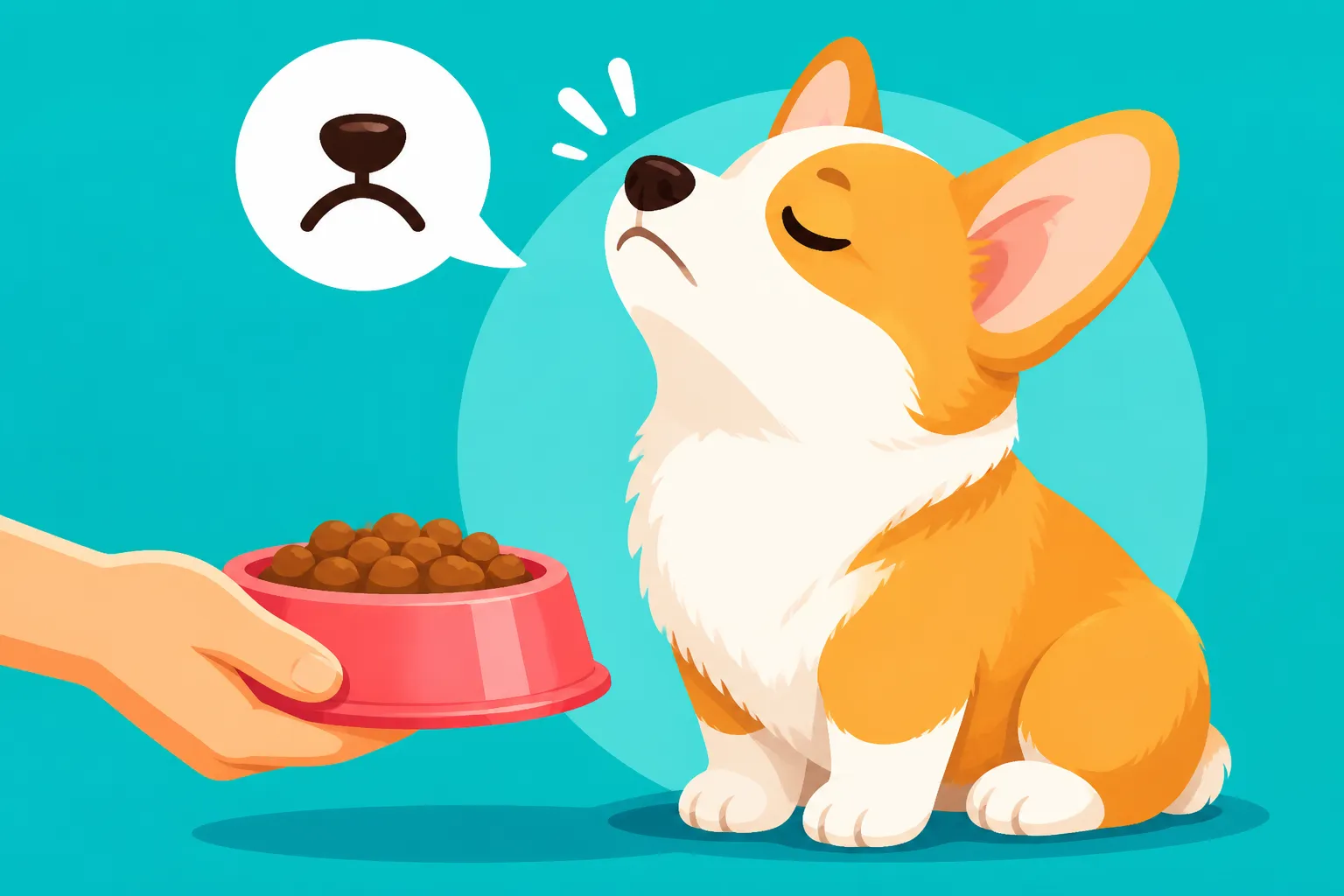
Bringing home a new Corgi puppy is an incredibly exciting time, full of little wiggles, clumsy bumbles, and endless charm. But that joy can quickly turn into worry when your sweet, fluffy bundle of energy suddenly turns their nose up at their food bowl, leaving you wondering if they're okay, if you're doing something wrong, or if you've just brought home the pickiest eater on four short legs. It's a common and often frustrating situation for new Corgi parents, and this guide is here to walk you through the whys and hows of dealing with a Corgi puppy who just isn't interested in dinner.
Understanding Why Your Corgi Puppy Might Be Refusing Food
It's truly alarming when a puppy, especially one as food-motivated as Corgis are stereotypically known to be, just isn't eating. You might be picturing them as tiny, ravenous wolves, and when they refuse a meal, it feels fundamentally wrong. But there are actually many reasons why a Corgi puppy might decide that kibble isn't their favorite thing in the world right now, and most of them are perfectly normal, if a little stressful for you.
The Stress of a New Home Environment
Imagine being taken from everything you've ever known – your littermates, your mother, the familiar smells and sounds of your first home – and suddenly being placed in a brand new world. That's exactly what your Corgi puppy experiences when they come home with you. This transition, while exciting for us, can be incredibly overwhelming and stressful for a young pup. They might be feeling anxious, unsure, and a little lost, and when a creature is stressed, appetite is often one of the first things to go.
They're taking in new sights, new sounds, new smells, and trying to figure out where they fit in. This sensory overload can easily put them off their food for a day or two, sometimes even longer. It's not that they don't like the food, but rather that their little brains are too busy processing the huge life change to think about eating. Giving them a quiet, safe space to eat, away from the hustle and bustle, can make a world of difference during these initial days. Patience and routine are your best friends here.
Changes in Diet or Feeding Schedule
Most reputable breeders will send you home with a small supply of the food your puppy has been eating, along with a recommendation to stick with it for a while or transition slowly. However, sometimes, you might need to switch foods due to availability, your personal preference, or the advice of your vet. Even if it's the same brand, a different flavor or formula can throw a puppy off. Their digestive systems are sensitive, and abrupt changes can lead to an upset stomach, which naturally makes them less inclined to eat.
Beyond the type of food, a change in feeding schedule can also be a culprit. At the breeder's, they might have been free-fed, or had meals at different times than what you've set up. Consistency is incredibly important for puppies, not just for house training but also for regulating their appetite. If your puppy is used to eating at specific times, suddenly offering food at random intervals can confuse their internal clock and make them less hungry when mealtime actually arrives. This is why establishing a clear, consistent feeding schedule from day one is so crucial. You can find excellent advice on this in our guide on How Often a Corgi Puppy Is Fed Before Six Months.
Too Many Treats or Human Food Scraps
It's hard to resist those adorable Corgi puppy eyes, especially when they're begging for a piece of your dinner or another training treat. But this can quickly become a major reason why your puppy is turning up their nose at their actual meals. If they're filling up on calorie-dense treats or getting a little too much human food, even in small amounts, they simply won't be hungry for their kibble. Think of it like a child who spoils their dinner with too many cookies.
Corgis are notoriously food-motivated, which makes them fantastic for training, but it also means they'll often "hold out" for the good stuff if they know it's an option. Establishing clear boundaries around treats and human food is vital. Treats should be high-value but small, and accounted for within their daily calorie intake. Our article, Scraps That Undo a Corgi's Diet, offers more insights into why this is so important for their overall health.
Ruling Out Health Concerns When Food is Refused
While many instances of a Corgi puppy turning their nose up at food are behavioral or environmental, it’s absolutely critical to consider and rule out potential health issues. A sudden and sustained loss of appetite, especially when accompanied by other symptoms, is always a red flag that warrants a call to your veterinarian. As a responsible Corgi owner, knowing when to worry and when to simply adjust your approach is key.
When to Contact Your Veterinarian
If your Corgi puppy refuses food for more than 24 hours, or if they show any other signs of illness alongside their lack of appetite, it’s time to call the vet. These accompanying signs can include lethargy, vomiting, diarrhea, difficulty breathing, limping, changes in urination, or pain when touched. Young puppies have very little reserve, and they can dehydrate or become hypoglycemic (low blood sugar) much faster than adult dogs. What might seem like mild pickiness in an adult could be much more serious in a puppy.
Don't hesitate or try to "wait and see" if your gut tells you something is wrong. A quick vet visit can provide peace of mind or, if needed, lead to early intervention for a treatable condition. It's far better to be safe than sorry, and your vet would much rather see a healthy, picky puppy than one who has declined significantly. Remember, their annual vet visits are a crucial part of their care, as outlined in The Vet Visits a Corgi Puppy Needs First.
Common Medical Reasons for Appetite Loss
Several medical conditions, some common in puppies, can lead to a loss of appetite. Understanding these can help you describe symptoms to your vet more accurately:
- Upset Stomach/Gastrointestinal Issues: Puppies are notorious for exploring with their mouths, which can sometimes lead to them eating something they shouldn't, causing an upset stomach. Parasites, such as worms, are also common in puppies and can cause discomfort and a reduced appetite. Your vet can perform a fecal test to check for these.
- Dental Pain: Just like human babies, puppies go through a teething phase. Sore gums or loose puppy teeth can make eating dry kibble uncomfortable or painful. If you notice your puppy struggling to chew, dropping food, or acting irritable around their mouth, it might be a dental issue. Providing appropriate Chews a Teething Corgi Can Have can sometimes help.
- Infections: Puppies can pick up various infections, from mild kennel cough to more serious viral or bacterial infections. These can often be accompanied by fever, lethargy, and a general feeling of unwellness that reduces appetite.
- Vaccine Reactions: Sometimes, puppies can feel a little under the weather after vaccinations, experiencing mild lethargy and a temporary decrease in appetite for a day or so. This is usually self-limiting, but it's still good to mention to your vet if it concerns you.
- Foreign Body Obstruction: If a puppy has swallowed a toy, bone, or other non-food item, it can cause an obstruction in their digestive tract, leading to vomiting and a complete loss of appetite. This is an emergency situation.
| Symptom | Indicative of Pickiness/Stress | Indicative of Potential Illness |
|---|---|---|
| Appetite | Misses a meal, eats later | Refuses food for >24 hours |
| Energy Level | Normal or slightly subdued | Lethargic, unusually sleepy |
| Vomiting | Rare or single isolated event | Frequent, projectile, or bloody |
| Diarrhea | Soft stool, normal frequency | Watery, frequent, bloody |
| Weight | Consistent or slight dip | Rapid weight loss |
| Behavior | Still playful, attentive | Withdrawn, uninterested in play |
| Other Signs | None | Fever, coughing, sneezing, pain |
This table can serve as a quick reference, but always err on the side of caution and consult your vet if you're unsure.
Strategies to Encourage a Healthy Appetite in Your Corgi Puppy
Once you've ruled out any serious health concerns with your vet, it's time to become a detective and a strategist. Encouraging a picky Corgi puppy to eat isn't about force-feeding; it's about making mealtime a positive, appealing experience and setting them up for success.
Establishing a Consistent Feeding Routine
This is perhaps the most fundamental step. Puppies thrive on routine, and a predictable schedule helps regulate their digestive system and hunger cues. Decide on fixed meal times – usually 2-3 times a day for a young Corgi puppy – and stick to them as much as possible. Offer the food for a set period, say 15-20 minutes, and then pick up any uneaten food.
This teaches your Corgi that food is available at specific times, and if they don't eat it, it goes away. This isn't being mean; it's teaching them to respect meal times. Leaving food out all day (free-feeding) often backfires with picky eaters, as they learn there's no urgency to eat, and the food can become stale and less appealing. Our article Why a Corgi Should Never Eat Free Choice elaborates on the importance of scheduled feeding for Corgis.
Making Food More Appealing
Sometimes, it's not the idea of eating, but the food itself that's turning your Corgi puppy off. Consider these options to make their meals more enticing:
- Warm it up: A little warm water (not hot!) mixed into kibble can release aromas and make the food softer and more palatable. Just ensure it's not too mushy.
- Add a topper: A spoonful of plain canned pumpkin, a little low-sodium chicken broth, or a small amount of plain yogurt can work wonders. Some pet food stores or online retailers like Chewy offer specific food toppers designed to tempt picky eaters. Be mindful of introducing new things slowly to avoid tummy upsets.
- Try wet food: If your Corgi puppy consistently turns down kibble, a high-quality wet food might be more appealing due to its stronger smell and different texture. You could also try mixing a small amount of wet food with their dry kibble.
- Consider fresh food options: Brands like Ollie offer fresh, human-grade dog food that many picky eaters find irresistible. While it's a different approach, the higher palatability can sometimes be the key to getting a reluctant eater to dig in. Just be sure to transition slowly to avoid digestive upset.
- Rotate flavors (carefully): Some dogs appreciate variety. If your puppy is consistently turning their nose up at one flavor, you might try a different one within the same high-quality brand. However, do this sparingly and with careful observation, as too much change can also lead to pickiness.
Creating a Calm and Safe Eating Environment
Where and how your Corgi puppy eats can be just as important as what they eat. A chaotic mealtime environment can deter even a hungry pup.
- Quiet Location: Choose a calm, low-traffic area for their feeding station. Away from slamming doors, loud TVs, or other pets and children. This allows them to focus on eating without feeling anxious or rushed.
- Comfortable Bowl: Ensure their bowl is clean and appropriately sized. Some puppies prefer elevated bowls, while others are fine with bowls on the floor. For fast eaters, a slow-feeder bowl can be beneficial, turning mealtime into a bit of a game and preventing them from scarfing down food too quickly, which can lead to upset stomachs. You can find various types of bowls on platforms like Amazon.
- No Distractions: Avoid hovering over them or trying to "encourage" them too much while they're eating. Give them space and privacy. If they seem hesitant, step away and let them approach the food on their own terms.
Exercise Before Meals
A tired Corgi is often a hungry Corgi! A good play session or a short, stimulating walk before mealtime can work up an appetite. Just be sure not to over-exercise a young puppy, as their joints and stamina are still developing. Short bursts of appropriate play are usually sufficient.
Long-Term Habits for a Happy, Healthy Eater
Getting your Corgi puppy to eat consistently is just the first step. The goal is to establish lifelong healthy eating habits that support their overall well-being and prevent future issues, especially given that Corgis are prone to weight gain and spinal problems.
Consistency and Avoiding Human Food
Once you've found a food your Corgi puppy enjoys and a routine that works, stick to it. Consistency is the bedrock of good habits. This also means being firm about not sharing human food. While a tiny morsel here and there might seem harmless, it can quickly teach your Corgi to hold out for better offerings, reinforcing picky behavior. Many human foods are also toxic to dogs, as detailed in Kitchen Foods That Poison a Corgi.
It's tempting to cave when they give you those big, pleading eyes, but remember you're doing them a favor by ensuring they eat a balanced diet designed for their needs. A Corgi's weight is a serious health consideration, and extra calories from human food can quickly add up, contributing to conditions like disc disease. You can learn more about Why Corgi Weight Is a Spinal Problem and how crucial it is to manage.
Monitoring Body Condition and Weight
Even if your Corgi puppy seems to be eating well, it's essential to regularly monitor their body condition. You want them to be lean, with easily palpable ribs but not visible ones, and a noticeable waistline when viewed from above. Corgis, with their thick double coats, can hide weight gain surprisingly well. What appears to be a "fluffy" puppy can quickly become an overweight adult. Our guide on The Body Condition Score a Corgi Should Hold provides excellent visuals and advice on how to assess your Corgi's physique.
A Corgi puppy should grow steadily, but they shouldn't be chubby. Whether a Chubby Corgi Puppy Is a Problem is a critical question, and the answer is usually yes. Excess weight, even in puppyhood, puts undue strain on their developing joints and spine. If your puppy is eating but still seems too thin or too round, consult your vet to adjust their food portions or caloric intake.
Re-evaluating Food Choices Over Time
What works for a young puppy might not be ideal for an adult Corgi. As they mature, their nutritional needs change. You might transition from a puppy formula to an adult formula around 10-12 months of age, or if they are still showing signs of pickiness, you might explore different high-quality brands. There are so many excellent brands available on marketplaces like Chewy and Amazon, designed for various life stages and dietary needs. Some owners even opt for specialized diets like those from Ollie, focusing on fresh ingredients as their Corgi grows.
Always introduce new foods gradually over 7-10 days, mixing increasing amounts of the new food with decreasing amounts of the old food. This slow transition helps prevent digestive upset and allows your Corgi to adjust to new flavors and textures without feeling overwhelmed. Our article on Moving a Corgi to New Food Over Ten Days explains this process in detail.
Remember, a Corgi puppy that turns its nose up at food can be a temporary challenge, but with patience, consistency, and a keen eye for their overall health, you can guide them towards becoming a happy, healthy eater.
Disclaimer
This article is for general informational purposes only and does not constitute professional advice. Laws, prices and regulations vary by location and change over time. Consult a qualified professional for guidance on your specific situation.