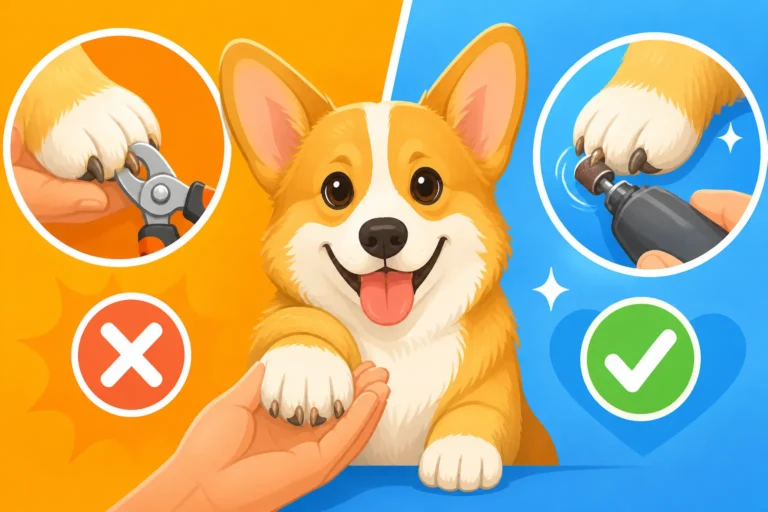
Whether a Fluffy Corgi Can Be Shown
It’s a common dream for Corgi owners, especially those new to the breed, to imagine their adorable, spirited companion gracing the show ring, tails wagging (or wiggling, if they’re Pembrokes!). You spend countless hours admiring their conformation, their bright eyes, their charming personalities. But then you hear whispers of "fluffies" and "disqualifying faults," and if your beloved Corgi has a coat that seems a little extra, you might be wondering if your show ring aspirations are a non-starter. This guide will dive deep into the world of the fluffy Corgi, the breed standard, and what that means for stepping into the spotlight.
Understanding the Corgi Breed Standard and Coat Types
When we talk about showing a Corgi, specifically in conformation events, we're talking about presenting a dog that adheres as closely as possible to the official written "breed standard." This standard is essentially the blueprint for the ideal Corgi, detailing everything from temperament and movement to eye color and, yes, coat type. It's how judges assess dogs, and it's what breeders strive for in their breeding programs.
The Accepted Pembroke Welsh Corgi Coat
For the Pembroke Welsh Corgi, the breed standard is quite clear about the preferred coat. It calls for a medium-length double coat with a dense, soft undercoat and a coarser, weather-resistant outer coat. This "harsh" outer coat is meant to shed water and protect the dog from the elements, a practical necessity for a working herding dog. You'll see a slight ruff around the neck and some feathering on the legs and breeches, but it should all lie relatively flat and be proportionate to the dog's body.
This specific coat texture and length aren't just about aesthetics; they're deeply rooted in the Corgi's history as a hardy herding dog. Imagine these short-legged dynamos working in the sometimes damp, often rugged Welsh countryside, nipping at the heels of cattle. Their double coat was their natural armor, providing insulation and protection. A coat that was too long or too soft would quickly become waterlogged, matted, and impractical for the job. Breeders have, for generations, focused on producing dogs that maintained this functional coat, and it remains a core part of the breed's identity and showing criteria.
What Exactly is a "Fluffy" Corgi?
So, if that's the standard, what's a "fluffy" Corgi? Well, a fluffy Corgi is, in essence, a Corgi with a genetically different coat. It's not just a little bit longer; it's significantly longer, softer, and often has much more exaggerated feathering around the ears, chest, legs, and tail than the standard permits. Instead of the coarse outer coat, a fluffy Corgi's outer coat feels much silkier, almost like cotton, and lacks that harsh, protective texture. This means the coat often stands away from the body rather than lying flat.
The fluffy coat is caused by a recessive gene, sometimes referred to as the "fluffy gene" or the "long coat gene." This means a Corgi can carry the gene for fluffiness without actually being fluffy. If two carriers are bred, there's a chance some puppies in the litter will inherit two copies of the gene and display the fluffy coat. It's important to remember that a fluffy Corgi is still 100% a purebred Corgi. Their pedigree is just as legitimate as a standard-coated Corgi; they simply express a trait that falls outside the breed's aesthetic and functional standard. Why the Fluffy Corgi Gene Persists
The Disqualification Clause in the Breed Standard
Now, here's where your show ring dreams for a fluffy Corgi hit a snag. The Pembroke Welsh Corgi breed standard, like many others, includes specific clauses for disqualifying faults. And yes, a "fluffy" coat is explicitly listed as one of these. This isn't a judgment on the dog's health, temperament, or worth as a companion; it's purely a declaration that the dog does not meet a fundamental physical requirement for conformation competition.
When a judge encounters a fluffy Corgi in the conformation ring, they are obligated to excuse the dog, meaning it cannot be placed or awarded points towards its championship. This rule exists to preserve the distinct characteristics of the breed as outlined in the standard. Without such rules, breed type could drift significantly over generations, and the very essence of what makes a Corgi a Corgi could be lost. So, while your fluffy Corgi is undeniably beautiful and full of personality, they will not be eligible to compete in traditional conformation events. For a deeper dive into the specific language, you might want to look up The AKC Pembroke Welsh Corgi Standard or The Fluffy Corgi and the Standard.
Life Beyond the Conformation Ring for a Fluffy Corgi
It can be disappointing if you had visions of your fluffy Corgi prancing to Best in Show. But here's the wonderful truth: the show ring is just one tiny facet of the rich, fulfilling life a Corgi can have. Your fluffy friend is still a fantastic companion, and there are countless other ways they can shine and bond with you.
Still a Purebred Corgi, Still a Wonderful Companion
A fluffy Corgi is every bit as much a Corgi as their standard-coated siblings. They have the same mischievous intelligence, the same stubborn streak, the same deep loyalty, and the same hilarious "big dog in a small body" attitude that we all adore. Their unique coat doesn't change their heart or their spirit. In fact, many people specifically seek out fluffy Corgis for their distinctive look, finding them even more endearing. These dogs are incredible family pets, often thriving in homes with active lifestyles and plenty of engagement.
Their personality is what truly defines them, far more than the length of their fur. They'll still follow you from room to room, offer their distinct "Corgi leans," and demand belly rubs with an unwavering gaze. They'll charm everyone they meet, and their fluffy appearance often makes them even more of a conversation starter! The love and joy they bring to a household are immeasurable, and that's what truly counts at the end of the day.
Exploring Other Dog Sports and Activities
Just because conformation is off the table doesn't mean your fluffy Corgi can't be a star! The world of dog sports is vast and welcoming to all kinds of breeds and coat types. Corgis, with their sharp minds and athletic potential, excel in many of these activities. Think about dog obedience, where they can earn titles for demonstrating good manners and responsiveness, or Rally Obedience, which is a fantastic blend of obedience and teamwork.
Agility is another popular choice, though for a Corgi, especially with their long backs, you'll want to be mindful of jump heights and careful about twisting motions. Agility With a Corgi's Back in Mind is a great resource if you're considering this. Scent work, where dogs use their powerful noses to locate hidden odors, is absolutely fantastic for Corgis – it taps into their natural intelligence and doesn't put any strain on their bodies. Barn Hunt, Fast Cat (for speed demons), and even dock diving (if they're keen on water!) are all viable options. These activities provide mental stimulation, physical exercise, and a wonderful way to strengthen the bond between you and your dog, proving that a fluffy Corgi can certainly be a champion in other arenas.
Managing the Fluffy Coat
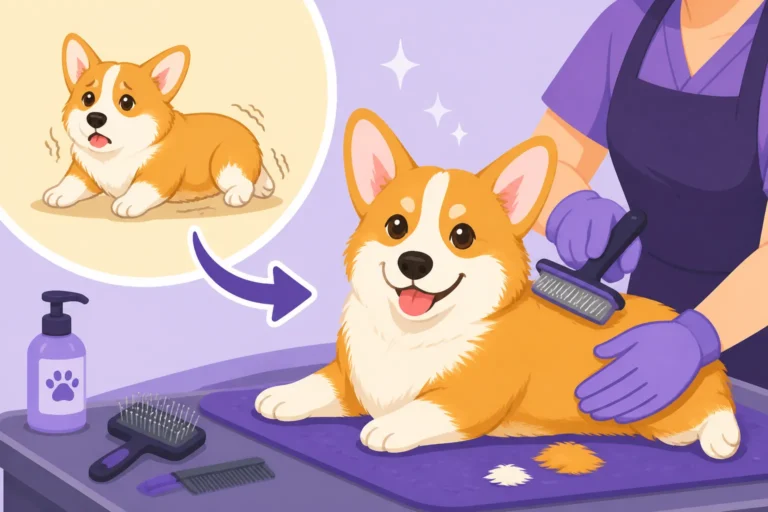
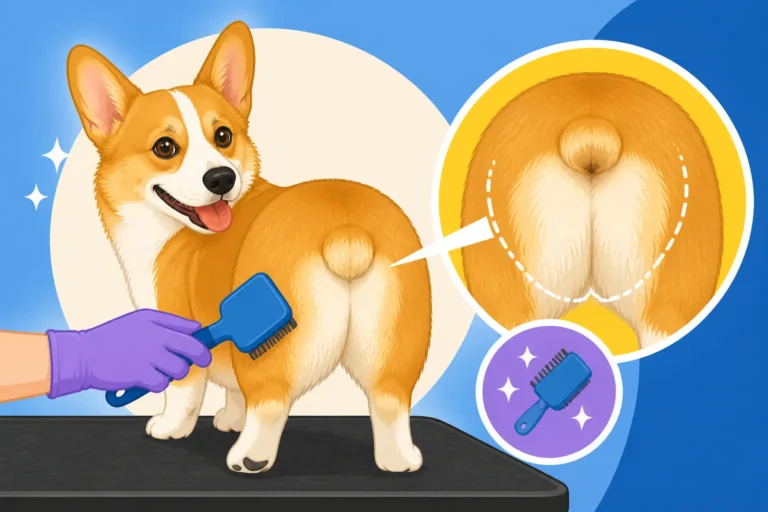
While a fluffy coat is visually striking, it does come with increased grooming demands. That extra length and softer texture mean it's more prone to matting, especially behind the ears, in the "armpits," and on the breeches. Mud and burrs can also become more easily entangled in the longer fur, especially given how low Corgis sit to the ground. You'll likely find yourself spending more time brushing and maintaining their coat than you would with a standard-coated Corgi.
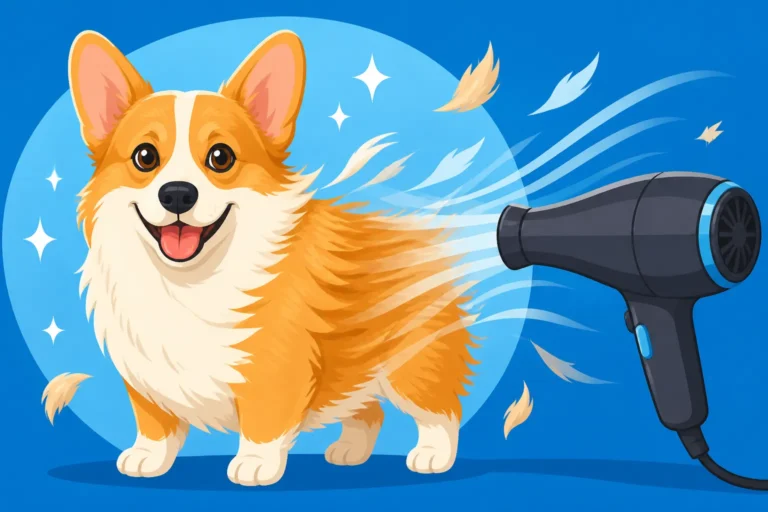
Regular grooming is key to keeping a fluffy Corgi comfortable and healthy. This usually means daily brushing, particularly during shedding seasons, using tools specifically designed for dense double coats. An undercoat rake and a good metal comb are your best friends. These help to remove loose undercoat and work through any tangles before they become serious mats. You'll also want to pay special attention to keeping the feathering clean, especially after walks. Many owners find a high-velocity dryer invaluable for quickly and thoroughly drying a fluffy coat after a bath, which helps prevent skin issues. You can find excellent grooming tools and products on sites like Chewy or Amazon to help keep that beautiful fluffy coat in top condition. The Rake and Comb a Corgi Coat Actually Needs is a helpful resource for specific tools.
The Breeder's Role and Responsible Ownership
Understanding how fluffy Corgis come about and how reputable breeders handle them is crucial for anyone looking to add a Corgi to their family, whether you're interested in showing or just want a wonderful pet.
How Fluffies Occur in Litters
It's a common misconception that fluffy Corgis are the result of "bad" breeding. In reality, even the most reputable and responsible breeders, striving to produce Corgis that meet the breed standard, can occasionally have fluffy puppies in their litters. This is because the fluffy gene is recessive. A Corgi can carry a single copy of the fluffy gene and still have a perfectly standard coat. If two such "carrier" Corgis are bred together, statistically, about 25% of their puppies could inherit two copies of the gene and display the fluffy coat. The parents themselves might both have show-quality coats, yet still produce fluffies.
This is why DNA testing for the fluffy gene (often called the "furnishings" or "long hair" gene, depending on the lab) has become such a valuable tool for breeders. The DNA Tests a Corgi Breeder Should Run can help them make informed breeding decisions to either avoid producing fluffies or to understand the likelihood. A transparent breeder will be open about the genetic testing of their breeding dogs and will never try to hide the presence of a fluffy puppy in a litter. They understand that while a fluffy coat is a disqualifying fault in the show ring, it's not a health defect.
Ethical Considerations for Breeders and Buyers
For breeders, the ethical approach to fluffy Corgis is clear: acknowledge them, understand their genetic basis, and place them in appropriate homes. Reputable breeders will not try to pass off a fluffy Corgi as "rare" or charge an inflated price; in fact, often the opposite is true, as they cannot be shown in conformation. Whether a Fluffy Corgi Costs Less explores this further. Fluffy puppies are usually placed in loving pet homes with spay/neuter contracts to prevent them from being irresponsibly bred, especially if the goal is to reduce the incidence of the fluffy gene in the general breeding population.
For prospective buyers, it means being informed. If your primary goal is to show your Corgi in conformation, a fluffy Corgi is not the right choice for you. However, if you're looking for a delightful companion and you adore the unique look of a fluffy coat, then a fluffy Corgi could be perfect. Just be prepared for the extra grooming requirements, and ensure you're working with a breeder who is upfront about the coat type and its implications. Your Corgi, fluffy or not, deserves a home where they are loved and celebrated for all their wonderful qualities.
Here's a quick overview comparing the standard and fluffy Corgi coats:
| Feature | Standard Coat | Fluffy Coat |
|---|---|---|
| Length | Medium; lies flat to the body | Significantly longer; often stands away from body |
| Texture | Harsh, weather-resistant outer coat; soft undercoat | Soft, silky outer coat; lacks harshness |
| Feathering | Moderate on ruff, legs, breeches | Exaggerated and abundant feathering |
| Show Ring | Accepted and desired | Disqualifying fault in conformation |
| Grooming Needs | Moderate, regular brushing | Higher; more prone to matting, requires daily care |
| Genetic Cause | Normal gene expression | Recessive gene, meaning both parents are carriers |
| Breed Status | Purebred | Purebred |
Disclaimer
This article is for general informational purposes only and does not constitute professional advice. Laws, prices and regulations vary by location and change over time. Consult a qualified professional for guidance on your specific situation.