How a Fluffy Corgi Differs to Groom
If you’ve ever found yourself marveling at the sheer volume of fur on a regular Corgi, then encountering a “fluffy” Corgi can feel like stepping into an entirely different dimension of canine couture. Their glorious, flowing locks are undeniably beautiful, but they also present a unique set of grooming challenges that can leave even seasoned Corgi owners scratching their heads. This guide is here to walk you through exactly how a fluffy Corgi’s grooming needs differ, and more importantly, how you can tackle them with confidence to keep your magnificent companion comfortable and looking their best.
Understanding the Fluffy Corgi Coat
First, let's truly appreciate what makes a fluffy Corgi, well, fluffy. Unlike their standard-coated cousins, who sport a dense double coat with harsh guard hairs and a soft undercoat, fluffy Corgis possess a longer, softer, and often wavier outer coat. This isn't just a slight variation; it's a distinct genetic trait that transforms their entire grooming landscape. Where a standard Corgi's coat might shed in handfuls of dense undercoat, a fluffy Corgi’s shed can feel like an unending cascade of wispy, cotton-like fur.
The Genetics Behind the Fluff
The fluffy coat in Corgis is due to a recessive gene, often referred to as the "fluff gene" or FGF5 gene. Both Pembroke Welsh Corgis and Cardigan Welsh Corgis can carry this gene. For a Corgi to express the fluffy coat, they must inherit a copy of this recessive gene from both parents. This means that even two standard-coated Corgis who are carriers can produce fluffy puppies in a litter. While it's considered a fault in the show ring for both breeds because it deviates from the breed standard, a fluffy coat doesn't inherently impact a Corgi's health or temperament. It simply changes their appearance and, by extension, their grooming requirements. Understanding this genetic difference helps us appreciate why their fur behaves so differently under the brush.
For anyone who breeds Corgis, or is just curious, knowing if a dog carries the fluff gene is as simple as a DNA test. Reputable breeders will often test their breeding stock to understand their genetic makeup, even if they aren't directly aiming for or avoiding fluffy puppies. This transparency allows potential owners to know exactly what kind of coat to expect and to prepare for the specific grooming needs that come with it. You might even hear breeders refer to a "fluffy factor" when discussing potential litters, which just highlights how common this gene can be within the Corgi population.
Visual and Textural Differences
The most striking difference you'll notice is the length and texture. A standard Corgi's coat lies relatively flat, with shorter hair on the body and slightly longer "feathering" on the legs, chest, and britches. A fluffy Corgi, on the other hand, boasts an abundance of long, soft, and sometimes wavy fur all over, especially noticeable around the ears, neck, chest, belly, and hindquarters, where it forms magnificent "trousers" or a "skirt." The Long Coat on a Fluffy Corgi truly is a sight to behold.
This extended length and softer texture are what make fluffy coats so prone to tangles and mats. The guard hairs, which are typically coarser and act as a protective barrier in a standard coat, are much softer and less effective at repelling dirt and moisture in a fluffy Corgi. This means their fur can absorb more water during a bath, take longer to dry, and generally act like a magnet for burrs, twigs, and mud when they’re romping through the yard. The overall density remains, with a plush undercoat, but the outer layer becomes much more pliable and, dare I say, intricate to manage.
Essential Tools for Fluffy Corgi Grooming
Trying to groom a fluffy Corgi with just a basic slicker brush is like trying to bale hay with a tiny pitchfork – utterly ineffective and frustrating for everyone involved. Investing in the right tools is not just a luxury; it's a necessity that will save you time, prevent pain for your dog, and help maintain their beautiful coat. Think of it as your essential toolkit for navigating the fluffy wilderness.
Brushes and Rakes That Make a Difference
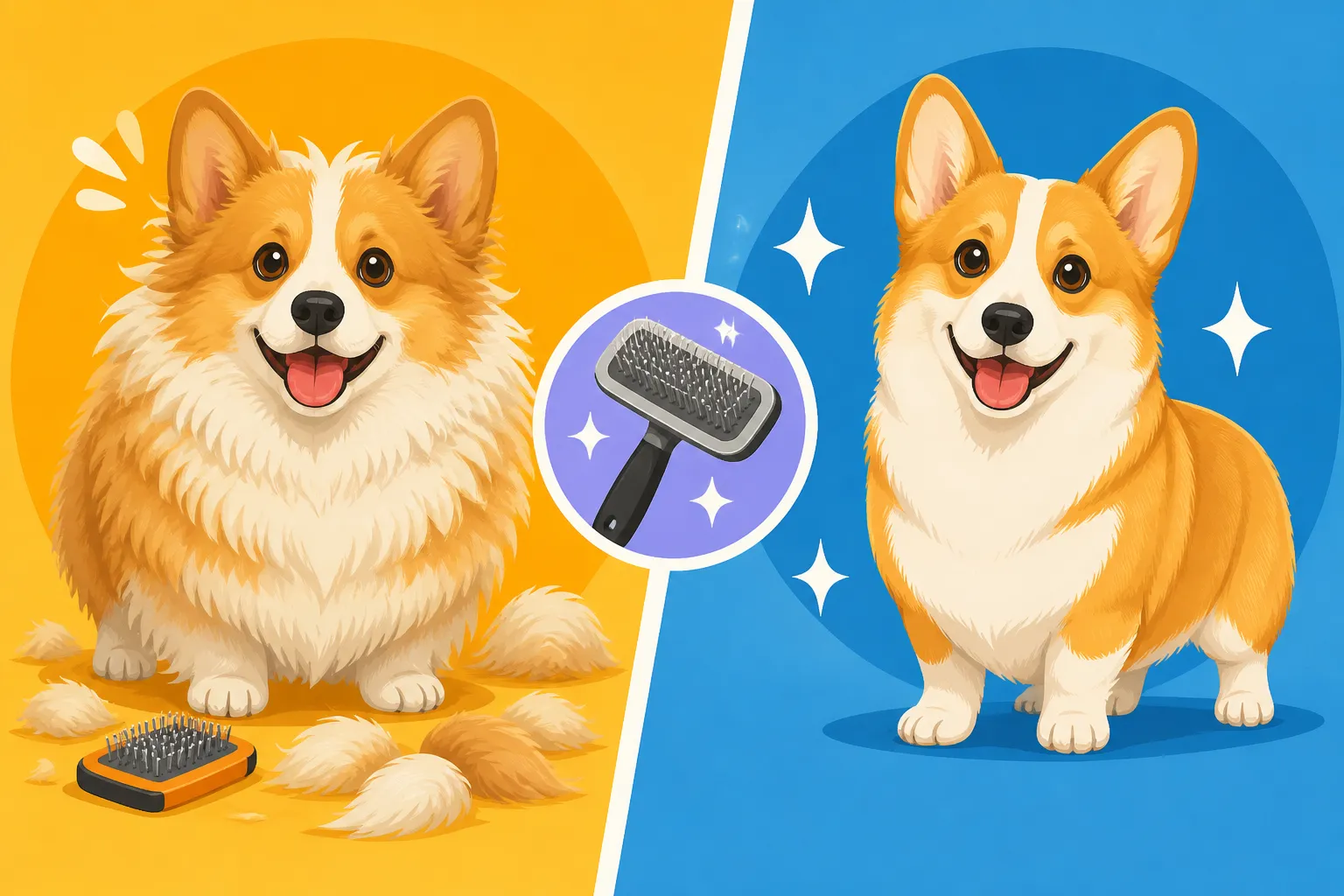
For a fluffy Corgi, you'll need an arsenal of brushes. First up is a good quality undercoat rake. These tools have long, widely spaced teeth designed to penetrate through the longer guard hairs and pull out loose undercoat without damaging the topcoat. This is crucial for preventing mats, especially during shedding season. Using an undercoat rake a few times a week can dramatically reduce the amount of fur floating around your house and keep your Corgi's coat healthy and breathable.
Next, a slicker brush with fine, sturdy pins is indispensable for working through smaller tangles and smoothing out the longer fur. After using the rake to get out the bulk of the undercoat, the slicker can help fluff up the coat and ensure all loose hairs are removed. You’ll also want a metal comb with both wide and fine teeth. The wide-toothed end is excellent for gently teasing apart small tangles, while the fine-toothed end can be used for delicate areas like behind the ears and on the feathering of the legs. Products from brands like Safari or Chris Christensen are often highly recommended for their durability and effectiveness. You can often find a great selection of these specialized tools on Chewy or Amazon.
Specialized Equipment for Drying
Drying a fluffy Corgi properly after a bath is just as important, if not more so, than the washing itself. Their dense, long coats can take ages to air dry, creating an ideal environment for moisture-related skin issues and, you guessed it, mats. A high-velocity dog dryer (sometimes called a force dryer or blaster) is an absolute game-changer. These aren't like human hairdryers; they blow a powerful stream of unheated or low-heated air that quickly separates the fur, pushing out water and blowing off loose undercoat. Blowing a Corgi Coat Out With a Dryer is the secret weapon of professional groomers and a must-have for fluffy Corgi owners.
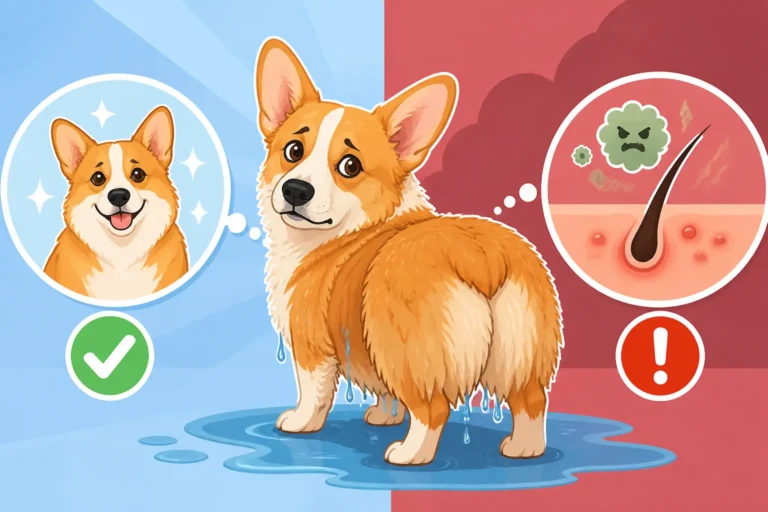
Without a force dryer, you're looking at hours of damp dog, which can lead to that dreaded "wet dog smell" and potential skin infections if moisture is trapped too long against the skin. While a good quality absorbent towel can start the drying process, it won't get to the root of that dense fluff. If a dedicated dog dryer isn't immediately feasible, using a regular human hairdryer on a cool or low-heat setting, held a safe distance from the coat, can help, but it will take much longer and might not be as effective. The goal is to get the coat completely dry down to the skin, which is a Herculean task without the right equipment.
The Fluffy Corgi Grooming Routine
Consistent effort is the cornerstone of successful fluffy Corgi grooming. It’s not about doing one massive session every few months; it’s about regular maintenance that prevents major issues from developing. Think of it as a commitment to their comfort and well-being, not just their appearance.
Bathing Your Fluffy Friend Thoroughly
Bathing a fluffy Corgi requires patience and the right products. Start by thoroughly wetting the coat, working the water down to the skin. This can take longer than you expect due to their dense undercoat. Use a good quality dog shampoo specifically formulated for double coats, or a de-shedding shampoo, if you're battling seasonal shedding. Lather well, ensuring the shampoo reaches every part of their skin, paying extra attention to the belly, armpits, and britches where dirt and oils tend to accumulate. Rinse, rinse, and rinse again – perhaps even twice as much as you think you need to. Any residual shampoo can irritate the skin and make the coat feel sticky, attracting more dirt. Follow up with a conditioner, which helps to soften the fur and make it easier to brush out. Shampoo That Suits a Thick Corgi Undercoat can make a huge difference in the outcome.
After rinsing the conditioner, gently squeeze excess water from the coat before reaching for the towels. Blot, don't rub, to avoid tangling the wet fur. Once towel-dried as much as possible, this is where your high-velocity dryer comes in. Work in sections, starting from the hindquarters and moving forward, using the nozzle to lift and separate the fur. This process is not just about drying; it's also about blowing out loose undercoat, which is incredibly satisfying and beneficial. Aim to dry your Corgi completely, right down to the skin, to prevent matting and skin issues.
The Critical Drying Process
I cannot emphasize enough how important the drying process is for a fluffy Corgi. A damp undercoat is an absolute breeding ground for skin problems, not to mention a magnet for mats. Once you've towel-dried as much as you can, it's time for the force dryer. Set up your drying station in an area where you don't mind a lot of loose fur flying around – a garage, utility room, or even outside on a mild day works well. Use the dryer systematically, section by section. Point the nozzle at the skin, moving it constantly to prevent discomfort from the air pressure. You'll see clouds of loose fur flying off, which is exactly what you want!
As you dry, use your free hand to lift and separate the coat, ensuring air gets to the deepest layers. Pay meticulous attention to dense areas like the ruff, the feathering on the legs, the stomach, and those magnificent "trousers." If you skip this step or don't dry thoroughly, the inner layers of the coat can remain damp for days, leading to hot spots, mildewy smells, and severe matting that will be much harder to remove later. This thorough drying process is also a fantastic opportunity for further de-shedding, as the force of the air helps release trapped undercoat. Getting a Corgi Dry Through the Undercoat is an art form that will make your life so much easier.
Daily and Weekly Maintenance
Daily and weekly maintenance is your first line of defense against the unique challenges of a fluffy Corgi coat. This isn't just for aesthetics; it's vital for their comfort and skin health. On a daily basis, a quick once-over with a pin brush or a metal comb, especially in high-friction areas like behind the ears, armpits, and britches, can prevent small tangles from becoming larger mats. A fluffy Corgi, unlike its standard counterpart, really needs this consistent attention.
Weekly, dedicate a longer grooming session, perhaps 30-60 minutes, where you use your undercoat rake and slicker brush to work through the entire coat. Start at the head and work your way back, ensuring you reach the skin with your brush strokes. This is where you’ll pull out the bulk of the loose undercoat that accumulates throughout the week. While standard Corgis shed all year, Whether a Corgi Really Sheds Every Day is particularly true for fluffies. During seasonal shedding periods, like spring and fall, you might need to increase these sessions to every other day, or even daily, to manage the incredible volume of hair. This regular routine will keep their coat healthy, reduce shedding around your home, and make bath times much less daunting.
Common Challenges and Solutions
Even with the best tools and intentions, grooming a fluffy Corgi can still present some hurdles. Their specific coat type means certain problems crop up more frequently, and knowing how to tackle them is key.
Dealing with Mats and Tangles
Mats and tangles are the arch-nemeses of fluffy Corgi owners. The longer, softer hair of a fluffy coat intertwines more easily, especially when exposed to moisture, friction (like rubbing against collars or lying down), or during heavy shedding. These mats can quickly become painful, pulling on the skin and even leading to skin infections if left untended. Whether a Fluffy Corgi Mats is not a question of if, but when, if you're not diligent.
The best solution is prevention through daily and weekly brushing. However, if you find a mat, resist the urge to pull or yank. This will only hurt your dog and make them dread future grooming sessions. Instead, try to work it out gently. You can use a detangling spray or a leave-in conditioner to help lubricate the hair. With a wide-toothed comb or the corner of a slicker brush, carefully tease apart the outer edges of the mat, working your way inward, little by little. If the mat is tight and close to the skin, a mat splitter or a pair of blunt-tipped scissors might be necessary. Always use extreme caution with scissors near your dog’s skin, cutting away from the body. If a mat is too large, too tight, or too close to the skin, it's always safer to consult a professional groomer. They have the experience and specialized tools to remove mats safely without injuring your Corgi.
Managing Seasonal Shedding in a Fluffy Coat
While Corgis shed year-round, seasonal "blowing coat" periods are on another level for fluffies. It can feel like your dog is trying to replace every single hair on their body within a few weeks. The amount of hair that comes off a fluffy Corgi during these times can be truly astonishing. How Many Handfuls Come Off a Corgi in Spring can feel endless with a fluffy coat.
During these peak shedding times, increase your grooming efforts. Daily brushing with an undercoat rake and slicker brush is paramount. Regular baths with de-shedding shampoo and conditioner can also help loosen and remove dead hair. The high-velocity dryer used during and after baths is your absolute best friend here, as it effectively blows out tons of loose undercoat that would otherwise end up on your furniture and floors. You might also consider using a tool like a Furminator, but use it sparingly and carefully on a fluffy coat, as excessive use can damage the delicate longer guard hairs. Focus on the undercoat and follow up with a regular comb to ensure you're not cutting or pulling the topcoat. Consistent effort during these periods will keep your Corgi more comfortable and your home a little less hairy.
Avoiding Common Grooming Mistakes
One of the biggest mistakes fluffy Corgi owners can make is thinking a good trim or shave in the summer will solve shedding or keep their dog cooler. This is a common misconception and can actually be detrimental to their coat and skin. Why a Clipped Corgi Ruins the Coat is a crucial piece of knowledge. A Corgi's double coat, whether standard or fluffy, acts as insulation, protecting them from both cold and heat. Shaving or closely clipping a double coat can disrupt its natural growth cycle, leading to patchy regrowth, texture changes, and can leave their skin exposed to sunburn and insect bites.
Instead of clipping, focus on thorough de-shedding. Removing the dead undercoat allows air to circulate closer to the skin, helping them regulate their temperature naturally. Another common mistake is neglecting grooming between baths. Because fluffies are so prone to matting, waiting until bath time to tackle tangles can lead to a nightmare scenario. Always brush before bathing to ensure there are no hidden mats that will only tighten when wet. Also, be mindful of the products you use. Stick to dog-specific shampoos and conditioners. Human products can have the wrong pH balance and strip natural oils from your Corgi's skin and coat, leading to dryness and irritation.
| Grooming Task | Standard Corgi | Fluffy Corgi | Key Difference |
|---|---|---|---|
| Brushing | 2-3 times/week | Daily or every other day | Longer, softer coat of fluffies mats much faster; requires more frequent and thorough brushing. |
| Tools | Undercoat rake, slicker brush | Undercoat rake, slicker brush, metal comb, mat splitter | Fluffies require a metal comb for fine tangles and often benefit from a mat splitter for stubborn areas. |
| Bathing | Every 4-8 weeks | Every 3-6 weeks, or as needed | Fluffies may need more frequent baths due to collecting more dirt; ensure thorough shampooing and conditioning. |
| Drying | Towel dry, maybe low-velocity dryer | High-velocity dog dryer is essential | Fluffies have much more hair and a denser undercoat, making full air-drying almost impossible without proper tools. |
| Mat Prevention | Moderate concern | High concern | Fluffy coats are significantly more prone to matting due to hair texture and length. |
| Shedding Mgt. | Consistent de-shedding | Aggressive de-shedding, especially seasonally | The sheer volume of hair shed by a fluffy Corgi during blow-outs is higher and requires more intensive effort. |
| Hair Trimming | Minimal/None (feet, sanitary) | Minimal/None (feet, sanitary) | Crucially, no shaving or close clipping for either, as it damages the double coat and its insulating properties. |
Grooming a fluffy Corgi is undeniably more involved than grooming a standard coat, but with the right tools, a consistent routine, and a bit of patience, it’s a rewarding experience. Your dedication will ensure your fluffy companion remains comfortable, healthy, and wonderfully magnificent, without being burdened by mats or excessive shedding. It's a journey, not a destination, but a beautiful one at that!
Disclaimer
This article is for general informational purposes only and does not constitute professional advice. Laws, prices and regulations vary by location and change over time. Consult a qualified professional for guidance on your specific situation.