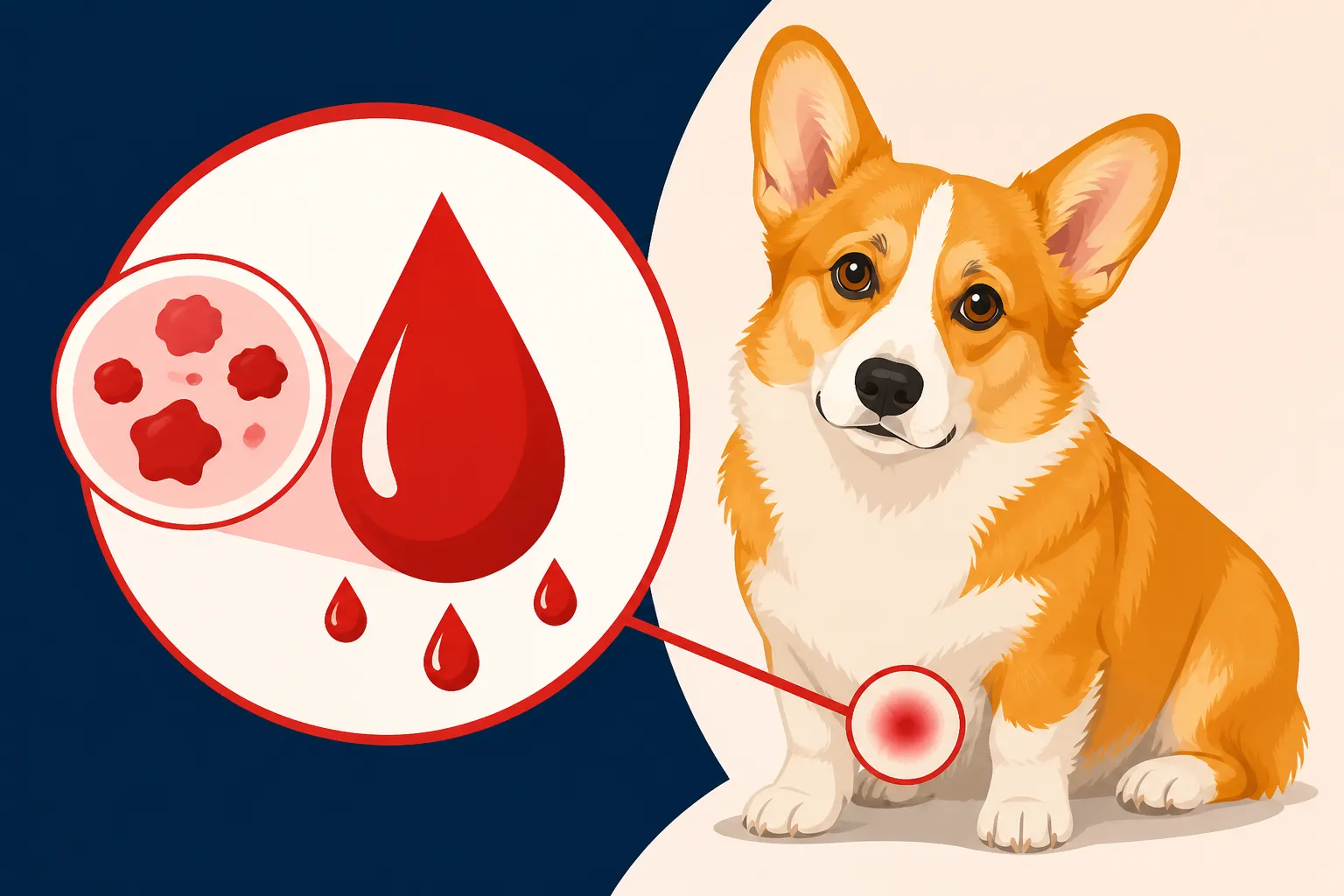
The Bleeding Disorder Pembrokes Carry
It's an incredibly gut-wrenching moment for any Corgi owner when you see something isn't quite right with your beloved companion, especially when it involves unexplained bleeding. That unexpected bruise, the minor cut that just won't clot, or even something more serious like a nosebleed that seems to come from nowhere, can send you into a spiral of worry. These aren't just isolated incidents; for many Pembroke Welsh Corgis, these signs can point to a serious underlying genetic condition known as Von Willebrand Disease. This comprehensive guide is here to walk you through understanding this bleeding disorder, how to recognize its signs, the steps to diagnosis, and crucially, how to manage life with a Corgi affected by it, offering peace of mind and actionable strategies.
Unpacking Von Willebrand Disease: What It Means for Your Pembroke
When we talk about bleeding disorders in dogs, especially Pembrokes, Von Willebrand Disease (vWD) often comes to the forefront. It’s not just a generic inability to clot; it's a specific, inherited condition that affects how a dog's blood clots properly. For owners, the term itself can sound daunting, bringing to mind serious health complications and constant vigilance. It’s important to understand that while serious, it is manageable with the right knowledge and proactive care. This disorder highlights the unique genetic predispositions that can make Corgis, with all their wonderful quirks, also vulnerable to specific health challenges.
The Genetic Blueprint of vWD in Corgis
At its core, Von Willebrand Disease is a genetic condition, meaning it's passed down from parent to offspring. For Pembroke Welsh Corgis, the most common form is Type 1 vWD. This particular type is inherited in an autosomal recessive manner, though it often presents as an incomplete dominant trait, which means that even dogs with only one copy of the affected gene can show some symptoms, though usually milder. The gene responsible codes for the Von Willebrand factor (vWF), a critical protein involved in the primary stages of blood clotting. If a Corgi inherits two copies of the faulty gene, they are considered "affected" and will likely exhibit significant bleeding issues. If they inherit one faulty copy, they are typically "carriers" and might have mild symptoms or none at all, but can still pass the gene on. This genetic component underscores why reputable breeders go to such lengths to screen their breeding stock, attempting to prevent the perpetuation of these troublesome genes.
Think of it like this: your dog's body has an internal repair crew for every tiny cut or scrape, and the Von Willebrand factor is a key member of that crew. If that member isn't present in sufficient numbers or isn't working correctly, the crew can't do its job efficiently. This can lead to what seems like overly prolonged bleeding from even minor injuries. The frustration for owners often comes from the unpredictability of these bleeding episodes, which can range from subtle to overtly alarming.
Understanding Von Willebrand Factor (vWF) and Its Role
To really grasp vWD, we need to talk about the Von Willebrand factor (vWF) itself. This isn't just a fancy name; it's a crucial glycoprotein that plays two vital roles in hemostasis, or the process of stopping bleeding. Firstly, vWF acts as a "glue" that helps platelets—the tiny cells responsible for forming a plug at the site of injury—stick to the damaged blood vessel wall. Without enough functional vWF, platelets struggle to adhere, making that initial plug weak or nonexistent. Secondly, vWF carries and protects another clotting protein called Factor VIII. If vWF levels are low or abnormal, Factor VIII is also prematurely broken down, further compromising the blood's ability to form a stable clot.
Imagine a dam with a leak. Platelets are like the first line of defense, trying to patch it up with small pebbles. vWF is the strong, sticky cement that helps these pebbles bind together and adhere to the dam wall. If the cement is faulty, the pebbles just wash away, and the leak persists. This double whammy is what makes vWD so challenging; it impairs both the initial platelet plug formation and the subsequent, stronger clot stabilization. This is why Clotting Tests Before a Corgi Goes Under for surgery are so incredibly important, as knowing their vWF status can literally be life-saving.
Different Types of vWD and How They Affect Pembrokes
While there are three main types of Von Willebrand Disease (Type 1, Type 2, and Type 3), Type 1 is overwhelmingly the most common form found in Pembroke Welsh Corgis. Each type is characterized by either a quantitative deficiency (not enough vWF) or a qualitative defect (faulty vWF), and their severity varies significantly.
- Type 1 vWD: This is characterized by a reduced concentration of normally structured vWF. Pembrokes typically fall into this category. Dogs with Type 1 usually have mild to moderate bleeding symptoms, and sometimes no obvious symptoms at all until a major event like surgery or a serious injury. The amount of vWF can range from 0-50% of normal, with higher percentages generally correlating with less severe bleeding. This variability can make it tricky to identify, as some carriers may go their entire lives without a noticeable bleeding episode, only for it to become a crisis during a routine procedure.
- Type 2 vWD: This type is much rarer and involves abnormal vWF, even if the total amount is relatively normal. The vWF simply doesn't function correctly. This typically leads to more severe bleeding issues than Type 1.
- Type 3 vWD: This is the most severe form, where there is a near-total absence of vWF. Dogs with Type 3 often experience spontaneous, severe, and life-threatening bleeding episodes. Fortunately, Type 3 is extremely uncommon in Pembrokes, being more frequently seen in breeds like Scottish Terriers and Chesapeake Bay Retrievers.
For your Pembroke, understanding that Type 1 is the primary concern allows you to focus your attention on the relevant screening and management strategies. The mildness of Type 1 can sometimes be a double-edged sword: it means many affected Corgis live relatively normal lives, but it also means the condition can go undiagnosed until a high-stakes situation arises, leaving owners blindsided by a sudden, dangerous bleeding crisis.
Recognizing the Subtle and Overt Signs of a Bleeding Problem
Identifying Von Willebrand Disease in your Pembroke can be challenging, largely because the symptoms, especially with Type 1, can be quite subtle or intermittent. It's not always a dramatic gush of blood; sometimes it's just a little more ooze than you'd expect. As Corgi owners, we become acutely attuned to every little change in our dogs, and this heightened observation is crucial when it comes to potential bleeding disorders. The key is to be aware of what to look for and to never dismiss persistent or unusual bleeding as "just one of those things."
Common Bleeding Manifestations in Affected Corgis
The signs of vWD can manifest in various ways, often depending on the severity of the deficiency. For many Type 1 affected Pembrokes, spontaneous bleeding might not be a daily occurrence, but when it does happen, it tends to be more significant than in unaffected dogs.
Here are some common signs that might make you suspicious:
- Nosebleeds (Epistaxis): These can range from minor trickles to more substantial flows that are difficult to stop. Unlike a quick, one-off nosebleed from an excited sneeze, a vWD-related nosebleed might recur or last for a surprisingly long time.
- Bleeding from Gums: You might notice blood when your Corgi chews a toy, or during teeth brushing. Persistent gum bleeding, even after a gentle chew, could be a red flag.
- Prolonged Bleeding After Injury or Surgery: This is often the most common way vWD is first diagnosed. A routine nail trim that won't stop bleeding, or excessive blood loss after a spay/neuter surgery, can be alarming indicators. Even a simple cut that takes ages to clot could point to an issue. This is why Bleeding Signs in a Corgi are so important to recognize, particularly after an event that should heal quickly.
- Bruising and Hematomas: You might notice unexplained bruises on your Corgi's skin, especially in areas prone to bumps, like the chest or belly. Sometimes, larger lumps (hematomas) can form under the skin where blood has pooled. These might appear after seemingly minor trauma, or even spontaneously.
- Blood in Urine or Stool: While these can be signs of many other conditions, persistent blood in the urine (hematuria) or dark, tarry stools (melena) which indicate digested blood, should always prompt a veterinary visit.
It’s important to remember that not every Corgi with one of these signs has vWD, but if you notice a pattern, or if bleeding seems excessive for the situation, it's definitely time to consult your vet.
When Everyday Scrapes Become Cause for Concern
Most Corgis, being active and low to the ground, will get their fair share of minor scrapes and cuts. A quick tumble in the yard, a brush against a sharp twig, or even a vigorous play session can result in a small injury. For most dogs, these bleed for a moment, and then the body's clotting mechanisms kick in, and the bleeding stops. For a Corgi with vWD, however, these everyday occurrences can become far more serious.
The concern arises when:
- Bleeding is unusually prolonged: A small cut on a paw pad might bleed for 20 minutes instead of 2-3. A minor scratch from a thorn continues to seep.
- Re-bleeding occurs: The wound seems to have stopped, but then starts bleeding again hours later, or with minimal re-trauma.
- The amount of blood seems disproportionate: A tiny nick from a nail trim resulting in a significant amount of blood that saturates a cotton ball and continues to well up.
- Easy bruising: You find unexplained bruises that appear after what seems like very little impact. Your dog may have bumped into a piece of furniture, and a day later, a large bruise appears. This is particularly concerning because it indicates fragile blood vessels or inefficient clotting in even internal capillaries.
These are the moments when a tiny voice in the back of your head should scream "This isn't normal!" It's easy to rationalise away a single incident, but keeping a mental note, or even a physical log, of these events can help you present a clearer picture to your veterinarian. This kind of anecdotal evidence, combined with a breed predisposition, often leads vets to consider genetic conditions like vWD.
Internal Bleeding and Its Vague Indicators
While external bleeding is alarming but visible, internal bleeding presents a different, often more insidious, challenge. It's hidden, and its signs can be vague, mimicking other illnesses. Internal bleeding can occur in joints, organs, or body cavities, and can be particularly dangerous as it may not be apparent until a significant amount of blood has been lost.
Indicators of potential internal bleeding might include:
- Lethargy and Weakness: Your normally energetic Corgi seems unusually tired, unwilling to play, or struggles with stairs. This is a general sign of illness, but can also point to anemia from blood loss.
- Pale Gums: Check your Corgi's gums. If they are normally bubblegum pink but suddenly appear pale or even whitish, it could be a sign of significant blood loss and anemia.
- Abdominal Distension: If there's bleeding into the abdominal cavity, your Corgi's belly might appear swollen or feel tense to the touch. This can be painful.
- Lameness or Swelling in Joints: Bleeding into a joint can cause it to swell, becoming painful and leading to lameness. You might notice your Corgi favoring a leg or reluctance to put weight on it.
- Vomiting Blood (Hematemesis) or Dark, Tarry Stools (Melena): While blood in the stool could be visible, digested blood often looks like black, sticky tar. Vomiting blood, whether fresh or looking like coffee grounds, is an immediate emergency.
- Unexplained Collapse: In severe cases of internal hemorrhage, a dog might suddenly collapse due to shock from massive blood loss.
If you observe any of these signs, especially in conjunction with a known or suspected bleeding tendency, it is absolutely critical to seek emergency veterinary care immediately. Time is of the essence when internal bleeding is suspected, and prompt intervention can make all the difference for your Corgi.
The Crucial Steps to Diagnosing Von Willebrand Disease
Getting a definitive diagnosis for Von Willebrand Disease is a multi-step process, especially because the clinical signs can be so varied and sometimes non-existent in milder cases. You might spend time worrying, researching, and perhaps even feeling dismissed before you get to the bottom of it. The good news is that with advances in veterinary medicine, particularly genetic testing, obtaining a clear diagnosis is more straightforward than ever, even if it feels like a journey.
Initial Vet Scrutiny and Suspicion
The diagnostic journey usually begins with your observations and your veterinarian's initial assessment. When you bring your Corgi in with concerns about bleeding, your vet will start by taking a thorough history. They'll ask detailed questions about:
- The nature of the bleeding: When did it start? How long does it last? How much blood is there? What triggers it?
- Previous incidents: Have you noticed any other unexplained bruises or prolonged bleeding in the past?
- Family history: Do you know if any relatives of your Corgi had bleeding problems? (Though often difficult for owners to ascertain without meticulous breeder records).
- Medications: Is your Corgi on any medications that could affect clotting? (Medications That Worsen Corgi Bleeding include things like NSAIDs, which can reduce platelet function).
During the physical exam, the vet will look for signs of anemia (pale gums), check for bruising, and examine any visible bleeding sites. Based on this, if vWD is suspected, they'll likely recommend some initial blood tests to get a general overview of your Corgi's clotting ability and overall health. These might include a complete blood count (CBC) to check for anemia and platelet count (though platelet count is usually normal in vWD), and a basic coagulation panel (like prothrombin time (PT) and activated partial thromboplastin time (aPTT)) to rule out other clotting factor deficiencies. While these initial tests are important, they usually don't specifically diagnose vWD, as vWF isn't a "clotting factor" in the same way as those measured by PT/aPTT. They serve more to narrow down the possibilities and rule out other conditions.
Specific Blood Tests for vWF Levels
Once other common bleeding disorders are ruled out, and suspicion for vWD remains high, your vet will likely recommend specific tests to measure the amount and function of Von Willebrand factor in your Corgi's blood. The most common diagnostic test is the vWF:Ag (Von Willebrand Factor Antigen) test.
Here’s how it works:
- Blood Sample Collection: A blood sample is taken, usually from a jugular vein, and sent to a specialized veterinary diagnostic lab.
- Measurement of vWF Concentration: The lab measures the concentration of vWF protein in the plasma. The results are typically reported as a percentage of normal.
- Interpretation:
- Normal: Usually above 70% of normal.
- Affected (Type 1): Typically below 50% of normal, often in the 0-20% range for severe cases.
- Carrier: May have slightly reduced levels (e.g., 50-70%) but often within the normal range, especially if they are asymptomatic. This is why vWF:Ag alone isn't always definitive for carrier status.
It's important to note that vWF levels can fluctuate based on stress, inflammation, and other factors, so sometimes repeat testing might be recommended. Additionally, some labs offer a platelet function test or buccal mucosal bleeding time (BMBT), which measures how long it takes for a standardized small incision in the mouth to stop bleeding. A prolonged BMBT can indicate a platelet or vWF defect, making it a good screening tool for general primary hemostasis issues, but it's not specific to vWD.
While the vWF:Ag test is excellent for diagnosing affected individuals, especially those with clear clinical signs, it might not always definitively identify carriers who have near-normal vWF levels but still carry the gene. This is where genetic testing truly shines.
Genetic Testing: The Definitive Answer
For a truly definitive diagnosis and, crucially, for accurate breeder screening, genetic testing is the gold standard for Von Willebrand Disease in Pembrokes. Unlike blood level tests, which can fluctuate or be less precise for carriers, a DNA test looks directly at the gene itself.
Here’s why genetic testing is so invaluable:
- Accuracy: A genetic test will tell you, with high certainty, whether your Corgi has two normal copies of the gene ("clear"), one normal and one faulty copy ("carrier"), or two faulty copies ("affected"). This information is stable throughout the dog's life and doesn't fluctuate.
- Early Detection: It can be performed on puppies as young as a few weeks old, allowing for early identification of affected or carrier status long before any clinical signs might appear. This is incredibly important for breeders, as it informs responsible breeding decisions.
- Breeding Decisions: Reputable breeders use genetic tests to ensure they are not inadvertently breeding affected or carrier dogs together, thus gradually reducing the prevalence of vWD in the breed. This aligns perfectly with the goal of The DNA Tests a Corgi Breeder Should Run to produce healthy puppies.
- No Clinical Signs Required: You don't have to wait for your Corgi to have a bleeding episode to get a diagnosis. This means proactive management can begin early.
Genetic tests for vWD are usually done via a simple cheek swab or blood sample, which is then sent to a specialized lab. Labs like OptiGen, for example, offer vWD testing. The results typically classify your dog as:
- Clear (N/N or Homozygous Normal): The dog has two normal copies of the gene and will not develop vWD or pass the gene to offspring.
- Carrier (N/VWD or Heterozygous): The dog has one normal and one faulty copy of the gene. They usually do not show severe symptoms, if any, but can pass the faulty gene to 50% of their offspring. How Many Corgis Carry Von Willebrand in the general population highlights the importance of this testing.
- Affected (VWD/VWD or Homozygous Affected): The dog has two faulty copies of the gene and is highly likely to develop clinical signs of vWD and will pass the faulty gene to 100% of their offspring.
This genetic clarity empowers owners to make informed choices about their Corgi's care and enables responsible breeders to safeguard the future health of the Pembroke Welsh Corgi breed. If you are getting a puppy, always ask to see the genetic test results of both parents for vWD, among other conditions.
Navigating Life with a Pembroke Welsh Corgi Affected by vWD
Receiving a diagnosis of Von Willebrand Disease for your Pembroke can feel overwhelming. You might worry about every scratch, every bump, and every routine procedure. However, it's not a death sentence, and many Corgis with vWD live full, happy lives. The key is proactive management, careful planning, and a close working relationship with your veterinarian. It means becoming a vigilant advocate for your Corgi, focusing on preventing crises rather than just reacting to them.
Managing Daily Risks and Preventing Injuries
The cornerstone of living with a vWD-affected Corgi is minimizing their risk of injury. This doesn't mean wrapping them in cotton wool and never letting them play, but it does require a heightened level of awareness and some strategic modifications to their environment and routine.
-
Environmental Adjustments:
- Smooth Surfaces: Try to minimize rough surfaces where your Corgi might scrape themselves. Consider soft rugs or runners over hard floors to prevent slips and cushion falls.
- Secure Play Areas: Ensure your yard or designated play spaces are free of sharp objects, exposed nails, thorny bushes, or anything that could cause a puncture or deep cut.
- Ramps and Steps: Corgis are prone to back issues, and jumping can be risky for their spine, but it can also increase the risk of injury. Providing ramps or steps to access furniture or vehicles can reduce impact injuries.
- Soft Toys: Opt for soft, pliable toys over hard, sharp ones that could potentially cause gum trauma or splinter.
-
Supervision: Close supervision, especially during play with other dogs or children, is vital. While a friendly romp is great for their mental and physical health, overly rough play could lead to unnoticed injuries. For dogs that are enthusiastic chewers, ensure their chew items are safe and won't cause oral bleeding.
-
Nail Care: Regular, careful nail trims are essential. Overgrown nails are more prone to getting caught and tearing, which can lead to prolonged bleeding in a vWD-affected Corgi. Consider using a nail grinder, which can be less likely to "quick" the nail than clippers, but always have styptic powder or cornstarch on hand just in case.
-
Dental Hygiene: Maintaining good dental health is critical. Periodontal disease can lead to inflamed gums, making them more prone to bleeding. Regular brushing with a soft brush, combined with vet-approved dental chews, can help keep their mouths healthy. However, always consult your vet about any dental procedures, as they pose a significant bleeding risk.
Remember, the goal isn't to eliminate all risk, which is impossible, but to significantly reduce the likelihood of situations that could trigger a bleeding crisis.
Dietary and Medication Considerations
What your Corgi eats and the medications they receive can have a profound impact on their bleeding tendency. This is a critical area where you need to be particularly diligent and always consult your vet.
-
Diet: While there isn't a specific "vWD diet," maintaining a healthy weight is paramount. Obesity puts extra strain on joints and generally reduces mobility, potentially increasing the risk of clumsy falls or injuries. A balanced, high-quality diet that supports overall health is always recommended. Discuss with your vet if any supplements might be beneficial; some owners explore vitamin K, but its efficacy for vWD is not proven and should never be given without veterinary guidance.
-
Medications to Avoid/Use with Caution: This is perhaps the most crucial area. Many common over-the-counter and prescription medications can interfere with blood clotting and must be avoided or used with extreme caution in vWD-affected dogs.
- NSAIDs (Non-Steroidal Anti-Inflammatory Drugs): Medications like aspirin, ibuprofen, naproxen, and even some veterinary-prescribed NSAIDs (e.g., carprofen, meloxicam) can inhibit platelet function. For a Corgi already deficient in vWF, this combination can be very dangerous, significantly increasing bleeding risk. Always inform your vet about your Corgi's vWD status before any pain relief is prescribed.
- Anticoagulants: Obviously, blood thinners like warfarin are contraindicated.
- Certain Antibiotics: Some antibiotics can interfere with clotting factor production. Always double-check with your vet.
- Supplements: Be wary of herbal supplements or "natural" remedies that might have blood-thinning properties, such as high doses of fish oil (omega-3 fatty acids), garlic, or ginkgo biloba. While beneficial in moderation, excessive amounts could exacerbate bleeding.
Always ensure that every veterinarian or specialist who treats your Corgi is aware of their vWD diagnosis. A simple note on their chart or a medical alert tag can be life-saving. For comprehensive medical coverage, especially for genetic conditions, an insurance provider like Healthy Paws can offer peace of mind, but always check policy specifics regarding pre-existing conditions.
Proactive Care and Regular Vet Check-ups
Even with all the preventative measures, regular veterinary oversight is non-negotiable for a Corgi with vWD. These routine visits are not just for shots; they are vital for monitoring your Corgi's overall health and catching any potential issues early.
- Routine Health Checks: Your vet can monitor for signs of anemia, check for subtle bruising, and assess their overall condition. They can also offer advice on specific preventative strategies tailored to your Corgi's lifestyle.
- Pre-Surgical Planning: Any procedure requiring anesthesia, from dental cleanings to spaying/neutering, carries an elevated risk of bleeding. This is where meticulous planning comes in. Your vet will need to take extra precautions, which might include:
- Desmopressin Acetate (DDAVP): This synthetic hormone can sometimes temporarily increase vWF levels in dogs with Type 1 vWD, making it a valuable pre-treatment before surgery. It's not effective for all dogs, and efficacy varies.
- Cryoprecipitate or Fresh Frozen Plasma (FFP): These blood products contain concentrated vWF and other clotting factors. They might be administered intravenously before, during, or after surgery to provide the necessary clotting factors. This is a crucial intervention and often a standard protocol for vWD patients undergoing invasive procedures.
- Transfusion Readiness: Your vet clinic should be prepared for potential transfusions if significant bleeding occurs.
- Emergency Protocol: Discuss an emergency protocol with your vet. Know who to call, what signs warrant immediate attention, and what measures you can take at home (like applying pressure) if bleeding starts. Having an emergency kit with appropriate supplies (gauze, adhesive tape, styptic powder) is also a good idea.
Living with a vWD-affected Corgi means being prepared, educated, and diligent. With a dedicated approach to their care, you can ensure your beloved companion enjoys a high quality of life, minimizing the risks associated with this genetic condition.
Breeding Responsibly and Screening for vWD
For anyone involved in Corgi breeding, understanding and actively screening for Von Willebrand Disease is not just good practice; it's an ethical imperative. The prevalence of vWD in Pembroke Welsh Corgis means that breeders hold a significant responsibility to protect the health of future generations. Ignoring genetic testing can lead to heartbreaking consequences for puppies and their unsuspecting families.
The Importance of Genetic Testing for Breeding Stock
Genetic testing for vWD is the most powerful tool a breeder has to combat this disease. It’s far more reliable than just observing an animal for bleeding issues, especially since Type 1 vWD can be so mild that an affected dog might never show obvious signs, even if they are carrying two copies of the gene.
- Preventing Affected Offspring: The primary goal of genetic screening is to prevent the birth of puppies that are "affected" by vWD. By knowing the genetic status of both parent dogs (Clear, Carrier, or Affected), a breeder can make informed decisions to avoid producing affected pups.
- Reducing Carrier Rates: Over time, responsible breeding practices that utilize genetic testing can gradually reduce the number of carriers in the breed population, ultimately lowering the overall prevalence of the disease.
- Informing Buyers: Providing buyers with the genetic test results of the parents, and if possible, the puppy itself, offers transparency and confidence. It allows prospective owners to understand the health risks (or lack thereof) associated with their new family member. This is part of being a transparent breeder.
This testing should be a non-negotiable part of any reputable Corgi breeding program, alongside other crucial health screenings like those for hip dysplasia or eye conditions. It empowers breeders to make responsible choices that prioritize the long-term health and well-being of the breed over convenience or aesthetics.
Understanding "Affected," "Carrier," and "Clear" Status
When you receive genetic test results for vWD, you'll see your Corgi categorized into one of three statuses. Understanding what each means is crucial for both breeders and pet owners.
-
Clear (N/N or Homozygous Normal):
- Meaning: The dog has two normal copies of the vWD gene.
- Implications for Pet Owners: Your Corgi will not develop vWD due to this gene, nor will they pass on the faulty gene to any offspring.
- Implications for Breeders: A "clear" dog is the ideal breeding partner. They can be safely bred with any other dog (Clear, Carrier, or Affected) without producing affected puppies (though breeding with an Affected dog would result in all Carrier puppies).
-
Carrier (N/VWD or Heterozygous):
- Meaning: The dog has one normal copy and one faulty copy of the vWD gene.
- Implications for Pet Owners: A carrier Corgi usually does not show clinical signs of vWD, or if they do, they are typically very mild. However, they carry the potential to pass the faulty gene to half of their offspring. Whether a Corgi With the Bleeding Gene Is Limited is often debated, but carriers typically live normal, unrestricted lives.
- Implications for Breeders: Carriers can be bred, but only to "clear" partners. Breeding a carrier to another carrier or an affected dog runs the risk of producing affected puppies. The goal is to carefully manage breeding decisions to avoid exacerbating the issue.
-
Affected (VWD/VWD or Homozygous Affected):
- Meaning: The dog has two faulty copies of the vWD gene.
- Implications for Pet Owners: An affected Corgi is highly likely to develop clinical signs of vWD, ranging from moderate to severe. They will pass the faulty gene to all of their offspring.
- Implications for Breeders: Affected dogs should not be used for breeding. Their inclusion in a breeding program directly contributes to the perpetuation of the disease and can result in significant health challenges for their offspring.
Here’s a simple table summarizing breeding outcomes:
| Parent 1 Status | Parent 2 Status | Offspring Probabilities |
|---|---|---|
| Clear (N/N) | Clear (N/N) | 100% Clear |
| Clear (N/N) | Carrier (N/VWD) | 50% Clear, 50% Carrier |
| Clear (N/N) | Affected (VWD/VWD) | 100% Carrier |
| Carrier (N/VWD) | Carrier (N/VWD) | 25% Clear, 50% Carrier, 25% Affected |
| Carrier (N/VWD) | Affected (VWD/VWD) | 50% Carrier, 50% Affected |
| Affected (VWD/VWD) | Affected (VWD/VWD) | 100% Affected |
This table clearly illustrates why breeders must test their dogs and plan breedings strategically to avoid producing affected puppies.
Ethical Breeding Practices to Reduce vWD Prevalence
Ethical breeding practices extend beyond just testing; they involve a long-term commitment to improving the health of the breed. This means making tough decisions and prioritizing health over other factors like show titles or specific coat colors.
- Mandatory Testing: All breeding stock (both males and females) should be genetically tested for vWD before any breeding takes place. Reputable breeders will often perform a full genetic panel on their dogs, covering multiple conditions.
- Careful Pairing: As shown in the table above, the only pairing that guarantees no affected puppies is Clear x Clear. However, to maintain genetic diversity, carefully managed breedings involving carriers are sometimes necessary, but always with a Clear partner. The goal is to breed carriers out of the gene pool gradually.
- Transparency: Breeders should be completely transparent about their dogs' health testing results, including vWD status, with prospective puppy buyers. These results should be available for review.
- Education: Ethical breeders also educate potential owners about vWD, even if their puppy is clear, so new owners understand the breed's predispositions and the importance of responsible veterinary care. This includes providing information on things like Docking and Spaying a Corgi That Bleeds, emphasizing the need for pre-surgical precautions.
- Record Keeping: Maintaining meticulous records of health tests and breeding outcomes is crucial for tracking the lineage and making informed future breeding decisions.
By adhering to these ethical principles, breeders can play a vital role in significantly reducing the prevalence of Von Willebrand Disease in Pembroke Welsh Corgis, contributing to a healthier future for the breed. If you are considering a Corgi puppy, do your homework, ask detailed questions about health testing, and choose a breeder who demonstrates a strong commitment to these practices.
Emergency Situations and Critical Care for Bleeding Corgis
Even with the most diligent preventative measures, emergencies can happen, especially with a Corgi affected by Von Willebrand Disease. A sudden, uncontrolled bleeding episode can be terrifying, and knowing what to do in those critical moments can literally save your dog's life. Preparation is key, both in understanding when to act quickly and what to do before professional veterinary help can be administered.
Recognizing a Bleeding Emergency
Not all bleeding warrants an emergency trip to the vet, but for a Corgi with vWD, the threshold for concern is much lower. You need to distinguish between a minor inconvenience and a potentially life-threatening situation.
Seek Immediate Veterinary Attention if you observe:
- Uncontrolled or Prolonged Bleeding: If bleeding from a wound (even a small one) continues for more than 5-10 minutes despite direct pressure, or if it stops and then repeatedly starts again. This is especially true for nosebleeds that are heavy and won't subside.
- Large Amount of Blood Loss: If you estimate your Corgi has lost a significant amount of blood (e.g., several tablespoons or more, depending on the dog's size), this is an emergency.
- Bleeding from Body Orifices: Any bleeding from the nose, mouth (especially heavy), ears, rectum, or vulva that is new, unexplained, or excessive.
- Signs of Internal Bleeding: As discussed earlier, these are critical and often subtle:
- Sudden weakness, lethargy, or collapse.
- Pale gums (pink to white).
- Rapid breathing or heart rate.
- Abdominal swelling or pain.
- Dark, tarry stools (melena) or frank blood in stool/vomit.
- Traumatic Injury: Any significant trauma, like being hit by a car, a serious fall, or a dog fight, even without obvious external bleeding, can cause severe internal hemorrhage in a vWD-affected dog.
If you are ever in doubt, it's always better to err on the side of caution and contact your emergency veterinarian. A quick phone call can help them assess the situation and prepare for your arrival, potentially saving valuable time.
First Aid at Home Before Reaching the Vet
While getting to the vet is the priority, there are crucial first aid steps you can take at home to stabilize your Corgi and potentially reduce blood loss until professional help is available.
- Stay Calm: Your Corgi will pick up on your anxiety. A calm demeanor helps keep them (and you) from panicking, which can worsen bleeding and heart rate.
- Apply Direct Pressure: For external wounds, apply firm, direct pressure using a clean cloth, gauze, or even a gloved hand. Hold the pressure for at least 5-10 minutes without lifting to check. Lifting the pressure disrupts the nascent clot. If blood soaks through, don't remove the cloth; just add more on top and continue pressure.
- Elevate (if possible and safe): If the bleeding is from a limb, gently elevate it above the heart if it doesn't cause pain or further injury.
- Styptic Powder/Cornstarch: For nail bleeds, apply styptic powder (like Kwik Stop) or even cornstarch or flour to the bleeding nail and apply pressure.
- Nosebleeds:
- Keep your Corgi calm and still.
- Apply a cold compress to the bridge of their nose.
- Do not tilt their head back, as this can cause them to swallow blood, which can lead to vomiting.
- If possible, gently pinch the soft part of the nose just below the bony part.
- Keep Warm: If your Corgi is showing signs of shock (pale gums, weakness), cover them with a blanket to help maintain body temperature.
- Limit Movement: Restrict your Corgi's movement as much as possible to avoid dislodging any forming clots and to conserve their energy.
- Transport Carefully: When taking your Corgi to the vet, do so gently. If they are in pain or very weak, consider using a stretcher or a sturdy blanket to move them, rather than straining them or causing further injury.
Always have your emergency vet's number programmed into your phone and know the quickest route to the clinic. Being prepared can reduce panic in a crisis. Many pet insurance plans, like Healthy Paws, cover emergency care, which can be a huge relief in these stressful, often expensive, situations.
Veterinary Interventions: Transfusions and Cryoprecipitate
Once your Corgi reaches the veterinary clinic, the medical team will assess the severity of the bleeding and implement targeted interventions to stop it and stabilize your dog. These interventions are often critical and can vary based on the specific situation.
- Blood Transfusions: For significant blood loss, a full blood transfusion may be necessary to replenish red blood cells and improve oxygen-carrying capacity, combating anemia and shock.
- Cryoprecipitate Transfusion: This is a specialized blood product derived from plasma that is rich in Von Willebrand factor and Factor VIII. It's often the treatment of choice for vWD-affected dogs experiencing a bleeding crisis or undergoing surgery. It directly provides the missing clotting components.
- Fresh Frozen Plasma (FFP) Transfusion: FFP contains all clotting factors, including vWF, though in less concentrated amounts than cryoprecipitate. It's often used when cryoprecipitate isn't available or when multiple clotting factor deficiencies are suspected.
- Desmopressin Acetate (DDAVP): As mentioned earlier, DDAVP can sometimes be administered intravenously. It stimulates the release of stored vWF from endothelial cells (lining of blood vessels), providing a temporary boost in vWF levels. Its effectiveness varies, and it's not a universal solution for all vWD cases.
- Antifibrinolytic Drugs: Medications like aminocaproic acid or tranexamic acid can help stabilize existing clots and prevent their premature breakdown, further assisting the clotting process.
- Supportive Care: This includes intravenous fluids to maintain hydration and blood pressure, pain management, and close monitoring of vital signs.
- Surgical Intervention: In cases of severe internal bleeding or specific injuries, surgery might be required to repair damaged vessels or remove large hematomas, but this is always a complex decision given the bleeding risk.
The decision to use particular therapies will depend on the type and severity of the bleeding, the Corgi's individual response, and the resources available at the veterinary clinic. Knowing these options exist can provide some comfort during an incredibly stressful time.
The Long-Term Outlook and Quality of Life for Pembrokes with vWD
Learning your Pembroke has Von Willebrand Disease can feel like a heavy burden, but it’s crucial to remember that with proper management and a proactive approach, many affected Corgis live long, fulfilling lives. The long-term outlook isn't necessarily bleak; it's about shifting your mindset from reaction to prevention and embracing a lifestyle that supports your Corgi's unique needs. This isn't just about managing a disease; it's about enhancing their overall well-being.
Managing Chronic Issues and Secondary Complications
While vWD is the primary concern, its presence can sometimes lead to chronic issues or increase the risk of secondary complications if not managed carefully. Being aware of these can help you stay ahead of potential problems.
- Anemia: Chronic or recurrent bleeding, even if minor, can lead to chronic anemia. This might manifest as persistent lethargy, reduced stamina, or pale gums. Regular blood tests can monitor red blood cell counts, and your vet might recommend dietary adjustments or iron supplements if anemia is a consistent problem.
- Joint Issues: Dogs with vWD can experience bleeding into their joints (hemarthrosis), leading to pain, swelling, and eventually, chronic arthritis. This is particularly relevant for Corgis who are already predisposed to joint issues like Corgi Hips and Front-End Structure and generally carry a heavier body on short legs. Early intervention with pain management, anti-inflammatories (non-NSAID options are crucial!), and joint supplements can help. Physical therapy, like hydrotherapy, which is gentle on joints, might also be beneficial.
- Gastrointestinal Bleeding: While less common for Type 1 vWD, chronic slow bleeding in the GI tract can be hard to detect until it results in significant anemia or melena. Regular monitoring of stool for color changes and consistency is important.
- Fear and Anxiety: For Corgis who have experienced traumatic bleeding episodes, there might be lasting psychological effects. They might become fearful of vet visits, needle pokes, or even certain handling. A positive reinforcement approach, careful desensitization, and potentially anti-anxiety medications can help manage this.
- Dental Health: As gums are a common site for bleeding, maintaining impeccable oral hygiene is critical. However, routine dental cleanings often require anesthesia, which means careful pre-planning with your vet for vWF support. Ignoring dental health can lead to infections and further gum inflammation, exacerbating bleeding risks.
Proactive management of these potential issues is key to ensuring your Corgi's comfort and health throughout their life. Regular check-ups with your vet, being diligent about prescribed medications, and observing your Corgi for any subtle changes can make a significant difference.
Supporting Your Corgi's Well-being Through Lifestyle
Beyond medical interventions, lifestyle choices play a huge role in the well-being of a Corgi with vWD. This is where you, as the dedicated owner, can make the biggest day-to-day impact.
- Safe Exercise: Regular, moderate exercise is important for maintaining muscle tone, weight, and mental health. However, avoid high-impact activities, rough play, or situations where injuries are likely. Instead of dog parks where play can be unpredictable, opt for controlled walks on a leash, playtime in a secure, familiar yard, or low-impact activities like swimming (if your Corgi enjoys it and the water is safe). Short, frequent walks can be better than one long, intense one.
- Weight Management: Keeping your Corgi at a healthy weight reduces stress on their joints and overall cardiovascular system, both of which indirectly support their resilience. An overweight Corgi is more prone to clumsiness, falls, and injuries. Consult your vet to determine the ideal body condition score for your Pembroke.
- Stress Reduction: Stress can affect various bodily functions, and while not directly causing bleeding, a calm environment contributes to overall health. Maintain a consistent routine, provide plenty of mental stimulation with puzzle toys, and offer a safe, comfortable space for rest.
- Gentle Handling: Always handle your Corgi gently, especially when lifting them or during grooming. Support their body fully to avoid awkward twists or sudden impacts.
- Identification: Ensure your Corgi always wears an ID tag with your contact information, and consider adding a note about their vWD status to their collar or harness, especially if they are frequently with sitters or in new environments. A medical alert tag could be invaluable in an emergency if they ever got lost.
Living with vWD means becoming an expert on your Corgi's body and behavior, noticing subtle changes, and adapting their world to protect them while still allowing them to thrive as a happy, active Corgi.
The Emotional Toll on Owners and Finding Support
Caring for a dog with a chronic genetic condition like vWD can take an emotional toll on owners. The constant vigilance, the fear of an unexpected bleeding episode, the potential financial strain, and the worry about their quality of life can be isolating. It's completely normal to feel overwhelmed, anxious, or even frustrated at times.
- Acknowledge Your Feelings: Don't dismiss your own stress and worry. It's real, and acknowledging it is the first step toward managing it.
- Build a Support Network: Connect with other Corgi owners who are dealing with vWD or other chronic conditions. Online forums, breed-specific groups, or even local pet owner communities can offer invaluable advice, understanding, and emotional support. Sometimes, just knowing you're not alone makes a huge difference.
- Lean on Your Vet Team: Your veterinary team isn't just there for your Corgi; they're there for you too. Don't hesitate to ask questions, voice your concerns, and seek their guidance on managing stress and decision-making. They are your most valuable resource.
- Financial Planning: Veterinary care for bleeding emergencies, specialized blood products, and ongoing management can be expensive. Having pet insurance, like a policy from Healthy Paws, can significantly ease the financial burden and allow you to focus on your Corgi's health rather than the bill. Many owners also set aside an emergency fund specifically for their Corgi's care. For anyone looking at the financial aspects, remember that Saving Ahead of a Corgi Back Emergency is a good parallel for all potential Corgi health emergencies.
- Celebrate Small Victories: Focus on the good days, the moments of joy, and the successes in managing their condition. Every day your Corgi is happy and healthy is a victory.
Ultimately, caring for a Pembroke with Von Willebrand Disease is a journey that requires dedication, education, and resilience. But with love, careful management, and a strong support system, your Corgi can continue to be the delightful, spunky companion you cherish for many wonderful years.
Disclaimer
This article provides general information and guidance regarding Von Willebrand Disease in Corgis and should not be considered a substitute for professional veterinary advice. Always consult with a qualified veterinarian for any health concerns or before making any decisions related to your Corgi's medical care or treatment. Individual cases may vary, and only a veterinarian can provide a proper diagnosis and treatment plan.