Feathering Behind a Corgi’s Front Legs
One of the lesser-talked-about, yet daily, challenges of living with a Corgi is managing that beautiful, flowing hair, especially the longer strands that cascade behind their front legs. These feathery tufts, while charming, are absolute magnets for everything the world can throw at your low-rider: mud, dirt, burrs, grass seeds, and anything else lurking close to the ground. It's a constant battle to keep them clean and tangle-free, and this guide is here to walk you through how to master it.
Understanding Your Corgi's Feathering
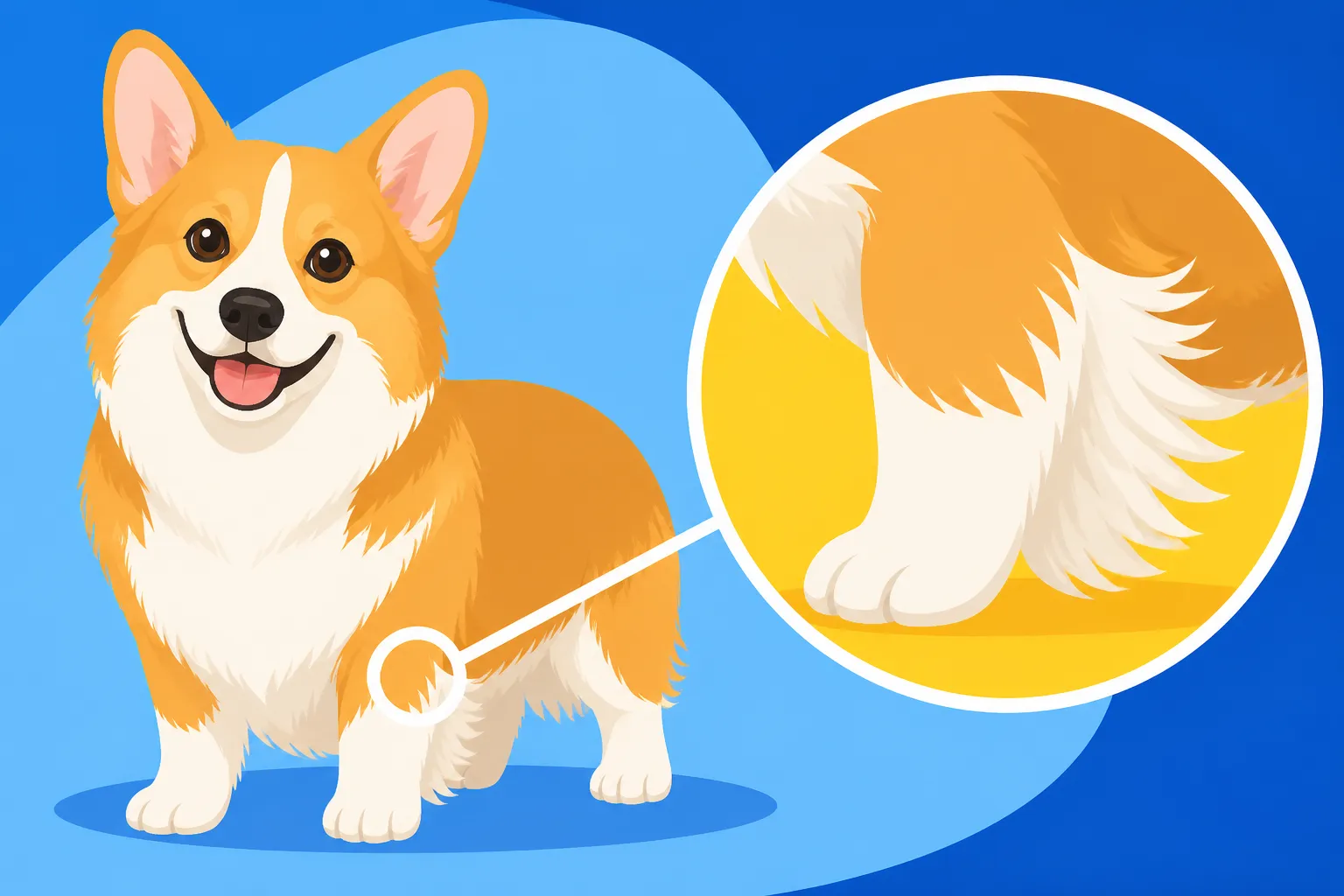
Let's start by clarifying what we're talking about when we say "feathering." It's not just random extra fluff; it's a specific characteristic of your Corgi's coat, particularly noticeable on the backs of their legs, their chest, and their "trousers" or "skirt" around their hindquarters.
This feathering consists of longer, often softer, hair that adds to the Corgi's distinctive appearance. It's part of their double coat system, which includes a harsh outer coat and a soft, dense undercoat. While the outer coat acts as a primary shield, the feathering provides additional protection from the elements, whether it's cold, dampness, or even minor scrapes from undergrowth as they navigate the world on their short legs. It's a functional part of their heritage, designed to help them manage their work as herding dogs in varied terrains. You might also notice that the texture can be slightly different from the rest of their coat – sometimes silkier, sometimes a bit more prone to static. This natural variation also plays into how it collects debris and tends to tangle, making it a unique grooming challenge.
For some Corgis, this feathering can be quite extensive, resembling a flowing cape of hair, while others might have a more modest amount. The extent of feathering can also be a point of discussion in the show ring, and it's certainly part of the overall breed standard for both Pembrokes and Cardigans, contributing to that unmistakable Corgi silhouette. Even if your Corgi isn't destined for the show ring, understanding this aspect of their coat is key to proper care. Sometimes, you might even have a "fluffy" Corgi, whose feathering (and overall coat length) is much more pronounced. This isn't just about aesthetics; a fluffy coat demands even more meticulous care to prevent matting and skin issues. If you're curious about how this specific coat type fits into the breed, you might want to read more about The Fluffy Corgi and the Standard.
Common Challenges with Front Leg Feathering
Ah, the joys of Corgi feathering! While it’s undeniably cute, it brings with it a specific set of grooming headaches that every Corgi parent can relate to. These challenges aren't just about aesthetics; they can impact your dog's comfort and even their health if not managed properly.
Mud, Dirt, and Debris Magnets
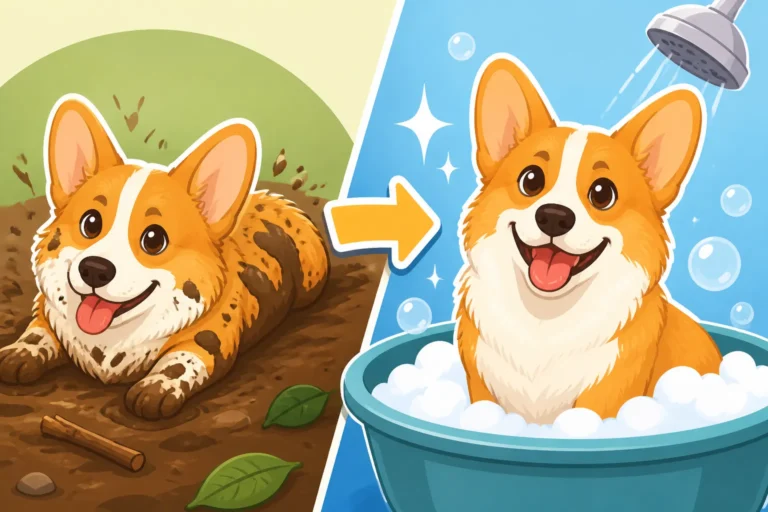
Let's face it, Corgis are lowriders. Their proximity to the ground means their beautiful feathering acts like nature's very own street sweeper. Picture this: you've just given your Corgi a thorough bath, brushed out every single strand, and they look absolutely pristine. Five minutes into a walk, especially after a recent rain, they trot through a slightly muddy patch or a field of tall, damp grass, and poof – their front leg feathering is transformed into a matted, clumpy mess of mud, twigs, and who knows what else. It feels like a losing battle sometimes, doesn't it?
It’s not just mud, either. Pollen in spring, dry leaves in autumn, tiny burrs, seeds, and even just dust from a dry trail can all get inextricably woven into those fine hairs. The feathering acts as a catch-all, and because it’s on the front legs, it’s constantly moving, dragging, and accumulating whatever your Corgi walks through. This constant exposure means you’re often dealing with a fresh layer of grime, sometimes multiple times a day. And while a quick shake might dislodge some of it, the finer particles and stickier bits often get embedded deep within the coat, setting the stage for bigger problems down the line. We talk a lot about Mud and Grass on a Corgi Belly, but the front legs are just as susceptible!
Tangles and Mats
This is where the real frustration often sets in. That gorgeous, flowing feathering, when not regularly maintained, can quickly turn into a nightmare of knots and mats. The fine texture of the hair, combined with its length and constant exposure to moisture and friction, makes it highly prone to tangling. Think about the hair behind their elbows, or in their 'armpits' – these are high-friction areas where the hair repeatedly rubs together, creating perfect conditions for mats to form.
A small tangle, if left unchecked, can rapidly grow into a dense, painful mat. These aren't just cosmetic issues; mats pull on your Corgi's skin, causing discomfort and even pain with every movement. They can restrict blood flow and hide underlying skin problems. If a mat gets wet and isn't dried thoroughly, it can become even tighter and harder to remove. Removing them can be a delicate, time-consuming process, often requiring specialized tools and a patient hand. Many a Corgi owner has spent what felt like an hour on just one leg, gently trying to tease out a stubborn mat, all while their furry friend wiggles impatiently.
Skin Irritation and Hot Spots
Beyond the visible mess and tangles, neglected feathering can lead to more serious skin issues for your Corgi. Trapped moisture and debris within mats create a damp, warm environment that is absolutely ideal for bacteria and yeast to thrive. This can result in skin irritation, redness, and itchiness. Your Corgi might start licking or chewing at these areas, only exacerbating the problem.
A common and particularly unpleasant outcome of this is the development of hot spots. These are acute moist dermatitis lesions that appear quickly and can become incredibly painful and infected if not addressed promptly. Imagine a small patch of skin that becomes inflamed, oozing, and intensely itchy. The constant licking and chewing by your Corgi makes it worse, creating a vicious cycle. The thick coat, especially in the feathering, prevents air circulation, making it hard for the skin to dry out, which further encourages bacterial growth. Catching these issues early is crucial, but they can easily be hidden beneath dense feathering. Understanding Wet Patches That Turn Into A Corgi's Hot Spots can help you recognize the signs early. Maintaining clean, dry, and mat-free feathering is therefore not just about looks, but a vital part of preventative health care for your beloved Corgi.
Essential Grooming Tools and Techniques for Front Leg Feathering
Keeping your Corgi's front leg feathering healthy and beautiful requires the right tools and a consistent approach. You don't need a professional grooming setup, but having a few key items on hand will make all the difference.
Brushes and Combs
For Corgi feathering, you'll need a combination of tools to tackle different aspects of the coat. A good quality pin brush is your everyday workhorse. Look for one with rounded pins that won't scratch your dog's skin. This is excellent for gently working through the longer hair, detangling superficial knots, and stimulating the skin. Use long, sweeping strokes, always brushing in the direction of hair growth.
Next up, a slicker brush is invaluable, particularly for the slightly denser areas or if you encounter any smaller, budding tangles. The fine, bent wires are designed to get down into the coat and gently pull out loose undercoat and detangle. Be gentle with a slicker brush, as too much pressure can cause 'brush burn' on your Corgi's delicate skin. Use short, light strokes.
Finally, a metal comb with both wide and fine teeth is indispensable. After using the brushes, the comb allows you to perform "line brushing," which ensures you're truly getting down to the skin and not just brushing the top layer of hair. Start with the wide-toothed side, working in small sections, then follow with the fine-toothed side. This method is crucial for preventing mats, especially in the armpit and elbow areas. You can find excellent quality brushes and combs at retailers like Chewy or on Amazon. Investing in a good set of tools means your efforts will be more effective and less frustrating for both you and your Corgi. For a deeper dive into brush choices, check out The Rake and Comb a Corgi Coat Actually Needs.
Washing and Drying
When your Corgi's front leg feathering inevitably gets muddy or grimy, the approach to cleaning depends on the extent of the mess. For minor splashes, a simple spot clean with a damp cloth or a dog-specific grooming wipe is often sufficient. Keep a stack of microfiber cloths handy by the door for a quick wipe-down after every walk.
However, for truly muddy adventures, a dedicated wash is necessary. You don't always need to give your entire Corgi a bath; sometimes, just washing the legs and belly is enough. Use a gentle, dog-specific shampoo, preferably one that is hypoallergenic and free of harsh chemicals, to avoid irritating their skin. Lather up the feathering thoroughly, making sure to work the shampoo down to the skin to remove all dirt and debris. Rinse meticulously until the water runs clear and there are no suds left. This is critical because any shampoo residue can cause skin irritation and even make the coat feel sticky, attracting more dirt.
The drying process is just as important, if not more so, than the washing. A damp undercoat, especially in the dense feathering, is an invitation for mats, bacteria, and hot spots. Towel dry as much as possible, then use a dog-specific forced-air dryer on a cool or low-heat setting. Blast the air into the feathering, lifting the hair away from the skin, and continue brushing as you dry. Make sure the undercoat is completely dry. This can take time, but skipping this step is asking for trouble. If you’re not drying down to the skin, you’re inadvertently creating a perfect damp environment for problems to brew. For more tips on thorough drying, read Getting a Corgi Dry Through the Undercoat. As a rule of thumb, How Long Between Corgi Baths for the whole dog varies, but spot cleaning and careful drying of the feathering might be a daily necessity!
Trimming Cautiously
This is a point where many Corgi owners become hesitant, and rightly so! The general rule for a Corgi's double coat is never to shave or clip it close. Their coat provides insulation and protection, and shaving can ruin its natural function, leading to patchy regrowth and potential skin issues.
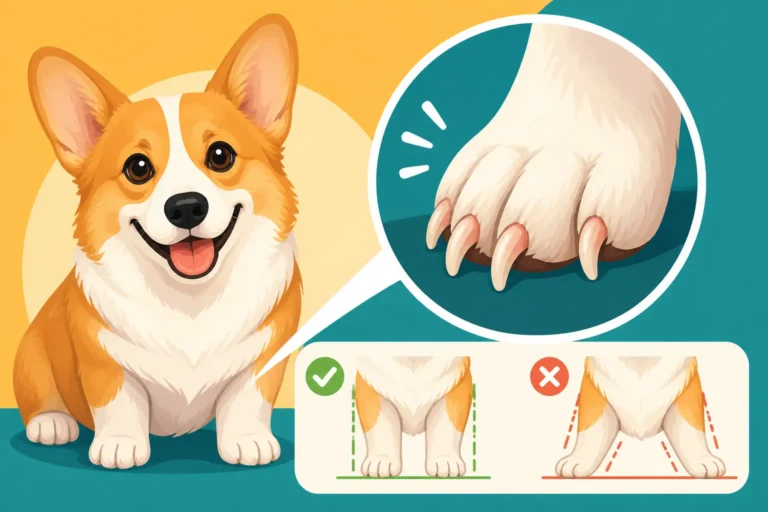
However, there are instances where very minimal, careful hygiene trimming of the feathering can be beneficial. This isn't about shortening the main length of the feathering for aesthetic reasons, but rather tidying up specific problem areas. For example, the hair around their paw pads can grow quite long, collecting debris and making it difficult for your Corgi to get good traction on smooth floors. Using blunt-nosed grooming shears, you can carefully trim the hair flush with the paw pads. Similarly, if the feathering behind their front legs becomes consistently matted in a specific spot that is impossible to brush out, a tiny, targeted trim to remove that mat might be necessary. Always use rounded-tip shears and work slowly and carefully to avoid nicking the skin. If you are unsure, it's always best to consult a professional groomer who is experienced with Corgi coats. They can provide a subtle 'tidy up' that maintains the integrity of the coat while improving hygiene and reducing matting. Remember, the goal is functionality and comfort, not a dramatic haircut. For more on appropriate trimming, see The Only Trimming a Corgi Should Get.
Preventative Measures
Beyond the active grooming, setting up your home and adapting your routine can significantly reduce the amount of maintenance required for your Corgi's front leg feathering. One of the biggest culprits for dirt and wear on their legs is frequent jumping. Every time your Corgi leaps off a sofa, a bed, or out of a car, those front legs (and their delicate back) absorb impact, and the feathering can get caught, rubbed, or simply become more prone to tangling with the friction.
Investing in ramps and steps for furniture access is not only a boon for protecting their spine but also helps keep their front leg feathering in better condition. When they use a ramp, their legs aren't scraping against surfaces or being subjected to sudden impacts. Similarly, if your Corgi likes to launch himself out of the car, a car ramp is a fantastic investment. Not only does it save their back, but it prevents their feathering from getting caught or matted as they scramble out. You can find many practical options on Chewy or Amazon. For detailed information on protecting their backs, check out Ramps and Steps That Save a Corgi's Back.
Additionally, consider the terrain you walk your Corgi on. While it's impossible to avoid all dirt, if you know a particular route is rife with burrs or thick, sticky mud, perhaps choose an alternative paved path for that day. After walks, make a habit of quickly inspecting and wiping down their legs before they track debris further into the house or allow it to dry and tangle in their feathering. Proactive steps, however small, can significantly reduce the cumulative impact of daily life on your Corgi's feathery front legs.
Daily and Weekly Care Routine for Healthy Feathering
Developing a consistent routine is the best way to keep your Corgi’s front leg feathering in top condition, preventing those frustrating mats and skin issues before they even start. It doesn’t have to be a huge time commitment every day, but regularity is key.
Daily Wipe-Downs
Think of this as your first line of defense against the daily onslaught of dirt. After every walk, especially if it's been damp, muddy, or through grassy areas, take a moment to perform a quick wipe-down of your Corgi's front legs. Keep a soft, absorbent microfiber cloth (or a pack of dog-specific grooming wipes) right by the door.
Gently but thoroughly wipe down the feathering, making sure to get in between the toes and around the paw pads too. This immediate action removes most of the loose dirt, moisture, and potential irritants before they have a chance to dry, harden, or work their way deeper into the coat. This simple step can save you from a much bigger cleaning job later, and it helps your Corgi stay more comfortable. Plus, it's a great opportunity to give them a quick pat and check for any burrs or ticks that might have hitched a ride. You'd be surprised how much just a minute or two of daily wiping can improve the overall condition of their leg feathering.
Regular Brushing
This is the cornerstone of good feathering care. "Regular" might mean daily for some Corgis, especially those with more extensive feathering or during shedding seasons, and every other day for others. The goal is to prevent tangles from forming and to remove any loose hair that could contribute to matting.
Using your pin brush and metal comb, work systematically through the feathering. Don't just skim the surface; use a technique called "line brushing." Start at the bottom of the leg, parting the hair horizontally and brushing only a small section at a time, working your way up. This ensures you're reaching the skin and clearing out any undercoat that might be hiding. Pay particular attention to the 'armpit' area and behind the elbows, as these are prime locations for mats due to constant movement and friction. If you encounter a small tangle, don't yank! Gently tease it apart with your fingers or the wide teeth of your comb, working from the outer edges inwards. Consistent brushing also helps distribute natural oils, keeping the coat healthier and shinier. It also makes a huge difference to the amount of How Much Hair a Twenty-Eight Pound Corgi Drops around your home!
Deep Cleaning Schedule
While daily wipe-downs handle the surface dirt, a more thorough cleaning of the front legs will be needed periodically. The frequency depends entirely on your Corgi's lifestyle and how dirty they get. For some, it might be weekly; for others, perhaps every two to three weeks. If your Corgi has a particularly adventurous week, a mid-week leg wash might be in order.
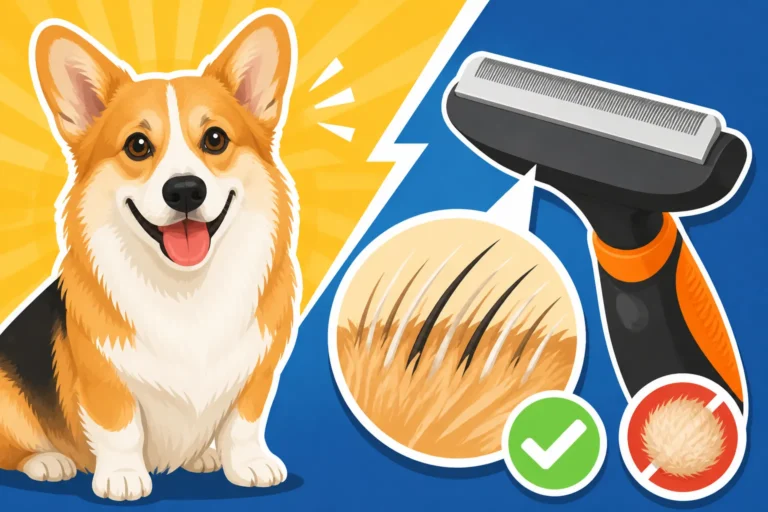
When you do a deep clean, follow the washing and meticulous drying steps outlined earlier. Use a dog-specific shampoo and ensure all residue is rinsed out. After drying, ensure the feathering is thoroughly brushed through to ensure no dampness or residual tangles remain that could lead to matting or skin issues. This deep clean is also a good opportunity to use a deshedding tool, if appropriate, to pull out any trapped undercoat from the feathering that your regular brush might miss, further preventing mat formation.
Inspection for Issues
Regular grooming is also a fantastic opportunity for a full inspection of your Corgi's legs and paws. As you brush and clean, visually inspect the skin under the feathering for any redness, irritation, bumps, cuts, or scrapes. Run your fingers through the coat to feel for any hidden mats, lumps, or swelling. Check their paw pads for cracks, foreign objects, or excessive hair growth, and look between their toes for any trapped debris or signs of irritation.
The feathering can easily hide minor injuries or early signs of skin problems like hot spots. Catching these issues early means you can address them before they escalate into something more serious and painful for your Corgi. Early detection might mean a quick antiseptic wash, or it might mean a trip to the vet, but either way, it's better than letting a problem fester under a thick coat. This routine check becomes even more critical as your Corgi ages or if they have known sensitivities.
Here’s a quick checklist to help you stay on top of your Corgi's leg feathering care:
| Task | Frequency | Tools Needed | Focus Area | Benefit |
|---|---|---|---|---|
| Wipe-down | Daily | Microfiber cloth, dog wipes | Front leg feathering, paws, belly | Removes superficial dirt, prevents drying mats |
| Brushing | Daily/Every other day | Pin brush, slicker brush, metal comb | All feathered areas, armpits, elbows | Prevents tangles, removes loose hair, stimulates skin |
| Deep Cleaning | Weekly/Bi-weekly | Dog shampoo, conditioner, forced-air dryer | Front legs, full feathering | Thorough cleaning, removes embedded dirt |
| Inspection | Daily/During brushing | Eyes, hands | Skin, paw pads, between toes, feathering | Early detection of mats, injuries, skin issues |
Remember, consistency is key! A few minutes of daily attention to your Corgi's front leg feathering will keep them comfortable, healthy, and looking their best, no matter how many muddy puddles they encounter.
Disclaimer
This article is for general informational purposes only and does not constitute professional advice. Laws, prices and regulations vary by location and change over time. Consult a qualified professional for guidance on your specific situation.