The Only Trimming a Corgi Should Get
Many Corgi owners, especially first-timers, find themselves utterly overwhelmed by the sheer volume of fluff that seems to come off their adorable, low-riding companions year-round. It's a common frustration that can lead to desperate thoughts about shaving your Corgi, hoping to find some relief from the shedding and perhaps even help them stay cooler. But hold on! Shaving a Corgi is almost always a big no-no, and this guide will walk you through exactly why, and what very specific, appropriate "trims" are actually beneficial and safe for your beloved Corgi.
Understanding Your Corgi's Unique Double Coat
Before we even think about touching scissors or clippers, it's absolutely crucial to understand the incredible engineering of your Corgi's coat. It's not just hair; it's a sophisticated, dual-layer system designed for a working dog, and messing with it can have serious consequences.
The Purpose of the Double Coat
Your Corgi's coat is a marvel of natural design. It consists of two distinct layers:
- The Outer Coat (Guard Hairs): These are the longer, coarser, often straight hairs that you see on the surface. They are water-resistant and act as a protective barrier against dirt, moisture, and harmful UV rays. Think of them as your Corgi's built-in raincoat and sunscreen. They also protect the delicate skin underneath from scratches and minor abrasions as your Corgi navigates brush or rough terrain.
- The Undercoat: This is a dense, soft, fluffy layer much closer to the skin. Its primary job is insulation. In winter, it traps warm air close to the body, keeping your Corgi toasty. In summer, it helps regulate body temperature by preventing excessive heat from penetrating the skin and allowing air to circulate, acting like a natural air conditioner.
This double coat is essential for a Corgi's comfort and health in all seasons. It’s their natural defense against the elements, something they relied on while herding cattle in all kinds of weather.
Why Shaving is Detrimental
Given the vital functions of both layers, it becomes clear why shaving a Corgi is almost universally discouraged by reputable breeders and groomers. It's not just a bad haircut; it disrupts your Corgi's natural physiology.
First, when you shave a Corgi, you're not just removing the shedding undercoat; you're often cutting off the protective guard hairs too. This leaves their delicate skin exposed to the sun, significantly increasing the risk of sunburn and even skin cancer. Imagine going out in direct summer sun without any protection – that's what you're doing to your Corgi. You might think it's helping them cool down, but often, the opposite is true. Without the insulating undercoat to regulate temperature and the guard hairs to reflect sun, their body can actually struggle more to stay cool.
Second, the regrowth of a double coat after shaving is often problematic. The undercoat typically grows back much faster than the guard hairs, leading to an uneven, often fuzzy texture that can feel coarse and look dull. This new growth can be thicker and coarser, making your Corgi more prone to matting in the future. Once shaved, many Corgi coats never fully return to their original texture, density, or protective qualities. The beautiful, weather-resistant coat you once knew can become permanently altered and less effective at doing its job. This is why you'll often hear the phrase Why Clipping a Corgi Ruins the Coat.
The Only Acceptable Trimming: Hygiene and Neatness
So, if shaving is out, what kind of trimming is okay for a Corgi? The answer lies in targeted, minimal trimming focused on hygiene, comfort, and neatness, without compromising the integrity of their double coat. These trims address specific areas prone to getting messy or overgrown, making life easier for both you and your Corgi.
"Sanitary Trim" Around the Rear
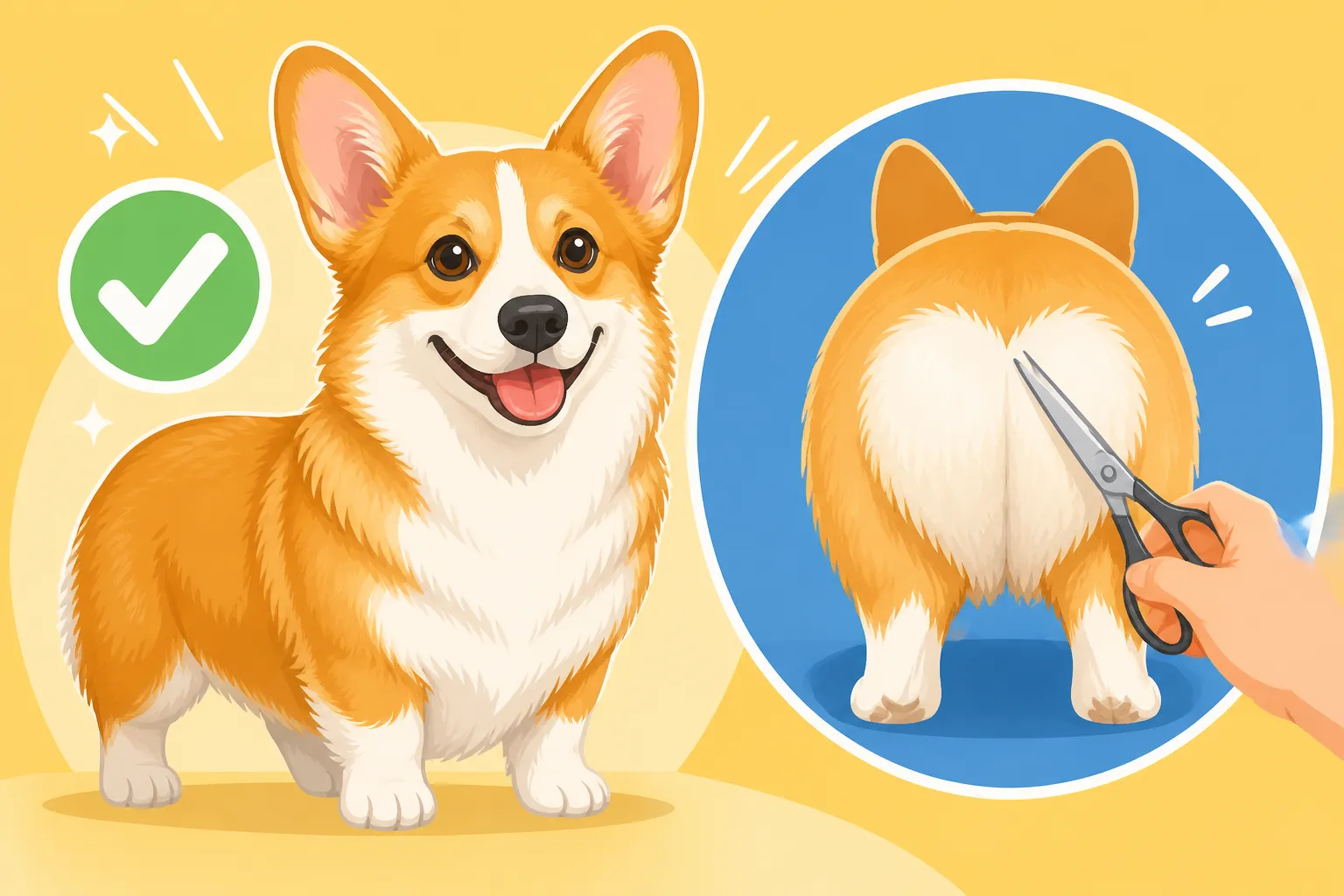
This is arguably the most important and beneficial trim for a Corgi. Due to their low stature and the ample "pants" (the longer hair around their hindquarters), Corgis are highly susceptible to getting fecal matter, urine, or general outdoor grime caught in the hair around their anus and genitals. A sanitary trim involves carefully trimming the hair in this area short, typically with small, blunt-tipped scissors or a small, quiet clipper.
The goal here is not aesthetics, but cleanliness and preventing infections. Without a sanitary trim, feces can cling to the hair, leading to unsanitary conditions, unpleasant odors, and even skin irritation or infections if left unaddressed. It makes bathroom breaks cleaner and easier to manage, especially for long-backed dogs like Corgis where reaching to clean can be tricky. This is a trim that many owners feel comfortable doing themselves, or it's a standard part of any professional grooming visit.
Trimming the "Pants" and Feathering
Corgis have lovely feathering, particularly on their legs and around their hindquarters, which gives them their distinctive look. However, this longer hair, often called their "pants" or "skirt," can become a magnet for dirt, burrs, mud, and anything else your low-rider picks up on a walk. While you don't want to remove it entirely, a light trim to tidy up these areas can be incredibly helpful.
Think of it as neatening up the edges rather than chopping into the main body of the coat. You can carefully thin out or shorten the feathering on the backs of their legs and around their 'skirt' if it's constantly dragging or collecting debris. This helps keep them cleaner and prevents matting in those areas. It's about enhancing comfort and manageability without sacrificing the natural protection or beauty of the coat. A good groomer understands The Feathering on a Corgi's Legs and Backside and how to maintain it.
Tidying Up the Feet
Corgi paws can also benefit from a little attention. The hair between their paw pads can grow quite long, which can cause several issues:
- Reduced Traction: Long hair between the pads can act like slippery socks on hard floors, making it harder for your Corgi to get good grip. This is especially important for a breed prone to back issues, as slipping can lead to injury.
- Collecting Debris: Just like their pants, long paw pad hair can collect dirt, mud, snow, ice, stickers, and burrs, which can be irritating or even painful.
- Matting: If left untrimmed, the hair between the pads can mat, pulling on the skin and causing discomfort.
Carefully trimming the hair even with the paw pads helps improve traction, keeps their feet cleaner, and reduces the risk of matting. You can use small, blunt-tipped scissors or a small clipper for this. Always be extremely cautious, as the paw pads are sensitive, and it's easy to nick the skin. Regular checks on Nail Length and What It Does to a Corgi's Gait should also include paw pad hair.
Tools for Safe and Effective Corgi Trimming
Having the right tools is half the battle when it comes to safely trimming your Corgi. You don't need a professional grooming salon's worth of equipment, but a few key items will make a world of difference.
Choosing the Right Shears and Clippers
For the specific trims a Corgi needs, you'll want tools designed for precision and safety.
- Blunt-Tipped Scissors: These are fantastic for the sanitary trim and tidying up paw pads. The blunt tips significantly reduce the risk of accidentally poking or cutting your dog's skin, which is especially important in sensitive areas. Look for a pair that's sharp enough to cut cleanly without pulling, as dull scissors can be frustrating and uncomfortable for your Corgi. You can often find these at pet supply stores or on platforms like Amazon.
- Small, Quiet Clippers: For owners who prefer clippers, a small, cordless clipper with a #10 blade is excellent for sanitary trims and paw pads. The small size makes them easy to maneuver, and quiet operation is crucial for Corgis who might be sensitive to noise. Many brands offer mini-trimmers specifically for these delicate areas. While looking for these, consider checking reputable pet supply retailers like Chewy.
- Thinning Shears (Optional): If your Corgi has particularly thick feathering that you want to reduce in volume without creating a blunt cut, thinning shears can be useful. These have one regular blade and one notched blade, which thins out the hair rather than cutting a straight line, giving a more natural, blended look. They are best used sparingly and with a light hand.
Always make sure your tools are clean and sharp. Dull blades pull hair, which is painful, and dirty tools can harbor bacteria.
Essential Grooming Aids
Beyond trimming tools, a few other items are indispensable for maintaining your Corgi's coat:
- Undercoat Rake and Slicker Brush: These are your best friends for managing Corgi shedding. An undercoat rake, often called a deshedding tool, is designed to reach through the guard hairs and gently pull out the loose undercoat. A slicker brush helps remove loose hair from the top coat and works out minor tangles. Regularly using these will reduce the need for any cutting and will keep your Corgi much more comfortable. For specific recommendations, check out The Rake and Comb a Corgi Coat Actually Needs.
- Wide-toothed Comb: Perfect for gently detangling any feathering or thicker areas before brushing, especially after a muddy walk.
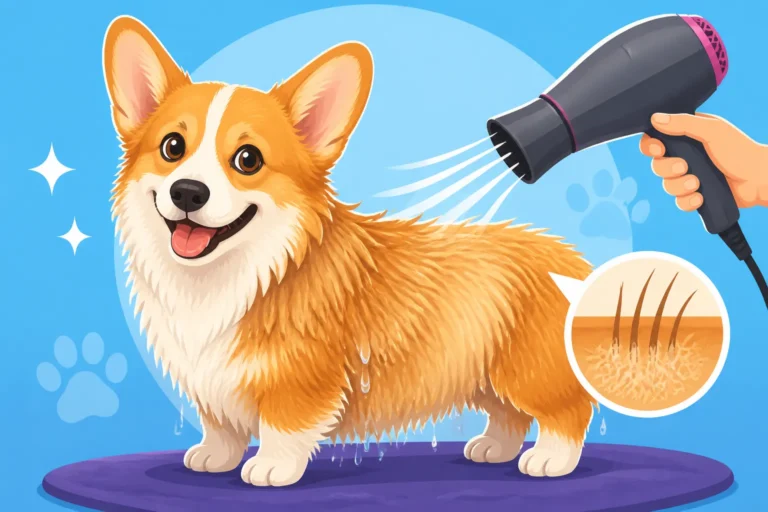
- High-Velocity Dryer: If you bathe your Corgi at home, a high-velocity dryer (designed for dogs) is a game-changer. It blasts water and loose undercoat out of the coat quickly and efficiently, drastically reducing drying time and shedding. It’s also much more effective at truly drying the dense undercoat than a human hairdryer, which can burn their skin. This is a critical tool for Getting a Corgi Dry Through the Undercoat.
- Grooming Table with Arm (Optional): For those who do their own grooming regularly, a small grooming table can elevate your Corgi to a comfortable working height and help keep them still and safe with a grooming arm and loop.
Best Practices for Corgi Coat Care (Beyond Trimming)
The truth is, minimal trimming is only a small part of proper Corgi coat care. The bulk of the work involves regular, consistent maintenance that embraces their natural coat, rather than trying to fight it.
Regular Brushing is Key
This cannot be stressed enough: consistent brushing is the single most important thing you can do for your Corgi's coat health and to manage shedding. Your Corgi sheds all year round, with two major "blowouts" of their undercoat each spring and fall. During these periods, daily brushing is essential. Even outside of these times, a few times a week is ideal.
Regular brushing:
- Removes Loose Hair: This is the most obvious benefit. The more hair you remove with a brush, the less hair ends up on your furniture, floors, and clothes.
- Prevents Matting: Corgis aren't typically prone to severe matting in their main body coat, but the longer feathering on their legs and hindquarters, and behind their ears, can tangle. Brushing prevents these minor tangles from becoming painful mats.
- Distributes Natural Oils: Brushing helps spread your Corgi's natural skin oils throughout their coat, promoting a healthy sheen and skin.
- Checks for Skin Issues: It gives you an opportunity to routinely check your Corgi's skin for bumps, rashes, parasites, or dry patches.
Invest in a good undercoat rake and slicker brush, and make brushing a positive, bonding experience for your Corgi. For more details on the shedding cycle, you might want to read Why a Corgi Sheds All Year and Not Just Twice.
Bathing and Drying Techniques
Corgis don't need frequent bathing, usually every 4-8 weeks or when they get visibly dirty. Over-bathing can strip their natural oils and dry out their skin. When you do bathe them, use a high-quality dog shampoo designed for double coats.
The crucial part of bathing a Corgi is the drying. Their dense undercoat can hold a lot of moisture, and if not dried thoroughly, it can lead to skin irritation or hot spots. As mentioned, a high-velocity dryer is a fantastic investment if you bathe at home. If you don't have one, towel-dry as much as possible, then use a human hairdryer on a cool or low-heat setting, making sure to keep it moving and not focus on one spot too long. Brush your Corgi as you dry them to help separate the hairs and ensure air circulates to the skin. How Often a Corgi Actually Needs Washing provides more context here.
Professional Groomers vs. DIY
Deciding whether to groom your Corgi yourself or take them to a professional groomer depends on your comfort level, your Corgi's temperament, and your budget.
DIY Grooming:
Many Corgi owners successfully manage their dog's basic grooming at home. You can perform the essential brushing, sanitary trims, and paw pad tidying. This saves money and can be a wonderful bonding experience. It also allows you to be highly attuned to your dog's skin and body. However, it requires investing in the right tools and learning proper techniques. If your Corgi isn't fond of being handled, it might be a challenge. For general tips on managing a low-slung dog, refer to Grooming a Corgi That Sits Six Inches Off the Ground.
Professional Grooming:
A professional groomer has the expertise, tools, and experience to handle all aspects of Corgi grooming, from baths and deshedding treatments to precise trims. They can often do a more thorough job, especially with the drying, and can spot potential skin or coat issues you might miss. When choosing a groomer for your Corgi, make sure they understand double-coated breeds and specifically do not shave Corgis unless medically necessary (e.g., for surgery). Ask about their deshedding services. A good groomer will recommend and perform the appropriate sanitary and foot trims without touching the main body coat. Sometimes, for a really thorough shed, a professional "blow-out" session can be invaluable.
When looking for a groomer, ask specific questions about their approach to double-coated breeds. You want someone who understands the purpose of a Corgi's coat and will only perform trims that enhance hygiene and neatness, not alter the coat's natural structure. Remember, a groomer recommending a full shave for your Corgi (outside of a vet's specific instruction) is a red flag.
Taking care of your Corgi's coat is an ongoing commitment, but it's one that deeply contributes to their health and happiness. By understanding their double coat, performing only the necessary hygiene trims, and prioritizing regular brushing and proper bathing, you'll keep your Corgi comfortable, clean, and looking their best, without ever having to reach for that tempting (but ultimately harmful) full body clipper.
Disclaimer
This article is for general informational purposes only and does not constitute professional advice. Laws, prices and regulations vary by location and change over time. Consult a qualified professional for guidance on your specific situation.