A Corgi That Cannot Hold Its Dinner Down
There's nothing quite like the sinking feeling in your stomach when you walk into a room and find that your beloved Corgi has, once again, brought up their dinner. It's frustrating, messy, and most importantly, deeply worrying. As Corgi owners, we know our low-riders are often enthusiastic eaters, but when dinner consistently refuses to stay down, it signals a deeper problem that needs your attention. This comprehensive guide will walk you through the common reasons why your Corgi might be struggling to keep food down, what you can do immediately, and how to work with your vet to find a lasting solution.
Why Your Corgi Might Be Struggling to Keep Food Down
When your Corgi can't hold their dinner down, it's natural to jump to the worst conclusions. But often, the cause can be surprisingly common and relatively easy to address. Understanding the potential culprits, from enthusiastic eating habits to more serious underlying health issues, is the first step toward getting your furry friend back on track. It’s important to observe how and when they are bringing up their food, as this can offer vital clues. Is it immediately after eating, or hours later? Is it fully undigested food, or bile? These details matter.
Eating Too Fast: The Corgi Vacuum
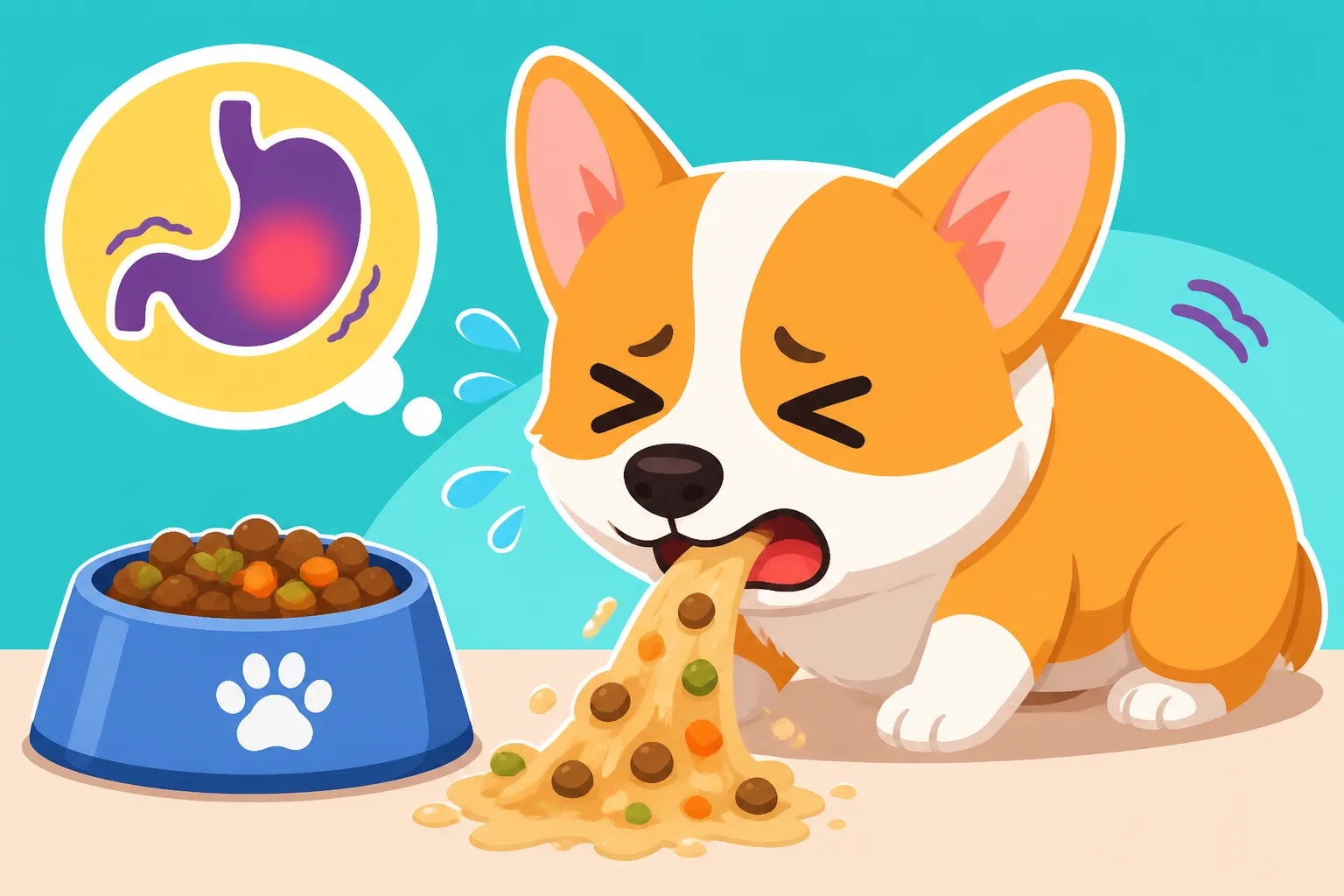
Ah, the Corgi vacuum cleaner! Many Corgi owners are intimately familiar with this phenomenon. These little dogs often approach their food bowls with an intensity and speed that would impress a competitive eater. They gulp down their kibble in mere seconds, sometimes barely chewing. This rapid ingestion can lead to them swallowing a lot of air along with their food, which then causes discomfort and a quick regurgitation shortly after finishing their meal. It's less like vomiting and more like an effortless "urp" where the food just comes back up, often still in its original kibble shape.
This isn't just about messy floors; it's a genuine issue. When a Corgi eats too quickly, their stomach doesn't have time to properly process the incoming food, leading to an overload. The swallowed air can put pressure on their digestive system, making it difficult for their stomach to hold everything down. It’s a common scenario, especially in puppies or highly food-motivated adult Corgis, and while it might not always be painful, it certainly isn't pleasant for them.
Recognizing this behavior early can save a lot of heartache. If you notice your Corgi finishing their meal in under a minute and then almost immediately bringing it back up, often looking perfectly fine afterwards, fast eating is a prime suspect. It's a behavioral habit that we, as owners, can often help mitigate with the right tools and techniques.
Dietary Issues and Sensitivities
Sometimes, it's not how they eat, but what they eat. Corgis, like any dog, can develop sensitivities or allergies to certain ingredients in their food. Common culprits include specific proteins like chicken, beef, or dairy, as well as grains like wheat or soy. If your Corgi is reacting to something in their diet, you might see more than just vomiting; they could also experience diarrhea, itchy skin, ear infections, or excessive gas. The onset might be sudden after a food change, or it could develop gradually over time, making it harder to pinpoint.
Beyond true allergies, some Corgis simply have sensitive stomachs that react poorly to rich foods, excessive treats, or sudden changes in their diet. Introducing a new food too quickly, without a gradual transition over several days, is a classic way to upset a dog's stomach. Think of it like a sudden switch from mild toast to spicy curry for us; our digestive system needs time to adjust. Even seemingly harmless table scraps can wreak havoc on a Corgi’s system, especially if they're not used to them or if the food is fatty.
It’s also important to consider the quality and type of food. Some commercial dog foods, while convenient, might contain fillers or artificial ingredients that don't agree with every Corgi. If you're constantly finding your Corgi struggling with their dinner, taking a close look at the ingredients list and considering a limited ingredient diet or a novel protein source might be a wise step. Remember, you can often find a wide variety of specialized diets on platforms like Chewy, but always discuss options with your vet first.
Underlying Health Conditions
While fast eating and dietary issues are common, it's crucial not to overlook the possibility of an underlying health condition. Persistent vomiting or regurgitation, especially if accompanied by other symptoms, always warrants a trip to the vet. Conditions like inflammatory bowel disease (IBD), pancreatitis, kidney disease, or even certain types of cancer can manifest with digestive upset. In some cases, dental problems, such as a painful tooth, can make chewing difficult, leading to food being swallowed whole and then regurgitated. You might notice your Corgi being reluctant to eat or crying when being lifted, which could be signs of discomfort unrelated to digestion but impacting their ability to eat normally. A Corgi That Cries When Lifted Under the Chest could be experiencing pain that affects their eating.
Other medical issues could include esophageal problems, where the tube carrying food to the stomach isn't functioning correctly, or a foreign body obstruction. While Corgis aren't typically known for being indiscriminate eaters of non-food items, accidents can happen. If your Corgi has eaten something they shouldn't have, the vomiting might be their body's attempt to expel it. Parasites are another common cause of digestive upset, particularly in puppies or dogs that spend a lot of time outdoors.
It's truly heartbreaking to see your Corgi unwell, and distinguishing between a minor upset and a serious condition can be challenging for owners. That's why careful observation of all symptoms and a timely consultation with your veterinarian are paramount. Conditions such as Corgi Kidney and Urinary Problems or Corgi Thyroid Problems might not seem directly related to immediate post-meal sickness but can certainly contribute to a general feeling of unwellness and gastrointestinal upset.
Immediate Steps When Your Corgi Vomits Dinner
Finding a pile of dinner on your floor can be alarming, but your immediate response can make a big difference in both your Corgi's comfort and your ability to help your vet diagnose the problem. Panic doesn't help anyone, so take a deep breath and follow a calm, systematic approach. This isn't just about cleaning up the mess; it's about carefully observing what just happened and deciding on the best course of action.
Assessing the Situation and Monitoring Your Corgi
First, try to determine if it's actual vomiting or regurgitation. Regurgitation is usually passive, coming up easily without much effort, and often consists of undigested food in a cylindrical shape (like it came straight from the esophagus). It typically happens shortly after eating. Vomiting, on the other hand, involves active retching, abdominal contractions, and often includes partially digested food, bile, or stomach fluids. This distinction is important for your vet.
Next, observe the contents: What does it look like? Is it just kibble, or is there bile (yellowish liquid), blood (red streaks or coffee-ground appearance), or anything unusual like foreign objects? Note the time it happened in relation to their meal. How does your Corgi seem after the incident? Are they bright, alert, and ready to eat again, or are they lethargic, weak, or showing signs of discomfort? A Corgi Drinking and Urinating More With Age could point to other issues making them feel unwell.
Continue to monitor your Corgi closely for the next few hours and even days. Look for other symptoms like diarrhea, loss of appetite, lethargy, abdominal pain (they might guard their belly or be reluctant to be touched), excessive drooling, or changes in drinking habits. If they seem otherwise fine and it was a one-off regurgitation, you might withhold food for a few hours (but always provide fresh water) before offering a small, bland meal.
When to Call the Vet – Don't Delay!
Knowing when to transition from home monitoring to professional veterinary care is crucial. While a single episode of regurgitation from eating too fast might resolve on its own with simple adjustments, there are definite red flags that mean you need to call your vet immediately. Your Corgi can't tell you how they feel, so it's up to you to recognize the signs of serious trouble.
You should contact your vet as soon as possible if your Corgi is:
- Vomiting repeatedly or frequently over a short period.
- Attempting to vomit but nothing is coming up (this can be a sign of bloat, a life-threatening emergency, especially for deep-chested dogs, though less common in Corgis).
- Bringing up blood or what looks like coffee grounds.
- Extremely lethargic, weak, or unresponsive.
- Showing signs of severe abdominal pain (whining, hunched posture, refusing to move).
- Also experiencing severe diarrhea, especially if bloody.
- A puppy or a senior dog, as they are more vulnerable to dehydration and rapid deterioration. If it's a puppy, remember the importance of The Vet Visits a Corgi Puppy Needs First.
- Has known underlying health conditions that could be exacerbated.
Even if the symptoms don't seem immediately life-threatening, a quick phone call to your vet’s office is always a good idea. They can offer advice based on your specific observations and determine if an emergency visit is necessary or if you can continue monitoring at home with specific instructions. It’s always better to be safe than sorry when it comes to your Corgi’s health.
Providing Comfort and Initial Care
While you're assessing the situation or waiting for your vet's advice, focus on keeping your Corgi as comfortable as possible. First, clean up the mess calmly and thoroughly. This removes any temptation for your Corgi to re-eat the expelled food, which can sometimes worsen the problem. Ensure they have access to fresh, clean water at all times, but don't encourage them to gulp large amounts, which could trigger more vomiting.
Offer a quiet, stress-free environment where they can rest. A favorite bed or a quiet corner of the house away from household commotion can be ideal. If they are showing signs of discomfort or pain, avoid handling them unnecessarily. If your vet advises withholding food, stick to it, but continue to offer water. Some vets might recommend offering small amounts of ice chips or a very small sip of water every 15-30 minutes if dehydration is a concern and they aren't actively vomiting.
Once the acute episode has passed and if your vet gives the go-ahead, you might try offering a bland diet. This typically consists of plain, boiled chicken (skinless and boneless) or lean ground beef mixed with plain, cooked white rice. Start with a very small portion and see how they tolerate it. If they keep it down, you can offer slightly larger portions every few hours. This gentle approach can help soothe an upset stomach without overworking their digestive system. Remember, gradual reintroduction of their regular food is key, perhaps following a guide like Moving a Corgi to New Food Over Ten Days.
Long-Term Strategies for a Corgi with a Sensitive Stomach
If your Corgi's dinner struggles become a recurring theme, it's time to implement some long-term strategies. This isn't just about managing symptoms; it's about making fundamental changes to their routine and diet to promote consistent digestive health. A happy gut often means a happier, healthier Corgi, and a less stressed owner!
Adjusting Feeding Practices and Environment
One of the most effective long-term strategies, especially for Corgis who eat too fast, is to change how you feed them. Instead of one or two large meals, consider breaking their daily food allowance into three or four smaller meals spread throughout the day. This reduces the volume of food in their stomach at any one time, making it easier to digest and less likely to come back up. Remember, you're not feeding them more food, just portioning their The Calorie Target for a Twenty-Eight Pound Corgi differently.
Investing in a slow-feeder bowl or a puzzle feeder can dramatically slow down enthusiastic eaters. These bowls have various ridges, mazes, or compartments that force your Corgi to work for each mouthful, preventing rapid gulping and excessive air intake. You can find many effective options on Amazon or Chewy. Another trick is to place a clean, smooth rock or a sturdy, non-chewable toy (larger than your Corgi's mouth) in their regular bowl; they'll have to eat around it, which slows them down. Bowls That Slow a Corgi's Eating can be a game-changer.
Consider the feeding environment as well. A busy, noisy household might stress some Corgis, leading them to eat more frantically. Find a quiet, consistent spot where your Corgi can eat undisturbed. Some owners find elevated feeding bowls helpful, especially for older Corgis or those with certain neck or back issues, as it can make swallowing easier. However, research on the benefits of elevated bowls for preventing bloat is mixed, so discuss this with your vet, especially for a Corgi with potential back sensitivities. A Corgi That Cannot Stand Long might benefit from a comfortable, low-stress eating position.
Here's a comparison of common feeding tools:
| Feeding Tool | Benefit | Best For | Drawbacks |
|---|---|---|---|
| Regular Bowl | Simple, easy to clean. | Corgis who eat at a moderate pace. | Encourages fast eating in enthusiastic Corgis. |
| Slow Feeder Bowl | Internal ridges/mazes force slower eating, reduces air gulping. | Corgis who "vacuum" their food. | Can be harder to clean, some Corgis get frustrated. |
| Puzzle Feeder | Dispenses food gradually as Corgi solves a puzzle, mental stimulation. | Corgis needing mental enrichment, slows eating significantly. | Takes longer for meals, requires owner supervision initially. |
| Snuffle Mat | Corgi sniffs out kibble hidden in fabric strands, natural foraging. | Engaging for all Corgis, slows eating, gentle on teeth. | Can get dirty quickly, needs frequent washing, not ideal for wet food. |
| Elevated Bowl Stand | Raises food to a comfortable height. | Older Corgis, those with neck/back issues (consult vet). | Mixed opinions on digestive benefits, can increase bloat risk in some breeds. |
Exploring Different Food Options
If fast eating isn't the primary culprit, or even if it is and problems persist, it might be time to re-evaluate your Corgi's diet itself. This is often a process of elimination and requires patience. One approach is to try a limited ingredient diet (LID), which contains a single source of protein and carbohydrate. This makes it easier to identify potential allergens or sensitivities. Many high-quality LID foods are available, often using novel proteins like duck, venison, or salmon, which your Corgi might not have been exposed to before.
Another option is to consider a hydrolyzed protein diet. In these foods, the proteins are broken down into such small components that the immune system doesn't recognize them as allergens. These are typically prescription diets, and your vet would need to guide you on their use. For Corgis with very sensitive digestion, even fresh food options from services like Ollie, which provide gently cooked, human-grade ingredients, might be worth exploring, again, always with veterinary guidance.
Always remember that any dietary change should be gradual. Mix a small amount of the new food with their old food, gradually increasing the proportion of the new food over 7-10 days. A sudden switch can often trigger a digestive upset even if the new food is ultimately a better fit. Your vet can provide excellent guidance on Whether a Corgi Needs a Vet Diet or Just Less and if specific conditions might warrant Home-Cooked Portions for a Corgi on a Diet.
Supporting Digestive Health
Beyond food choices, supporting your Corgi's overall digestive health can play a crucial role. Probiotics, for example, introduce beneficial bacteria to the gut, which can help rebalance the microbiome and improve digestion. Many veterinary-specific probiotic supplements are available, and your vet can recommend one that's appropriate for your Corgi's needs. Prebiotics, which are a type of fiber that feeds the good gut bacteria, can also be beneficial.
Ensuring your Corgi is well-hydrated is also fundamental. Always have fresh water available. If your Corgi is a reluctant drinker, consider adding a little low-sodium chicken broth to their water or using a pet water fountain to encourage more sips. Proper hydration helps food move through the digestive tract smoothly and prevents constipation, which can indirectly contribute to overall digestive upset.
Lastly, make sure your Corgi is on a regular deworming schedule, especially if they spend time outdoors or in dog parks. Intestinal parasites can cause a host of gastrointestinal issues, including vomiting and diarrhea. Your vet will advise on the best preventative measures based on your Corgi's lifestyle. Regular check-ups are key to catching potential issues before they become severe.
Working With Your Veterinarian for a Diagnosis
If you've tried adjusting feeding practices and food types without significant improvement, or if your Corgi is showing other concerning symptoms, a thorough veterinary work-up is essential. Pinpointing the exact cause of chronic vomiting or regurgitation often requires a systematic approach, combining your observations with medical diagnostics.
Diagnostic Tests and What They Reveal
When you bring your Corgi to the vet with persistent digestive issues, they'll likely start with a comprehensive physical exam. They’ll feel your Corgi's abdomen, check their teeth and gums (as Corgi Dental Disease can impact eating), and assess their overall body condition. This initial exam provides crucial clues and helps the vet decide which diagnostic tests are most appropriate.
Common diagnostic tests include:
- Blood work: A complete blood count (CBC) and biochemistry panel can reveal signs of infection, inflammation, anemia, or issues with organs like the kidneys, liver, or pancreas. For older Corgis, Blood Panels for a Corgi Over Ten are often part of a routine check-up and can flag emerging problems.
- Urinalysis: This can help detect kidney problems, urinary tract infections, or other systemic issues.
- Fecal exam: To check for intestinal parasites, which are a common cause of digestive upset.
- X-rays: Abdominal radiographs can help identify foreign bodies, tumors, enlarged organs, or signs of bloat.
- Ultrasound: A more detailed imaging technique that allows the vet to visualize the internal structure of organs like the stomach, intestines, pancreas, and liver, looking for inflammation, masses, or other abnormalities.
- Endoscopy/Biopsy: If other tests are inconclusive, an endoscopy involves inserting a tiny camera into the esophagus and stomach to directly visualize the lining and take small tissue samples (biopsies). These biopsies can then be analyzed to diagnose conditions like inflammatory bowel disease.
Each test provides a piece of the puzzle, and your vet will explain what they are looking for and what the results could mean for your Corgi. It's a journey of elimination to get to the root cause.
Managing Chronic Conditions
If your Corgi is diagnosed with a chronic condition, such as inflammatory bowel disease (IBD), chronic pancreatitis, or kidney disease, the focus shifts to long-term management. This often involves a combination of medication, ongoing dietary adjustments, and careful monitoring. For IBD, for example, your Corgi might require specialized prescription diets, steroids, or other immunosuppressants to control inflammation.
For conditions like chronic pancreatitis, a low-fat diet might be prescribed indefinitely. Corgi Kidney and Urinary Problems or Corgi Thyroid Problems could require specific medications and dietary changes to support organ function. Your vet will work with you to create a tailored treatment plan, which may evolve over time. It's important to stick to the prescribed medications and diet diligently, even if your Corgi appears to be feeling better, as these conditions often require continuous management to prevent flare-ups.
Living with a Corgi that has a chronic health condition can be challenging, both emotionally and financially. However, with proper veterinary care and your commitment to their treatment plan, many Corgis with chronic digestive issues can lead comfortable and happy lives. Open communication with your vet is key; don't hesitate to ask questions or report any changes in your Corgi's condition.
Preventative Care and Ongoing Monitoring
Once a diagnosis is made and a treatment plan is in place, preventative care and ongoing monitoring become paramount. This means regular follow-up visits with your veterinarian, even when your Corgi is doing well. These appointments allow your vet to assess the effectiveness of the treatment, make any necessary adjustments, and catch any new issues early.
Maintain a detailed log of your Corgi’s eating habits, any episodes of vomiting or regurgitation, stool quality, and overall energy levels. This information is invaluable for your vet to track progress and fine-tune their care. Stick to the recommended diet and avoid giving unauthorized treats or table scraps, which could trigger a relapse. Ensure your Corgi gets appropriate, consistent exercise that is safe for their unique build, as digestive health is often linked to overall well-being.
Routine preventative care, including appropriate vaccinations and year-round parasite control, also plays a critical role in minimizing the risk of other illnesses that could complicate digestive issues. By being proactive and vigilant, you can significantly improve your Corgi’s quality of life and help them enjoy their dinner without a hitch, keeping those messy clean-ups to a minimum!
Disclaimer
This article is for general informational purposes only and does not constitute professional advice. Laws, prices and regulations vary by location and change over time. Consult a qualified professional for guidance on your specific situation.