Moving a Corgi to New Food Over Ten Days
Suddenly changing your Corgi's diet can wreak absolute havoc on their delicate digestive system, leading to upset stomachs, regrettable accidents on your favorite rug, and a very unhappy little low rider. This guide is here to walk you through a foolproof, step-by-step ten-day plan for smoothly transitioning your Corgi to new food, ensuring their tummy stays settled and their tail keeps wagging without any embarrassing digestive drama.
Understanding Your Corgi's Sensitive Digestive System
Corgis, for all their robust, big-dog-in-a-small-package energy, often have surprisingly sensitive digestive systems. Those short legs and long bodies hide internal workings that can be easily thrown off balance by sudden changes in diet. It's not uncommon for a Corgi to experience issues like diarrhea, vomiting, or excessive gas if their food is swapped too quickly. This isn't just about comfort; it can impact their ability to absorb nutrients and, in some cases, signal underlying sensitivities that might need further attention.
Why Corgis Need a Gradual Change
Think of your Corgi's gut as a bustling city, filled with a complex ecosystem of bacteria, enzymes, and other tiny inhabitants working tirelessly to break down food. When you introduce a new food abruptly, it's like suddenly closing down half the city's infrastructure and trying to build new roads overnight. The existing "workers" (digestive enzymes and gut bacteria) are optimized for the old food, and they need time to adapt to the new ingredients. If the change is too fast, the system gets overwhelmed, leading to inefficient digestion and all those unpleasant symptoms we dread.
Moreover, Corgis, like many breeds, can develop specific sensitivities over time. Some might react to certain proteins like chicken or beef, while others struggle with grains or artificial additives. A slow transition allows you to observe your dog's reaction to the new food incrementally. If you notice a negative change at an early stage of the transition, you can pull back and reassess without having completely disrupted their system. This controlled approach is a courtesy to your Corgi's comfort and your peace of mind.
Signs Your Corgi's Tummy is Upset
You know your Corgi best, but there are some tell-tale signs that their tummy isn't happy. The most obvious, of course, are diarrhea and vomiting. Diarrhea can range from soft stools to watery explosions, sometimes with mucus or even a streak of blood, which always warrants a call to the vet. Vomiting can be a single episode or multiple bouts, and you might notice them bringing up undigested food. A Corgi That Cannot Hold Its Dinner Down is a clear sign something is wrong.
Beyond the obvious, keep an eye out for more subtle cues. Excessive gas, burping, or a rumbling stomach (borborygmi) are all indicators of digestive distress. Your Corgi might also seem lethargic, lose their appetite, or appear generally uncomfortable. They might even assume unusual postures, like a "prayer position" (front legs down, rear end up), which can signal abdominal pain. Any of these signs means it's time to slow down the transition or consult your veterinarian.
The Essential 10-Day Food Transition Schedule
The 10-day transition is a gold standard for a reason. It's long enough to allow your Corgi's digestive system to adapt without being an overly drawn-out process. This method minimizes the shock to their system, making the switch as comfortable as possible for your furry friend. Consistency is key, so try to stick to the schedule as closely as you can.
Preparing for the Switch
Before you even open the new bag of food, a little preparation goes a long way. First, make sure you have enough of both the old and new food to last the entire 10-day period, plus a little extra of the old food in case you need to pause the transition. Running out mid-way will force an abrupt change, which is exactly what we're trying to avoid. Consider ordering from online retailers like Chewy or Amazon well in advance to ensure you don't run into stock issues.
Next, choose a quiet, low-stress time for the transition. Avoid making the switch during periods of travel, boarding, or other major household changes that could add stress to your Corgi's life. Stress can sometimes manifest as digestive upset, making it harder to discern if symptoms are due to the food change or other factors. Lastly, ensure your Corgi is otherwise healthy; if they're already battling an illness or recovering from a procedure, postpone the food change.
Daily Increments: The Mixing Ratio
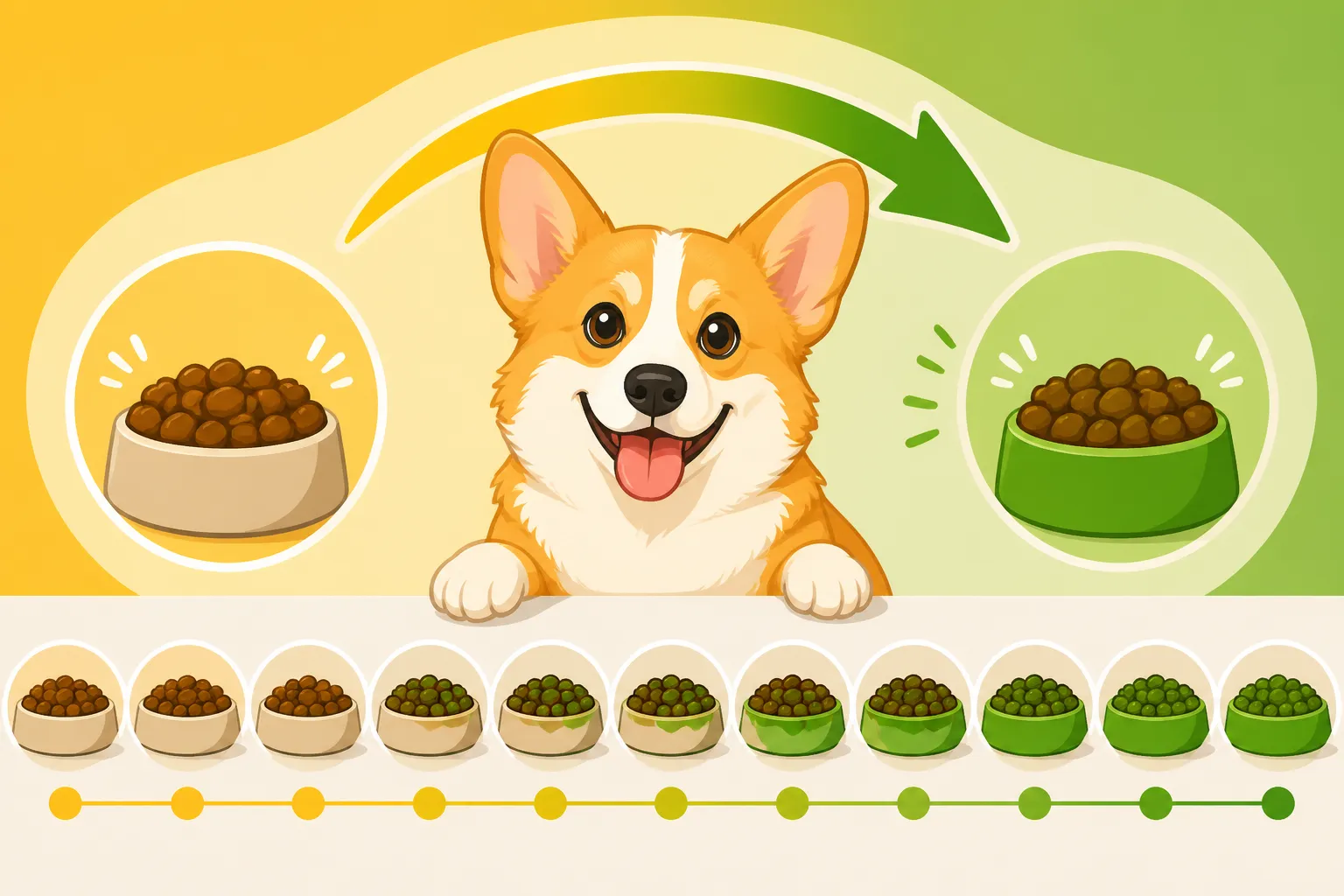
This is where the magic happens. You'll gradually increase the amount of new food while decreasing the old food over ten days. Here's a simple breakdown of the ratios:
| Day | Old Food Percentage | New Food Percentage |
|---|---|---|
| Day 1-2 | 75% | 25% |
| Day 3-4 | 50% | 50% |
| Day 5-6 | 25% | 75% |
| Day 7-10 | 0% | 100% |
For example, if your Corgi normally eats one cup of food per meal, on Day 1-2, you'd feed ¾ cup of their old food and ¼ cup of the new food. By Day 7, they should be eating 100% new food. Pay close attention to The Calorie Target for a Twenty-Eight Pound Corgi if you're switching to a food with a different calorie density; you might need to adjust the total volume to maintain your Corgi's ideal The Body Condition Score a Corgi Owner Aims For. Always weigh the food rather than scooping, as density can vary significantly between brands.
Remember, this is a guideline. If at any point your Corgi shows signs of digestive upset, slow down. For example, if they get loose stools on Day 3, revert to the Day 1 ratio for a couple more days before trying to progress again. Some Corgis might need a 14-day or even 21-day transition if they're particularly sensitive. Patience is your best friend here.
Monitoring Your Corgi During the Process
During these ten days, you need to be a super sleuth. Pay close attention to your Corgi's stools: consistency, color, and frequency. A healthy Corgi stool should be firm, moist, and easy to pick up, like playdough. Any deviation from this, especially watery diarrhea or black, tarry stools, needs immediate attention. Note any changes in appetite; some Corgis are A Corgi That Stares at You Through Dinner no matter what you put down, but a sudden refusal to eat the mixed food is a red flag.
Observe their general demeanor. Are they still energetic and playful? Or are they lethargic, uncomfortable, or hiding? Look for signs of abdominal pain or bloating. Hydration is also crucial; make sure they are drinking plenty of fresh water. If you're switching to a fresh food diet, like one from Ollie, your Corgi might already be getting more moisture, which can influence their water intake. Keeping a log of their intake, output, and behavior can be incredibly helpful, especially if you need to call your vet later.
Common Hiccups and How to Handle Them
Even with the best intentions and a meticulous plan, sometimes things don't go perfectly. Corgis, with their strong personalities, can throw a curveball or two. Knowing how to react calmly and effectively can save you a lot of stress and keep your Corgi comfortable.
Picky Eaters and Refusal to Eat
Some Corgis are absolute food connoisseurs (or simply stubborn). If your Corgi turns their nose up at the new mixture, don't panic. First, try adding a small amount of something enticing like a dollop of plain pumpkin puree (not pie filling!), a spoonful of plain yogurt, or some low-sodium chicken broth warmed slightly. These additions can make the new food more appealing and are generally safe for sensitive tummies. You can also experiment with Bowls That Slow a Corgi's Eating which can make mealtime more engaging.
If they refuse to eat for more than 24 hours, or if they seem genuinely unwell rather than just finicky, contact your vet. Sometimes, picky eating can mask a genuine digestive issue or even another health problem. Remember, we don't want to let a Corgi go too long without eating, especially if they're typically enthusiastic about mealtime. A bit of hunger can sometimes motivate them, but persistent refusal requires veterinary advice.
Loose Stools or Vomiting
As mentioned, if you see loose stools or vomiting, immediately revert to the previous day's food ratio or even go back to 100% old food for a day or two until symptoms resolve. This gives their system a chance to recover. Once they're back to normal, start the transition again, but this time, try extending each stage of the transition (e.g., spending 3-4 days at each percentage instead of 2).
For mild upset, you can offer small amounts of bland food like boiled chicken and rice (plain, no seasoning) for a day or two to settle their stomach before reintroducing the old food, then the gradual transition. However, if vomiting is continuous, if diarrhea is severe or bloody, or if your Corgi is lethargic, weak, or painful, don't wait—call your vet right away. These can be signs of something more serious than just a reaction to new food.
The Importance of Hydration
When your Corgi is experiencing digestive upset, whether it's diarrhea or vomiting, they can quickly become dehydrated. Dehydration is dangerous and can exacerbate their condition. Always ensure your Corgi has constant access to fresh, clean water. You might even consider offering water in multiple bowls around the house to encourage drinking.
If your Corgi is not drinking, or if they are vomiting frequently and can't keep water down, this is a serious concern that warrants immediate veterinary attention. Your vet might suggest offering electrolyte solutions designed for dogs or may need to administer fluids intravenously to prevent severe dehydration. Staying vigilant about their water intake is just as important as monitoring their food during this sensitive time.
Beyond the Transition: Maintaining a Healthy Corgi Diet
Once your Corgi has successfully transitioned to their new food and is thriving, that's fantastic! But the journey doesn't stop there. Maintaining a healthy diet is a lifelong commitment for your Corgi, impacting their energy levels, coat quality, and overall longevity. It's also worth remembering that Whether a Corgi Ever Says It Is Full is a myth; they will often eat more than they should, so portion control is always paramount.
Long-Term Food Storage and Freshness
Proper food storage is crucial to maintaining the nutritional integrity and palatability of your Corgi's food. Dry kibble should be stored in its original bag, sealed tightly, and kept in an airtight container in a cool, dry place. This prevents spoilage, keeps pests out, and helps retain freshness. Exposure to air, heat, and moisture can cause fats in the kibble to become rancid, diminishing nutrient value and potentially causing digestive issues. Avoid buying massive bags of food if your Corgi won't consume it within a month or so, as freshness degrades over time.
For wet or fresh foods, always follow the manufacturer's guidelines for refrigeration and expiration dates. Once opened, canned food should be refrigerated in an airtight container for no more than a few days. Freshly prepared meals, like those from Ollie, often come with specific storage instructions, usually involving refrigeration or freezing, to maintain quality and safety. Always double-check these details to ensure your Corgi is getting the best quality food every single meal.
Deciding on Future Diet Changes
While we've just navigated a food transition, life sometimes necessitates future changes. Perhaps your Corgi develops a new health condition that requires a prescription diet, such as for kidney health or joint support, or your vet suggests Whether a Corgi Needs a Vet Diet or Just Less if they're struggling with their weight. Their needs might change as they age; senior Corgis often benefit from different formulations than active adults. Adjusting Corgi Food After the Spay or neuter is another common dietary adjustment point, as their metabolic rate can shift.
Whenever a future diet change is on the horizon, remember the lessons learned from this transition. Always opt for a slow, gradual introduction over at least ten days, and be vigilant in monitoring your Corgi for any signs of discomfort. It's always a good idea to discuss any significant diet changes with your veterinarian, especially if they are related to a health condition or if you're considering a specialized diet like Whether a Corgi Needs Joint Support in Its Bowl. They can offer personalized advice to ensure your Corgi remains happy and healthy for years to come.
Disclaimer
This article is for general informational purposes only and does not constitute professional advice. Laws, prices and regulations vary by location and change over time. Consult a qualified professional for guidance on your specific situation.