Whether Corgis Beg Harder Than Other Breeds
If you've ever found yourself under the unwavering, soul-piercing gaze of a Corgi, a small puddle of drool slowly forming on the floor, you've probably wondered if your Corgi is uniquely talented at begging for food. It's a question many Corgi parents grapple with, feeling like their little low-riders have a black belt in the art of the puppy-dog-eyes and an unmatched persistence when it comes to snack time. This guide is going to dive deep into whether Corgis truly beg harder than other breeds, explore the reasons behind their food-focused determination, and give you practical, empathetic strategies to manage this often-frustrating behavior without feeling like the bad guy.
The Corgi's Deep-Seated Motivation for Food
Let's be honest, it feels like Corgis were born with an internal alarm clock set perpetually to "snack time." This isn't just a quirk; it's rooted deeply in their history and physiology. Understanding where this drive comes from can help us approach their begging with more patience and a clearer strategy.
The Herding Dog's Energy Needs
Corgis, both Pembroke and Cardigan, were originally bred for herding cattle. Imagine a dog, short to the ground, nipping at the heels of stubborn cows all day long. That's a physically demanding job! This kind of work requires a significant amount of energy, and historically, dogs in such roles needed to be adept at finding and consuming whatever calories were available to sustain themselves. While most Corgis today are beloved family companions rather than working farmhands, that strong genetic predisposition for seeking and utilizing food remains. They still have the mind of a working dog in a domestic setting, which means their brains are wired to be efficient calorie-seekers, even if their daily "work" consists of a few walks and chasing a favorite squeaky toy around the living room.
"Always Hungry" — A Corgi Trait?
It can certainly feel like your Corgi is a bottomless pit, doesn't it? Many Corgi owners report that their dogs act perpetually hungry, even right after a meal. This perception isn't entirely unfounded. Corgis, with their naturally robust build and powerful appetites, often appear ready for their next meal the moment the last one is finished. Their dense double coats can also make it tricky to accurately assess their body condition by eye alone, masking subtle weight gain that can actually contribute to a false sense of being "round" or "chubby" when they might just be carrying a healthy amount of muscle and fur. However, without careful management, this strong appetite combined with their propensity for looking a bit barrel-chested can quickly lead to actual weight gain. For dogs with long backs like Corgis, maintaining an ideal weight is absolutely crucial for their spinal health, so mistaking "always hungry" for genuine hunger can have serious consequences. We delve deeper into their ideal physique in Why a Corgi Is Meant to Look Round.
The Link Between Food and Affection
Let's face it, we love our Corgis, and for many of us, expressing that love often involves treats. A little nibble when they perform a trick, a piece of something from our plate when they look particularly adorable, or an extra biscuit just because. While these gestures come from a place of love, Corgis are brilliant at making associations. If every time they give you "the look," you soften and offer a morsel, they quickly learn that begging is a highly effective way to get what they want – not just food, but your attention and affection too. It creates a powerful feedback loop: Corgi begs > owner gives food/attention > Corgi learns begging works > Corgi begs more. This cycle can be incredibly hard to break once established because the Corgi isn't just asking for food; they're asking for a connection, and sometimes, a piece of chicken is just a really tasty connection.
How Corgis Master the Art of Begging
There's no denying it: Corgis are masters of manipulation when it comes to food. Their physical attributes and intelligent, observant nature combine to create an almost irresistible begging machine. It's not malicious, of course, but it's certainly effective!
The Power of Those Eyes
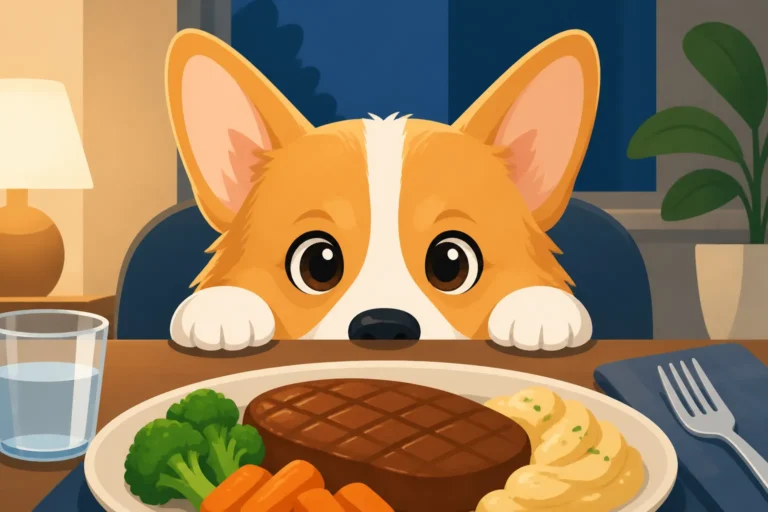
Have you ever tried to eat a meal with a Corgi in the room? It's like having a tiny, furry statue intently staring at your plate, willing a dropped crumb into existence. Their large, expressive eyes are a powerful tool in their begging arsenal. Perched low to the ground, they're perfectly positioned to gaze upwards with an intensity that can melt even the most resolute human heart. They seem to understand the exact angle and duration required for maximum impact, making you feel guilty for every bite you take that isn't shared. This unwavering stare, often accompanied by soft nudges or a quiet whine, is a classic Corgi move. If you've ever experienced A Corgi That Stares at You Through Dinner, you know exactly what I mean.
Vocalizations and Paws
Beyond the silent stare, Corgis employ a symphony of sounds and tactile gestures. They are known for their varied vocalizations – barks, yips, grumbles, and a distinctive "woo" sound. When begging, these can escalate from a soft whimper to a more insistent bark, perfectly timed to coincide with your fork moving towards your mouth. They also aren't shy about using their paws. A gentle tap on your leg, a persistent pawing at your arm, or even a full-body lean into your lap are all common tactics. These physical cues, coupled with their vocalizations, create a multi-sensory experience designed to wear down your defenses. It's hard to ignore a furry low-rider who is actively trying to climb into your lap while also making mournful noises! We talk more about their vocal habits in Corgi Barking and How Much Is Normal.
Opportunistic Behavior: Learning What Works
Corgis are incredibly intelligent and observant. They're constantly watching us, learning our routines, and figuring out what behaviors yield the desired results. If one family member is a soft touch, the Corgi will quickly target them. If dropping food on the floor occasionally leads to a tasty treat, they'll always be lurking nearby during mealtimes. They also learn the sounds associated with food preparation – the crinkle of a bag, the opening of a fridge, the clatter of plates.
Consider a typical scenario: You're preparing dinner, and your Corgi is in the kitchen. Initially, they might just be curious. But if a piece of vegetable accidentally rolls off the counter and you let them gobble it up, or if you toss them a tiny bit of cooked meat, they've just received a positive reinforcement. Next time, they'll be even more engaged, maybe sitting closer, staring harder, or even offering a little bark. They connect your actions directly to their rewards, and they are quick studies. This is why consistency is so incredibly important when dealing with Corgi begging; any deviation can reinforce the unwanted behavior.
Practical Strategies for Managing a Begging Corgi
Okay, so we've established that Corgis are expert beggars, and it's not entirely their fault – it's in their genes and they learn fast. But that doesn't mean you have to surrender your dinner plate to their adorable tyranny! Here are some practical, empathetic strategies to help you manage and reduce begging behavior.
Setting Clear Boundaries and Consistency
This is perhaps the most crucial step. Every single person in your household needs to be on the same page regarding feeding from the table or giving in to begging. A single slip-up can undo days or weeks of consistent training because your Corgi will remember that one time it worked.
- No Table Scraps, Ever: This should be a hard and fast rule. No matter how much they stare, no food from your plate or directly from the table. Explain to family members, especially children, why this is important for your Corgi's health and behavior. It might feel mean at first, but it's an act of love to protect them from obesity and bad habits. Scraps That Undo a Corgi's Diet explains why this is so important for their overall health.
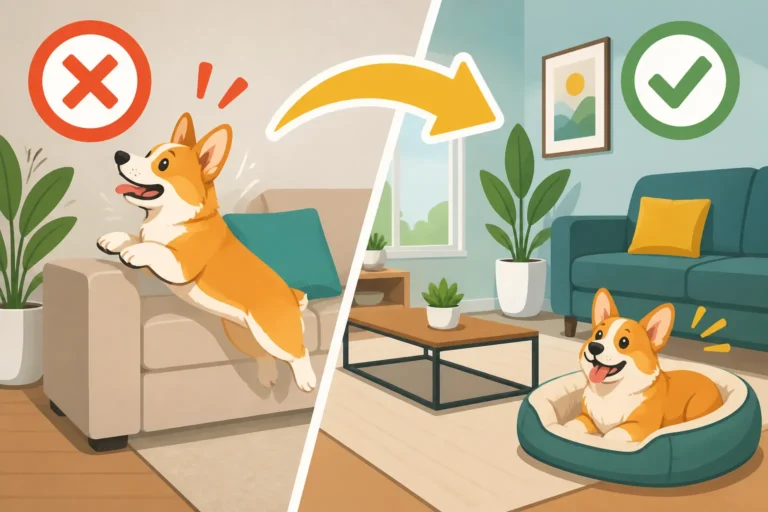
- Designated Eating Spots: Consider having your Corgi on their bed or in their crate, away from the dining area, during family meals. This removes the opportunity for direct begging and teaches them that mealtime for humans means relaxing time for them.
- Teach a "Place" Command: This can be incredibly useful. Train your Corgi to go to a specific mat or bed and stay there while you eat or cook. Reward them with a special chew or toy after your meal, while they are still in their "place," not during.
Redirection and Alternative Reinforcement
Instead of giving in, redirect your Corgi's attention to something appropriate. This helps them learn that other behaviors are more rewarding than begging.
- Puzzle Toys and Chews: Before you sit down to eat, give your Corgi a long-lasting chew or a puzzle toy stuffed with a portion of their regular kibble. This keeps them mentally and physically occupied, associating your mealtime with their own engaging activity. Brands like Chewy or Amazon offer a huge variety of these.
- Training Time: Use your Corgi's mealtime as a structured training session. Instead of free feeding, make them "work" for their food by performing tricks or obedience commands. This taps into their natural intelligence and desire to please (when motivated by food!). This can be a great way to utilize their daily The Calorie Target for a Twenty-Eight Pound Corgi towards positive training.
- Ignore the Begging: This is tough, but essential. When your Corgi starts to beg, turn your back, avoid eye contact, and don't speak to them. As soon as they quiet down or move away, even for a second, then you can offer praise or a designated toy. They learn that silence and disengagement are what gets your attention, not the persistent nudges or barks.
Incorporating Treats into Daily Meals
Corgis love food, so let's use that to our advantage in a structured way. Instead of random treats, integrate them thoughtfully.
- "High-Value" Healthy Snacks: If you want to give your Corgi a special snack, make it a healthy one like a baby carrot or a piece of apple. But crucially, give it to them away from the table, as part of a training session, or as a reward for calm behavior, not in response to begging.
- Use Kibble as Training Treats: For training sessions throughout the day, use your Corgi's own kibble. This way, you're not adding extra calories to their diet, and they're still getting the mental stimulation and rewards from training. This is a smart way to manage their overall caloric intake while still rewarding good behavior, as discussed in Using a Corgi's Own Kibble as Training Currency.
- Meal Timing: Ensure your Corgi is fed at consistent times, perhaps just before your own meal. A full belly might reduce the intensity of their begging, though it won't eliminate it entirely for a truly food-motivated Corgi.
Managing Meal Times and Scraps
The kitchen and dining area are prime begging zones. Proactive management is key here.
- Cleanup Crew Prevention: Don't let your Corgi be the "cleanup crew" for dropped food. If something falls, pick it up quickly. This prevents them from learning that patience (or hovering) eventually pays off.
- Guest Education: It’s vital to educate guests about your rules. A well-meaning visitor might inadvertently set back your training by slipping your Corgi a forbidden snack. Explain politely that it’s for their health and good behavior.
- Consider a Defined Space: For persistent beggars, a baby gate might be necessary to keep them out of the kitchen while you're cooking or eating. This isn't punishment; it's setting them up for success by removing the temptation. Ramps and gates are helpful tools for Corgi households for many reasons, including protecting their backs from jumping off furniture, as noted in Ramps and Steps That Save a Corgi's Back.
Understanding the Health Implications of Constant Begging
While a begging Corgi might seem cute or just a minor annoyance, consistently giving in to their demands for food can have significant, long-term health consequences, especially for a breed like the Corgi. It’s a classic case of loving them too much with food.
The Risk of Overfeeding and Obesity
Corgis are naturally built with a dense frame, and their short legs mean they don't always burn calories as rapidly as taller, leaner breeds, even with a good amount of exercise. Their strong food drive, combined with an owner's tendency to overfeed (often spurred by begging), makes them highly susceptible to obesity. A few extra pounds on a Corgi can quickly become a big problem.
- Spinal Strain: Their long backs are particularly vulnerable. Excess weight puts immense strain on their intervertebral discs, significantly increasing the risk of Intervertebral Disc Disease (IVDD) and other spinal issues. This is a major concern for Corgi owners, and we explore it further in Why Corgi Weight Is a Spinal Problem and What Extra Weight Does to a Corgi Spine. Even a few extra pounds can accelerate degenerative changes in their spine, leading to pain and mobility problems.
- Joint Problems: Beyond the spine, extra weight stresses all their joints, particularly their hips and elbows, potentially leading to or exacerbating arthritis and other orthopedic conditions much earlier in life.
- Other Health Issues: Obesity in dogs, just like in humans, is linked to a host of other serious health problems, including diabetes, heart disease, breathing difficulties, and a shortened lifespan. It can make them less tolerant to heat and reduce their overall quality of life.
Hidden Dangers of Table Scraps
It’s not just the extra calories; many human foods are outright dangerous for dogs. While a tiny piece of unseasoned chicken might seem harmless, consistency is where the danger lies.
- Toxic Foods: Onions, garlic, grapes, raisins, chocolate, avocado pits, and xylitol (a sugar substitute found in many sugar-free products) are common household items that are toxic to dogs and can cause severe illness or even death.
- High Fat Content: Foods rich in fat can lead to pancreatitis, a painful and potentially life-threatening inflammation of the pancreas. Think of fatty meats, sauces, and baked goods.
- Cooked Bones: Cooked bones can splinter and cause internal damage, blockages, or choking. While raw bones might be a different conversation, cooked ones are a definite no-go.
- Digestive Upset: Even non-toxic human foods can upset a Corgi's sensitive digestive system, leading to vomiting, diarrhea, and discomfort.
Promoting a Healthy Body Condition
The goal isn't to starve your Corgi, but to ensure they maintain a healthy weight and receive appropriate nutrition.
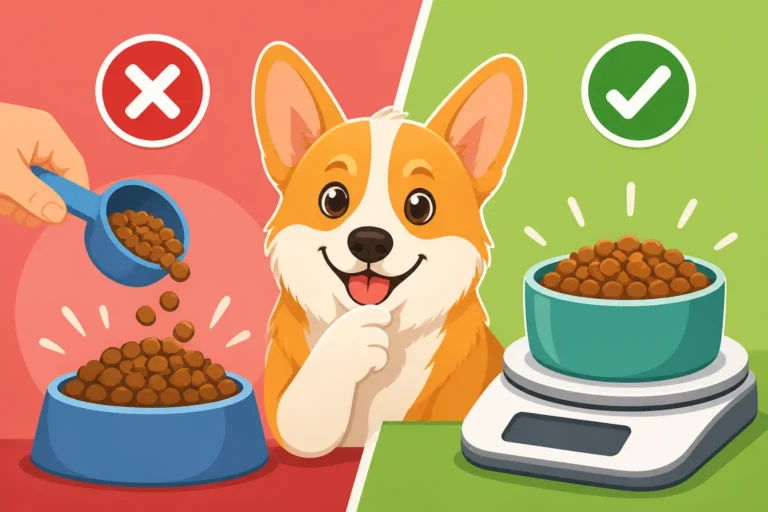
- Accurate Feeding: Work with your veterinarian to determine the precise calorie target for your individual Corgi based on their age, activity level, and current weight. Measure their food accurately, using a kitchen scale for best results, rather than relying on scoops which can be inconsistent.
- Regular Weight Checks: Monitor your Corgi's weight regularly. A visual check of their body condition score, feeling for their ribs, and observing their waistline is crucial, especially underneath that thick coat. The Body Condition Score a Corgi Owner Aims For provides excellent guidance on this. You should be able to easily feel their ribs without pressing hard, and they should have a discernible waist when viewed from above.
- Quality Diet: Feed a high-quality dog food formulated for their life stage. Some owners find that fresh-prepared or gently cooked diets, from providers like Ollie, can help with weight management due to their precise portioning and clear ingredient lists. Always discuss dietary changes with your vet. We cover ideal weights in What a Pembroke Should Weigh.
- Adequate Exercise: While managing food intake is paramount, ensuring your Corgi gets consistent, appropriate exercise is also vital. This supports muscle mass and calorie expenditure, contributing to their overall health and well-being without putting undue strain on their back.
By being firm but fair, consistent, and proactive, you can help your Corgi develop better habits around food. It’s a marathon, not a sprint, but the rewards of a healthy, well-behaved Corgi are absolutely worth the effort.
Here's a quick comparison of Corgi begging behaviors and common counter-strategies:
| Begging Behavior | Corgi Motivation | Owner's Feeling | Effective Counter-Strategy |
|---|---|---|---|
| Intense Staring (Puppy Eyes) | Learned that this gets attention/food | Guilt, melting heart, "poor baby" | Ignore completely (no eye contact, turn back). Reward after cessation of staring with a calm "good dog" or toy. |
| Pawing/Nudging | Directly asking for attention/food | Annoyance, sympathy, frustration | Redirect to a designated "place" or bed. Offer a puzzle toy or chew before mealtime. Teach a "leave it" command. |
| Whining/Barking | Trying to vocalize desires | Irritation, feeling manipulated | Do not acknowledge until quiet. Praise quiet behavior. Use training sessions to teach "quiet" on cue, rewarding with kibble from their meal portion. |
| Following/Hovering | Anticipating dropped food, seeking opportunity | Clingy, tripping hazard | Create physical boundaries (baby gate). Ensure their own meal has been eaten. Provide a safe, engaging activity away from the kitchen. |
| Attempting to Jump on Lap/Table | Direct access to food, seeking closeness | Uncomfortable, disruptive, potentially unsafe | Immediately remove them without scolding. Reinforce "place" command. Ensure all family members and guests are aware: no food from the table. |
Disclaimer
This article is for general informational purposes only and does not constitute professional advice. Laws, prices and regulations vary by location and change over time. Consult a qualified professional for guidance on your specific situation.