How Much Hair a Twenty-Eight Pound Corgi Drops
Oh, the joy of a Corgi! Their stubby legs, their expressive faces, their intelligent barks… and the seemingly endless supply of hair they leave behind. If you've ever owned a Corgi, especially one that weighs in around that perfectly portable 28 pounds, you know the struggle is real. It’s not just "some" shedding; it's a lifestyle. This guide is here to help you truly understand why your 28-pound Corgi seems to be a walking, barking glitter bomb of fur, and more importantly, how you can realistically manage the daily blizzard.
Understanding the Corgi Double Coat and Its Purpose
The first step in accepting the constant flurry of Corgi fur is to really understand why they shed so much. It's not out of spite, I promise! It's all about their incredible double coat, a marvel of natural engineering perfectly designed for their original job of herding cattle in the often damp and chilly Welsh countryside. This coat is their armor, their insulation, and unfortunately, the source of all that glorious fluff.
The Two Layers: Undercoat and Guard Hairs
A Corgi's coat isn't just one type of hair; it's actually two distinct layers working in harmony. Think of it like a winter jacket: you have the soft, warm fleece inside, and the tough, waterproof shell on the outside.
The undercoat is the soft, dense, downy layer closest to their skin. It's shorter, very fine, and incredibly effective at trapping air, which acts as a fantastic insulator. In cold weather, this trapped air keeps them warm. In warmer weather, it helps regulate their body temperature, protecting them from heat and sun. This is the layer that provides that iconic Corgi fluff, and it's also the primary culprit when it comes to shedding. When this undercoat hair dies, it doesn't just fall out easily; it often gets caught in the denser outer layer, creating tangles and mats if not brushed out regularly.
Then there are the guard hairs, which form the outer layer of the coat. These hairs are longer, coarser, and have a somewhat wiry texture. Their job is to protect the delicate undercoat and the Corgi's skin from the elements – rain, snow, dirt, and even UV rays. They also give the Corgi its distinctive color and markings. While guard hairs do shed, they do so less frequently and in smaller quantities than the undercoat. They're more like individual soldiers, while the undercoat is the entire battalion ready to cycle out.
Why a Double Coat Means Constant Shedding
Because Corgis evolved to work outdoors in varying conditions, their double coat needs to adapt. This adaptation happens through a continuous cycle of hair growth, rest, and shedding. Hair doesn't just grow indefinitely; it has a programmed lifespan.
For a Corgi, this means a constant, low-level release of dead undercoat hair, along with occasional guard hairs. This shedding allows new, healthy hair to grow in and replace the old, ensuring the coat remains functional and protective. It's a natural process, and it's what keeps their insulation system working efficiently. Without shedding, their coat would become matted, heavy, and lose its insulating properties, making them uncomfortable and potentially leading to skin issues. So, while it feels like a never-ending battle with fur bunnies, remember it's a sign of a healthy, functioning Corgi coat.
The Reality of Corgi Shedding: Beyond Seasonal "Blows"
If you're a new Corgi parent, you might have heard about "seasonal shedding," but trust me, with a Corgi, it's a whole different ballgame. It's not just twice a year; it's pretty much a daily occurrence with extra special events thrown in for good measure.
The Perpetual Shed: Daily Hair Loss
Let's be real: Corgis shed every single day. You'll find their hair clinging to your clothes like static electricity, embedded in your furniture, and floating around like tiny, furry tumbleweeds in the corners of your home. It doesn't matter if your Corgi is a dainty 20 pounds or a sturdy 35 pounds; the daily shedding is a constant presence. It's just a fundamental part of sharing your life with one of these wonderful dogs.
This constant shedding can be a bit of a shock if you're used to breeds with single coats or those that shed minimally. You'll quickly learn that a lint roller becomes your best friend, and you might even start matching your outfits to your Corgi's fur color. Expect to see hair on your dark pants after a quick cuddle, in your coffee if you're not careful, and perhaps even finding it woven into your favorite blanket. It’s part of the charm, right? This perpetual shedding is why regular, even daily, grooming is so important, not just for your sanity but for your Corgi's coat health too. The more loose hair you brush out, the less ends up on your floor. For a real dive into this, you might want to read Whether a Corgi Really Sheds Every Day.
Seasonal Coat Blows: The "Oh My Goodness" Periods
Beyond the daily shedding, Corgis experience what owners affectionately (or perhaps not so affectionately) call "blowing their coat." These are intense periods, usually in spring and fall, when they shed an absolutely astonishing amount of undercoat to prepare for the change in seasons.
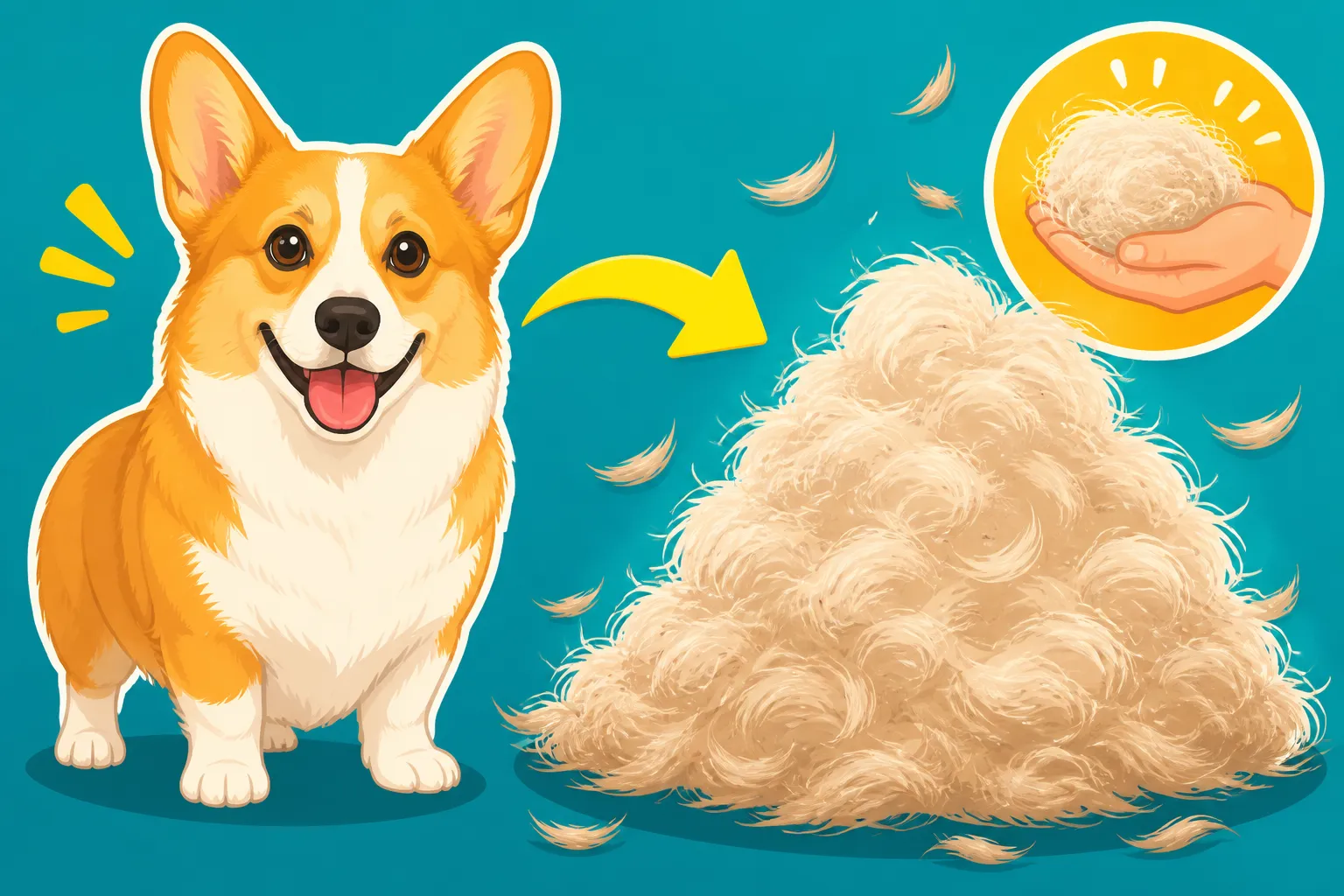
In the spring, as the weather warms up and daylight hours lengthen, your Corgi will shed their thick winter undercoat to make way for a lighter, thinner one suitable for summer. Then, in the fall, they'll shed that summer coat to grow in a dense winter one. During these "coat blows," you can literally pull handfuls of soft, fluffy undercoat from your dog. It's like a never-ending snowstorm of fur, and it can last for several weeks. Your vacuum cleaner will get a serious workout, and you might even wonder if your Corgi is shrinking. The Two Weeks a Corgi Coat Comes Out in Handfuls is not an exaggeration – sometimes it feels like longer! This is when you really need to step up your grooming game to help them release all that dead hair efficiently, preventing mats and keeping them comfortable.
Factors Influencing Shedding Volume in a 28-Pound Corgi
While shedding is inherent to the Corgi breed, several factors can influence just how much hair your particular 28-pound Corgi drops. It's not always a one-size-fits-all situation, and understanding these nuances can help you better manage their coat.
Size Doesn't Always Equal Less Hair
It's a common misconception that a smaller dog, even a 28-pound Corgi, will shed significantly less than a larger Corgi or other breeds. Unfortunately, for double-coated breeds like Corgis, their size in pounds doesn't directly correlate with the volume of hair they produce. A 28-pound Corgi has the same type of double coat as a 35-pound Corgi; the density of the undercoat is the primary factor, not just the overall body mass.
You might find a petite 25-pound Corgi that sheds more profusely than a larger 32-pound one, simply because their individual genetics blessed them with a particularly dense undercoat. It’s not about surface area as much as it is about the sheer volume of hair follicles and the efficiency of their shedding cycle. So, while your Corgi might be a compact bundle of joy, don't expect their smaller stature to save you from the daily fur challenge. In fact, many Corgi owners would tell you that the amount of hair seems disproportionate to the size of the dog!
Diet, Health, and Environmental Impact
Beyond genetics, your Corgi's diet, overall health, and even their living environment play significant roles in the quality of their coat and, consequently, how much they shed. A healthy Corgi with a good coat will shed regularly, but excessive or unhealthy shedding can be a red flag.
First, let's talk about diet. A high-quality diet that provides essential nutrients, particularly omega fatty acids, is crucial for skin and coat health. If your Corgi isn't getting adequate nutrition, their coat can become dull, brittle, and shed excessively. Many owners find that incorporating supplements, like fish oil, can improve coat luster and reduce abnormal shedding. Brands like Ollie, known for their fresh, whole ingredient meals, or even high-quality kibble available through retailers like Chewy, can make a difference. Always check the ingredient list and consider speaking to your vet about the best food for your Corgi. For more on supplements, you can read Whether Fish Oil Thickens a Corgi Coat.
Health conditions can also impact shedding. Allergies, parasites, thyroid issues, or other underlying medical problems can cause changes in coat texture and increased hair loss. If you notice patchy shedding, skin irritation, or a sudden, dramatic increase in shedding outside of normal seasonal changes, it's always best to consult your veterinarian. Stress can also be a factor; a stressed Corgi might shed more.
Finally, the environment matters. Indoor Corgis, especially those in climate-controlled homes, often shed more consistently year-round because their bodies aren't experiencing the distinct seasonal temperature fluctuations that trigger massive coat blows outdoors. While this might mean less dramatic "blows," it often translates to a steady supply of fur on your floors every single day.
Practical Strategies for Managing Corgi Hair
Okay, so we've established that Corgis shed a lot. But you're not helpless in the face of the fur! There are very effective strategies you can employ to manage the hair and keep both your Corgi and your home looking their best. It's all about consistency and the right tools.
The Power of Consistent Brushing
This is, hands down, the single most effective thing you can do to manage Corgi shedding. Brushing your Corgi frequently removes dead hair before it has a chance to settle on your furniture or float through the air. During regular times, aiming for a few times a week is good, but during seasonal coat blows, you might need to brush daily, sometimes even twice a day.
You'll need the right tools for the job. An undercoat rake is essential for Corgis. It has long, blunt teeth designed to reach down into the dense undercoat and gently pull out the loose, dead hair without damaging the guard hairs. This is your primary weapon against the shedding beast. Follow up with a slicker brush to smooth the topcoat and remove any remaining loose hairs, and then a pin brush for general tidying and to stimulate the skin. You can find a fantastic array of these tools on platforms like Amazon. For a detailed look at tools, check out The Rake and Comb a Corgi Coat Actually Needs.
Here’s a simple routine:
- Start with the undercoat rake: Work in small sections, always brushing in the direction of hair growth. Be gentle, especially around sensitive areas. You'll be amazed at the piles of fur that come off.
- Follow with a slicker brush: Once you've removed the bulk of the undercoat, use the slicker brush to smooth the topcoat and catch any stragglers.
- Finish with a pin brush: This helps distribute natural oils and leaves their coat looking shiny and well-groomed.
Remember, Brushing a Corgi Daily Through a Shed isn't just for cleanliness; it also prevents painful mats from forming, especially behind their ears, in their "armpits," and on their fluffy trousers.
Bathing and Drying Techniques
Bathing plays a crucial role in managing shedding, especially during a coat blow. A good bath can help loosen and release a lot of dead undercoat. However, it's important not to over-bathe, as this can strip natural oils from their skin and coat. Most Corgis benefit from a bath every 4-8 weeks, or more frequently during heavy shedding seasons, if done correctly. How Often a Corgi Actually Needs Washing is a good read on this.
When bathing, use a high-quality dog shampoo designed for double coats or sensitive skin. Work the shampoo thoroughly into their coat, ensuring it reaches the skin, and then rinse completely. Any residue can cause skin irritation.
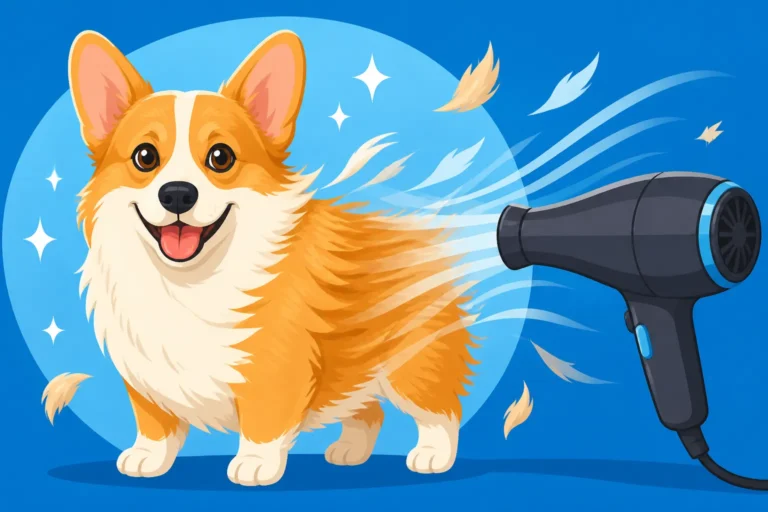
The drying process is just as important, if not more so, than the washing. Corgis have such a dense undercoat that simply air-drying or towel-drying isn't enough. You absolutely need to get them thoroughly dry down to the skin. A high-velocity pet dryer (often called a "force dryer") is an absolute game-changer for Corgi owners. These dryers literally "blast" water out of the coat, and in doing so, they also push out an incredible amount of loose, dead undercoat. If you've never used one, prepare to be shocked by the sheer volume of hair that comes flying off! It drastically reduces drying time and helps prevent dampness in the undercoat, which can lead to skin issues. You can learn more about this technique in Blowing a Corgi Coat Out With a Dryer. Without proper drying, a damp undercoat can become a breeding ground for bacteria or fungus, leading to "hot spots" or other skin problems. Getting a Corgi Dry Through the Undercoat is vital.
Housekeeping and Environmental Management
Even with diligent brushing and bathing, some Corgi hair will inevitably make its way into your home. Effective housekeeping is your next line of defense.
Invest in a good quality vacuum cleaner, ideally one designed for pet hair. Robotic vacuums, while not a substitute for deep cleaning, can be incredibly helpful for daily maintenance, picking up the constant shedding before it accumulates. Running one daily can make a huge difference in keeping those furry tumbleweeds at bay. For more on vacuum costs, check out Vacuum Costs in a Corgi Household.
Consider furniture covers or dedicated Corgi blankets for sofas and beds to protect your upholstery. Lint rollers become an essential item for your car, your purse, and every closet in the house. A damp cloth or rubber gloves can also work wonders for removing hair from fabric surfaces. For clothes, a quick run through a dryer on a "no heat" or "air fluff" cycle with a dryer sheet can help loosen and collect hair before you wear them. It’s about creating systems to deal with the hair, rather than constantly battling it.
Common Misconceptions and What Not to Do
When faced with the monumental task of Corgi shedding, it's easy to look for quick fixes. However, some common approaches are actually detrimental to your Corgi's health and coat. It's vital to avoid these pitfalls to ensure your Corgi stays happy and healthy.
Why Shaving a Corgi Is a Bad Idea
This is perhaps the most common misconception and one of the biggest mistakes Corgi owners can make out of desperation to reduce shedding or "cool off" their dog. Shaving a double-coated breed like a Corgi is almost universally discouraged by veterinarians and professional groomers.
The Corgi's double coat acts as a natural insulation system. In winter, the dense undercoat traps warm air to keep them cozy. In summer, it protects them from UV rays and helps regulate their body temperature by creating a barrier against the sun's heat. When you shave off this protective layer, you strip them of their natural defenses. They become more susceptible to sunburn, heatstroke, and even skin cancer. Furthermore, the coat often grows back incorrectly. The soft undercoat can grow in thicker and faster than the coarser guard hairs, leading to a "wool-like" texture that is prone to matting, offers less protection, and can ironically make them hotter and shed more down the line. It's a classic case of trying to solve a problem and inadvertently creating several new, worse ones. Instead of shaving, focus on effective brushing and bathing to manage shedding and keep them cool. You can learn more about this in Why a Clipped Corgi Loses Its Weather Protection and Whether a Corgi Should Be Trimmed in Summer.
Over-Bathing and Harsh Products
While bathing is helpful for shedding, doing it too often or using the wrong products can be detrimental to your Corgi's skin and coat health. Excessive bathing, especially with harsh shampoos not formulated for dogs, can strip away the natural oils that keep their skin moisturized and their coat healthy.
When these natural oils are depleted, your Corgi's skin can become dry, itchy, and irritated, leading to scratching, redness, and potentially secondary skin infections. This irritation can also exacerbate shedding, creating a vicious cycle. Always use a shampoo specifically designed for dogs, ideally one that is gentle, pH-balanced, and perhaps formulated for double coats or sensitive skin. Always dilute shampoo and rinse thoroughly. Conditioner can be beneficial to rehydrate the skin and coat after shampooing. If your Corgi has particular skin sensitivities, consult your vet for product recommendations. Gentle grooming practices are always preferred over aggressive or overly frequent interventions.
Living with the Corgi Hair: Acceptance and Enjoyment
Ultimately, owning a Corgi means accepting a certain level of hair in your life. It's part of the package deal, along with their boundless personality and undeniable cuteness. Instead of fighting a losing battle, learning to accept and manage the shedding can actually enhance your enjoyment of your furry friend.
It's Just Part of the Corgi Charm
Think of the hair not as a nuisance, but as a byproduct of having such a wonderful, well-adapted companion. That thick, insulating coat is what keeps them comfortable whether they're trotting through a winter wonderland or lounging in the summer sun. It's a testament to their heritage as hardy working dogs. The occasional Corgi hair on your clothes or in your food becomes a quirky reminder of the love and joy they bring into your home.
Many Corgi owners develop a sense of humor about it, finding Corgi hair in the most unexpected places and just shrugging. It's a small price to pay for the unwavering loyalty, comical antics, and sweet companionship that these dogs offer. Plus, imagine all the little Corgi fur sculptures you could create with the shed hair! It's a unique characteristic that bonds Corgi owners in a shared experience.
Creating a Routine for Peace of Mind
While you can't eliminate shedding, you can absolutely manage it to a degree that makes it feel much less overwhelming. The key is establishing a consistent routine for grooming and cleaning. Once you integrate these tasks into your regular schedule, they become less of a chore and more just another part of Corgi ownership.
A regular brushing schedule, especially during the heavy shedding seasons, makes an enormous difference. Set aside time each day or every other day for a thorough grooming session. Not only does this remove dead hair, but it also becomes a wonderful bonding experience for you and your Corgi. They often love the attention and the feeling of having that itchy, loose hair removed.
Combine your grooming routine with a proactive cleaning strategy for your home. Regular vacuuming, keeping lint rollers handy, and using pet-friendly covers can keep your living space from being completely overrun. With a good routine, the Corgi fur becomes a manageable presence rather than a chaotic explosion, allowing you to focus on all the other delightful aspects of life with your adorable, fluffy companion.
| Grooming Tool | Primary Function | Best Use Case | Frequency |
|---|---|---|---|
| Undercoat Rake | Removes loose undercoat without damaging topcoat | During seasonal "blows" and general heavy shedding | Daily/Weekly |
| Slicker Brush | Removes loose hair from topcoat, smooths coat | After undercoat rake, for general tidying | Daily/Weekly |
| Pin Brush | General grooming, distributes oils, gentle detangling | Daily for overall coat health and shine | Daily |
| High-Velocity Dryer | Blasts water & loose undercoat post-bath | After bathing for thorough drying and shedding release | Post-bath |
| Nail Clippers/Grinder | Maintains healthy nail length | As needed (usually every 2-4 weeks) | Regular |
| Dog Shampoo & Conditioner | Cleanses coat, moisturizes skin | Every 4-8 weeks, or as needed for dirt/odor | Regular |
Disclaimer
This article is for general informational purposes only and does not constitute professional advice. Laws, prices and regulations vary by location and change over time. Consult a qualified professional for guidance on your specific situation.