A Corgi That Barks at Every Passing Dog
Corgi barking behavior stems from herding instincts and leash frustration, explaining why dogs react to passing animals.
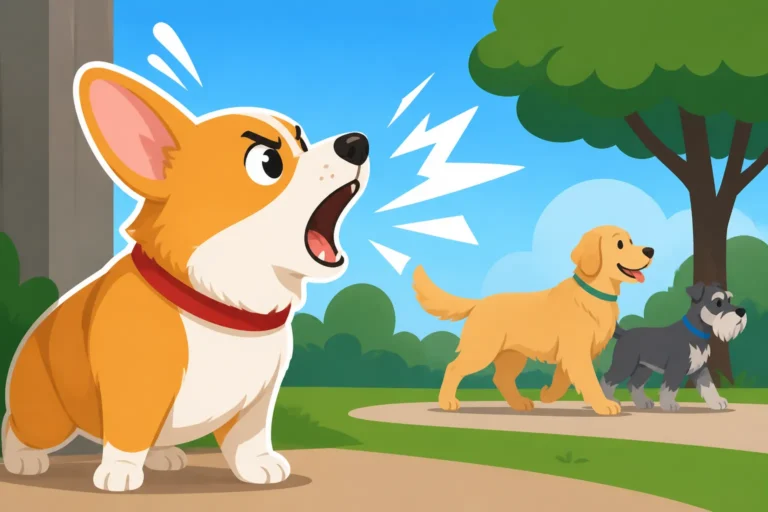
Corgi barking behavior stems from herding instincts and leash frustration, explaining why dogs react to passing animals.

Corgi vocalizations and historical herding roots explain why these small working dogs bark loudly to manage cattle and environments.
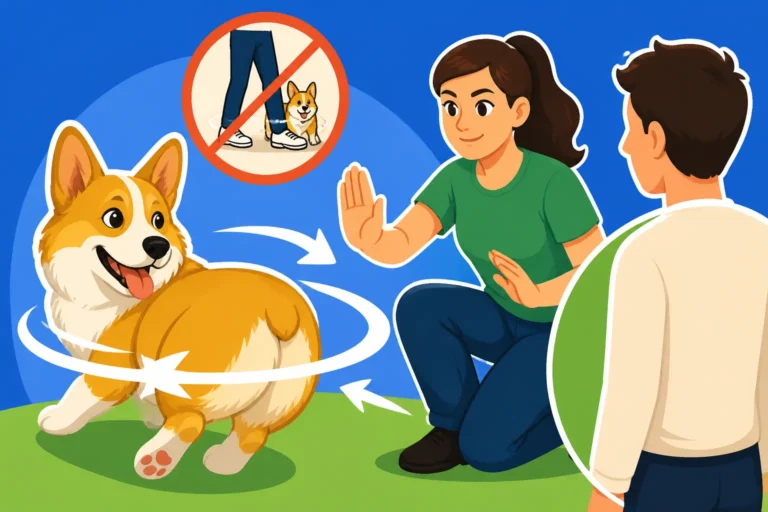
Corgi circling behavior stems from inherited herding instincts, which owners can manage by identifying triggers and redirecting energy.
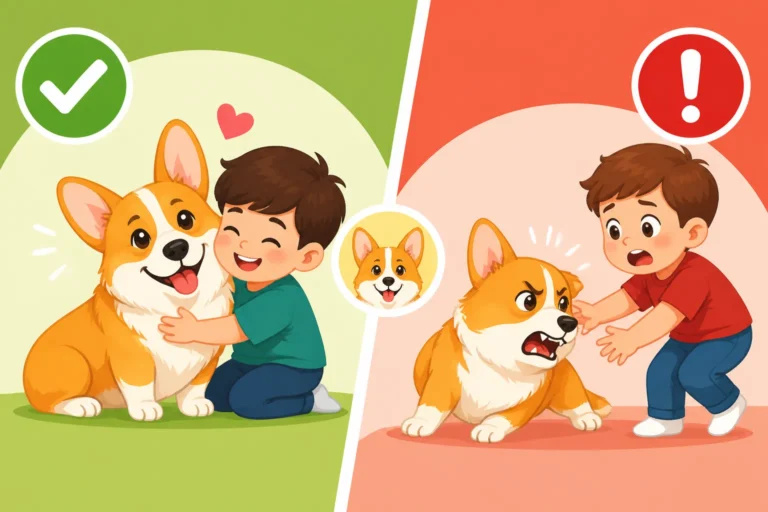
Corgi herding instincts and low stature create safety risks around small children, requiring strict supervision and boundaries to prevent ankle nips.

Corgi herding behavior explains why dogs circle visitor ankles at doors and how owners redirect thousands of years of selective breeding.

Corgi nipping behavior, genetic herding instincts, and circumstances causing skin breakage during quick ankle grabs by puppies and adults.

Corgi heel nipping behavior stems from natural herding instincts and requires redirecting energy toward a suitable ball.

Corgi herding instincts and cattle driving heritage explain why dogs nip at the heels and ankles of running children in homes.
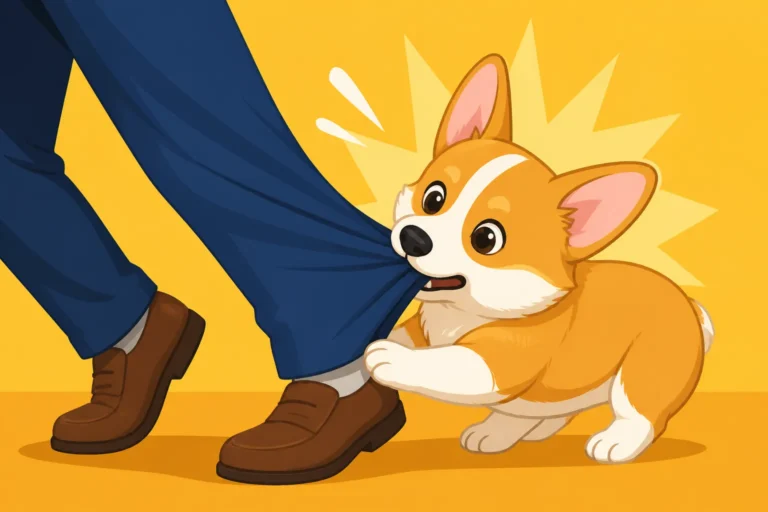
Corgi trouser-leg grabbing behavior stems from genetic herding instincts and requires consistent redirection strategies to stop.

Corgi nipping behavior stems from historical herding instincts, explaining why these working dogs target human heels and ankles.