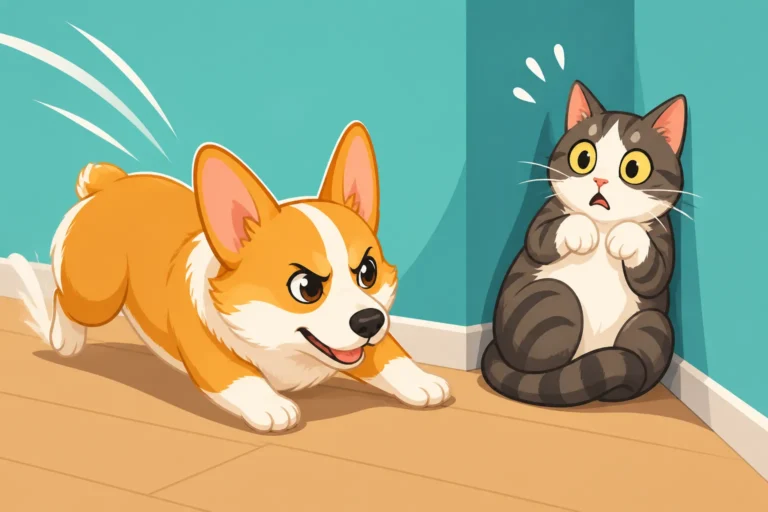
A Corgi That Rounds Up the Other Dogs
It's a familiar scene for many Corgi owners: you're at the dog park, enjoying a lovely afternoon, and suddenly your little low-rider is circling, bumping, and even nipping at the heels of other dogs, trying to "organize" them. This isn't your Corgi being naughty on purpose; it's a deep-seated instinct coming to the surface. This guide will help you understand why your Corgi feels the urge to round up other dogs and, more importantly, equip you with practical strategies to manage this behavior for a happier, safer experience for everyone involved.
The Deep Roots of Corgi Herding Behavior
Let's be real, a Corgi isn't just a cute, fluffy loaf with legs. Underneath that adorable exterior beats the heart of a working dog, specifically a cattle herder. It's easy to forget when they're snuggled up on the sofa, but their breed history is filled with purposeful work.
An Ancestral Job Description
Cardigan Welsh Corgis and Pembroke Welsh Corgis were both originally developed in Wales to drive cattle. Think about that for a moment: tiny dogs, no taller than a person's knee, moving animals that weigh hundreds, if not thousands, of pounds. They did this by darting in, nipping at the heels, and then dropping to the ground to avoid a retaliatory kick. Their low stature wasn't an accident; it was a carefully bred trait that allowed them to operate beneath the cows' kicking zone. This innate ability to gather, control, and move livestock is hardwired into their DNA. The Cattle Dog Behind the Corgi
This means that when your Corgi encounters a group of other dogs, especially ones that are moving quickly or erratically, their primal instinct kicks in. They don't see "Fido" and "Buddy" playing; they see a herd of unruly cattle that needs to be brought into line. It's not aggression; it's a job, as far as they're concerned. They're simply doing what generations of their ancestors did to earn their keep.
How Herding Manifests in Modern Corgis
In a modern home or dog park, this herding instinct rarely involves actual cattle. Instead, it translates into a range of behaviors that can be endearing in small doses but problematic when directed at other dogs or even people. You might see your Corgi:
- Circling: Running wide loops around a group of dogs, trying to gather them into a tighter unit.
- Bumping or Nudging: Using their body to gently (or not-so-gently) push other dogs in a desired direction.
- Staring or "Eyeing": Intense focus on another dog, often lowering their head, a classic herding posture.
- Nipping at Heels or Flanks: The classic "heel nip" that was so effective with cattle. This can, understandably, be very upsetting to other dog owners and potentially cause injury. A Corgi That Nips Running Children
- Blocking Pathways: Positioning themselves to prevent other dogs from moving in a certain direction.
These behaviors are all part of the same genetic blueprint. It's important for us as Corgi owners to recognize these actions for what they are – not malicious intent, but an ingrained instinct – and then work on providing appropriate outlets and management strategies.
Why Your Corgi Might Be Herding Other Dogs
Understanding the "what" is one thing, but knowing the "why" in your specific Corgi's case can help tailor your management approach. Several factors can contribute to or exacerbate this herding behavior.
High Energy and Lack of Mental Stimulation
Corgis are intelligent, active dogs. They were bred for a demanding job that required both physical stamina and keen problem-solving skills. If they don't get enough appropriate exercise and mental engagement, that energy has to go somewhere. Herding other dogs can become an outlet for that pent-up energy and mental drive. A bored Corgi is often a creative Corgi, and "herding" can feel like a perfectly acceptable pastime to them.
Imagine a Corgi who spends most of their day napping or with only short, uneventful walks. When they finally get to a dog park, the sudden burst of activity and moving targets can trigger their instincts to an extreme degree. They're like a highly trained athlete who hasn't been allowed to play their sport, and then suddenly finds themselves on the field. They're going to go all in! Providing your Corgi with activities that challenge their mind and body in positive ways can significantly reduce the urge to herd everything that moves. The Job a Corgi Needs Instead of Herding You
Over-Excitement in Play Scenarios
Sometimes, herding behavior isn't rooted in boredom but in pure, unadulterated excitement. A Corgi who loves to play can get so revved up that their herding instincts kick into overdrive. This is especially true in environments with lots of fast-moving dogs, like a busy dog park or a lively family gathering with kids and pets running around.
The chaotic energy can be overwhelming and, to a Corgi's mind, demands order. They might start circling and trying to control the play, which can quickly turn from boisterous fun to a less welcome intervention for the other dogs. It's not about being mean; it's about trying to impose structure on what they perceive as chaos. Learning to read your Corgi's energy levels and intervening before they hit that over-threshold point is key.
Social Dynamics and Confidence
While herding is an instinct, how it's expressed can also be influenced by your Corgi's social personality. Some Corgis might use herding as a way to assert themselves in a group, especially if they are confident and pushy by nature. They see themselves as the "manager" of the pack, even if it's a temporary one at the dog park.
Conversely, some Corgis might display herding behaviors out of a sense of anxiety or insecurity. If they feel overwhelmed or unsure in a social setting, trying to control the movement of other dogs can be a way to manage their own discomfort. It's their attempt to create predictability in an unpredictable situation. Observing your Corgi's body language – are they tense and worried, or loose and assertive? – can give you clues about the underlying motivation.
Effective Strategies for Managing Herding Behavior
So, what can you do when your pint-sized herder tries to wrangle every dog in sight? The good news is that with consistency, patience, and the right approach, you can manage this innate behavior and guide your Corgi toward more appropriate interactions.
Early Socialization and Training
One of the most powerful tools you have is early intervention. A well-socialized puppy is better equipped to navigate the complexities of dog-dog interactions. Exposing your Corgi puppy to a variety of safe, positive experiences with other dogs from a young age can help them learn appropriate play manners. Puppy classes are fantastic for this, as they provide controlled environments with experienced trainers. Getting a Corgi Puppy Used to the World
Beyond socialization, consistent obedience training is crucial. A Corgi who understands and respects commands like "leave it," "come," and "stay" is a Corgi you can better control in potentially high-arousal situations. Strong recall is especially important if you plan to let your Corgi off-leash. Corgi Recall and the Herding Instinct If your Corgi has a tendency to ignore you when distracted, investing in a good online training program, like those offered by BAXTER & Bella, can provide structured lessons and support for building that foundational obedience.
Redirection and Management Tools
When your Corgi starts to show signs of engaging in unwanted herding, redirection is your best friend. Instead of punishing the behavior, which can lead to confusion or anxiety, you want to redirect their focus to something more appropriate.
- High-Value Treats: Keep a supply of irresistible treats on hand. If your Corgi starts to fixate on another dog, use a treat to lure their attention back to you and reward them for calm engagement.
- Favorite Toys: A squeaky toy or a ball can sometimes be enough to break their focus. Toss it away from the "herd" and encourage them to chase that instead.
- Leash Management: In situations where you anticipate your Corgi might become overstimulated, keep them on a leash. A good quality, comfortable harness that doesn't put pressure on their spine is always a smart choice. If they start to herd, you can gently guide them away or use the leash to create space. For training purposes, a longer line can give them a sense of freedom while still allowing you control. You can find a variety of sturdy long lines on Amazon that are perfect for practice in open spaces.
- Muzzles (if necessary): If the herding behavior includes nipping that could injure another dog, a well-fitting basket muzzle can be a temporary safety tool while you work on training and behavior modification. This allows your Corgi to still participate in controlled social settings without the risk of harm. Always introduce a muzzle slowly and positively.
Providing Appropriate Outlets
Since the herding instinct is so strong, finding constructive ways for your Corgi to express it can be incredibly beneficial.
- Herding Games (with you): Teach your Corgi to "herd" specific toys into a basket or a designated area. This gives them a job and satisfies that innate drive without involving other dogs.
- Dog Sports: Activities like treibball (where dogs herd large exercise balls into a goal), scent work, or even very carefully managed agility (always mindful of their back health) can provide excellent mental and physical stimulation. Scent work, in particular, is fantastic because it's low impact on their joints and incredibly engaging for their minds. Scentwork as a Sport That Spares a Corgi's Back
- Puzzle Toys: These require your Corgi to "work" for their food, engaging their problem-solving skills. There are many options available on Amazon that can keep your Corgi occupied and mentally stimulated indoors, reducing the likelihood of boredom-driven herding.
- Consistent Exercise: Ensure your Corgi is getting enough physical activity for their age and health. This doesn't just mean a quick potty break; it means engaging walks, playtime, and opportunities to explore.
Here's a quick reference table for managing common herding signs:
| Herding Behavior | What It Looks Like | Recommended Action |
|---|---|---|
| Circling/Gathering | Corgi runs wide arcs around other dogs, trying to bring them closer. | Call your Corgi away, redirect with a favorite toy or treat, or put them on a leash to create distance. |
| Nipping/Bumping | Light nips at heels or flanks, or body slamming other dogs. | Immediate interruption. Leash them, remove them from the situation, or use a "leave it" command with a strong reward. |
| Staring/Fixating | Intense, low-head stare at another dog, often followed by movement. | Break eye contact with a sound, call their name, or lure their gaze with a treat. Reward for looking at you. |
| Blocking Pathways | Positioning themselves to prevent another dog from moving freely. | Use a "come" or "off" command to create space. Reward generously for compliance. |
Consulting with a Professional Trainer
If your Corgi's herding behavior is persistent, causes distress to other dogs or owners, or you're simply struggling to manage it on your own, don't hesitate to seek professional help. A certified professional dog trainer or a veterinary behaviorist who has experience with herding breeds can provide invaluable guidance. They can assess your Corgi's specific situation, identify underlying causes, and develop a tailored training plan.
Look for trainers who use positive reinforcement methods and understand the unique drive of a Corgi. They can teach you more advanced techniques for impulse control, focus, and polite dog-dog interactions. Sometimes, an outside perspective and expert guidance are exactly what you need to make significant progress. Whether a Trainer Understands a Herding Corgi
Remember, your Corgi isn't trying to be difficult; they're simply responding to centuries of breeding. With understanding, consistent training, and proactive management, you can help your Corgi channel their instincts into positive outlets and enjoy harmonious interactions with their canine companions.
Disclaimer
This article is for general informational purposes only and does not constitute professional advice. Laws, prices and regulations vary by location and change over time. Consult a qualified professional for guidance on your specific situation.