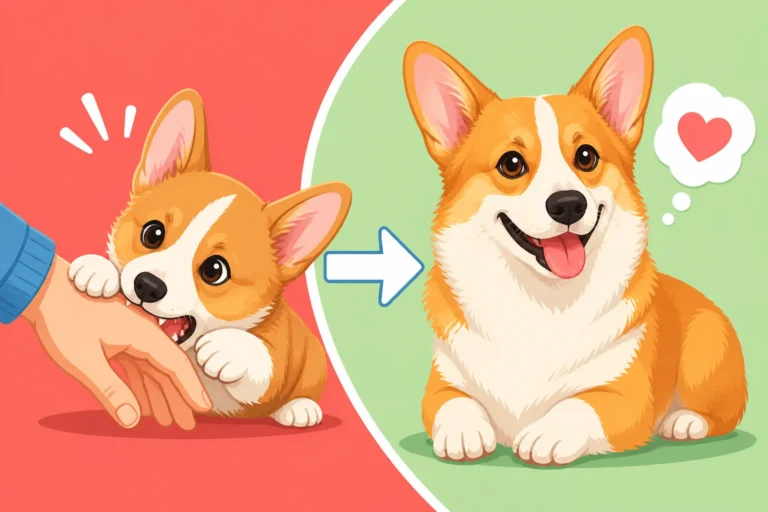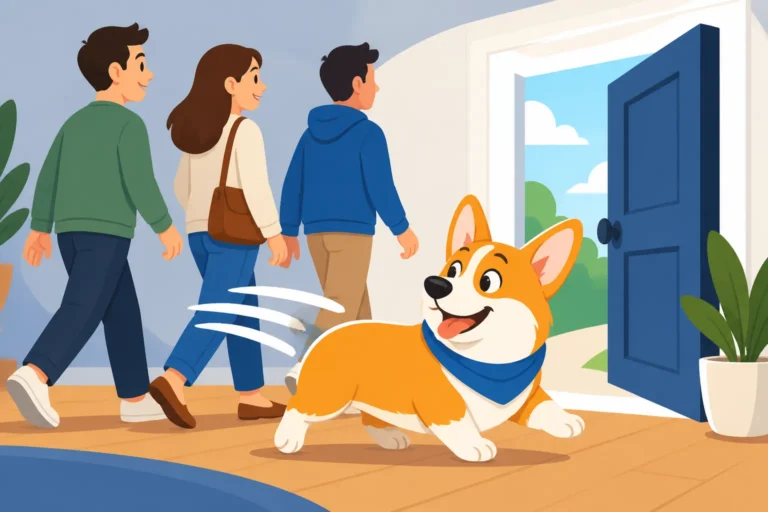
A Corgi That Is Wary Rather Than Bold
It can be quite a surprise when you bring home a Corgi, known for their bold, sassy, and often outgoing personalities, only to discover you have a cautious, reserved, or downright wary little companion on your hands. This unexpected temperament can leave owners feeling unsure how to best support their Corgi, especially when dealing with new people, places, or experiences. This comprehensive guide will delve into understanding the roots of wariness in Corgis and provide practical, empathetic strategies to help your sensitive Corgi build confidence and navigate the world more comfortably.
Understanding the Wary Corgi's Nature
When we think of Corgis, images of confident, often bossy little dogs herding cattle or cheerfully greeting strangers often come to mind. They are, after all, working dogs with a history of making their own decisions and holding their ground. So, it can be quite disorienting for an owner when their Corgi doesn't fit this mold, instead displaying hesitation, shyness, or outright fear. It’s important to remember that just like people, dogs have individual personalities, and even within a breed known for certain traits, there's always a spectrum. A Corgi that is wary isn't "broken" or "incorrect"; they simply have a different way of experiencing the world that requires a sensitive approach.
The Role of Genetics and Early Experiences
While the herding instinct might predispose some Corgis to be confident and pushy, genetics also play a significant role in overall temperament, including wariness. Some Corgis are simply born with a more sensitive nervous system, making them naturally more prone to shyness or anxiety. This isn't something they choose, but rather how they are wired. Beyond genetics, early life experiences are profoundly impactful. A lack of proper socialization during the critical puppy window (roughly 3 to 16 weeks) can contribute significantly to a dog's wariness. If a puppy isn't exposed to a variety of sights, sounds, people, and other friendly dogs in a positive and gentle way during this time, they may grow up to be fearful of the unfamiliar. Negative or overwhelming experiences during this crucial period can also lead to lasting apprehension. Even well-meaning overprotection can inadvertently foster wariness by preventing the puppy from building resilience through controlled, positive exposure.
Distinguishing Between Wariness, Shyness, and Fear
It's helpful to understand the nuances between these terms when observing your Corgi. "Wariness" often describes a general caution towards new situations or unfamiliar stimuli. Your Corgi might observe from a distance, hesitate before engaging, or take a long time to warm up. "Shyness" is similar but often more focused on social interactions, particularly with people or other dogs. A shy Corgi might actively avoid eye contact, retreat behind your legs, or keep a significant distance. "Fear" is a more intense emotional state, often triggered by specific stimuli that the dog perceives as threatening. This can manifest in more extreme behaviors like trembling, freezing, barking, growling, or even snapping if they feel trapped and unable to escape. It's crucial to understand that these behaviors are often a dog's attempt to communicate discomfort or to create distance from something perceived as scary, not an act of defiance or aggression for its own sake.
Identifying the Signs of Wariness in Your Corgi
Recognizing the subtle signals your Corgi sends when they are feeling wary or uncomfortable is the first step in helping them. Corgis are adept at communicating, and their body language can tell us a great deal if we take the time to observe and understand. It's often not a dramatic display, but a series of small cues that build up, indicating they are out of their comfort zone.
Body Language Cues of Discomfort
A wary Corgi will use a range of body language signals to express their apprehension. You might see a low tail carriage, sometimes tucked tightly between their legs, indicating insecurity. Their ears might be flattened against their head or pulled back, rather than standing perkily upright. Their eyes might dart around, or they might avoid direct eye contact, looking away from whatever is making them uncomfortable. Lip licking, yawning, or excessive sniffing the ground are common "displacement behaviors" – things dogs do to self-soothe or diffuse tension when they're stressed or uncertain. They might suddenly stop moving, freezing in place, or even try to hide behind your legs or furniture. Some wary Corgis will try to make themselves appear smaller, cowering or hunching their bodies. Pay attention to their breathing; rapid, shallow breaths can also be a sign of stress.
Behavioral Manifestations in Various Scenarios
In practical terms, these body language cues translate into specific behaviors you might observe. When new people visit, your wary Corgi might retreat to another room, hide under a table, or bark nervously from a distance. They might refuse to take treats from a stranger or even growl softly if someone tries to approach them too quickly. For some Corgis, meeting new dogs can be equally challenging. They might stiffen up, try to walk away, or snap if another dog gets too close too fast. Exploring new environments, like a different park or a friend's house, could involve a lot of hesitation at the entrance, extensive sniffing of every corner, and a general reluctance to relax and engage. They might even be wary of new objects, like a vacuum cleaner or a new piece of furniture, circling it suspiciously or barking at it. It's not about being "bad" or "stubborn"; it's about feeling genuinely uneasy and trying to manage that discomfort in the only ways they know how.
Practical Strategies for Building Confidence in a Wary Corgi
Building confidence in a wary Corgi is a marathon, not a sprint. It requires immense patience, consistency, and a deep commitment to positive reinforcement. The goal isn't to force your Corgi to be outgoing but to help them feel safer and more comfortable in their world, allowing their natural personality to shine through without being overshadowed by apprehension.
The Power of Positive Reinforcement and Patience
The absolute foundation of working with a wary Corgi is positive reinforcement. This means rewarding desired behaviors and creating positive associations with things they might currently find scary. If your Corgi bravely takes one step towards a new person, that's a moment for a high-value treat and calm praise. If they look at a new object without barking, celebrate that small victory. Never punish or scold your Corgi for showing fear; this only teaches them to hide their fear or to associate the scary thing (or you) with punishment, exacerbating their anxiety. Remember, progress will likely be slow, with two steps forward and one step back. Celebrate every small gain and don't get discouraged by setbacks. A Corgi That Shuts Down When Told Off is a great reminder that harsh methods are counterproductive for any dog, especially a sensitive one.
Controlled Exposure and Gradual Introductions
One of the most effective ways to help a wary Corgi is through controlled, gradual exposure. This isn't about throwing them into overwhelming situations, but carefully managing their environment so they can experience new things at their own pace.
Starting Small and Slow
Begin by identifying your Corgi's "trigger level" – the point at which they start to show signs of stress. Then, expose them to the trigger (a new person, a strange dog, a novel sound) at a distance or intensity below that level, where they are still comfortable enough to take treats. For instance, if your Corgi is afraid of men, start by having a calm man stand across the street while you reward your Corgi for simply looking at him without fear. Over days or weeks, very slowly decrease the distance as long as your Corgi remains relaxed. The key is to keep every interaction positive and short.
Creating Positive Associations
Pair every controlled exposure with something wonderful for your Corgi. High-value treats (think cooked chicken, cheese, or special soft treats) are excellent for this. You can find a wide variety of high-quality treats on Amazon that might be just the ticket for your discerning Corgi. Every time the scary thing appears, a delicious treat appears too. This classical conditioning helps your Corgi reframe their emotional response from fear to anticipation of good things. Similarly, if your Corgi is wary of strangers, ask visitors to sit quietly, ignore your Corgi, and gently toss treats towards them, allowing your Corgi to approach on their terms.
Establishing Safe Spaces and Consistent Routines
Every wary Corgi needs a safe haven in your home – a crate, a bed in a quiet room, or even just a corner behind a sofa where they can retreat and feel secure. This isn't punishment; it's their personal sanctuary. Ensure that this space is respected by everyone in the household. A consistent daily routine also provides a sense of predictability and security, which can be very calming for an anxious dog. Regular meal times, potty breaks, and playtime can help ground a wary Corgi.
Confidence-Building Activities
Beyond direct exposure, engaging your Corgi in activities that build their confidence can be incredibly beneficial.
Scent Work and Puzzle Toys
Activities like Scentwork as a Sport That Spares a Corgi's Back are fantastic. They engage your Corgi's natural instincts, provide mental stimulation, and don't require intense social interaction or physical strain. Hiding treats around the house for them to find, or using puzzle toys, can build problem-solving skills and a sense of accomplishment. These activities allow them to use their brains and feel successful on their own terms, which translates into increased confidence.
Basic Obedience and Trust Building
Enrolling in a positive-reinforcement obedience class, or even working through online training programs like those offered by BAXTER & Bella, can strengthen the bond between you and your Corgi and build their confidence. Learning cues like "sit," "stay," and "come" gives your Corgi a sense of predictability and control. Short Bursts of Training a Corgi Will Take will resonate with many Corgi owners, as these intelligent dogs thrive on focused, brief training sessions. It's not about perfect execution, but about the communication and trust built during these sessions.
Avoiding Force and Punishment
As mentioned, force and punishment are detrimental to a wary Corgi. Trying to drag a fearful Corgi towards something, scolding them for growling, or forcing them into interactions will only deepen their fear and break the trust you're working so hard to build. Instead, focus on creating an environment where your Corgi feels safe to explore and make choices. Your role is to be their advocate and protector.
Seeking Professional Help
If your Corgi's wariness is severe, leading to aggression, extreme panic, or if you're feeling overwhelmed, don't hesitate to seek professional help. A certified professional dog trainer (CPDT-KA) or a veterinary behaviorist can provide tailored strategies and support. They can help rule out any underlying medical conditions (though this is more common for sudden changes in behavior, a vet visit is always good) and guide you through a behavior modification plan. Sometimes, medication may be a helpful tool in conjunction with behavior modification for highly anxious dogs, helping them get to a place where they can even begin to learn. Trainer Rates for a Corgi That Nips might be a useful resource if wariness escalates to defensive nipping.
Managing Social Interactions for Your Shy Corgi
Social interactions can be particularly challenging for a wary Corgi, and it's essential for owners to be proactive and protective, rather than expecting their Corgi to simply "get over it." Your Corgi relies on you to be their advocate and create positive, low-stress experiences.
Controlled Meet-and-Greets with People
When introducing your wary Corgi to new people, careful management is key. Forget the idea of throwing a party and expecting your Corgi to greet everyone happily.
Setting the Stage for Success
Always inform visitors beforehand that your Corgi is shy and needs space. Ask them to ignore your Corgi initially, allowing the dog to approach on their own terms. Have treats ready and suggest that visitors gently toss them towards your Corgi from a distance, rather than trying to hand-feed. Teach people how to approach a shy dog: come in from the side, avoid direct eye contact, squat down (if appropriate, and only if the dog is showing signs of relaxation, otherwise standing is fine), and offer a hand slowly for sniffing if the dog initiates contact.
Advocating for Your Corgi
It's perfectly fine, and indeed your responsibility, to politely decline interactions if you feel your Corgi is becoming overwhelmed. If someone insists on petting your Corgi despite obvious signs of stress, step in and explain that your dog needs space. Your Corgi is counting on you to protect them from uncomfortable situations. Remember, Getting a Corgi Puppy Used to the World emphasizes the importance of positive exposure, but forcing interaction is the opposite of positive.
Navigating Dog-to-Dog Interactions
Introducing a wary Corgi to other dogs also requires a thoughtful approach. Not all dog parks or public spaces are suitable environments for a shy dog.
Choosing the Right Playmates and Environments
Start with known, calm, and well-socialized dogs that you trust. A "parallel walk" where both dogs walk alongside each other at a comfortable distance without direct interaction can be a great first step, allowing them to get used to each other's presence. Avoid high-energy dog parks where interactions can be unpredictable and overwhelming. Focus on quality over quantity – a few positive, controlled interactions are far more beneficial than many overwhelming ones.
Reading Corgi-to-Corgi Communication
Watch both dogs' body language carefully. Look for relaxed postures, loose tails, and play bows. If either dog shows signs of stiffness, freezing, avoiding eye contact, or growling, it’s time to calmly separate them. A wary Corgi might also "shadow" you, constantly checking in or hiding behind you during these interactions. Respect that they might not want to engage in boisterous play and allow them to observe from a safe distance.
Comparison: Proactive vs. Reactive Approaches to Social Situations
Here's a quick look at how a proactive approach differs from a reactive one when managing a wary Corgi's social life:
| Aspect | Proactive Approach (Recommended) | Reactive Approach (Often Detrimental) |
|---|---|---|
| Preparation | Inform guests, scout quiet locations for walks, have treats ready. | No preparation, hope for the best, deal with issues as they arise. |
| Exposure | Gradual, controlled, short, always paired with positive rewards. | Force dog into situations, prolonged exposure, little to no reward. |
| Role of Owner | Advocate, protector, facilitator of positive experiences. | Expects dog to "figure it out," reprimands for fear responses. |
| Goal | Build confidence, create positive associations, increase comfort. | "Fix" shyness, force dog to be outgoing, achieve quick results. |
| Outcome | Slowly increasing comfort, trust, and resilience. | Increased fear, anxiety, potential aggression, breakdown of trust. |
Remember, your wary Corgi isn't giving you a hard time; they're having a hard time. With understanding, patience, and the right strategies, you can help your cautious companion blossom into a more confident and content member of your family. Whether a Timid Corgi Gets Bolder suggests that with consistent effort, indeed, they can.
Disclaimer
This article is for general informational purposes only and does not constitute professional advice. Laws, prices and regulations vary by location and change over time. Consult a qualified professional for guidance on your specific situation.