Whether Walks Alone Satisfy a Corgi
Many Corgi owners find themselves scratching their heads when their little low-riders still seem to have boundless energy or develop undesirable behaviors, even after a good long walk. It’s a common misconception that simply meeting a Corgi’s physical exercise needs with a daily stroll or two will keep them wholly content and well-behaved. This guide will dive deep into why walks alone often aren't enough for these clever, busy dogs, and how you can truly satisfy your Corgi's complex needs for a happier, more balanced companion.
Why a Corgi Needs More Than Just a Walk
It's easy to assume that because Corgis are small, their exercise requirements are minimal. After all, they’re not built for marathons! But this breed, with its working dog heritage, has a depth of instinct and intelligence that demands more than just trotting around the block. Ignoring this can lead to frustration for both you and your Corgi.
The Deep-Seated Herding Instinct
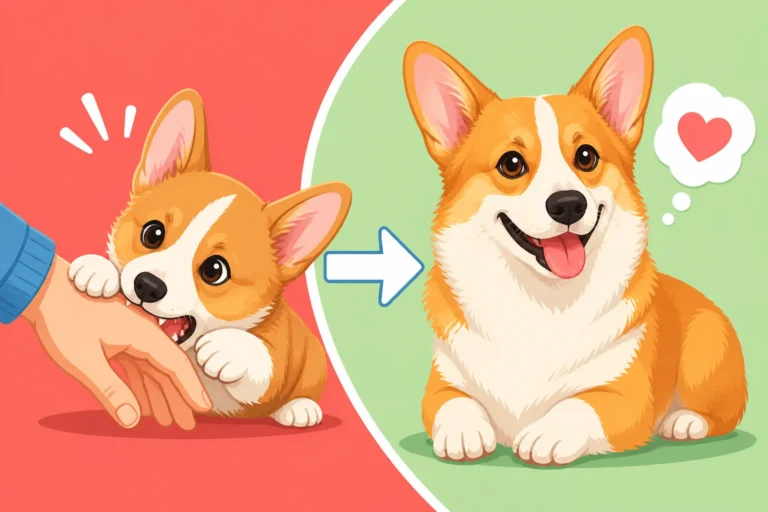
Let's not forget, Corgis were bred to herd cattle—big, stubborn animals. They did this by nipping at heels and being incredibly agile. This isn't just a cute quirk; it's a fundamental part of their genetic makeup. A Corgi's brain is wired for problem-solving, decision-making, and constant engagement with its environment. When they're not given an outlet for this mental energy, that powerful herding instinct often redirects into less desirable behaviors.
Think about a Corgi who constantly "herds" your children or other pets, nipping at their heels playfully (or not so playfully). This isn't usually malice; it's an unmet need. They're looking for a job, and if you don't provide one, they'll create their own. This can manifest as excessive barking at passing cars, resource guarding, or even trying to control your movements around the house. A simple walk might tire their body, but it does little to exhaust the part of their brain that's constantly seeking to manage and organize their "flock." This is why understanding The Cattle-Driving Nip a Corgi Still Has is so crucial.
The Need for Mental Stimulation
Imagine being told to do the same repetitive task every single day, with no variety or challenge. That's what a "walks alone" regimen can feel like to a Corgi. These dogs are intelligent, and their minds thrive on novelty and puzzles. Physical exercise is certainly important for their overall health, especially given their unique build, but it's only one piece of the puzzle.
A Corgi who only gets physical exercise without mental stimulation can become bored, and a bored Corgi is often a destructive Corgi. They might start chewing on furniture, digging in the yard, or developing anxiety-related behaviors. Their brains need to be worked just as much as their legs. This means engaging them in activities that require them to think, strategize, and solve problems. Without this, they might seem physically tired after a walk, but their minds are still buzzing, looking for an outlet. It's not about being "stubborn" when they ignore a command; sometimes, it's about their mind being elsewhere because it hasn't been properly engaged.
Beyond the Leash: Engaging Your Corgi's Mind
So, if walks aren't the be-all and end-all, what should you be doing? The good news is there are countless ways to stimulate your Corgi's brilliant mind and provide them with the satisfaction they crave. It doesn't always mean elaborate setups; often, it's about integrating enrichment into your daily routine.
Structured Training Sessions
Training isn't just about teaching "sit" and "stay." For a Corgi, it's a fantastic way to engage their intelligence and give them a sense of purpose. Short, frequent training sessions – perhaps 10-15 minutes a few times a day – can be incredibly enriching. Work on new tricks, refresh old commands, or teach them complex sequences. This uses their brainpower, builds your bond, and gives them a "job" to do. Remember, a Corgi often thrives on having a leader and clear instructions.
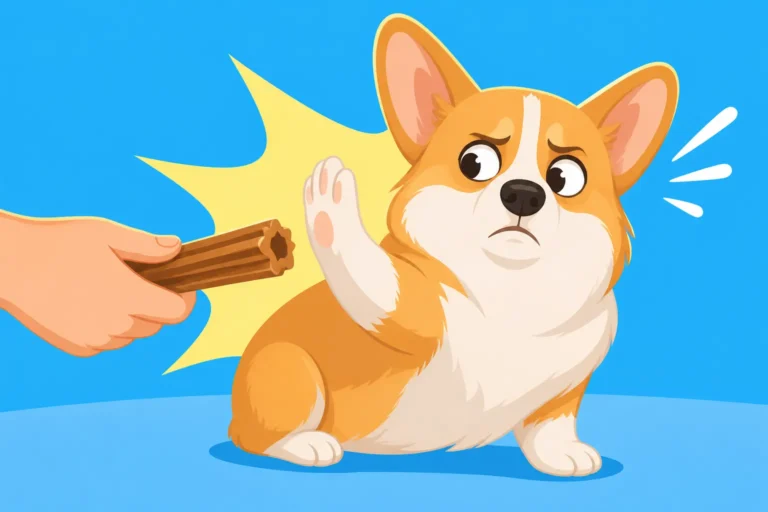
Consider enrolling in an online puppy course, like those offered by BAXTER & Bella, even if your Corgi isn't a puppy anymore. Many programs offer advanced obedience or trick training modules that are perfect for keeping an adult Corgi sharp. They love learning, especially when it involves tasty treats! These structured sessions are vital because they teach your Corgi to focus and accept direction, which can be a challenge with a breed known for Training a Corgi That Makes Its Own Decisions. Consistency is key, and celebrating their successes, even small ones, keeps them motivated.
Puzzle Toys and Interactive Feeders
One of the easiest ways to provide daily mental stimulation is through puzzle toys and interactive feeders. Instead of just putting your Corgi's food in a bowl, make them work for it. There's a huge variety available on platforms like Amazon: slow feeders, treat-dispensing balls, snuffle mats, and more complex puzzles where they have to manipulate parts to get their kibble.
This taps into their natural foraging instincts. They have to use their nose, their paws, and their brain to figure out how to get their meal. Not only does this slow down their eating (which is often a good thing for fast eaters), but it provides a significant mental workout. Thirty minutes spent "hunting" for dinner in a puzzle toy can be as tiring, if not more so, than a short walk around the block. These tools are excellent for Feeders That Make a Corgi Work for Dinner and preventing boredom.
Scent Work and Nose Games
Corgis have surprisingly powerful noses, and scent work is an incredible way to engage them. This can be as simple as hiding treats around the house or yard and letting them sniff them out. Start easy, then make it more challenging by hiding them under objects, behind doors, or in different rooms. You'll be amazed at how focused and content they become during these "searches."
For more advanced scent work, you can explore introductory "nose work" classes or even kits you can buy. These activities are fantastic because they're low-impact, making them safe for a Corgi's back, but highly stimulating for their mind. A Corgi using its nose is a happy, engaged Corgi. It satisfies their natural curiosity and desire to explore their environment, providing a fulfilling alternative to purely physical exertion. It’s a wonderful way to give them The Job a Corgi Needs Instead of Herding You.
Tailoring Exercise to Your Corgi's Needs
While the core principle of mental and physical stimulation applies to all Corgis, how you implement it needs to be tailored to your individual dog. Factors like age, health, and even personality play a huge role in what type and intensity of activity is appropriate.
Considering Age and Physical Health
A Corgi puppy has different needs than a senior Corgi, just as a healthy adult has different requirements than one recovering from a back injury. Puppies have bursts of energy but also need a lot of rest. Over-exercising a growing Corgi can be detrimental to their developing joints and spine. Short, playful sessions are far better than long, grueling walks. As they mature, their stamina increases, but their unique long-backed structure means you always need to be mindful of high-impact activities.
For older Corgis, or those with known health issues like Disc Disease in a Long-Backed Corgi, mental exercise becomes even more critical. While physical walks might need to be shorter or gentler, their minds can still be sharp. Scent games, puzzle toys, and gentle trick training keep them engaged without putting strain on their bodies. Always consult your vet about appropriate exercise levels, especially if your Corgi has a history of back problems. Living With a Corgi Ordered to Rest means finding creative ways to keep their minds active when their bodies need to be still.
Individual Temperament and Preferences
Just like people, every Corgi has a unique personality. Some are go-getters who love endless games of fetch, while others are more laid-back and prefer a good sniffari followed by a challenging puzzle. Pay attention to what truly engages your Corgi. Do they light up at the sight of a frisbee, or do their ears perk up when you start hiding treats?
One Corgi might adore visiting the dog park (though always be cautious with their backs and rough play), while another might find it overwhelming and prefer quiet walks in new locations. The key is to observe and adapt. Don't force them into activities they dislike, as this can create a negative association. Instead, experiment with different types of mental and physical exercises until you find a balanced routine that your individual Corgi thrives on. This ensures that the enrichment you provide is truly satisfying for them.
Integrating Mental and Physical Activity for a Balanced Corgi
The goal isn't to replace physical walks with mental games, but to combine them synergistically. A truly satisfied Corgi is one whose physical and mental needs are met in a complementary way.
Structured Play Sessions and Agility
Beyond daily walks, incorporate structured play. This isn't just letting them zoom around the yard; it involves interactive games that require thought. Fetch is good, but adding commands like "wait," "find it," or "bring it here" makes it a mental exercise too. You can also set up simple obstacle courses in your yard using household items or specialized agility equipment bought from a retailer like Amazon.
Think about low-impact agility. Corgis are surprisingly agile, but due to their long backs, high jumps or sharp turns should be approached with caution or avoided entirely. However, weave poles, tunnels, and low-height contacts can be fantastic. Agility With a Corgi's Back in Mind focuses on safe ways to engage them in this sport. These activities burn energy, but more importantly, they challenge your Corgi to navigate obstacles, follow directions, and think on their paws.
Socialization and Exploration
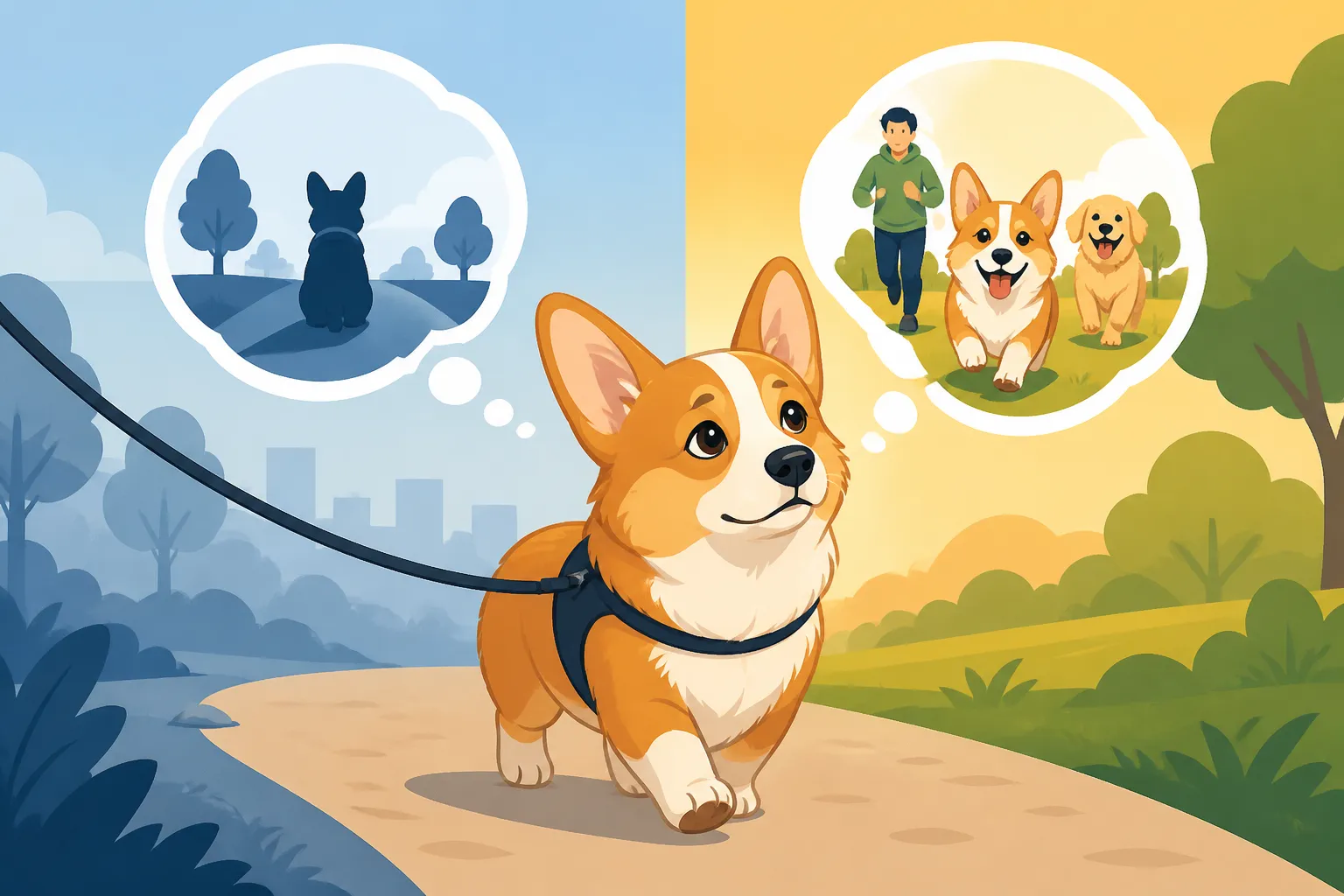
Corgis are social creatures, and appropriate socialization is a form of mental stimulation. Meeting new people, dogs, and experiencing new environments provides a wealth of sensory input that keeps their brains active. This doesn't necessarily mean a packed dog park every day. It could be controlled playdates with known, friendly dogs, or simply a walk in a different neighborhood with new sights and smells.
Exploring new places, even just a different route for your daily walk, offers novel scents and experiences that engage their minds. Let your Corgi sniff! Those sniff-heavy walks are often more mentally tiring for a dog than a brisk walk where they're constantly pulled along. Sniffing is how dogs gather information about their world, and allowing them to indulge this natural behavior is incredibly enriching. It also provides an excellent opportunity to reinforce Corgi Recall and the Herding Instinct in varied environments.
The Importance of Variety and Routine
While routines provide comfort and predictability, too much predictability can lead to boredom for an intelligent Corgi. Aim for a balance. Have a general daily schedule, but try to vary the types of activities you do. One day might be a long sniff-walk, the next might be focused on indoor puzzle games and training.
A sample week might look something like this:
| Day | Morning Activity | Afternoon Activity | Evening Activity |
|---|---|---|---|
| Monday | Leash walk + basic obedience | Indoor puzzle toy | Short training session |
| Tuesday | Sniff walk in new area | Interactive chew/bone | Cuddle & gentle massage |
| Wednesday | Playdate with dog friend | Scent game (hide & seek) | Review new trick |
| Thursday | Leash walk + advanced commands | Long-lasting chew | Indoor agility (low obstacles) |
| Friday | Dog park (if suitable) | BAXTER & Bella online lesson | Relaxation time |
| Saturday | Hike/long trail walk (if able) | Brain game (shell game) | Social visit (dog-friendly patio) |
| Sunday | Short walk + neighborhood exploration | Rest & quiet time with family | Grooming & cuddles |
Remember that your Corgi is a small dog with a big personality and an even bigger brain. Satisfying them completely goes far beyond just physical exercise. By integrating mental challenges, varied activities, and structured play, you'll find your Corgi to be a much happier, calmer, and more well-adjusted member of your family. It's an investment of time and creativity that pays dividends in their overall well-being and your shared bond.
Disclaimer
This article is for general informational purposes only and does not constitute professional advice. Laws, prices and regulations vary by location and change over time. Consult a qualified professional for guidance on your specific situation.