Why a Corgi Talks Back
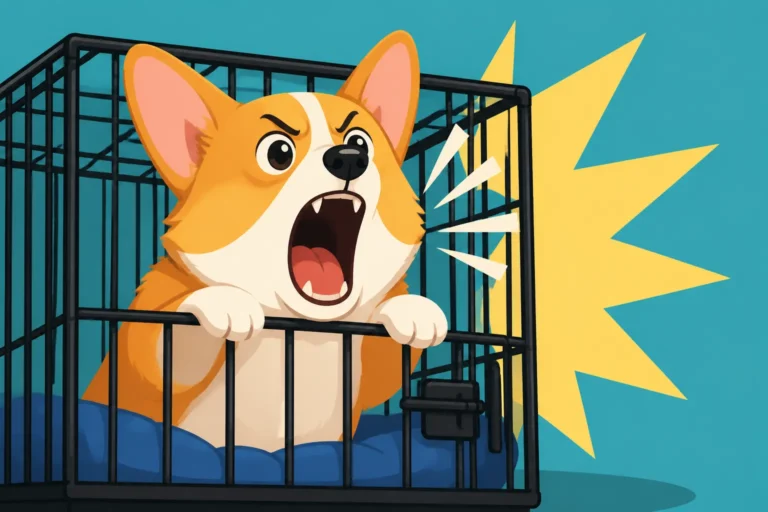
It's a familiar scene for many Corgi parents: you ask your furry, four-legged friend to do something, or perhaps you've dared to stop petting them, and what do you get in return? Not just a blank stare, but a whole symphony of grumbles, "woofs," and indignant "rroos" that sound uncannily like they're talking back! This guide is for every Corgi owner who's wondered why their little herder is so vocal and how to understand (and gently manage) their unique communication style.
The Herding Instinct and a Corgi's Independent Voice
Corgis, whether Pembroke or Cardigan, come from a long line of cattle drivers, and let me tell you, those instincts are alive and well in our couch-potato companions. Herding dogs need to be smart, quick-thinking, and often, quite opinionated to move stubborn livestock. This inherent intelligence and independence are big reasons why your Corgi feels the need to express themselves vocally. They're not just pets; they're partners with opinions!
The Bossy Herder's Voice
Imagine being a Corgi, a small but mighty dog, tasked with moving creatures many times your size. You couldn't exactly nip at their heels silently and expect results. You'd need to use your voice – a sharp bark, a commanding growl, anything to get their attention and direct them. This vocal command is deeply ingrained. So, when your Corgi "talks back" to you, they might simply be trying to direct you. They see a situation, they have an idea of how it should go (usually involving food, walks, or belly rubs), and they're using their inherited tools to try and make it happen. It's not defiance as much as it is an attempt at management, Corgi style!
Think about it: when you're getting ready for a walk, does your Corgi offer a series of excited barks and grumbles? They're not just happy; they're trying to speed you up, to herd you towards the door. If you're late with dinner, the vocalizations escalate, often with that distinctive low, rumbling "roo-roo" that says, "Hey, I'm waiting here, get a move on!" They're taking charge of the situation in the only way they know how, much like their ancestors took charge of a flock.
A Corgi's Opinionated Nature
Corgis are known for their big personalities, and this often comes with a strong sense of self and a clear idea of what they want. They're intelligent dogs, which means they observe, learn, and form expectations. When those expectations aren't met, or when they simply have something to say, they're not shy about using their voice. It's less about being disobedient and more about being a sentient being with a strong preference.
For example, if you've ever tried to get a Corgi to do something they don't particularly fancy – like going out in the rain, or perhaps moving from their favorite sunbeam spot – you've likely encountered the full range of their vocal objections. There's often a sigh, followed by a low grumble, perhaps a soft 'woof' if you persist, and then sometimes a full-blown "talking to" that leaves no doubt about their displeasure. They are expressing their opinion, clear as day. It's a testament to their intelligence that they learn to associate certain vocalizations with responses from us, making them even more likely to "talk back." Why a Corgi Talks Back is intrinsically linked to this deep-seated intelligence and confident disposition.
The Rich Tapestry of Corgi Vocalizations
It's easy to dismiss all Corgi sounds as just "barking," but anyone living with one knows that's far from the truth. Our Corgis have an incredibly diverse vocabulary, from low grumbles to sharp yips, deep barks, and the beloved "roo-roo." Each sound, or combination of sounds, often carries a specific nuance, and learning to decipher them is key to understanding your vocal companion.
The Corgi Vocal Repertoire
Let's break down some of the common sounds you might hear from your Corgi and what they generally signify. It’s like learning a new language, only this one is spoken entirely in barks and grumbles!
| Vocalization Type | Common Sound | Interpretation | Context Example |
|---|---|---|---|
| Grumbles | "Mmf, grrr" | Mild displeasure, contemplation, protest | Being nudged off the sofa, waking up, not wanting to move |
| "Roo-Roo" | "Roo-roo-roo" | Happy greeting, excitement, demand for attention | Owner comes home, anticipating a walk/meal, asking for pets |
| Barks | "Woof! Woof!" | Alert, territorial warning, demand for action | Mail carrier, strange dog outside, wanting to play/go out |
| Whines/Yips | "Eep, yip-yip" | Seeking attention, discomfort, frustration | Stuck toy, wanting a treat, needing to go out urgently |
| Sighs | "Huuuuff" | Resignation, boredom, relaxation | Giving up on getting attention, settling down to sleep |
| Chatter | "Rrr-rr-rr" | Impatience, excitement, anticipation | Waiting for food, watching squirrels, playing |
Understanding this range helps us move beyond simply thinking of it as "talking back" and instead as rich communication. Your Corgi is telling you something specific, and it's up to us to listen! Often, these vocalizations are accompanied by body language, making the message even clearer. For instance, a low grumble coupled with a stiff body might indicate genuine displeasure, while an enthusiastic "roo-roo" with a wiggling rear is pure joy.
Interpreting the Grumbles
The grumble is perhaps the most iconic "talking back" sound from a Corgi. It's not quite a growl, which usually signals aggression or fear, but rather a soft, rumbling protest that seems to emanate from deep within their chest. This can mean a myriad of things, often depending on the context. If your Corgi is grumbling when you pick them up, it might be an expression of slight discomfort or annoyance, especially if they have a sensitive back. This brings to mind the importance of understanding Picking a Corgi Up Without Hurting It.
Sometimes, the grumble is a negotiation. You've asked them to move, they grumble, you wait, they grumble again, then they slowly, begrudgingly, comply. It’s their way of saying, "Fine, but I'm not happy about it." It's their unique brand of sass. Other times, it's just idle chatter, like when they're dreaming or settling down for a nap. They're just processing their day, letting off some steam, or perhaps murmuring to themselves about the injustice of not getting that last crumb off the floor. It's rarely malicious; it's just Corgi.
Attention-Seeking and Learned Behavior
While some "talking back" is deeply rooted in breed traits, a good portion of it is simply learned behavior. Corgis are smart, and they quickly figure out what works to get our attention, our treats, or our cuddles. If a grumble or a bark gets them what they want, you can bet they'll try it again.
Demanding Your Focus
Corgis thrive on interaction and attention. They were bred to work closely with humans, and that desire for engagement translates into a need for your focus in a modern household. If your Corgi feels ignored, or if they simply want something, they'll use their voice to demand your attention. This can manifest as persistent barking, insistent "roo-roos," or a series of urgent grumbles until you look their way.
Consider this scenario: you're engrossed in a book or a show, and your Corgi is patiently waiting for their evening cuddle. After a few minutes of silent staring, they might let out a soft "woof." If you glance over, they might "roo-roo" excitedly, then trot over and nudge your hand. If you ignore the first "woof," they might escalate to a louder, more insistent bark, perhaps even bringing you a toy. They've learned that vocalizations are a highly effective way to break your concentration and redirect your attention towards them. If you give in consistently, you're inadvertently reinforcing the "talking back" as a successful communication strategy.
Reinforcing the Chatter
We, as Corgi owners, often play a significant role in reinforcing these vocal behaviors, sometimes without even realizing it. Every time we respond to a grumble with a pet, every time we get up to investigate a bark, or every time we laugh at their sassy "roo-roos," we're essentially telling our Corgi, "Yes, that's it! Keep doing that, it gets results!"
It’s a natural human reaction to want to respond to our pets, but it's important to be mindful of what we're reinforcing. If your Corgi barks for attention while you're on a call, and you pause your conversation to tell them "quiet," you've still given them attention. From their perspective, the barking worked! To shift this dynamic, consistency is key. You might consider structured training programs, like those offered by BAXTER & Bella, which can help you establish clear communication boundaries and teach your Corgi alternative ways to get attention that don't involve constant chatter. They can guide you through exercises that reward quiet behavior rather than vocal demands.
Managing the Chatter: Encouraging Quieter Communication
While a Corgi's "talking back" can be endearing, sometimes it crosses the line into excessive noise, or it's simply not appropriate for the situation. The good news is that with understanding, consistency, and a little training, you can encourage your Corgi to use their inside voice more often.
Teaching a "Quiet" Cue
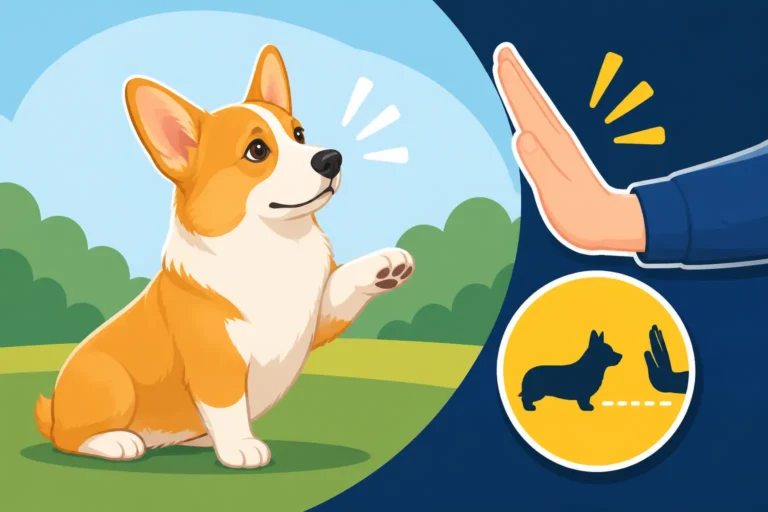
One of the most effective ways to manage excessive vocalizations is to teach your Corgi a "quiet" cue. This isn't about silencing them entirely – after all, a silent Corgi isn't really a Corgi! – but about giving you a tool to stop unwanted barking or grumbling on command.
Start by deliberately triggering a bark or a "roo-roo." This could be knocking on a door, ringing a doorbell (if that's a trigger for them), or even having someone walk by the window. As soon as they start to vocalize, say "Quiet!" in a firm but calm voice. The instant they stop, even for a second, reward them heavily with a high-value treat and praise. The timing here is crucial: you want to reward the silence, not the barking. If they continue barking, simply wait. Don't engage until there's a break in the noise. It takes patience, but Corgis are smart, and they'll quickly connect "Quiet" with the reward for stopping the noise. Consistency is vital here; everyone in the household needs to use the same cue and follow the same steps. Teaching a Corgi to Stop on Cue is a valuable skill that will serve you well.
Providing Appropriate Outlets for Their Drive
Remember, Corgis were bred for a job, and that underlying drive doesn't just disappear because they're now living in your home. Much of their vocalization can stem from boredom, pent-up energy, or a lack of mental stimulation. If they don't have appropriate ways to express their intelligence and herding instincts, they'll find their own ways – and often that involves a lot of talking.
Engage your Corgi in activities that challenge their minds and bodies. Puzzle toys, especially those that dispense treats, can keep them occupied and mentally stimulated. Brands often sell a wide range of these on platforms like Amazon. Scent work is another fantastic option, allowing them to use their powerful noses and problem-solving skills without excessive physical strain on their backs. Even short, structured training sessions throughout the day can make a big difference, giving them a "job" to do. The Job a Corgi Needs Instead of Herding You might include trick training, obedience, or even a bit of light agility (with careful consideration for their spine). A tired Corgi, both mentally and physically, is often a quieter Corgi.
When "Talking Back" Becomes a Concern
While Corgi vocalizations are usually part of their charming personality, there are times when changes in their vocal habits might indicate an underlying issue. It’s always important to pay attention to sudden shifts in behavior.
Sudden Increase in Vocalizations
If your Corgi, who was previously moderately vocal, suddenly becomes excessively noisy – barking more, grumbling constantly, or whining more frequently – it's worth investigating. A sudden increase could be a sign of discomfort, pain, anxiety, or even a medical issue. They might be trying to tell you something is wrong. For instance, a Corgi in pain from a back injury might vocalize when moving or being touched. This is particularly relevant given concerns like Disc Disease in a Long-Backed Corgi.
Consulting with your veterinarian is always the first step if you notice any significant, unexplained changes in your Corgi's vocal habits or overall behavior. They can rule out any medical causes before you delve into behavioral solutions. Once health issues are excluded, a professional dog trainer or behaviorist can help you understand the root cause of the increased vocalization and develop a tailored plan to address it.
Distinguishing Communication from Problem Behavior
It's crucial to differentiate between your Corgi's normal, endearing "talking back" and genuinely problematic vocal behaviors. A few grumbles when asked to move are part of the Corgi charm. Constant, incessant barking at every perceived trigger, on the other hand, can be disruptive and stressful for both you and your dog.
Problematic vocal behavior often involves:
- Non-stop barking: They can't seem to calm down even after the trigger is gone.
- Separation anxiety: Barking, howling, or whining when left alone. A Corgi That Barks the Whole Time You Are Out
- Excessive alert barking: Barking at every leaf, shadow, or distant sound, leading to constant noise.
- Frustration barking: Barking out of frustration when they can't get to something or achieve a goal.
For these types of issues, more structured intervention is usually needed. This might involve working with a certified professional dog trainer to implement counter-conditioning, desensitization, or management strategies. Remember, while their "talking back" is often a quirky trait, ensuring it doesn't become overwhelming for the household is part of responsible Corgi ownership.
Disclaimer
This article is for general informational purposes only and does not constitute professional advice. Laws, prices and regulations vary by location and change over time. Consult a qualified professional for guidance on your specific situation.