Toilet Training a Corgi Puppy Indoors and Out
Bringing home a new Corgi puppy is one of life's greatest joys, but let's be honest, the reality of cleaning up endless puddles and piles can quickly dim that new puppy glow. Potty training a Corgi can feel like a never-ending battle against tiny bladders and independent minds, leaving you frustrated and wondering if you'll ever have a clean floor again. This guide is here to walk you through everything you need to know to successfully toilet train your Corgi puppy, both indoors and out, setting you both up for a happy, accident-free life together.
Understanding Your Corgi Puppy's Potty Training Challenges
Anyone who has shared their life with a Corgi knows they are packed with personality. While this makes them endlessly entertaining companions, it also means they come with their own unique set of quirks when it comes to training, especially something as fundamental as housebreaking. It's not always as straightforward as you might hope, and understanding why can make all the difference in your approach.
The Corgi's Tiny Bladder and Big Personality
First off, let's talk about that Corgi puppy bladder. It's tiny, truly tiny, and doesn't hold much. This means your little fluffball needs to relieve itself a lot more often than you might anticipate. Expect to take your Corgi puppy out every hour or two during waking hours, and immediately after waking up, eating, or playing. Missing a window by even a few minutes can result in an accident, which isn't a reflection of their intelligence but simply their physical capacity. It's easy to get frustrated when it feels like they just went, but remember, they're still learning and growing.
Beyond their physical needs, Corgis are intelligent, independent, and sometimes downright stubborn. They were bred to herd cattle, often making decisions independently in the field, and that strong-willed nature can translate into training challenges. They might get so engrossed in sniffing a fascinating spot in the living room that they forget they need to go, or perhaps they're testing boundaries to see if they can decide when and where to relieve themselves. This isn't defiance, but rather their inherent personality shining through. You need to be more consistent and sometimes a little more persuasive than you might with other breeds.
Common Puppy Potty Training Missteps
It's completely normal to make mistakes when you're navigating the early days of puppy parenthood. One of the biggest missteps I see owners make is not taking their puppy out frequently enough. Life gets busy, you get distracted, and suddenly an hour has passed, and there's a puddle on the rug. Puppies simply cannot hold it for long periods, especially not young Corgis. Another common mistake is inconsistency in the routine. If you sometimes take them to the backyard, sometimes to the front lawn, and sometimes just outside the door, your puppy won't understand what their "potty spot" truly is.
Punishing accidents is perhaps the most damaging mistake. If you scold your Corgi puppy for having an accident indoors, even if you catch them in the act, you're teaching them to fear going potty in front of you. This can lead to them hiding to relieve themselves, making housebreaking even harder, or worse, holding it in until they can't anymore, which can lead to health issues. Instead of punishment, focus on preventing accidents and rewarding good behavior. Remember, your Corgi isn't doing it to spite you; they simply haven't learned the rules yet.
Setting Up Your Home for Potty Training Success
Preparing your home environment is just as crucial as the training itself. A well-prepared space can prevent accidents, reinforce good habits, and make the whole process much less stressful for both you and your Corgi puppy. Think of it as setting the stage for success rather than constantly reacting to failures.
Creating a Safe, Designated Indoor Potty Space
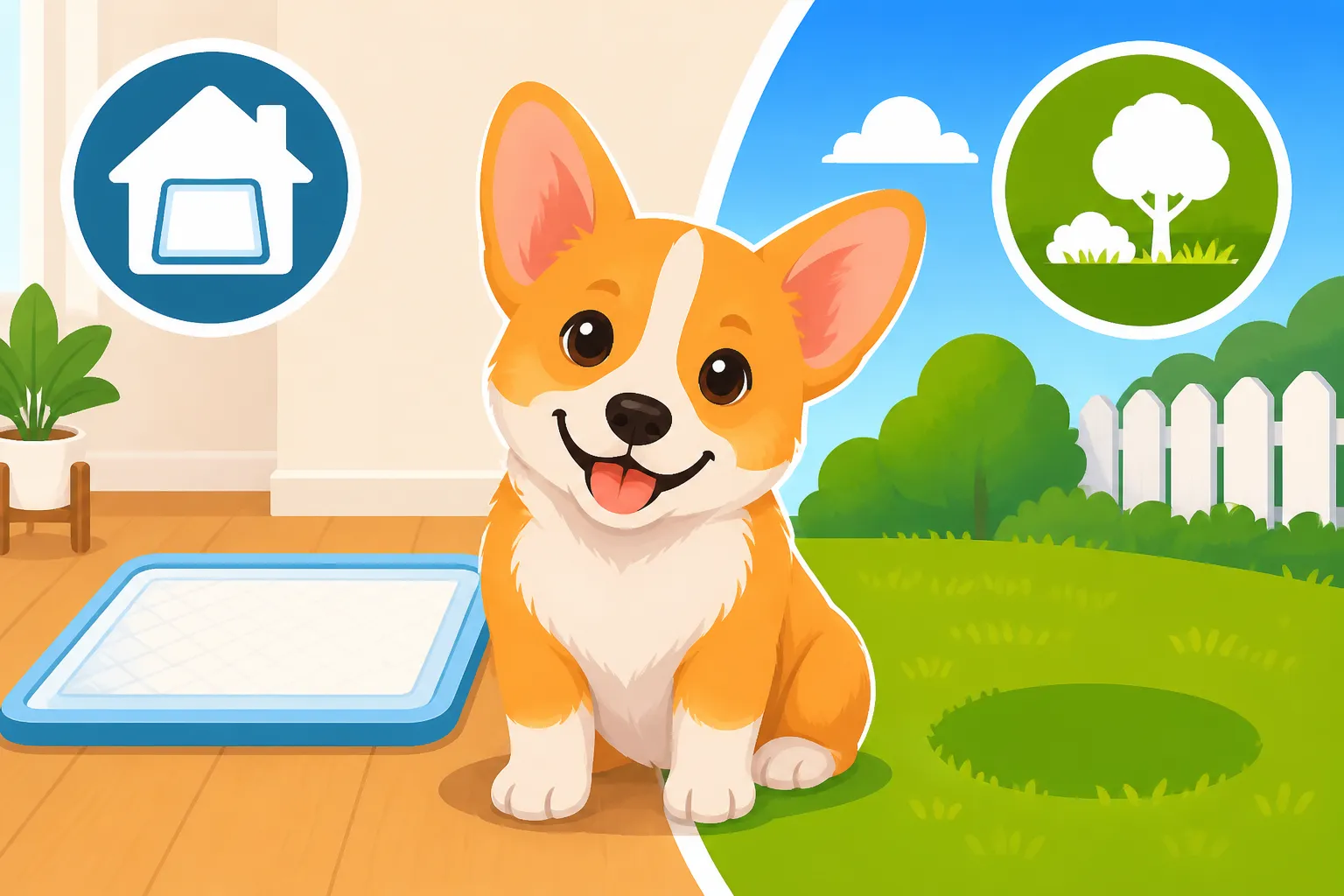
For those unavoidable moments or if you live in an apartment without easy outdoor access, a designated indoor potty space can be a lifesaver. This could involve puppy pads, often available in bulk on sites like Amazon, or an indoor grass patch designed to mimic outdoor surfaces. To introduce these, place your puppy on the pad or grass patch frequently, especially after waking, eating, or playing. Reward them instantly with praise and a small treat the moment they go there.
The key to indoor options is consistency and eventual transition. While convenient, some Corgis can become reliant on indoor pads, making the switch to outdoor pottying later a bit trickier. If you use them, always place them in the same spot, away from their eating and sleeping areas, to help them understand it's a designated toilet. The goal is to gradually phase them out as your Corgi's bladder control improves and they become more reliable outdoors. Remember that some puppies confuse the texture of pads with rugs, which can lead to accidents on your carpet if not managed carefully.
Establishing a Consistent Outdoor Potty Routine
This is the cornerstone of successful potty training for any dog, and Corgis are no exception. Consistency is absolutely paramount. Your Corgi puppy needs frequent trips outside – at least every hour or two during the day, first thing in the morning, last thing at night, after every meal, and immediately after waking from a nap or a burst of playtime. Pick a specific spot in your yard or on your walk route that will always be the "potty spot." Always take them on a leash to this spot, even if you have a fenced yard, to help them focus on the task at hand.
When they do their business in the designated spot, lavish them with praise and offer a high-value treat immediately. This instant gratification is crucial for them to connect the action (pottying outside) with the reward. Make it a celebration! Avoid letting them play or explore until they've done their business; this teaches them that potty time is for business first, then fun. Creating this predictable pattern helps your Corgi understand exactly what is expected of them. A consistent routine also helps you anticipate their needs, reducing the likelihood of accidents. Planning ahead for expenses during this phase, like those associated with frequent vet visits and general puppy supplies, is also wise, as detailed in The First Twelve Months of Corgi Spending.
The Nuts and Bolts of Outdoor Potty Training
Once you've set up your home, it's time to dive into the practical aspects of guiding your Corgi puppy to consistently go potty outside. This involves keen observation, lots of praise, and a calm approach to inevitable mishaps.
Recognizing and Responding to Potty Cues
Your Corgi puppy will give you subtle (and sometimes not-so-subtle) signs that they need to go. Learning to recognize these cues is your superpower in preventing accidents. Common signs include sniffing the ground intently, circling, whining, pacing near the door, or suddenly stopping play. Some Corgis might even start to squat, giving you a precious second to react. As you spend more time with your puppy, you'll start to notice their unique signals.
The moment you see these signs, act quickly and calmly. Don't scold them or panic; just scoop them up or calmly leash them and head straight for your designated outdoor potty spot. Avoid making a big deal out of it, as this can create excitement or anxiety that distracts them from their mission. The goal is a swift, no-fuss journey to the proper location. The more consistently you respond to their cues, the faster they will learn that signaling you means a trip outside, not an accident indoors.
The Power of Positive Reinforcement
Positive reinforcement is the absolute best way to train a Corgi, especially for potty training. When your Corgi puppy goes potty in the right place, immediately praise them enthusiastically ("Good potty, Fido!") and give them a high-value treat. High-value means something they really love, like a small piece of cheese, cooked chicken, or a special training treat. The timing is critical – the reward must come within a few seconds of them finishing their business for them to associate it with the act of going outside.
This method teaches your Corgi that going potty outdoors is a rewarding experience, making them eager to repeat it. Don't underestimate the power of your voice and genuine excitement! A Corgi's intelligent nature means they thrive on pleasing you and figuring out how to earn those coveted treats. Over time, as they become more reliable, you can gradually reduce the frequency of treats, relying more on verbal praise. For more general training tips that emphasize positive reinforcement, you might find guidance on Short Bursts of Training a Corgi Will Take. Reputable online training programs, such as those offered by BAXTER & Bella, also heavily advocate for and teach positive reinforcement techniques across all training modules, which can be invaluable for Corgi owners.
Managing Accidents Gracefully
Despite your best efforts, accidents will happen. This is a normal part of puppyhood and not a sign that you or your Corgi are failing. The most important rule when an accident occurs is never to punish your puppy. Scolding, rubbing their nose in it, or showing anger will only make them afraid of you and potentially lead to them trying to hide their accidents in less obvious places.
If you catch your Corgi in the act, calmly interrupt them with a quick clap or a gentle "ah-ah!" and immediately whisk them outside to their designated potty spot. If they finish outside, praise and reward them. If you discover an accident after the fact, simply clean it up thoroughly. Use an enzymatic cleaner specifically designed for pet odors, as regular cleaners might mask the smell to your nose but leave behind traces that your Corgi can still detect, signaling that it's an acceptable potty spot. Dealing with these accidents properly is key to maintaining a clean home and a trusting relationship with your Corgi, and a good enzymatic cleaner might become a staple in your Corgi household, much like the possibility of needing Whether a Corgi Owner Needs a Second Vacuum! Should your house-trained Corgi suddenly start having accidents, refer to A House-Trained Corgi Having Accidents for potential causes and solutions.
Crate Training and Housebreaking: A Winning Combination
Crate training might sound daunting to some, but it can be one of the most effective tools for housebreaking your Corgi puppy. When done correctly, a crate becomes a safe, comfortable den for your dog, and a powerful ally in teaching them bladder control.
How Crate Training Aids Potty Training
Dogs naturally want to keep their sleeping area clean. This inherent instinct is what makes crate training so effective for housebreaking. A crate, when appropriately sized, encourages your Corgi puppy to hold their bladder and bowels because they won't want to soil their personal space. The ideal crate should be just big enough for your Corgi to stand up, turn around, and lie down comfortably. If it's too large, they might simply use one end as a bed and the other as a bathroom, defeating the purpose. For growing puppies, you might need a crate with a divider to adjust the size as they grow.
Introducing the crate should always be a positive experience. Make it inviting with a soft bed and some safe chew toys. Never use the crate as a punishment. Instead, associate it with good things, like mealtimes or a quiet place for a chew. This positive association ensures your Corgi sees their crate as a sanctuary, not a jail. The crate helps your Corgi learn to "hold it" for gradually longer periods, developing the crucial bladder control needed for successful house training. For more on selecting the right setup, you can read Crates and Pens for a Corgi Puppy.
Integrating Crate Use with Potty Breaks
The "crate to potty" routine is fundamental. Whenever your Corgi puppy comes out of their crate, the very first thing you do is take them directly to their designated outdoor potty spot. Don't let them wander around the house first; this increases the chance of an accident. Carry them if necessary, especially when they are very young, to avoid any unintended pit stops. Once they've done their business outside and been rewarded, then they can have some supervised playtime indoors.
This structured routine teaches them that coming out of the crate means it's time to relieve themselves outside. At night, the crate helps manage those frequent puppy potty breaks. When your Corgi puppy cries at three in the morning, it's a good bet they need to go out. Again, a quick, no-fuss trip outside, minimal interaction, and then back into the crate. As they mature, these nighttime trips will become less frequent. Ensuring the crate remains a positive space, even during these late-night excursions, is vital for their well-being, as explored in Keeping a Crated Corgi Sane.
Overcoming Common Potty Training Roadblocks
Potty training isn't always a smooth, linear process. You'll likely encounter bumps in the road, but understanding these common roadblocks and how to navigate them can keep you from getting discouraged.
Dealing with Regression and Setbacks
Just when you think your Corgi puppy has finally got it, they might have an accident indoors. This is known as regression, and it's a completely normal part of the learning process. Setbacks can be disheartening, but they don't mean your Corgi isn't smart or that your training has failed. There are many reasons why a puppy might regress: a change in routine, new stresses (like moving or a new pet), or even a health issue. Young Corgis, with their independent streak, might also be testing boundaries as they grow, reaching an age where they start asserting themselves, which is discussed further in The Age a Corgi Decides It Knows Better.
When regression occurs, the best approach is to go back to basics. Re-establish your strict potty schedule, increase the frequency of trips outside, and reinforce positive rewards. Treat your Corgi as if they are a brand new puppy, giving them less freedom in the house and supervising them more closely. It's also wise to consider any recent changes in their environment or routine. If the accidents persist or are accompanied by other symptoms, it's crucial to rule out a medical cause by consulting your veterinarian. Sometimes, an underlying urinary tract infection or other health concern can manifest as house-training issues.
Weather Challenges and Low-Riding Corgis
Corgis, with their distinctively low stature, face unique challenges when it comes to pottying in inclement weather. Rain can turn their bellies into muddy sponges, and snow can be deep enough to make them disappear entirely! Many Corgis dislike getting wet or cold, and they might try to "hold it" or quickly do a minimal amount of business just to get back inside. This can lead to them not fully emptying their bladder or bowels, resulting in accidents shortly after coming back indoors.
For rainy days, consider a waterproof dog coat to keep their bodies dry, or even a belly band for male Corgis to prevent direct contact with wet ground. For snow, clearing a small patch down to the grass can make a huge difference. You might also need to adapt your routine, perhaps making shorter, more frequent trips to encourage them to go. If your Corgi absolutely refuses to go out in bad weather, this is where a well-established indoor potty spot might come in handy as a temporary solution. Understanding how to manage a Corgi in various weather conditions, such as protecting them from Snow and Salt on a Corgi's Low Belly, is part of responsible ownership.
When to Seek Professional Guidance
While most Corgis can be successfully potty trained with consistency and patience, there are times when seeking professional help is the best course of action. If your Corgi puppy consistently has accidents despite a strict, consistent routine, positive reinforcement, and ruling out medical issues, it might be time to bring in a certified professional dog trainer or a veterinary behaviorist. These experts can observe your Corgi's behavior, identify underlying issues you might be missing, and provide a tailored training plan.
Before consulting a trainer, always visit your veterinarian first. Persistent house-soiling can sometimes be a symptom of a urinary tract infection, kidney issues, or other medical conditions. Your vet can perform tests to rule out any health-related causes, which is a crucial first step, as outlined in The Vet Visits a Corgi Puppy Needs First. Once medical issues are excluded, a trainer can help address behavioral components, whether it's anxiety, territorial marking, or simply a particularly stubborn Corgi who needs a different approach. Don't feel like a failure if you need to call in the pros; sometimes a fresh perspective and specialized expertise are exactly what's needed.
Here’s a quick overview of indoor versus outdoor potty training approaches:
| Feature | Indoor Potty Training (e.g., pads, grass patches) | Outdoor Potty Training (e.g., designated spot in yard) |
|---|---|---|
| Primary Use | Convenience, bad weather, apartment living, early puppy stages | Long-term solution, natural dog behavior, better hygiene |
| Corgi Acceptance | Generally accepted with proper introduction | Natural instinct, most dogs prefer to go outside |
| Pros | Accessible, can prevent indoor accidents, reduces exposure to elements | Reinforces natural behavior, cleaner home, promotes exercise, clearer expectation for dog |
| Cons | Can be harder to transition to outdoor, may lead to confusion (pad = rug), ongoing cost | Requires consistent trips outside, weather dependent, might require leash discipline |
| Setup Needs | Pads/grass patches, enzymatic cleaner | Designated spot, leash, treats, enzymatic cleaner |
| Training Challenge | Avoiding confusion with rugs, ensuring full transition to outdoor | Consistency in routine, managing distractions, weather compliance |
Disclaimer
This article is for general informational purposes only and does not constitute professional advice. Laws, prices and regulations vary by location and change over time. Consult a qualified professional for guidance on your specific situation.