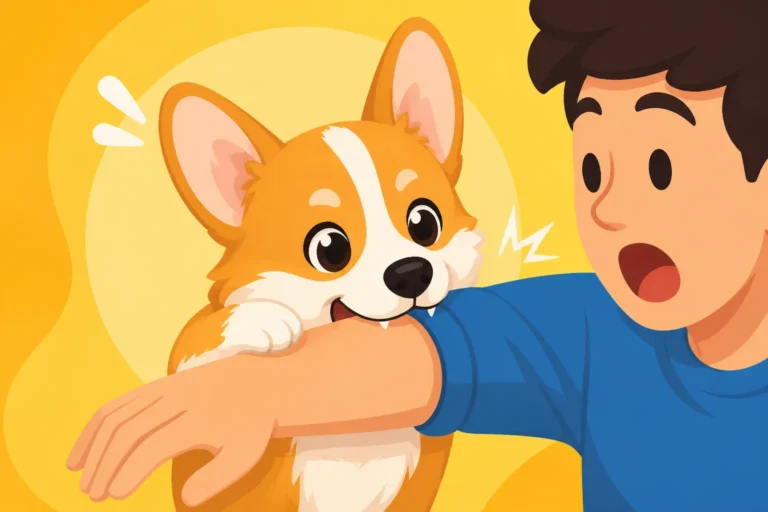
Whether Harsh Handling Works on a Corgi
It's a common frustration to feel like your Corgi just isn't listening, or that they're deliberately being difficult. Their independent spirit and quick minds can sometimes be misinterpreted as pure stubbornness, leading many well-meaning owners to wonder if they need to be "tougher" or more dominant in their training. This comprehensive guide is here to shed light on why harsh handling methods are not only ineffective for a Corgi but can actually cause more harm than good, and what truly effective, positive approaches look like.
Understanding the Corgi Mindset: More Than Just Stubborn
Before we even begin to talk about training methods, it’s crucial to understand the unique brain behind those adorable ears. Corgis, both Pembrokes and Cardigans, were bred for a specific, demanding job: herding cattle. This wasn’t a task for a meek, blindly obedient dog. It required intelligence, problem-solving skills, and a strong sense of self-preservation.
The Herding Dog Instinct and Independence
Imagine being a little dog, barely taller than a cow’s hoof, responsible for moving a herd of massive, stubborn animals. You couldn't just wait for commands; you had to anticipate, react, and make quick decisions on your own. That inherent drive to think for themselves, that independent streak, is deeply ingrained in their DNA. It’s why your Corgi might give you a look that says, “I heard you, but I’m still weighing my options,” rather than instantly complying. They're not being deliberately defiant, they're often just processing and, well, being a Corgi! This independent nature is often confused with stubbornness, and it's a common point of contention for owners trying to train them.
This independent spirit also means they’re highly observant. They learn quickly, but they also learn you. They pick up on inconsistencies, on emotional shifts, and on what truly matters to you versus what you just say matters. This isn't manipulation; it's intelligence at work. They are constantly assessing situations, deciding if a command is truly worth their effort based on past experiences and the perceived reward. Understanding this can help reshape your approach, moving away from frustration and towards partnership.
Sensitivity Beneath the Sassy Exterior
Despite their bold, often boisterous personalities and the classic "Corgi sass," these dogs can actually be quite sensitive. They might act tough, barking at the mailman or trying to herd the vacuum cleaner, but they are often surprisingly soft when it comes to emotional responses. A harsh tone, a sudden loud noise, or an unexpected physical correction can deeply affect them.
This sensitivity means that methods based on fear, intimidation, or physical force can be genuinely detrimental. Instead of learning what you want them to do, a sensitive Corgi might shut down, become anxious, or even develop fear-based aggression. They might start to associate you, or the training environment, with unpleasant experiences, which erodes the very foundation of trust you need for effective training. A Corgi that feels physically threatened or consistently corrected might also become withdrawn, losing that spark and joyful exuberance that we all love so much.
Why "Harsh Handling" Fails a Corgi
When we talk about "harsh handling," we're referring to any method that relies on intimidation, fear, pain, or punishment to try and control a dog's behavior. This can range from yelling and physical corrections to using shock collars or harsh leash jerks. While these methods might seem to produce a quick fix by temporarily stopping an unwanted behavior, they come at a significant cost, especially for a Corgi.
Damaging Trust and Building Fear
The bedrock of any successful relationship with your Corgi, or any dog, is trust. When you use harsh methods, you actively dismantle that trust. Your Corgi learns to associate you not with safety, guidance, and fun, but with potential discomfort, fear, or pain. Imagine if every time you made a mistake, someone screamed at you or delivered a painful jolt. Would you feel safe? Would you want to try new things? Of course not.
A Corgi who fears their owner might become hesitant to engage, reluctant to come when called (because coming to you might mean punishment), or might start hiding their natural behaviors to avoid confrontation. This isn't a trained dog; it's a suppressed dog. Furthermore, a dog living in fear is more prone to stress-related health issues and can even develop defensive aggression if they feel they have no other choice to protect themselves. This can turn a joyful companion into an anxious shadow, which is devastating for everyone involved.
Suppressing Behavior vs. Teaching Skills
Harsh handling often focuses solely on stopping an unwanted behavior without teaching the dog what to do instead. For example, if your Corgi jumps on guests and you yell or knee them in the chest, they might stop jumping when you're present and yelling. But they haven't learned how to greet guests politely. They've just learned to avoid the punishment.
This leads to several problems: the behavior might pop up when you're not there or not looking, or they might develop a "replacement" behavior that's equally undesirable, or even worse. For instance, a Corgi punished for barking might instead start lunging on the leash, or an anxious dog punished for separation anxiety might escalate to destructive chewing. True training is about building a repertoire of positive skills, empowering your dog to make good choices because they understand what's expected and what rewards come with it. It’s about teaching, not just scolding.
Escalation and Learned Helplessness
When harsh methods are used, it often creates a vicious cycle. The Corgi, being intelligent and independent, might initially resist or try to figure out how to avoid the punishment. If the owner then escalates the harshness, the dog has fewer and fewer options. This can lead to either an escalation of resistance (e.g., snapping back, guarding resources) or, at the other end of the spectrum, "learned helplessness."
Learned helplessness is a tragic state where a dog gives up trying to respond or react because they've learned that nothing they do will prevent the unpleasant outcome. They become lethargic, unresponsive, and outwardly "obedient," but it's a compliance born of despair, not cooperation. This isn't a trained dog; it's a dog whose spirit has been broken. Such dogs might appear calm and well-behaved, but internally, they are often deeply distressed and anxious, losing their ability to engage with the world in a healthy way.
What Actually Motivates a Corgi
So, if harshness is out, what does work with a Corgi? The answer lies in tapping into their intelligence, their desire to please (when it suits them!), and their love for rewards. These little herders are incredibly smart and thrive on clear communication, positive reinforcement, and engaging activities that make them feel like a valued part of the family.
Positive Reinforcement and Reward-Based Training
Positive reinforcement is the cornerstone of effective Corgi training. It means adding something desirable (a reward) when your dog performs a wanted behavior, making them more likely to repeat it. Think of it as a clear "yes!" signal to your dog's brain. For a food-motivated Corgi, a tiny piece of cheese or a high-value kibble can be magic. For others, a favorite toy, a quick game of fetch, or even enthusiastic praise can be a powerful motivator. This is especially true given the question of Whether a Corgi Works for Anything but Food, and the truth is, a Corgi will work for what they value, which is often food, but also play and attention.
The beauty of positive reinforcement is that it builds a strong, positive association between the behavior, the reward, and you. Your Corgi learns that engaging with you and doing what you ask leads to good things. This makes training fun for both of you, strengthens your bond, and keeps your Corgi eager to learn. Short, frequent training sessions with high-value rewards are far more effective than long, drawn-out sessions that test a Corgi's notoriously short attention span. Remember, you're competing with a world full of interesting smells and sights!
Clear Communication and Consistency
Corgis are smart, but they aren't mind readers. They need clear, consistent cues and expectations to understand what you want. This means using the same word for a command every time ("sit," not sometimes "sit," sometimes "plop down"), and everyone in the household needs to use the same commands and rules. If one person lets the Corgi jump on them and another scolds them for it, your Corgi will be utterly confused.
Consistency also applies to rules and boundaries. If the Corgi is not allowed on the sofa, then that rule must be enforced every single time, by everyone. Inconsistent training teaches your Corgi that rules are optional, or that they can try to "gamble" and see if they can get away with something. This makes them appear more "stubborn" when in reality, they're just working with the inconsistent information you've given them. Clear boundaries, consistently applied, create a sense of security and understanding for your Corgi, making them much more willing to cooperate.
Channeling Instincts Productively
A Corgi's natural instincts are powerful. They were bred to herd, to bark warnings, and to be independent thinkers. Trying to suppress these instincts entirely is like trying to hold back the tide – it's exhausting and ultimately futile. Instead, the most successful Corgi owners learn to channel these instincts into productive and acceptable outlets. Think about The Job a Corgi Needs Instead of Herding You.
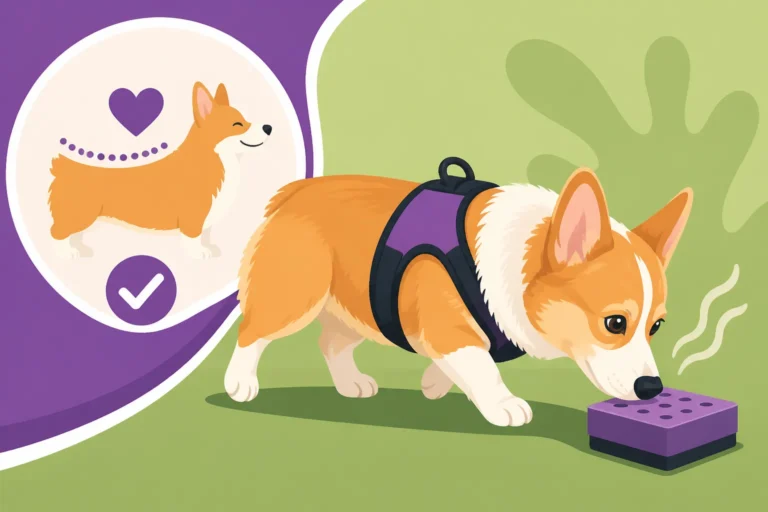
For the herding instinct, this could mean enrolling in a beginner's herding class (if available and safe for their back), teaching them to herd a large exercise ball in the yard, or engaging in scent work, which taps into their natural sniffing abilities and provides a mental workout. For their tendency to bark, teach them a "speak" command and then a "quiet" command, giving them an appropriate outlet for their voice. Providing plenty of mental stimulation through puzzle toys, training games, and varied walks will also help satisfy their intelligent minds and reduce boredom-driven unwanted behaviors.
Practical Strategies for Training Your Corgi
Now that we understand the Corgi mindset and the effectiveness of positive, consistent training, let’s get into some practical, real-world strategies you can use in your home. Remember, every Corgi is an individual, so what works perfectly for one might need a slight adjustment for another. Patience and observation are key!
Setting Up for Success and Preventing Problems
The easiest way to train a Corgi is to prevent them from practicing unwanted behaviors in the first place. This is often called environmental management and it's your secret weapon. For example, if your Corgi has a habit of counter surfing, don't leave food out. If they nip at ankles when people walk by, use baby gates (readily available on Amazon) to keep them safely separated or on a leash until they've learned better manners. Setting up your home with ramps and gates can also protect their precious long backs.
Consider your Corgi's size and perspective. They are low to the ground, which means everything above them is more tempting. Make sure valuable items or things you don't want them to chew are out of reach. Provide plenty of appropriate chew toys to satisfy their natural need to mouth and explore. When you can’t actively supervise, a safely confined space like a crate or a playpen can be invaluable, especially for puppies, to prevent them from making "mistakes" that need correcting.
Building a Strong Foundation Puppy to Adult
The earlier you start, the better! Puppyhood is a critical time for socialization and basic obedience. Enroll your Corgi puppy in a positive reinforcement puppy class. Not only will they learn basic commands like "sit," "stay," and "come," but they'll also get crucial exposure to other dogs, people, and novel environments in a safe, controlled setting. Online platforms, like BAXTER & Bella, can also provide a structured curriculum and support for owners looking to train at home, offering video tutorials and personalized guidance.
As your Corgi grows, continue with regular, short training sessions. Think of training not as a chore, but as an ongoing conversation and bonding activity. Work on things like polite leash walking, a solid recall (which can be challenging with their herding instinct, so keep practicing with The Word That Stops a Corgi Mid-Chase), and greeting people calmly. Practice these skills in various environments, gradually increasing distractions so they learn to generalize their good manners. Consistency really is the magic word here.
Addressing Specific Corgi Behaviors
Many Corgi owners grapple with common breed-specific behaviors that can be frustrating. Let’s tackle a couple:
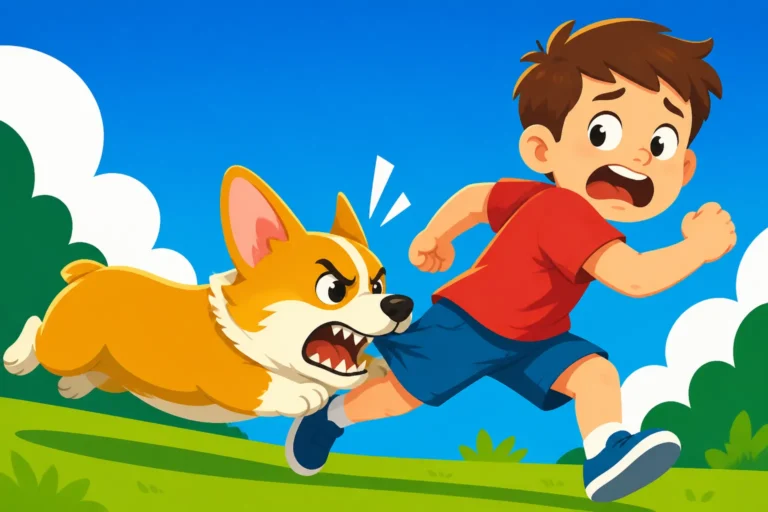
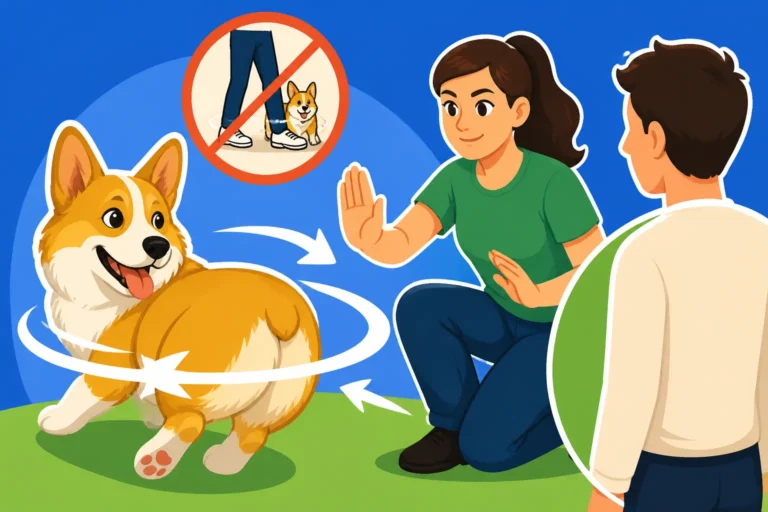
- Nipping/Herding: The classic A Corgi That Nips Running Children is a natural herding instinct. Instead of punishing the nip, redirect it. When your Corgi starts to nip at heels, immediately redirect their attention to an appropriate toy, a game of fetch with a soft ball, or a training exercise where they can earn a treat. Teach them "leave it" and "come" commands to interrupt the behavior. Many trainers will suggest teaching them to herd a ball or toy as an alternative outlet.
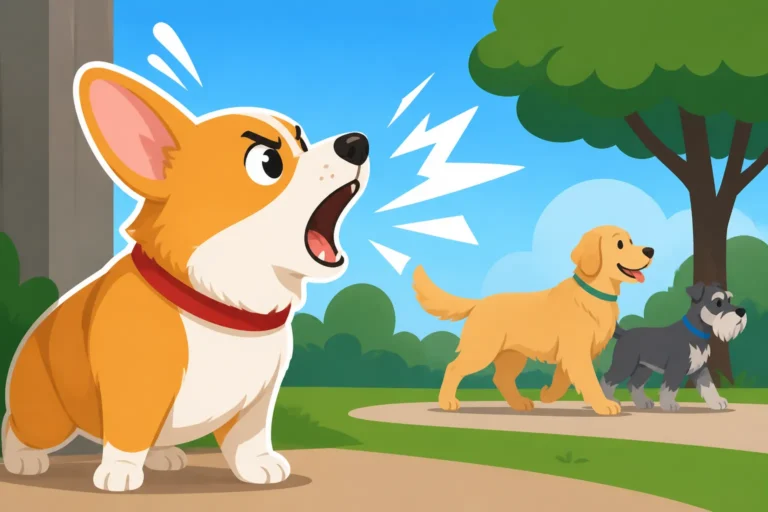
- Barking: Corgis are vocal! Why Corgis Bark More Than Most is often because they were bred as alarm dogs. To manage barking, identify the trigger. Is it the doorbell? Other dogs? People walking by the window?
- For alert barking (e.g., at the window), teach a "quiet" command. Let them bark once or twice, say "quiet," and when they stop (even for a second), reward them heavily. Gradually extend the time they need to be quiet.
- For attention barking, ignore it completely. Turn your back, walk away. Only give attention when they are quiet. This can be hard, but it's effective.
- Selective Hearing: This often comes back to their independent nature. If your Corgi seems to "ignore" you, reconsider your motivation. Are your rewards high value enough? Is the environment too distracting? Go back to basics in a quiet area, using irresistible treats, then gradually introduce distractions. Make yourself more interesting than the environment!
When to Seek Professional Guidance
Even with the best intentions and the most positive approach, sometimes you hit a wall. Or perhaps your Corgi developed a behavior issue before you adopted them, and you’re navigating some deeper challenges. There's absolutely no shame in seeking professional help; in fact, it's a sign of a truly dedicated and responsible Corgi owner.
Identifying When You Need Help
It's time to consider professional help if you're experiencing any of the following:
- Escalating Aggression: Any instance of biting, growling, or snapping that is increasing in frequency or intensity, especially if it's directed at people or other animals. This needs immediate professional intervention.
- Severe Anxiety: If your Corgi is exhibiting severe separation anxiety (destroying property, excessive vocalization when alone), extreme fear of certain noises or situations, or chronic stress, a professional can help.
- Persistent Problems: You've tried positive reinforcement consistently for weeks or months on a particular issue (like house-training regression, incessant barking, or destructive chewing), and you're seeing no improvement, or the problem is getting worse.
- Safety Concerns: You're worried about your Corgi's safety or the safety of others due to their behavior (e.g., darting into traffic, uncontrollable chasing, strong reactivity on leash).
- Medical Issues Suspected: Sometimes, a sudden change in behavior can indicate an underlying medical problem. Always rule out physical discomfort or illness with your vet first. For instance, Telling Disc Pain From DM in a Corgi can be difficult and often requires a vet's expertise.
Finding the Right Professional
When looking for a trainer or behaviorist, it's crucial to find someone who aligns with positive, force-free methods. Avoid anyone who suggests using shock collars, prong collars, choke chains, alpha rolls, or other punishment-based techniques. These methods are outdated, harmful, and ineffective in the long run.
Look for certifications such as:
- CPDT-KA (Certified Professional Dog Trainer – Knowledge Assessed)
- KPA CTP (Karen Pryor Academy Certified Training Partner)
- CDBC (Certified Dog Behavior Consultant)
- ACA (Associate Certified Applied Animal Behaviorist) or CAAB (Certified Applied Animal Behaviorist) for more severe behavioral issues, as these professionals often have advanced degrees in animal behavior.
Interview potential trainers. Ask about their philosophy, their methods, and how they would approach your Corgi's specific challenges. A good trainer will observe your Corgi, ask detailed questions about their history and your home life, and create a customized plan. They should be willing to explain why their methods work and empower you with the skills to continue the training. Remember, you’re looking for a partner in your Corgi's journey, not just someone to fix a symptom.
Here’s a quick overview of why positive methods trump harsh ones for Corgis:
| Feature | Harsh Handling Methods | Positive Reinforcement Methods |
|---|---|---|
| Foundation | Fear, intimidation, pain, dominance | Trust, cooperation, motivation, clear communication |
| Corgi's Response | Fear, anxiety, aggression, learned helplessness, suppression | Engagement, enthusiasm, confidence, understanding, joy |
| Learning Outcome | Stops behavior temporarily (but doesn't teach alternatives) | Teaches desired behaviors, builds skills, empowers dog to make good choices |
| Relationship Impact | Erodes bond, fosters resentment or fear | Strengthens bond, builds mutual respect and understanding |
| Long-Term Effects | Stress, potential for new or worse behavioral issues | Well-adjusted, happy, confident, and reliable companion |
| Motivation | Avoidance of punishment | Desire for reward and positive interaction |
Ultimately, training your Corgi is a journey, not a destination. It's about building a language, a relationship, and a life together that is full of joy, understanding, and mutual respect. Harsh handling might offer a quick, albeit damaging, shortcut to compliance, but positive methods cultivate a truly well-adjusted, confident, and happy Corgi who is a joy to live with.
Disclaimer
This article is for general informational purposes only and does not constitute professional advice. Laws, prices and regulations vary by location and change over time. Consult a qualified professional for guidance on your specific situation.