Whether a Corgi Grows Out of Nipping
Corgi puppies are undeniably charming with their fluffy butts and enthusiastic wiggles, but many new Corgi parents quickly discover a less adorable trait: persistent nipping. This isn't just a phase of playful puppy antics that they'll magically grow out of; it's often a deep-seated instinct that, if not addressed early and consistently, can become a real challenge. This comprehensive guide will explore why Corgis nip, delve into whether they truly "grow out of it" on their own, and provide actionable, empathetic strategies you can employ to manage and redirect this common behavior.
Understanding the Corgi Nip: It's Not Malice
When your cute Corgi puppy or even an adult dog nips, it can feel frustrating, sometimes painful, and you might even worry they're being aggressive. However, it’s crucial to understand that for most Corgis, nipping is a deeply ingrained, natural behavior, not an act of malice. Their history as working dogs is key to unlocking this mystery.
The Herding Instinct and the "Heel Nip"
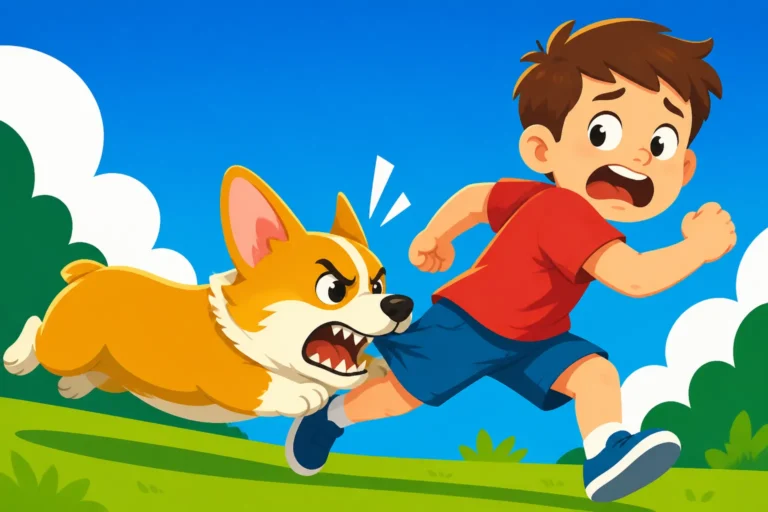
Corgis, both Pembrokes and Cardigans, were originally bred to herd cattle in the fields of Wales. Picture a cow's legs – long and sturdy. To effectively move these large animals, Corgis developed a unique herding style: they'd dart in, nip at the cattle's heels, and then quickly duck away to avoid a retaliatory kick. This "heel nip" was essential for their job, a precise and effective way to get those stubborn cows moving. Even generations removed from the farm, this instinct is still hardwired into their DNA.
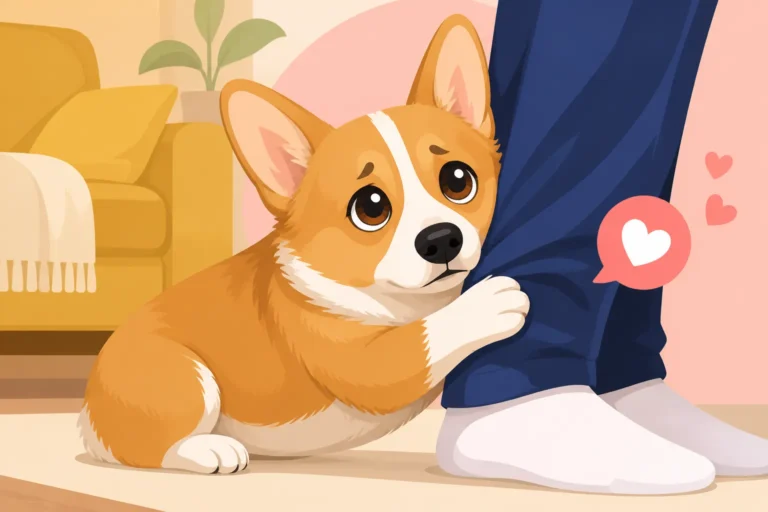
When your Corgi nips at your ankles, the back of your calves, or even the trailing hem of your trousers, they aren't trying to hurt you out of anger. They are, in their minds, performing the job they were bred for. They see moving objects – children running, people walking briskly, even other pets – and their instinct kicks in to gather and control them. It’s their way of saying, "Hey, you're going too fast! Stay with the herd!" Understanding Where the Corgi Heel Nip Comes From is the first step in addressing it with patience and effective training.
Nipping as Communication in Puppyhood
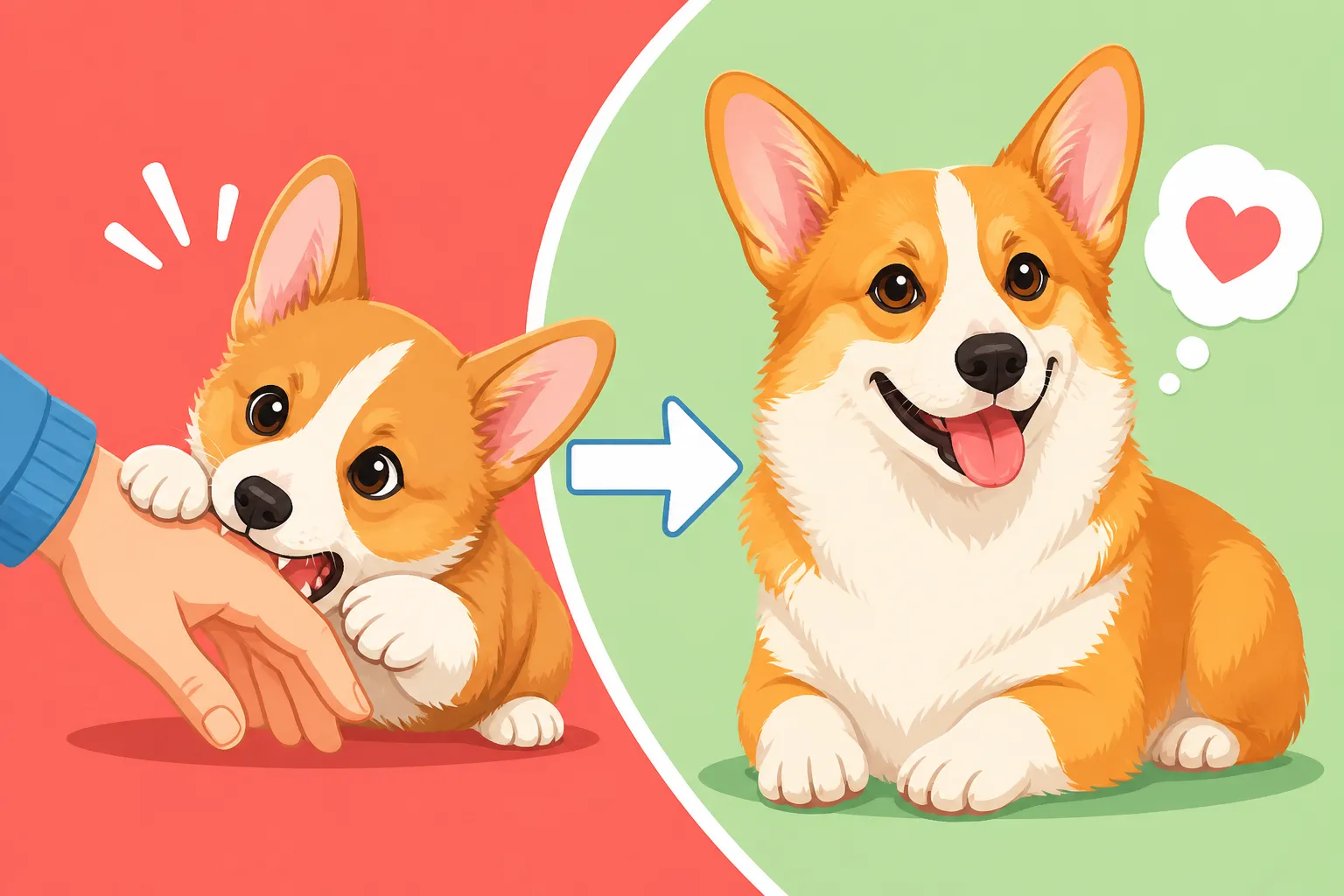
Beyond herding, nipping is a primary form of communication and exploration for Corgi puppies, much like human babies put everything in their mouths. A puppy uses its mouth to investigate new textures, to play with littermates, and to test boundaries. When they mouth or nip at your hands during play, they're learning about pressure and how their teeth interact with the world around them.
This exploratory nipping helps them understand what’s acceptable and what causes a reaction. If a littermate yelps when a bite is too hard, the puppy learns to ease up. If a human pulls their hand away with a sharp "ouch," they learn that their mouth can cause discomfort. It's a critical part of their development, and it's our job as their guardians to guide this natural behavior into appropriate channels. Ignoring this phase or failing to teach bite inhibition can lead to problems down the line.
The Difference Between Nipping and Biting
It's vital for Corgi owners to differentiate between typical nipping and genuine biting. Nipping, while sometimes sharp and startling, is generally exploratory, playful, or instinct-driven. The intent isn't to inflict harm, and the pressure is usually controlled, even if it feels unpleasant. It might be a quick grab and release, or a sustained mouthing that doesn't break the skin, or only barely nicks it.
A true bite, on the other hand, is usually accompanied by a different body language – stiff posture, growling, baring teeth, or a snap that breaks the skin and intends to cause pain or damage. While Corgis can certainly bite if pushed, especially if they feel threatened, possessive, or are in pain, this is distinct from the herding nip or puppy mouthing. If your Corgi's nipping ever escalates to deliberate, aggressive biting, it requires immediate professional intervention, as it signals a deeper behavioral issue that goes beyond instinctual herding or puppy play.
The Puppy Nipping Phase: A Natural (But Annoying) Stage
Bringing home a Corgi puppy is an exciting time, but the incessant nipping can quickly become wearisome. Rest assured, this is a very normal part of puppy development for most breeds, and Corgis with their strong herding drive, often take it to another level. Understanding why they do it helps immensely in dealing with it.
Exploring the World with Their Mouths
For a Corgi puppy, their mouth is their primary tool for interacting with and understanding their environment. They don't have hands to pick things up and examine them; instead, everything goes into their mouth. Your fingers, your toes, the edge of the rug, the leg of the chair – it all gets a thorough investigation through mouthing and nipping. This is how they learn about textures, shapes, and what is safe to chew versus what gets a reaction from you. It's a natural sensory experience for them, and trying to stop it entirely would be counterproductive and stressful for the puppy.
Instead of forbidding all mouthing, the goal is to redirect it to appropriate items. Provide a wide variety of safe chew toys with different textures. This could include rubber toys, rope toys, or even frozen KONGs filled with peanut butter or yogurt to soothe their gums. When your Corgi puppy goes for your hand, a firm "no" followed by immediately offering a toy in its place teaches them what they can chew. Consistency is absolutely paramount during this phase.
Teething and Nipping for Comfort
Just like human babies, Corgi puppies go through a teething phase that can be quite uncomfortable. Their sharp puppy teeth are replaced by adult teeth, typically between three and six months of age. During this time, the urge to chew and nip intensifies as they seek relief from sore gums. Chewing applies pressure that can alleviate discomfort, making everything a potential teething toy.
This is why you might notice your Corgi puppy being extra mouthy during these months. Having plenty of appropriate chew toys on hand is more important than ever. Cold or frozen chew toys can be particularly soothing. Consider puppy-specific teething rings or even frozen washcloths. It's also a good time to ensure your puppy has access to safe, durable toys from reputable brands like those found on Amazon, to prevent them from fixating on your furniture or, worse, your skin. Remember, this isn't them being naughty; it's a physiological need.
Learning Bite Inhibition from Littermates (or Lack Thereof)
In a litter environment, puppies learn bite inhibition naturally. When one puppy nips another too hard, the bitten puppy will yelp loudly and often disengage from play. This immediate feedback teaches the nipping puppy to moderate the pressure of their bite. They learn that if they want to keep playing, they need to be gentler. This process is crucial for developing a "soft mouth" as an adult.
However, many puppies are separated from their littermates before they've fully mastered bite inhibition, or they may not have had littermates that provided strong enough feedback. When a puppy comes into a human home, we become their primary teachers. If we don't consistently provide the same clear feedback – a sharp "ouch!", withdrawing attention, or a brief time-out – they won't learn that their nipping is unacceptable. This is why it's a common misconception that Corgis "grow out of" nipping; they only grow out of it if they are actively taught better manners. Ignoring the behavior in the hopes it will disappear is a recipe for a mouthy adult Corgi.
Why Adult Corgis Might Still Nip: Unresolved Instincts and Habits
While puppy nipping is a natural developmental stage, many Corgi owners find that the behavior persists or resurfaces in adulthood. This isn't because your Corgi is inherently aggressive, but rather a sign that those deep-seated instincts and learned habits were never fully addressed during their formative months.
Unmanaged Instincts and Lack of Proper Redirection
The most common reason an adult Corgi continues to nip is that their powerful herding instinct was never properly managed or redirected. As we discussed, Corgis are hardwired to nip at heels. If a puppy's attempts to herd people were not consistently redirected to appropriate outlets, the behavior becomes ingrained. They learn that nipping gets a reaction, even if it's negative attention, which is often still rewarding for a Corgi.
Think about a Corgi that nips at children when they run. To the Corgi, those running legs are like cattle on the move, and their job is to stop them. A Corgi That Nips Running Children needs clear guidance on what to do instead. If they were never taught an alternative, the default behavior will always be the nip. This isn't a problem that disappears on its own; it requires ongoing, consistent training to channel that instinct into acceptable activities. Without proper outlets, the instinct doesn't vanish; it simply finds an inappropriate target.
Over-Excitement, Frustration, or Seeking Attention
Beyond pure herding instinct, adult Corgis might nip when they become over-excited, frustrated, or are simply seeking attention. A Corgi that gets overly stimulated during play, especially if it's rough-and-tumble, might revert to nipping as part of that excitement. Similarly, if a Corgi is frustrated by not getting what it wants – perhaps you're ignoring them, or they can't reach a toy – a quick nip can be a way to express that frustration.
Some Corgis also learn that nipping is an effective attention-seeking behavior. If every time they nip, they get a reaction from you, whether it's a scolding, pushing them away, or even just looking at them, they've achieved their goal: your attention. They learn that "nipping = attention," reinforcing the behavior. This is particularly common in highly intelligent breeds like Corgis who thrive on interaction and can get bored easily. They'll try various behaviors until they find one that works to get you engaged.
The Role of Environment and Consistency
The environment your Corgi lives in and the consistency of your training play a huge role in whether nipping persists into adulthood. A chaotic home where rules are inconsistently applied, or where the Corgi is frequently over-stimulated without calm-down periods, can exacerbate nipping. If one family member allows nipping during play while another punishes it, the Corgi becomes confused and the behavior is likely to continue.
Moreover, if the Corgi is left to entertain itself for long periods without sufficient mental and physical enrichment, pent-up energy and boredom can lead to undesirable behaviors, including nipping. A Corgi thrives on having a "job" or at least engaging activities that challenge its mind and body. Without these, they might invent their own "jobs," and nipping can be one of them. Consistency in training, managing their environment, and providing appropriate stimulation are cornerstones to preventing adult nipping.
Practical Strategies to Curb Corgi Nipping
So, if Corgis don't simply "grow out" of nipping, what can we do about it? The good news is that with consistent, positive training and a deep understanding of their breed instincts, you can effectively manage and redirect nipping behaviors. It requires patience, repetition, and a united front from everyone in the household.
Consistent Redirection and Positive Reinforcement
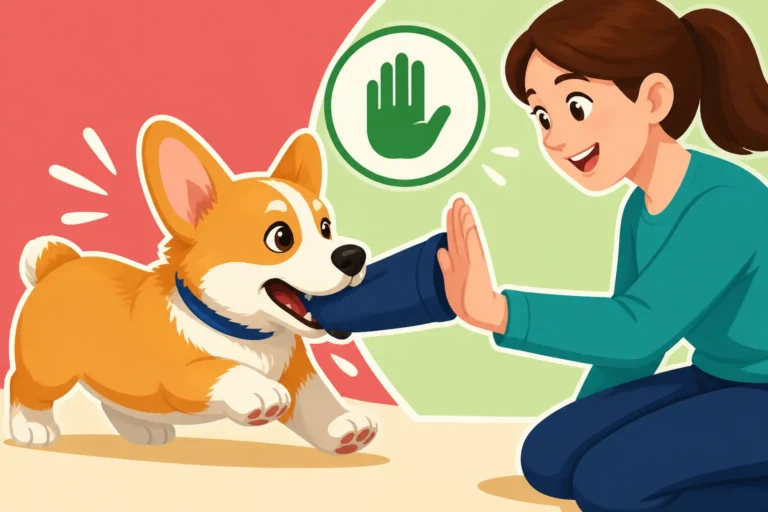
The cornerstone of curbing Corgi nipping is consistent redirection. When your Corgi's mouth makes contact with your skin, even gently, immediately make a sharp, high-pitched "ouch!" or "yipe!" to mimic a littermate's reaction. Then, immediately withdraw your attention and your hand. You can even try a brief "reverse time-out" where you leave the room for 10-15 seconds. This teaches them that nipping makes the fun stop.
After this, immediately offer an appropriate chew toy or redirect them to an acceptable activity. For instance, if they nip your hand, redirect them to a rope toy or a tough chew. When they chew on the toy instead, lavish them with praise and positive reinforcement. This helps them understand that using the toy gets them good things (attention, praise, play) while nipping at you does not. This is also where interactive toys found on Amazon can be helpful, keeping their focus away from your hands and feet.
Here's a quick comparison of redirection techniques:
| Nipping Scenario | Ineffective Response | Effective Response | Why it Works |
|---|---|---|---|
| Puppy nips hand during play | Yelling, hitting nose, pulling hand away | High-pitched "ouch!", withdraw hand, turn away, offer toy | Mimics littermate feedback, redirects to appropriate item |
| Adult Corgi nips at ankles | Chasing them, getting angry, continuing to run | Stop moving, cross arms, ignore for a few seconds | Removes the "herd" stimulus, eliminates reward of attention |
| Corgi nips for attention | Any eye contact or verbal reprimand | Completely ignore, walk away, give attention only when calm | Teaches that nipping does not earn attention |
| Excited Corgi mouth-grips | Allowing it or wrestling back | Offer specific chew toy, praise calm chewing | Redirects excitement into acceptable behavior |
Remember, the key is consistency. Everyone in the household must respond the same way every time. If even one person allows nipping, it sends mixed signals and slows down the training process significantly.
Providing Appropriate Outlets for Herding Instincts
Since the herding instinct is so strong in Corgis, simply telling them "no" isn't enough; you need to give them a healthy alternative. This is about providing The Job a Corgi Needs Instead of Herding You. Consider engaging your Corgi in activities that satisfy their natural drive in a constructive way.
- Herding Balls: Large, sturdy balls that are too big for them to pick up but can be pushed and chased are excellent. This allows them to "herd" an object without nipping at people. Many pet stores and online retailers offer these.
- Structured Play: Incorporate games like fetch or tug-of-war (with rules, like "drop it" on command) that provide an outlet for their energy. Just be mindful of their back during vigorous play; always keep it safe.
- Scent Work and Puzzle Toys: These activities engage their minds and can be incredibly tiring. Hiding treats around the house or using puzzle feeders can provide mental stimulation that redirects their focus away from nipping due to boredom or pent-up energy.
- Enroll in Classes: Even if you don't plan on competing, beginner herding classes (using ducks or sheep, or even just large balls) can be fantastic for Corgis. It allows them to express their natural talent under controlled supervision. Look for trainers who understand the unique needs of herding breeds, as they will have specific strategies for managing that drive.
Management and Environmental Changes
Sometimes, redirection and training aren't enough, especially when you have guests or children around. This is where environmental management comes in handy. You're not punishing your Corgi, but rather preventing opportunities for undesirable behavior and setting them up for success.
- Use Gates and Pens: If your Corgi is prone to nipping at people's heels, especially children, use baby gates or a sturdy playpen to create safe zones. This allows your Corgi to be part of the family without having direct access to ankles and shins. It's a great strategy when children are present, as A Corgi That Nips Running Children can be a safety concern.
- Leash Training Indoors: For a Corgi that gets over-excited and nips when guests arrive, keeping them on a leash indoors can provide gentle control. This allows you to interrupt the behavior immediately and redirect them without having to chase them.
- Provide Chew Toys Everywhere: Have appropriate chew toys readily available in every room your Corgi spends time in. When you see them about to mouth something inappropriate or nip, you can quickly offer an approved item.
- Ramps and Steps: While not directly related to nipping, ensuring your Corgi has ramps or steps to access furniture and the car helps protect their back, which in turn can reduce pain-related grumpiness or reactivity that might manifest as nipping. This shows thoughtful care for their physical well-being.
Consistency, positive reinforcement, and management tools will gradually teach your Corgi that human skin is off-limits and that there are far more rewarding ways to interact and expend their energy. Online training resources, like those offered by BAXTER & Bella, can also provide structured guidance and support for navigating these challenging puppy and adolescent behaviors from the comfort of your home.
When to Seek Professional Help for Corgi Nipping
While most Corgi nipping can be managed with consistent home training, there are times when the behavior escalates beyond normal puppy antics or herding instincts, becoming a serious concern. Recognizing these red flags and knowing when to call in a professional is crucial for both your safety and your Corgi's well-being.
Signs That Nipping is Becoming Aggression
It's important to distinguish between typical Corgi nipping and true aggression. If you observe any of the following signs, your Corgi's nipping may be moving into aggressive territory, and you should seek professional help immediately:
- Breaking Skin Consistently: While accidental nicks can happen during boisterous play, if your Corgi is regularly breaking the skin with their nips, it indicates a lack of bite inhibition that needs serious attention. Whether a Corgi Nip Ever Breaks Skin is a critical indicator.
- Growling, Baring Teeth, or Snapping: If nipping is accompanied by growling, baring teeth, a stiff body posture, or an outright snap that connects with force, it's a clear sign of aggression. This is not playful or instinctual herding behavior.
- Resource Guarding: If your Corgi nips when guarding food, toys, their bed, or even a person, it's a form of resource guarding, which can escalate into dangerous biting if not addressed by a professional.
- Lack of Warning: Most dogs will give some warning signs before a true bite (e.g., freezing, lip licking, growling). If your Corgi nips or bites without any apparent warning, it makes them unpredictable and potentially dangerous.
- Targeting Children or Strangers: While Corgis can nip at anyone, if the nipping is specifically directed at children or unfamiliar people with increasing intensity, it's a serious red flag. You need a professional to assess the situation and implement a safety plan.
- Pain-Related Aggression: Sometimes, a Corgi might nip or bite due to pain, especially if touched in a sensitive area. If nipping starts suddenly or seems out of character, a veterinary check-up is the first step to rule out any underlying medical conditions.
Never ignore these signs. Hoping they will "grow out of it" or trying to manage true aggression with basic redirection techniques can put people at risk and deepen the behavioral problem.
Benefits of a Qualified Trainer or Behaviorist
When nipping becomes a persistent problem, or shows signs of aggression, a qualified professional can make a world of difference. They offer expertise and strategies that go beyond what you might find in basic puppy classes.
- Personalized Assessment: A good trainer or veterinary behaviorist will observe your Corgi in their home environment, assess their body language, and gather a detailed history. They can accurately determine the root cause of the nipping, whether it's instinct, fear, anxiety, or true aggression. This personalized approach is far more effective than generic advice.
- Tailored Training Plan: Based on their assessment, they'll create a customized training plan designed for your specific Corgi and your household. This might include specific exercises, management techniques, and environmental modifications. They can guide you through Teaching a Corgi Puppy to Stop Grabbing or Redirecting a Corgi Off Ankles with precision.
- Teaching Advanced Skills: Professionals can teach you more advanced positive reinforcement techniques, counter-conditioning, and desensitization protocols that might be necessary for more complex cases of nipping. They can also help you implement alternative behaviors, such as Teaching a Corgi to Herd a Ball Instead.
- Addressing Underlying Issues: If the nipping stems from anxiety, fear, or a lack of confidence, a behaviorist can help address these underlying emotional states, which in turn will reduce the nipping. They understand that Whether Harsh Handling Works on a Corgi is almost always a resounding "no" and will only exacerbate fear and aggression.
- Ongoing Support: Many trainers offer ongoing support, adjusting the plan as your Corgi progresses. This long-term guidance can be invaluable, especially for a breed as clever and strong-willed as a Corgi. Understanding Whether a Trainer Understands a Herding Corgi is crucial when selecting a professional; look for someone with experience with working breeds. Don't be afraid to ask about their credentials and experience, and be prepared for potential Trainer Rates for a Corgi That Nips as professional help is an investment in your dog's future and your peace of mind.
Understanding the Limitations of Self-Training
While there's a lot you can accomplish with consistent self-training and basic resources, it's important to recognize its limitations, especially with deeply ingrained Corgi behaviors.
- Lack of Objectivity: As a Corgi owner, it's hard to be completely objective about your dog's behavior. You might miss subtle cues or inadvertently reinforce behaviors without realizing it. A professional brings an unbiased perspective.
- Risk of Reinforcing Undesired Behavior: Without proper guidance, you might accidentally reinforce the nipping. For example, pushing a nipping Corgi away can be seen as an exciting game of chase, encouraging the behavior.
- Safety Concerns: If the nipping is aggressive, trying to manage it yourself without professional oversight can be dangerous, especially if children or vulnerable adults are in the home.
- Missing Underlying Causes: Nipping can sometimes be a symptom of a larger issue, like anxiety, pain, or insufficient enrichment. An owner might only treat the symptom, while a professional can identify and address the root cause.
- Progress Plateaus: You might see some initial improvement, but then hit a plateau. A professional can help you break through these barriers and keep progressing.
Don't hesitate to reach out for professional help if you're struggling. It's not a sign of failure, but a responsible and loving choice to ensure your Corgi grows into a well-adjusted, safe, and happy companion.
Disclaimer
This article is for general informational purposes only and does not constitute professional advice. Laws, prices and regulations vary by location and change over time. Consult a qualified professional for guidance on your specific situation.