Waiting Two Years for a Corgi Puppy
If you've recently fallen head over heels for the undeniable charm of a Corgi and started looking for a puppy, you might have been met with a startling reality: many reputable breeders have waiting lists stretching not months, but often a year or two. This can be incredibly frustrating when you're ready to welcome a fluffy, low-riding companion into your home now. This guide will explore the legitimate reasons behind these long waits, what to expect as you navigate the process, and how you can prepare to ensure a smooth transition when your Corgi puppy finally arrives.
The Reality of Corgi Puppy Demand
It’s easy to feel disheartened when a breeder tells you the next available litter is years away. You might even wonder if it’s worth the wait. However, understanding the factors driving this demand, and why good breeders operate this way, can help manage expectations and reaffirm your decision to pursue a healthy, well-adjusted Corgi.
Why Reputable Breeders Have Waiting Lists
Responsible Corgi breeders aren't running puppy mills; they are dedicated individuals who prioritize the health, temperament, and welfare of their dogs above all else. This commitment naturally limits the number of puppies they can produce, creating the long waiting lists we often see.
First and foremost, ethical breeders invest heavily in health testing their parent dogs. This isn't just a quick vet check-up; it involves a battery of genetic screenings and physical evaluations to minimize the risk of passing on hereditary conditions. For Corgis, this means testing for conditions like Degenerative Myelopathy and the Corgi, which, while not always expressed, is a serious concern. They also screen for Corgi Hips and Front-End Structure issues, given the breed's unique build. These tests can be costly and time-consuming, and a breeder only proceeds with a breeding pair once they've received favorable results, ensuring the healthiest possible offspring.
Furthermore, responsible breeders typically limit how often their female dogs (dams) are bred. A dam needs ample time to recover between litters, often waiting a year or more. They are not seen as breeding machines, but as cherished family members whose health and well-being are paramount. This means fewer litters per year from any given breeder. When a breeder does have a litter, they dedicate significant time to raising the puppies, providing early socialization, enrichment, and individual attention, ensuring they are well-adjusted and ready for their new homes. They aren't just selling a dog; they're placing a beloved family member.
The Impact of Corgi Popularity
Over the past decade, Corgis have exploded in popularity. From being the beloved companions of royalty, like Queen Elizabeth II, to becoming viral sensations on social media platforms such as TikTok and Instagram, their charming looks and spunky personalities have captured hearts worldwide. This surge in popularity, while good for increasing general appreciation for the breed, has also created an unprecedented demand that ethical breeding practices simply cannot, and should not, keep up with.
This increased visibility means more people are looking for Corgi puppies, driving up prices and extending waiting times significantly. We’ve seen this reflected in the market, with discussions often focusing on Corgi Puppy Prices From a Tested Breeder and even articles exploring Why Corgi Prices Rose After the Queen Died. While the desire for a Corgi is understandable, this intense demand has also unfortunately fueled the rise of less reputable sources, like backyard breeders and puppy mills. These operations often cut corners on health testing, proper socialization, and appropriate care for their breeding dogs, leading to puppies with health problems, temperament issues, and often contributing to the very issues responsible breeders work so hard to avoid. It’s a sad reality that while many want a Corgi, not everyone understands the importance of sourcing from someone truly dedicated to the breed's welfare.
Navigating the Waiting List: What to Expect
Once you've decided to commit to a reputable breeder and are facing a potentially long wait, it's crucial to understand what the process entails. It's not just about putting your name down; it's about building a relationship with a breeder and actively preparing for your future Corgi.
Understanding the Breeder's Process
Working with a reputable Corgi breeder is a much more involved process than simply picking a puppy from a pet store. Breeders want to ensure their puppies go to the best possible homes, and they will take the time to get to know you.
Typically, the journey begins with an application or questionnaire. This might ask about your living situation, your experience with dogs, your lifestyle, and what you’re looking for in a Corgi. Be prepared for an interview, often over the phone or even in person, where the breeder can assess if a Corgi is the right fit for your family and vice versa. They might ask for references, including from your veterinarian if you have owned pets before. This thorough vetting process helps the breeder match puppies with families based on temperament, energy levels, and overall compatibility. For instance, a quieter family might be matched with a more laid-back puppy, while an active family might get one with more drive.
Once approved, you'll likely be asked for a deposit to secure your place on the waiting list. This is standard practice and shows your serious commitment. You'll also receive a contract outlining the breeder's responsibilities and yours, including health guarantees, spay/neuter clauses, and sometimes requirements for returning the dog to the breeder if you can no longer care for it. This contract also often specifies the genetic testing performed, such as The DNA Tests a Corgi Breeder Should Run, providing transparency and peace of mind regarding your puppy's health background. The breeder acts as a mentor throughout the dog's life, and this initial detailed process lays the groundwork for a supportive relationship.
The Timeline: Why Two Years Isn't Unusual
The idea of waiting two years for a puppy can feel like an eternity, but when you break down the factors, it becomes clearer why this timeline is not just possible, but often indicative of a truly responsible breeding program.
First, as mentioned, dams are not bred every heat cycle. They need time to recover, to be re-evaluated for health, and for the breeder to assess the quality and temperament of previous offspring before deciding on future pairings. This often means a dam might only have a litter every 12 to 18 months. Second, Corgis, like many smaller breeds, have relatively small litters. An average Corgi litter might consist of 4 to 6 puppies. If a breeder only has one or two litters a year, and there are ten families on a waiting list, it’s easy to see how some will be waiting for the next available litter, or even the one after that.
A two-year wait might also mean you’re waiting for a specific type of Corgi – perhaps a particular color, sex, or a puppy from a specific planned pairing that the breeder anticipates will produce certain qualities. Breeders often have families waiting for male vs. female, or for less common colors. Communication with your breeder during this time is key. They should be transparent about their breeding plans, estimated litter dates, and your position on the list. While frustrating, this extended wait allows the breeder to maintain the highest standards of animal welfare and produce healthy, well-adjusted puppies that are a credit to the breed. It ensures that the Corgi you eventually welcome into your home has had the best possible start in life.
Here's a simplified look at how a waiting list might unfold over two years:
| Timeframe | Activity | Explanation |
|---|---|---|
| Month 1-3 | Initial Application & Interview | Breeder assesses suitability, answers questions, discusses future plans. You submit a deposit and are placed on the waiting list. |
| Month 4-6 | Breeder's Current Dam Has Litter | Families higher on the list (or those with specific preferences) are allocated puppies from this litter. Your wait continues if no match or not your turn. |
| Month 7-12 | Dam Recovery & Planning Next Breeding | The breeding dam recovers; the breeder evaluates previous puppies and plans for the next pairing, often with a different stud dog. |
| Month 13-18 | Next Litter Anticipated/Born | The next planned litter is conceived and born. More families from the waiting list are matched. You may get a puppy, or continue waiting for the subsequent litter. |
| Month 19-24+ | Future Litters Planned/Born | If previous litters didn't yield a match or you're further down the list, you might be waiting for a third or fourth planned litter from the same or another dam. |
Making the Wait Worthwhile: Preparing for Your Corgi
A long wait might seem daunting, but it’s actually a golden opportunity to fully prepare for your new family member. This preparation goes beyond just buying toys; it involves educating yourself, puppy-proofing your home, and financial planning.
Researching and Preparing Your Home
Use this waiting period to become a Corgi expert! Dive deep into breed-specific characteristics and needs. Corgis are known for their strong herding instincts, intelligence, and charming stubbornness. Research their double coat, which sheds profusely year-round, especially during seasonal blows. Understanding their grooming needs now will prevent surprises later.
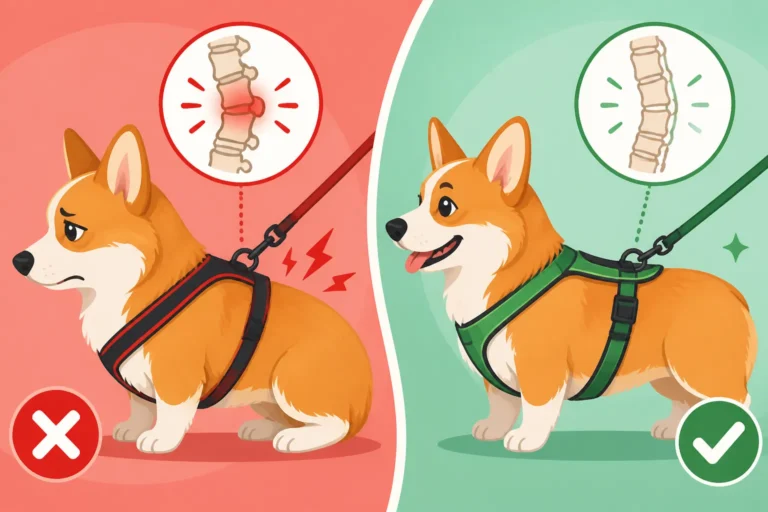
Crucially, focus on preparing your home for a long-backed, low-to-the-ground breed. Corgis are prone to back issues like Intervertebral Disc Disease (IVDD) due to their chondrodystrophic (dwarfism) genetics. Minimizing jumping is paramount. This means investing in ramps or steps for furniture like sofas and beds, and even using baby gates to restrict access to stairs if necessary. Understanding Ramps and Steps That Save a Corgi's Back is vital. Smooth, slippery floors can also be dangerous, so consider runners or rugs to provide traction and prevent slips and falls that could injure their spine. Think about crate training – a sturdy crate will be invaluable for house-training, safe travel, and even for rest if your Corgi ever needs to recover from an injury.
Gather all the necessary puppy supplies well in advance. This includes bowls, a comfortable bed, appropriate toys that can withstand Corgi chewing, and grooming tools specific to their thick coat. When it comes to food, research different options. While many Corgi owners rely on trusted brands from retailers like Chewy, some prefer fresh, pre-portioned meals from services like Ollie. Knowing your options beforehand allows you to make informed decisions about your puppy’s diet from day one.
Financial Planning for Corgi Ownership
Bringing a Corgi into your life is a significant financial commitment, far beyond the initial purchase price of the puppy. The long waiting period offers an excellent chance to build a robust financial plan for your new companion. It's often said that a Corgi comes with some specific bills, especially relating to their back. Consider articles like The Corgi Bills That Come With a Long Back and What a Corgi Costs a Year Before Any Back Trouble to get a realistic picture of the expenses involved.
Beyond food and routine vet visits, factor in costs for:
- Preventative Care: Vaccinations, deworming, flea and tick prevention.
- Grooming: Even if you plan to do much of it yourself, professional deshedding services can be beneficial a few times a year.
- Training: Puppy classes, obedience training, and possibly even advanced classes to channel their intelligence and herding instincts.
- Emergency Fund: Corgis, despite their robust appearance, can have unexpected health issues. Having a dedicated emergency fund for unforeseen accidents or sudden illnesses is crucial.
One of the most important financial decisions you can make is investing in pet insurance. Getting your Corgi insured as early as possible – ideally before any health issues arise – is paramount. Companies like Healthy Paws offer comprehensive plans that can provide immense peace of mind, especially considering the breed's predispositions. If you wait until an issue manifests, it will likely be considered a pre-existing condition and not covered. Learning about Insuring a Corgi Before Its First Back Episode can save you thousands of dollars down the line if your Corgi unfortunately develops disc problems. Budgeting and saving during your waiting period ensures you're ready for all aspects of Corgi ownership, not just the fun parts, making the journey much less stressful.
Alternative Paths to Corgi Ownership
While waiting two years for a specific puppy from a breeder is a testament to your patience and commitment, it's also worth exploring other avenues if your heart is set on a Corgi and you're open to different timelines or age ranges. Sometimes, the perfect Corgi companion is waiting for you in an unexpected place.
Exploring Breed-Specific Rescues
Corgi breed-specific rescues are an incredible resource and often have wonderful dogs looking for their forever homes. While young puppies are rare in rescue settings, adult Corgis, often between 2 and 8 years old, frequently become available. These dogs may be surrendered due to changes in family circumstances, owners underestimating the breed's energy or shedding, or sometimes even because they have specific health needs.
Adopting from a rescue offers numerous benefits. Many rescue Corgis come spayed or neutered, up-to-date on vaccinations, and are often already house-trained and past the challenging puppy phase. Rescues also perform thorough evaluations, so they can give you a clear picture of a dog's temperament, health history, and what kind of home environment would best suit them. They'll also likely have their own application and vetting process, similar to a reputable breeder, to ensure a good match. While you might still encounter a waiting list, it’s typically shorter than for a puppy, and the reward of giving a Corgi a second chance is immeasurable. Information on What Comes With a Corgi Adoption Fee or Adopting a Corgi With a Back History can provide insights into the costs and considerations involved. Don’t dismiss the idea of a rescue – many fantastic Corgis are simply looking for a loving couch to call their own.
Considering an Older Corgi or Retired Show Dog
Another often-overlooked option is to inquire with breeders about older Corgis. Breeders sometimes have retired breeding stock, older show dogs, or even young adults who, for various reasons, didn't quite fit into their breeding program or show plans. These dogs are typically between 2 and 5 years old and come with a wealth of advantages.
Firstly, their personality and temperament are fully developed, so you know exactly what kind of dog you're getting. They are usually well-socialized, house-trained, and have excellent manners. Their health history is fully known, and all genetic testing, including checks for carriers of conditions like How Many Corgis Carry the DM Mutation, would have been completed. This means fewer unknowns compared to a young puppy whose adult temperament and health predispositions are still developing. Bringing an older Corgi home can be a wonderfully rewarding experience. They often settle into new routines quickly and seamlessly, grateful for a loving home where they can enjoy their golden years or continue to thrive as cherished companions. It's a fantastic way to bypass the extensive puppy waiting lists while still acquiring a Corgi from a responsible, health-conscious breeder who has invested years into their well-being.
Disclaimer
This article is for general informational purposes only and does not constitute professional advice. Laws, prices and regulations vary by location and change over time. Consult a qualified professional for guidance on your specific situation.