Losing a Deposit on a Corgi Litter
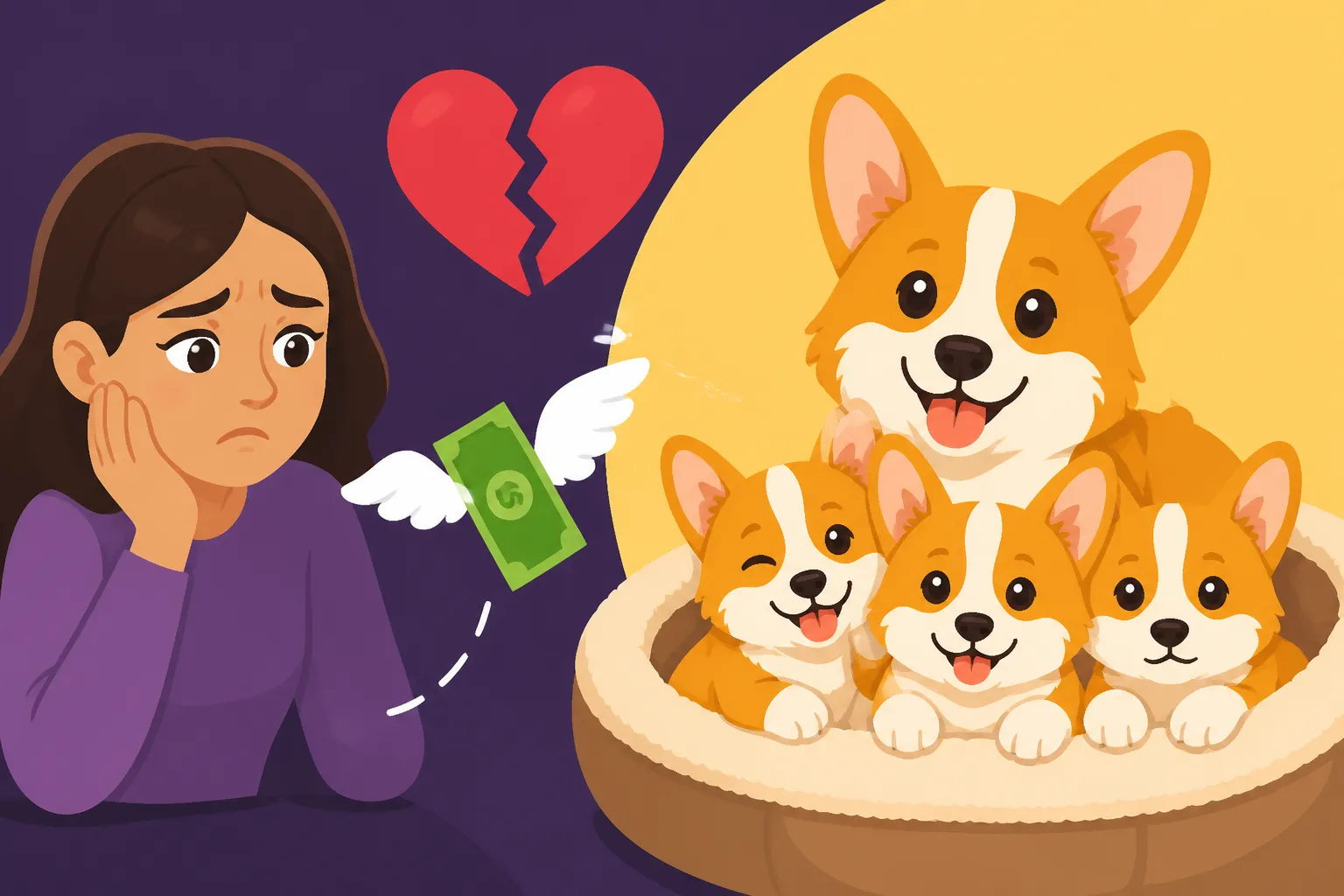
It's absolutely heartbreaking, isn't it? You've spent weeks, maybe even months, dreaming of that fluffy, low-riding Corgi puppy. You've picked out names, imagined playtime in the yard, and probably scrolled through countless adorable photos. Then, after sending a hard-earned deposit, something goes wrong, and suddenly that dream puppy feels miles away, and your money is gone. This guide is here to walk you through why this happens, how to protect yourself, and what steps you can take if you find yourself in the tough spot of losing a Corgi puppy deposit.
Understanding Corgi Puppy Deposits and Why They're Used
The process of getting a Corgi puppy from a reputable breeder often starts with a deposit, and for many hopeful owners, this is the first real financial commitment they make. It's a common practice, but understanding the rationale behind it can shed light on why disputes or losses sometimes occur.
The Purpose of a Puppy Deposit
Think of a puppy deposit as a handshake agreement, but with a financial stake. From a breeder's perspective, it's about securing a genuine commitment from a prospective owner. Raising a litter of Corgi puppies is a massive undertaking, demanding significant time, resources, and emotional investment. Breeders dedicate countless hours to health testing parent dogs – things like making sure they understand The DNA Tests a Corgi Breeder Should Run and screening for common issues like Corgi Eye Disease and PRA or Corgi Hips and Front-End Structure. They invest in quality food, vet care, early socialization, and often, extensive waiting lists management.
When a family places a deposit, it signals their serious intent to purchase a puppy from that specific litter. This commitment helps the breeder feel confident that they won't be left with unsold puppies if families suddenly change their minds. It also helps them manage their waiting list more effectively, ensuring that puppies go to vetted, dedicated homes. Without deposits, a breeder could have a dozen families express interest, only for most to drop out last minute, leaving them scrambling to find homes for their adorable, but rapidly growing, Corgi pups. It's a mutual investment of trust and expectation, meant to protect both parties involved in what is a significant decision.
Common Reasons Deposits Are Lost From Your Side
It's easy to point fingers when a deposit is lost, but sometimes, the reasons can originate from the prospective owner's side, even with the best intentions. Life happens, and circumstances can change unexpectedly. For instance, a family might experience a sudden job loss, a major relocation, or a new allergy diagnosis in the family that makes bringing a Corgi home unfeasible. In such cases, if the deposit agreement clearly states it's non-refundable if the buyer backs out, that money is typically forfeited.
Another common scenario involves failing to meet the breeder's specific requirements. Reputable Corgi breeders often have stringent application processes designed to ensure their puppies go to the best possible homes. This might include a detailed questionnaire about your living situation, work schedule, experience with dogs, and even a home visit or references. If, after placing a deposit, you discover you can't or won't meet these requirements – perhaps you can't provide the fenced yard they require, or your landlord suddenly changes their pet policy – the breeder might deem the placement unsuitable. If this occurs after considerable time and effort has been invested by the breeder in your application, your deposit could be retained to compensate for their time and the lost opportunity to place that puppy with another family on their list. Communication is key here; if your circumstances change, notify the breeder immediately to discuss options.
Reasons a Breeder Might Keep or Return Your Deposit
From the breeder's perspective, a deposit is typically kept if the buyer unilaterally decides not to proceed with the purchase, especially if the puppy is healthy and available as agreed upon. This compensates the breeder for the time spent on screening, communicating, and potentially turning away other suitable buyers for that specific puppy. They’ve invested time and effort in Waiting Lists at Reputable Corgi Breeders, and a sudden change of heart impacts their careful planning.
However, there are specific scenarios where a reputable breeder should and often will return a deposit. The most common is if the breeder is unable to provide a puppy as agreed. This could happen if the litter is smaller than expected and there aren't enough puppies to go around, or if a specific gender or color you requested isn't available. More critically, if the puppy develops a serious health issue before placement, or if tragically, a puppy does not survive, a responsible breeder will almost certainly return your deposit. It’s also important to remember that The Corgi Years When the Back End Gives Out or other health concerns can emerge even in young puppies. Good breeders will be transparent about these possibilities and their policies.
Sometimes, a breeder might offer to roll your deposit over to a future litter if circumstances prevent the current placement from happening through no fault of your own, like if your preferred puppy isn't available. This demonstrates good faith and a desire to work with you. The key differentiator here is usually whether the reason for the failed transaction stems from the breeder's inability to fulfill their end of the agreement, or the buyer's change of mind or inability to meet the terms. A clear, well-written contract is absolutely vital in defining these conditions, as we’ll discuss next.
Red Flags and Protecting Your Corgi Puppy Deposit
The excitement of bringing home a Corgi can sometimes blind us to warning signs. Protecting your deposit means being vigilant and doing your homework before any money changes hands. This isn't just about your finances; it's about ensuring you're supporting ethical breeding practices and getting a healthy, well-adjusted puppy.
Spotting Questionable Breeder Practices
One of the biggest red flags is a lack of transparency. A reputable Corgi breeder should be open and eager to share information about their dogs, their breeding program, and their facilities. They should gladly provide details about the parent dogs, including their health testing results (OFA clearances for hips and elbows, DNA tests for things like DM and vWD). If a breeder is vague, dismissive, or refuses to show you these crucial documents, that’s a huge warning sign. You should be especially wary if they can't clearly articulate What a Corgi Breeder Should Be Testing For.
Another major red flag is pushy sales tactics or an unusual rush to get your money. Ethical breeders typically have waiting lists and are not desperate for deposits. If someone is pressuring you to send money immediately without a thorough application process or without giving you time to ask questions, step back. Similarly, an unusually low price for a Corgi puppy can indicate corners are being cut on health, care, or breeding standards. Be very cautious if you see Why a Corgi Under a Thousand Should Worry You. Conversely, an exorbitant price without clear justification for superior lineage, extensive health guarantees, or unique circumstances should also raise an eyebrow.
Finally, an outright refusal to let you visit the premises (in person or via video call) or meet the parent dogs is a deal-breaker. While some breeders are cautious about visitors for biosecurity reasons, they should still offer a transparent alternative, such as extensive video tours or verifiable references. If you're being told you can't see where the puppies are raised or interact with the mother, this is a strong indication that you should not be sending any money, as you might be asking Whether a Corgi Should Be Bought Sight Unseen and risking more than just your deposit. Be very careful if you encounter Corgi Ads With Fake DM Certificates or other suspicious claims.
The Importance of a Clear Deposit Contract
A solid, legally binding contract is your best friend when placing a Corgi puppy deposit. It serves as a blueprint for the entire transaction, clearly outlining the responsibilities of both the buyer and the breeder. Never, ever send a deposit without a written agreement, and read every single word before signing. A good contract should explicitly state whether the deposit is refundable, partially refundable, or non-refundable, and under what specific conditions each applies.
For example, it should detail what happens if you change your mind, what happens if the breeder cannot provide a puppy, or what happens if the puppy has a health issue that wasn't apparent at the time of deposit. It should also include timelines for picking up the puppy, vaccination schedules, spay/neuter clauses, and any health guarantees. Don't be shy about asking questions if any part of the contract is unclear. If a breeder is unwilling to provide a contract, or their contract is vague and lacks crucial details, consider that a serious warning sign. Remember, a verbal agreement isn't worth the paper it's written on; always get it in writing. This legal document is what you’ll refer back to if any dispute arises.
| Feature | Reputable Breeder Deposit Practice | Questionable Breeder Deposit Practice |
|---|---|---|
| Contract | Provides a detailed, written contract outlining all terms: refundable/non-refundable conditions, health guarantees, timelines, buyer/seller responsibilities. Encourages review and questions. | May offer no written contract, a vague verbal agreement, or a very brief contract lacking crucial details. Discourages questions or rushes the signing process. |
| Transparency | Openly shares health testing results for parent dogs (OFA, DNA for DM, vWD), allows visits (in person or virtual), provides references, and discusses their breeding philosophy. | Vague about parent health, refuses to show test results, prevents visits to the facility or meeting parent dogs. May offer excuses like "puppies are too young" indefinitely. |
| Communication | Maintains regular, polite, and informative communication throughout the waiting period. Responds to inquiries promptly and professionally. | Communication is sparse, inconsistent, or evasive. May become unresponsive after receiving the deposit. |
| Pricing | Prices Corgi puppies fairly based on breeding costs, health testing, and quality of care. Can justify the price point. | Prices are either unusually low (indicating cut corners) or excessively high without clear justification. May use high-pressure tactics to secure the deposit quickly. |
| Commitment | Values buyer commitment through the deposit but prioritizes appropriate placement. Will return deposits if they cannot provide a healthy puppy as agreed. | Primarily focused on securing deposits, with less emphasis on vetting the prospective home or ensuring a suitable match. May be unwilling to return deposits under any circumstances, even when they fail to deliver. |
| Support | Offers ongoing support and advice for the puppy's lifetime. Often part of a larger Corgi community or breed club. | Disappears after the sale, offers no post-purchase support. |
Due Diligence Before Placing a Deposit
The golden rule of puppy buying is research, research, research. Before you even think about sending a deposit, you need to thoroughly vet the breeder. Start by searching for breeders through reputable sources like the Pembroke Welsh Corgi Club of America (PWCCA) or the Cardigan Welsh Corgi Club of America (CWCCA), or local breed clubs. These clubs often have breeder directories and codes of ethics that members must follow.
Once you have a list of potential breeders, dive deep into their reputation. Ask for references from previous puppy buyers and actually contact them. Look for testimonials online, but also be aware that reviews can sometimes be manipulated. Ask the breeder specific questions about their health testing protocols and how they approach issues like Degenerative Myelopathy and the Corgi or The Bleeding Disorder Pembrokes Carry. A responsible breeder will be happy to discuss these.
Try to visit the breeder's home or facility if geographically possible. This allows you to see the living conditions of the adult dogs and puppies, assess their temperament, and ensure they are raised in a clean, stimulating environment. If an in-person visit isn't feasible, ask for video calls, especially ones that show the dam and the puppies interacting naturally. Getting a sense of the puppies' earliest environment is crucial for their long-term development. Remember, you’re not just buying a puppy; you’re investing in a lifetime companion, and the initial steps with a breeder are foundational to that journey. Understanding What Comes With a Corgi Adoption Fee from a reputable source can help you set realistic expectations.
What to Do If You Lose Your Corgi Puppy Deposit
It's a tough situation, one filled with disappointment and often a sense of betrayal. But there are steps you can take to understand what happened and, potentially, to recover your funds.
Reviewing Your Contract and Communication
The very first thing you need to do is pull out that contract you signed and any communication you had with the breeder – emails, text messages, even social media DMs. Go over every detail, specifically looking for clauses related to deposits, refunds, and conditions under which the agreement can be terminated by either party. Did the breeder fail to provide a puppy as specified (e.g., wrong gender, wrong color, health issues)? Did you fail to meet a deadline or requirement outlined in the contract? Understanding these points is crucial because they form the basis of any potential claim you might have.
Sometimes, the contract might clearly state that the deposit is non-refundable if you change your mind, and if that's the case, unfortunately, you might be out of luck unless you can prove the breeder breached their part of the agreement. However, if the breeder made promises that weren't kept – perhaps they guaranteed The Papers a Corgi Puppy Should Come With but didn't deliver, or they didn't perform the health tests they claimed – then you have a stronger standing. Document everything. Save screenshots of conversations, copies of emails, and the signed contract. This paper trail will be invaluable if you need to escalate the situation.
Attempting Resolution and Seeking Advice
Once you've reviewed your documents, the next step is to initiate polite, but firm, communication with the breeder. Clearly state your understanding of the situation, refer back to the specific clauses in the contract, and ask for a resolution, which in this case would be the return of your deposit. Sometimes, a misunderstanding can be cleared up, or the breeder might be willing to compromise to maintain their reputation. Always keep communication professional and factual, avoiding emotional language.
If direct communication doesn't yield results, consider reaching out to the breed club (like the PWCCA or CWCCA) if the breeder is a member. Many breed clubs have ethical guidelines and may offer mediation services for disputes between members and the public. While they might not force a refund, they can sometimes facilitate a conversation or even take action against a member who violates their code of ethics. This kind of action can be quite impactful, as breeders value their standing within the community.
As a last resort, if the deposit amount is substantial, you might consider consulting a lawyer specializing in small claims. Small claims court is designed for individuals to resolve disputes without the need for extensive legal representation, and the process is generally less complex and costly than traditional litigation. However, weigh the amount of the deposit against the potential legal fees and time commitment. For a smaller deposit, the effort and expense of legal action might not be worth it. It’s a harsh truth, but sometimes the best lesson is an expensive one, teaching you to be even more cautious next time. Products from pet retailers like Chewy or premium food services like Ollie can be valuable, but they don't solve these kinds of fundamental contractual issues.
Moving Forward and Finding a Reputable Breeder
Losing a deposit can be a deeply frustrating experience, but it shouldn't deter you from finding the right Corgi. Instead, use it as a learning opportunity. You’re now more aware of the red flags and the importance of due diligence. When you restart your search, you’ll be much better equipped to identify a truly reputable breeder. Focus on finding breeders who prioritize the health and temperament of their dogs, who are transparent about their practices, and who provide comprehensive contracts.
Remember to ask specific questions about Whether a Corgi Puppy Should Be Screened for DM and other genetic conditions. Look for breeders who are enthusiastic about sharing information, encouraging visits (virtual or in-person), and asking you plenty of questions to ensure their puppy is going to a good home. They should be just as invested in you as you are in them.
Consider all your options, too. While many people seek out young puppies, adopting an older Corgi from a breed-specific rescue organization is another fantastic way to bring a Corgi into your life. These organizations often have a thorough vetting process and can tell you a lot about an older dog's personality and health history, often providing What Comes With a Corgi Adoption Fee that is much lower than a breeder. Regardless of where you find your next Corgi, you'll approach the process with a newfound wisdom and caution, ensuring a much smoother and happier journey to finding your perfect furry companion.
Disclaimer
Please remember that this article provides general information and guidance based on common practices in Corgi ownership and breeding. It is not a substitute for professional legal advice or specific veterinary consultations. Always consult with a qualified legal professional for contract disputes and a veterinarian for any health concerns regarding your Corgi. Individual circumstances vary, and specific advice tailored to your situation may be necessary.