Corgi Thyroid Problems
It’s a heart-sinking moment when you notice your once-lively Corgi starting to slow down, put on weight for no apparent reason, or develop a dull, sparse coat. You might attribute it to age or just a change in their usual sassy demeanor, but these subtle shifts can often point to a more serious, yet manageable, underlying health issue: thyroid problems. This guide will walk you through understanding, identifying, and effectively managing thyroid conditions in your beloved Corgi, helping you advocate for their best health.
Understanding Corgi Thyroid Problems
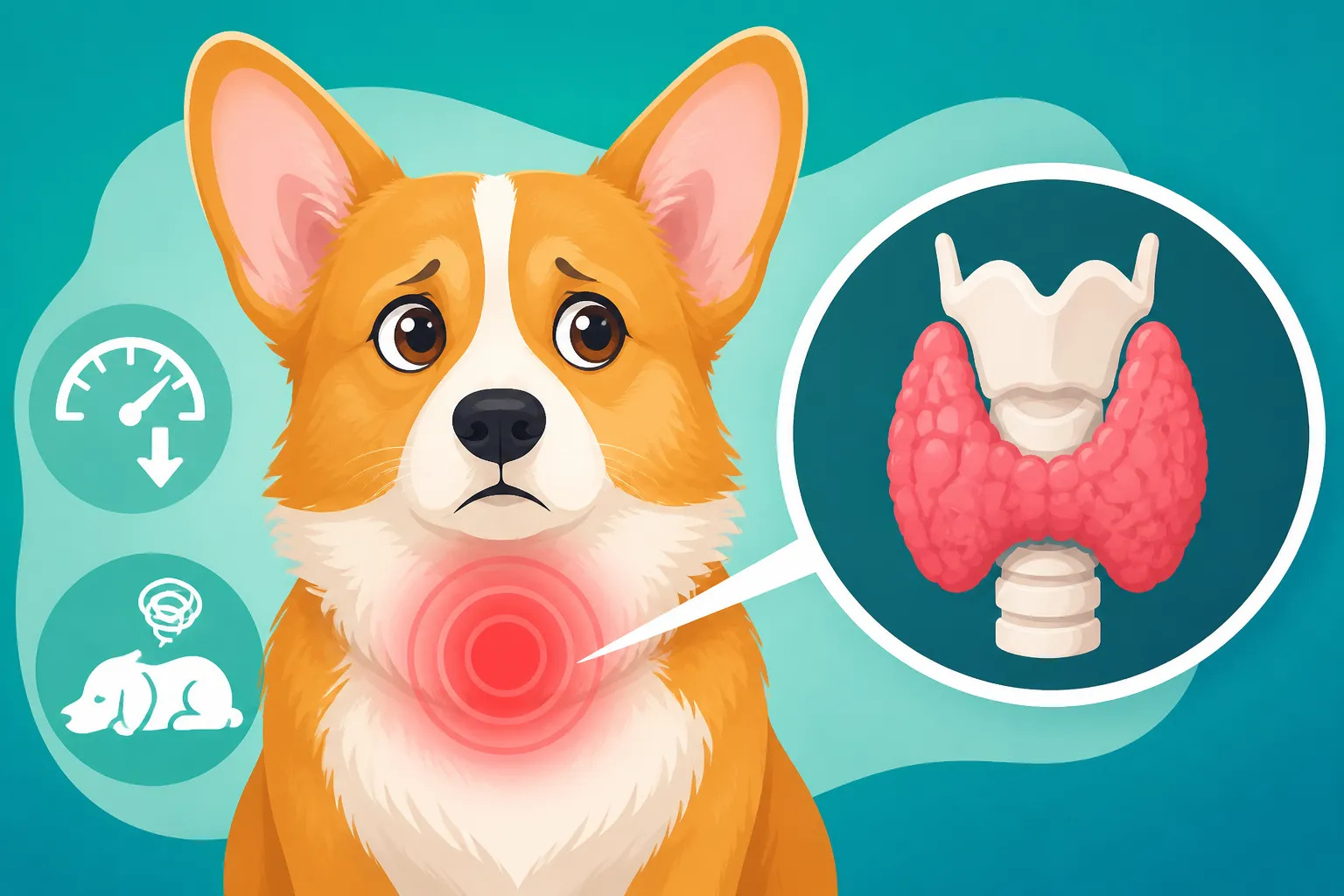
Thyroid problems in Corgis, particularly hypothyroidism, are more common than many owners realize. The thyroid gland, a small, butterfly-shaped organ located in your dog's neck, plays a massive role in regulating their metabolism. It produces hormones, primarily thyroxine (T4), which influence almost every bodily function, from energy levels to skin health and even heart rate. When this gland doesn't produce enough of these vital hormones, the entire system slows down, leading to the constellation of symptoms we often see.
What Hypothyroidism Means for Your Corgi
Hypothyroidism essentially means your Corgi's body is running in slow motion. Think of it like a car trying to drive with a half-empty fuel tank – everything is sluggish and less efficient. This condition is most frequently seen in middle-aged to older dogs, typically between four and ten years old, though it can sometimes appear earlier. While not exclusive to Corgis, certain breeds, including ours, are genetically predisposed, meaning it's something we always need to be mindful of as they age. It's often an immune-mediated disease, where the dog's own immune system mistakenly attacks and destroys the thyroid gland.
The impact can be broad and sometimes confusing because the signs aren't always glaring. You might just notice your Corgi seems a bit "off." Perhaps they're less enthusiastic about their morning walk or seem to nap more than usual. This overall sluggishness, combined with other subtle physical changes, is often the first clue. It’s important not to dismiss these changes as merely part of getting older, as prompt diagnosis can significantly improve their quality of life.
Why Corgis Can Be Prone to Thyroid Issues
While thyroid disease can affect any dog, purebreds, including Corgis, often show a higher incidence. The genetic component is still being researched, but it’s understood that certain immune system tendencies within specific breed lines can make them more susceptible to autoimmune thyroiditis, which is the most common cause of hypothyroidism in dogs. This is why a good breeder will often have a history of healthy dogs in their lines and sometimes even provide information on parental health screenings.
The good news is that even if your Corgi develops hypothyroidism, it's highly manageable with appropriate veterinary care. The key is recognizing the signs early and working closely with your veterinarian. This proactive approach can prevent more severe symptoms and complications from developing down the line, ensuring your Corgi continues to enjoy their The Twelve to Fifteen Year Corgi Lifespan.
Spotting the Signs and Getting a Diagnosis
Recognizing the subtle, often insidious, signs of hypothyroidism in a Corgi can be challenging because many symptoms mimic general aging or other common ailments. You know your Corgi best, so paying close attention to changes in their energy, appearance, and behavior is paramount. These changes don't usually appear overnight; rather, they tend to creep up slowly, making them easy to overlook at first glance.
Common Symptoms to Watch For
The symptoms of hypothyroidism in Corgis are diverse, affecting multiple body systems due to the thyroid's central role in metabolism. One of the most common complaints is lethargy or decreased activity. Your Corgi might become less interested in play, tire easily on walks, or simply seem to prefer lying around more. This can easily be mistaken for normal aging, especially if your Corgi is already When a Corgi Starts Being Treated as Old. Another tell-tale sign is weight gain, despite no changes in diet or exercise. This weight gain isn't just cosmetic; it places extra strain on their joints and back, potentially contributing to Joint Damage From Corgi Weight Gain.
Beyond these, look out for changes in their coat and skin. You might notice hair loss, particularly on the flanks, tail ("rat tail"), or the bridge of the nose, often without itching. The remaining fur might become dry, brittle, or dull, and their skin can become flaky, thickened, or prone to recurrent infections. Owners sometimes notice that Why a Corgi Coat Crackles in Dry Weather or that Whether a Corgi Shedding Slows With Age in an unusual, patchy way. Some Corgis might also show signs of cold intolerance, seeking out warm spots more often. Less common, but possible, symptoms include a slow heart rate, neurological issues, or even reproductive problems.
The Diagnostic Process
If you suspect your Corgi might have a thyroid issue, the first step is always a thorough veterinary examination. Your vet will perform a physical exam and discuss all the changes you've observed. The definitive diagnosis of hypothyroidism requires specific blood tests. Typically, these include:
- Total T4 (TT4): This measures the total amount of thyroxine hormone in the blood. A low TT4 is a strong indicator but can be influenced by other illnesses or medications ("sick euthyroid syndrome"), so it's rarely used alone for a definitive diagnosis.
- Free T4 by equilibrium dialysis (fT4ED): This measures the unbound, biologically active form of T4. It's less affected by non-thyroidal illnesses and medications, making it a more reliable indicator.
- Canine Thyroid Stimulating Hormone (cTSH): Produced by the pituitary gland, TSH signals the thyroid to produce more T4. In hypothyroid dogs, the pituitary works overtime, so TSH levels are often high. However, some hypothyroid dogs can have TSH within the normal range, so it's interpreted alongside T4 levels.
- Thyroid Autoantibodies (TgAA): These tests can detect antibodies that attack the thyroid gland, indicating an autoimmune cause.
A full thyroid panel, often including all these tests, provides the most comprehensive picture. It’s essential to avoid just running a single T4 test, as false positives can occur. Your vet may also recommend a general Blood Panels for a Corgi Over Ten to rule out other potential health issues, as many conditions can present with similar symptoms.
Here's a quick reference table for common hypothyroid symptoms in Corgis:
| Symptom Category | Specific Signs | Potential Impact on Corgi |
|---|---|---|
| Energy & Behavior | Lethargy, increased sleeping | Reduced play, less enthusiasm for walks |
| Mental dullness, poor memory | Slower to learn, seem "spaced out" | |
| Weight & Metabolism | Unexplained weight gain | Strain on joints, increased risk of obesity |
| Cold intolerance, seeking warmth | Shivering, reluctance to go outside in cool weather | |
| Coat & Skin | Dry, brittle, dull coat | Reduced coat luster, increased shedding |
| Hair loss (flanks, tail, nose) | Patchy baldness, "rat tail" appearance | |
| Dry, flaky skin; recurrent infections | Itchiness, discomfort, odor | |
| Other | Slow heart rate | Can impact overall cardiovascular health |
| Changes in appetite | Can be increased or decreased |
Challenges in Diagnosis
Sometimes, diagnosing hypothyroidism can be tricky. As mentioned, other illnesses, medications (like steroids), or even stress can temporarily lower T4 levels, leading to a "sick euthyroid" state where the dog isn't truly hypothyroid. This is why your veterinarian will consider the full clinical picture, including your Corgi's history and other bloodwork results, rather than just relying on one test value. They might also suggest retesting after a period or if your Corgi is on any medications that could interfere. Always be transparent with your vet about any supplements or medications your Corgi is currently taking.
Managing and Treating Corgi Thyroid Disease
Once a definitive diagnosis of hypothyroidism is made, the good news is that it’s a highly treatable and manageable condition. The goal of treatment is to supplement the hormones your Corgi's thyroid gland is no longer producing sufficiently, bringing their metabolism back to a healthy balance. This will be a lifelong commitment, but one that dramatically improves your Corgi's quality of life.
The Role of Medication
The primary treatment for hypothyroidism in dogs is daily oral administration of a synthetic thyroid hormone called levothyroxine (L-thyroxine). This medication effectively replaces the natural hormone your Corgi is lacking. It’s given as a pill, typically once or twice a day, and the dosage is tailored specifically to your Corgi's weight and the severity of their condition. Consistency is key with this medication; try to administer it at the same time each day, usually on an empty stomach to ensure optimal absorption. If you're someone who often forgets medications, setting an alarm on your phone can be a simple, effective reminder.
Within a few weeks to a couple of months of starting treatment, you should begin to notice significant improvements. Owners often report their Corgi regaining their energy, becoming more alert, and shedding excessive weight. Skin and coat issues take a bit longer to resolve, as hair growth cycles are slower, but you should see new hair growth and improved coat quality within a few months. It's a truly rewarding experience to see your beloved companion bounce back and regain their zest for life.
Monitoring and Dosage Adjustments
Starting levothyroxine isn't a "set it and forget it" situation. Your veterinarian will need to monitor your Corgi closely, especially in the initial stages of treatment. Typically, a follow-up blood test will be scheduled about 4-8 weeks after starting the medication, or after any dosage change. This test measures the T4 levels in your Corgi's blood several hours after they've taken their pill (your vet will advise on the precise timing, often 4-6 hours post-pill) to ensure the medication is being absorbed correctly and the dose is appropriate.
The goal is to find the lowest effective dose that keeps your Corgi's thyroid hormone levels within the normal range and resolves their symptoms. It’s a bit of a balancing act, as too much hormone can lead to hyperthyroidism (though rare with careful monitoring), and too little won't resolve the symptoms. Once a stable dose is achieved, monitoring usually transitions to once or twice a year, often coinciding with their annual The Vet Visits a Corgi Puppy Needs First check-up. This ongoing vigilance ensures your Corgi continues to thrive. Pet insurance providers like Healthy Paws can be a real lifeline here, as they often cover the costs of these routine blood panels and the ongoing medication, easing the financial burden of a lifelong condition.
Living with a Corgi with Thyroid Disease
Receiving a diagnosis of hypothyroidism for your Corgi might feel daunting, but with proper management, it's a condition they can live a full, happy life with. It does require commitment, consistency, and a partnership with your veterinary team, but the payoff of seeing your Corgi thrive is immense. Think of it as simply another part of their routine, like meal times or walks.
Long-Term Care and Lifestyle Adjustments
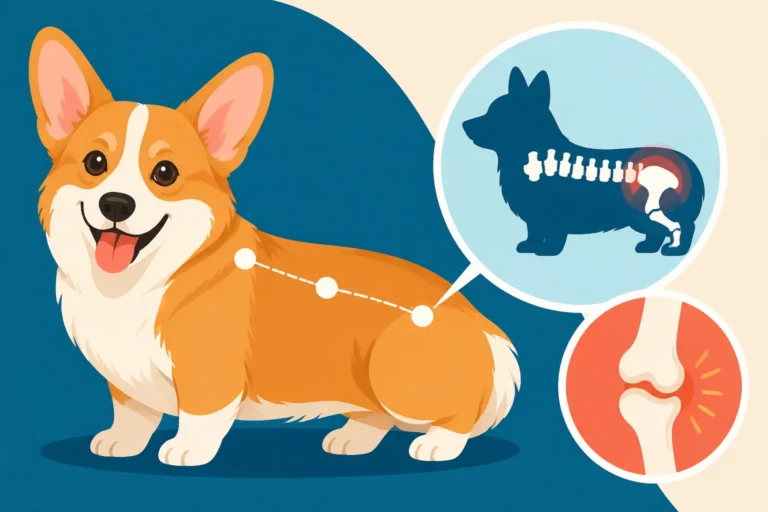
The most critical aspect of long-term care is medication adherence. Missing doses can lead to a return of symptoms and instability in their hormone levels. Set up a routine that works for you and your Corgi. Beyond medication, focusing on a healthy lifestyle is crucial. If your Corgi gained weight due to hypothyroidism, working with your vet on a controlled diet plan is essential to help them reach and maintain What an Ideal Corgi Weighs. This is not just about aesthetics; maintaining an ideal body condition significantly reduces strain on their joints and spine, which Corgis are already prone to issues with.
Regular, appropriate exercise tailored to your Corgi's energy levels is also vital. While hypothyroidism can cause lethargy, once on medication, their energy should return, making physical activity more enjoyable and beneficial. Ensure they have access to comfortable bedding and a warm environment, especially if they are still prone to cold intolerance. Regular grooming can also help monitor the health of their skin and coat, allowing you to catch any new issues early.
Potential Complications and Prognosis
If left untreated, hypothyroidism can lead to a range of complications that severely impact your Corgi’s health. These can include:
- Severe weight gain and obesity: Leading to other health problems like diabetes and increased stress on joints. You can learn more about How Obesity Shortens a Corgi Life.
- Cardiovascular issues: Slowed heart rate can strain the heart over time.
- Skin and coat problems: Chronic infections, severe hair loss, and discomfort.
- Neurological symptoms: Though rare, in severe cases, seizures, balance issues, or even a coma (myxedema coma) can occur.
- Weakened immune system: Making your Corgi more susceptible to other illnesses.
The good news is that with consistent treatment, the prognosis for Corgis with hypothyroidism is excellent. Most dogs lead completely normal lives, with symptoms resolving fully once their hormone levels are stabilized. It's a lifelong condition, meaning they will always need the medication, but it's not a death sentence. Regular check-ups, like a comprehensive Screening an Older Corgi's Spine and yearly blood tests, are vital to ensure the medication dosage remains correct and to monitor for any other age-related changes, like A Corgi Drinking and Urinating More With Age which could signal other conditions. Having pet insurance, such as a plan from Healthy Paws, can certainly help manage the ongoing costs of medication and veterinary visits for a chronic condition like this, giving you peace of mind.
Remember, you are your Corgi’s best advocate. By understanding the signs, getting a timely diagnosis, and committing to their treatment plan, you can ensure your Corgi continues to enjoy a vibrant and fulfilling life, full of their signature Corgi sass.
Disclaimer
This article is intended for informational purposes only and does not constitute veterinary advice. Always consult with a qualified veterinarian for any health concerns or before making any decisions about your Corgi's care. Individual situations may vary, and a professional medical opinion is essential.