A Lump on a Corgi Puppy’s Belly
Discovering an unexpected lump on your adorable Corgi puppy's belly can instantly send a wave of panic through any new owner, sparking immediate fears about serious health issues. It's a completely natural reaction to feel worried when something seems out of place on your precious, wiggly companion. This comprehensive guide is here to walk you through the most common reasons a Corgi puppy might develop a belly lump, distinguishing between benign issues, normal anatomical features, and more serious concerns, equipping you with the knowledge to act calmly and decisively.
Navigating the Unexpected: Common Causes of Lumps on a Corgi Puppy's Belly
Finding a lump on your Corgi puppy can be incredibly alarming, but it's important to remember that not all lumps signal a dire situation. Puppies, just like human babies, can develop a variety of bumps and bulges that range from completely harmless to those needing urgent veterinary attention. Understanding the common culprits can help ease your mind, even as you prepare to consult with your veterinarian.
Umbilical Hernias: Often Seen, Usually Harmless
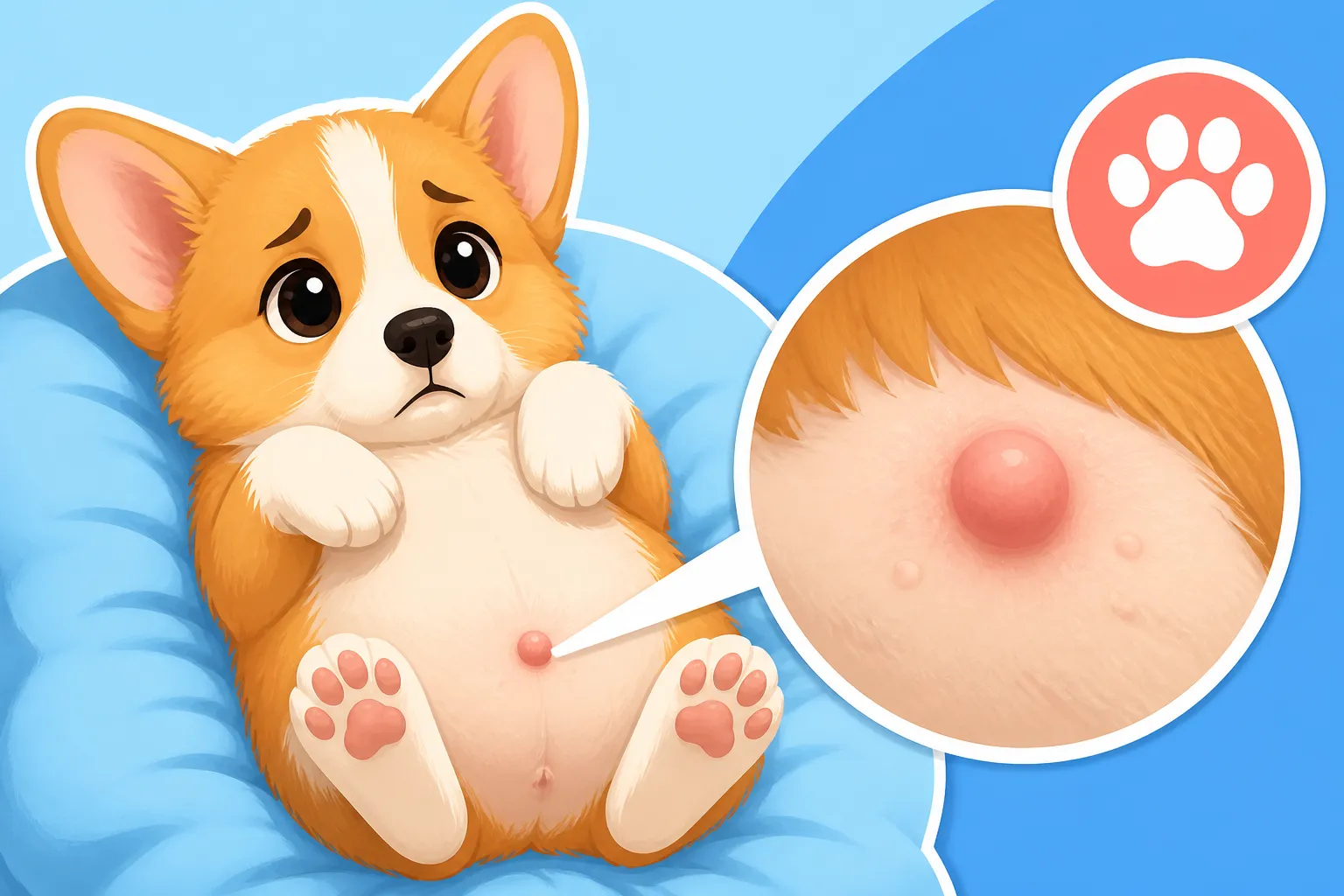
One of the most frequent reasons for a lump on a Corgi puppy's belly is an umbilical hernia. This isn't some strange, rare condition; it's quite common across many breeds, including our beloved Corgis. An umbilical hernia occurs when the opening in the abdominal muscle wall, which allowed the umbilical cord to pass through before birth, doesn't fully close after the cord is gone. Instead of tightening up completely, a small gap remains. Through this gap, a small amount of fat or, less commonly, a tiny piece of intestine can protrude, creating a soft, often dome-shaped bulge directly on the belly button area.
You might notice this lump when your Corgi puppy is standing, stretching, or even just after a hearty meal. It often feels soft and squishy, and you can usually gently push it back into the abdomen with a little pressure – this is what veterinarians refer to as "reducible." Given Corgis' naturally robust and active nature, combined with their low-slung bodies, these hernias can sometimes appear more prominent as they move and play.
For many Corgi puppies, an umbilical hernia is benign and causes no pain or discomfort. Small ones frequently close on their own as the puppy grows and its abdominal muscles strengthen, often by the time they are four to six months old. Your vet might suggest a "wait and see" approach for these smaller, uncomplicated hernias. However, if the hernia is larger, or if it feels hard, warm, or your puppy seems painful when you touch it, it could indicate a more serious issue like a piece of intestine becoming trapped (strangulated), which is a medical emergency. In such cases, or if the hernia is simply too large to close naturally, your veterinarian might recommend surgical repair, often done concurrently with spaying or neutering when the puppy is already under anesthesia. This reduces the risk of future complications and ensures your Corgi's long-term health.
Puppy "Bumps" and Natural Anatomy
Sometimes, what feels like a lump might just be a normal part of your Corgi puppy's anatomy or a temporary reaction to something perfectly routine. It's easy for a new owner to mistake these for something concerning.
For instance, after a round of vaccinations or microchipping, it's not uncommon for puppies to develop a small, firm nodule at the injection site. This is typically just a localized inflammatory response, a tiny bit of swelling as the body reacts to the vaccine or the chip. These bumps are usually not painful, tend to be quite firm, and gradually disappear over a few days to a couple of weeks. When you bring your Corgi puppy in for The Vet Visits a Corgi Puppy Needs First, your veterinarian will likely warn you about this possibility. If you notice a bump right after a shot, it's usually nothing to fret about, but always good to mention it to your vet during your next appointment or give them a call if you're particularly worried. Similarly, some puppies might experience a more noticeable reaction, as discussed in A Corgi Puppy That Reacts to Its Shots, which can sometimes manifest as a small, temporary lump or swelling.
Another common "lump" confusion can arise from your puppy's own developing body. Puppy nipples can be tiny and easily mistaken for small bumps, especially if you haven't had much experience with very young dogs. Similarly, some puppies, particularly if they're a little on the plump side (and let's face it, Corgis are experts at looking round!), might have small, soft fat pads that can feel like distinct lumps under the skin. As your Corgi puppy grows and develops, and hopefully maintains Keeping a Growing Corgi Puppy on the Thin Side, these fat pads may become less noticeable.
Finally, don't rule out insect bites or stings. A curious Corgi puppy, sniffing around in the grass or exploring the backyard, can easily encounter a bee, wasp, or spider. The resulting bite can cause localized swelling and a firm, itchy bump on their belly or anywhere else. If you suspect a bite, look for a small puncture mark or redness. While most bites are minor, keep an eye out for signs of an allergic reaction, such as excessive swelling, hives, or difficulty breathing, which would require immediate veterinary care.
When to Worry: More Serious Concerns for Corgi Puppy Belly Lumps
While many lumps are benign, it's crucial to acknowledge that some can indicate more serious health issues. This isn't to scare you, but to empower you with the knowledge to recognize when immediate veterinary attention is necessary. Early detection and diagnosis are always key to the best possible outcomes for your Corgi.
Abscesses, Cysts, and Skin Tags
Not every lump is an umbilical hernia or a vaccine reaction. Other types of growths can appear, some requiring more direct intervention.
An abscess is a pocket of pus that forms under the skin, usually as a result of a bacterial infection. This can happen if your Corgi puppy gets a small puncture wound from a sharp stick, a thorn, or even a bite from another animal during play. Abscesses typically feel firm, are often warm to the touch, and can be quite painful for your puppy. You might notice your Corgi puppy licking or guarding the area, or even running a slight fever. If left untreated, an abscess can grow, potentially rupture, and spread infection. These definitely require a vet visit, where the abscess might be lanced, drained, and antibiotics prescribed.
Cysts are another possibility. These are sacs filled with fluid, semi-solid material, or even air. They can be sebaceous cysts (blocked oil glands), follicular cysts, or other types. Cysts can be soft or firm, vary in size, and generally grow slowly. While most cysts are benign and don't cause problems unless they rupture or become infected, it's always best to have your vet confirm their nature. They might decide to monitor it, or if it's large, in an inconvenient spot, or bothersome to the puppy, they might suggest surgical removal.
Skin tags and warts are typically benign skin growths. Skin tags are small, soft pieces of skin that hang off the body, usually harmless. Warts, often caused by the papillomavirus in puppies, can appear as small, cauliflower-like growths. While usually not urgent, they should be pointed out to your vet, especially if they are growing rapidly, changing in appearance, or causing irritation. These are generally a cosmetic concern or may resolve on their own, but a vet can differentiate them from more concerning growths.
Tumors and Other Internal Growths
While thankfully rare in young puppies, the possibility of more serious growths, including tumors, cannot be entirely dismissed. This is why a professional diagnosis is so vital.
Lipomas are fatty tumors, which are generally benign. They feel soft and somewhat movable under the skin, almost like a collection of fat cells. While more common in older, overweight dogs, they can occasionally appear in younger animals. Your vet can often make an educated guess based on feel, but a fine needle aspirate (FNA) can confirm it by examining the cells.
More concerning, though extremely rare in Corgi puppies, are other types of cancerous tumors. These can vary widely in appearance and feel, from firm and fixed to soft and movable. The only way to definitively diagnose a cancerous growth is through biopsy and histopathology. It's important not to jump to the worst conclusion, but to remain vigilant and seek prompt veterinary care for any persistent or changing lump.
Another internal growth to be aware of, though less common on the belly surface itself, could be a hematoma. This is essentially a deep bruise, a collection of blood under the skin, usually caused by trauma. It might feel spongy or firm and could be discolored. While usually resolving on its own, large or painful hematomas should be checked by a vet.
Lastly, revisiting hernias, an inguinal hernia is another type of hernia that appears in the groin area, sometimes extending onto the lower belly. These are generally considered more serious than umbilical hernias because a larger portion of intestine or even organs can protrude, leading to a higher risk of strangulation. An inguinal hernia might appear as a soft bulge in the inner thigh or lower abdominal region. If you find a lump in this area, especially if it's firm or your puppy shows signs of discomfort, it warrants immediate veterinary attention.
| Type of Lump | Typical Appearance/Feel | Pain Level | Urgency | Common Treatment |
|---|---|---|---|---|
| Umbilical Hernia | Soft, reducible bulge at belly button; often no pain. | Low/None | Low/Moderate | Monitor; surgical repair (often with spay/neuter) for larger ones. |
| Vaccine Reaction | Small, firm nodule at injection site. | Low | Low | Resolves on its own; cold compress if uncomfortable. |
| Abscess | Firm, warm, painful swelling; may be red/inflamed. | Moderate/High | High | Drainage, antibiotics; sometimes surgical removal. |
| Cyst | Soft to firm sac, fluid-filled; usually non-painful. | Low/None | Low/Moderate | Monitor; surgical removal if large, ruptures, or infected. |
| Lipoma (Fatty Tumor) | Soft, movable, non-painful lump under skin. | Low/None | Low | Monitor; surgical removal if very large or interferes with movement. |
| Inguinal Hernia | Soft bulge in groin/lower belly; can be painful if trapped. | Moderate/High | High | Surgical repair to prevent strangulation of tissue. |
Preparing for the Vet Visit: What Your Corgi Puppy Needs
When you find a lump on your Corgi puppy, the first and most crucial step is to schedule an appointment with your veterinarian. Even if you suspect it's something minor, only a trained professional can provide an accurate diagnosis and guide you on the best course of action. Being prepared for this visit can make the process smoother and ensure your vet has all the necessary information.
What Information to Gather Before Your Appointment
Before you head to the vet, take a moment to observe the lump and your puppy, jotting down a few notes. This information will be invaluable to your vet:
- When did you first notice the lump? Was it sudden, or has it been there for a while and you're just now seeing it?
- Has it changed? Has the lump grown in size, changed shape, or become harder/softer since you first saw it? Note any changes in color or texture of the skin overlying the lump.
- Is it painful? Does your Corgi puppy react when you touch the lump? Do they flinch, whine, or try to pull away?
- Any other symptoms? Has your puppy been acting differently? Look for changes in appetite, energy levels, drinking habits, bathroom frequency, or any signs of discomfort. For instance, if they're usually boisterous but now reluctant to play, that's a key piece of information.
- Recent events: Has your puppy had any recent injuries, falls, or injections? If you recall A Corgi Puppy That Reacts to Its Shots, a vaccine reaction might be expected.
- Pictures: If the lump is intermittent or changes, taking a few photos on your phone can be helpful.
It's tempting to panic, but try to remain calm and systematic. Remember that getting things checked early is always the best approach, particularly for Corgis who, even if not directly related to a belly lump, can have specific health considerations due to their unique build. Proactive care is vital from the moment you bring your Corgi home, covering everything from routine vet visits to considering Whether a Corgi Puppy Should Be Screened for DM and other genetic conditions.
Diagnostic Steps Your Veterinarian May Take
Once you're at the clinic, your veterinarian will start with a thorough physical examination. They will carefully feel the lump, noting its size, shape, consistency (soft, firm, fluid-filled), mobility (whether it moves freely under the skin or is fixed), and whether it causes any pain.
Depending on their initial findings, they may recommend several diagnostic tests:
- Fine Needle Aspirate (FNA): This is a very common and minimally invasive first step. The vet will use a small, sterile needle, similar to those used for vaccinations, to collect a few cells from the lump. These cells are then placed on a slide and examined under a microscope. An FNA can often differentiate between a fatty tumor (lipoma), a cyst, an infection (abscess), or sometimes even certain types of benign or malignant cells. This procedure is usually quick and often done without sedation, though some puppies might need a little distraction or a very gentle handler.
- Ultrasound or X-rays: If the lump feels like it's deeper within the abdominal wall or if the vet suspects an internal issue, imaging may be recommended. An ultrasound can provide detailed images of soft tissues, helping to determine if the lump is solid, fluid-filled, or connected to an internal organ. X-rays can be useful for looking at bone or for general abdominal assessment.
- Biopsy or Surgical Removal: If the FNA is inconclusive, or if there's suspicion of a more serious issue, your vet might recommend a surgical biopsy (removing a small piece of the lump for laboratory analysis) or even complete surgical removal of the lump. This allows a pathologist to examine the tissue more thoroughly and provide a definitive diagnosis.
These diagnostic steps are crucial for understanding exactly what kind of lump your Corgi puppy has. While the thought of tests can be daunting, they are the best way to ensure proper treatment.
Understanding Potential Treatment Paths and Costs
Once a diagnosis is made, your veterinarian will discuss the appropriate treatment plan for your Corgi puppy.
- Conservative Management: For benign lumps like small umbilical hernias that are expected to close, or minor vaccine reactions, the recommendation might simply be to monitor the lump over time. Your vet will advise you on what signs to watch for that might indicate a change in the lump's nature.
- Medication: If the lump is an abscess or an infected cyst, antibiotics will be prescribed, often alongside draining the abscess. Anti-inflammatory medications might also be given to reduce swelling and pain.
- Surgical Removal: For larger umbilical hernias, inguinal hernias, persistent or irritating cysts, or any suspicious growth that could be a tumor, surgical removal is typically the recommended course. This ensures that the problem is fully resolved and prevents potential complications. If surgery is needed, your Corgi puppy might require Six Weeks of Crate Rest With a Corgi or similar confinement during recovery, depending on the procedure.
The costs associated with diagnosing and treating a belly lump can vary widely. A simple vet visit and FNA might be relatively inexpensive, but advanced imaging like an ultrasound or x-rays, and especially surgery, can quickly add up. For example, What a Corgi Spinal MRI Costs illustrates how expensive specialized diagnostics can be, even for different conditions, highlighting the general cost of advanced care. This is where preparing for potential veterinary expenses, starting from when your Corgi is a puppy, becomes incredibly important. You might be interested in understanding The First Twelve Months of Corgi Spending to get a clearer picture of typical costs.
This is also precisely why many Corgi owners turn to pet insurance. Providers like Healthy Paws can offer a lifeline when unexpected health issues arise. By enrolling your Corgi puppy in a plan, ideally from the moment you bring them home, you can significantly mitigate the financial stress of emergency care or surgical procedures. Policies from companies like Healthy Paws often cover accidents and illnesses, including the diagnostics and treatments for many types of lumps. Thinking about Covering a Corgi From the Day It Comes Home is a smart long-term strategy, ensuring you can make medical decisions based on what's best for your puppy, not just your wallet. While the initial investment in a quality Corgi from Corgi Puppy Prices From a Tested Breeder or What Comes With a Corgi Adoption Fee already reflects a commitment to their well-being, unexpected vet bills can still surprise you. Healthy Paws and similar insurers can provide peace of mind, allowing you to focus on your Corgi's recovery rather than the bill.
Ultimately, while the financial aspect can be daunting, a healthy Corgi puppy is priceless. Addressing any lump promptly and following your veterinarian's advice is the best way to ensure your furry friend has a long, happy, and healthy life.
Disclaimer
This article is for general informational purposes only and does not constitute professional advice. Laws, prices and regulations vary by location and change over time. Consult a qualified professional for guidance on your specific situation.