A Corgi That Scuffs Its Back Nails
Finding your beloved Corgi scuffing their back nails can be incredibly alarming. One minute they're trotting along, looking as adorable and confident as ever, and the next you notice those tell-tale worn-down spots on the top of their back claws, or maybe even on their paw pads. This isn't just a cosmetic issue; it's often a sign that something deeper is going on with their coordination or comfort. This guide is here to walk you through the various reasons why your Corgi might be dragging their hind feet and, most importantly, what steps you can take to help them.
Understanding Why Your Corgi Scuffs Its Back Nails
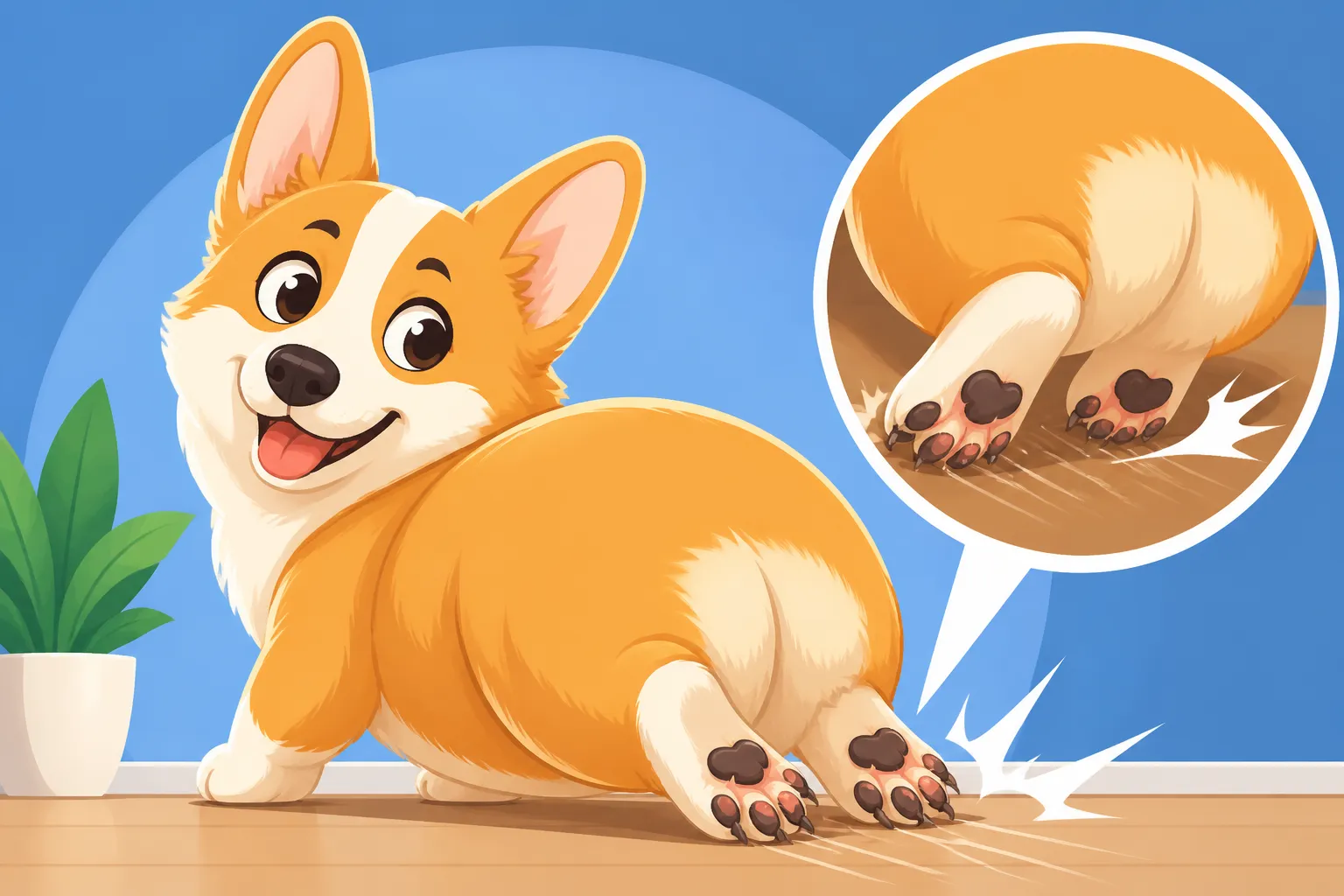
When a Corgi scuffs its back nails, it means their hind feet aren't lifting adequately off the ground during walking, causing the top of their nails or knuckles to drag. This isn't a behavior they choose; it's usually a physical manifestation of a problem. It’s natural to feel a pang of worry when you first notice it, and it's important to approach this symptom with both careful observation and veterinary consultation.
The Mechanics of Scuffing
Imagine walking normally – your foot lifts, swings forward, and then lands. This complex motion, called gait, requires precise coordination between muscles, nerves, and joints. In Corgis, with their distinctively long backs and short legs, this gait can sometimes be a bit different, but efficient lift is still paramount. When scuffing occurs, it generally points to an interruption in this sequence. Their brain might not be getting clear signals from their paws about their position in space (a concept known as proprioception), or their muscles might not be strong enough to lift their feet, or there might be pain preventing a full range of motion. The result is a failure to clear the ground, leading to that tell-tale drag and wear on the nails. Sometimes it's subtle, just a slight scraping sound on concrete, other times it's more pronounced, causing visible damage to the nails and even the top of the paw.
Common, Benign Reasons for Occasional Scuffing
Before jumping to the most serious conclusions, it’s worth considering some of the less concerning possibilities, especially if the scuffing is infrequent or very mild.
- Overly Long Nails: This is perhaps the simplest and most common culprit. If your Corgi's nails are too long, they can catch on the ground more easily, leading to a slight drag even if their gait is otherwise fine. The solution here is straightforward: regular, proper nail trims. You should aim for their nails to just clear the ground when they’re standing. If you can hear them clicking on the floor, they’re too long.
- Slippery Floors: Corgis, especially older ones or those with less robust hindquarters, can struggle for traction on slick surfaces like hardwood, tile, or laminate. They might inadvertently drag their feet or struggle to lift them fully because they're trying to maintain balance. Laying down rugs or runners can make a huge difference in these cases, providing much-needed grip.
- Temporary Awkwardness: Occasionally, a Corgi might just stumble or misstep, particularly if they're distracted or navigating uneven terrain. If you only notice isolated incidents of scuffing and it doesn't become a pattern, it might simply be a momentary lapse. However, if these "awkward moments" increase in frequency, it's time to pay closer attention.
- Fatigue: Just like us, Corgis can get tired. At the end of a long walk or a vigorous play session, their muscles might be a bit more fatigued, leading to less efficient leg lift and some temporary dragging. Again, observe if this is consistent or only happens after intense activity.
When to Be Concerned
While the reasons above are often easily remedied, it’s crucial to understand that persistent or worsening hind leg scuffing in a Corgi often signals an underlying health issue. Given their breed-specific predispositions, it’s not something to ignore. If you notice it regularly, if it seems to be getting worse, or if it’s accompanied by other changes in their walking, energy, or demeanor, it's definitely time to schedule a visit with your veterinarian. Early detection and intervention can make a world of difference for many of the conditions that cause this symptom.
Potential Health Concerns Behind Hind Leg Scuffing
Unfortunately, many of the more persistent reasons for a Corgi to scuff their back nails point to conditions that affect their nervous system or musculoskeletal structure. Being aware of these possibilities can help you provide your vet with valuable observations, leading to a quicker and more accurate diagnosis.
Neurological Issues
The nervous system is like the electrical wiring of the body, sending signals from the brain to the muscles and vice versa. Any disruption in this system can profoundly affect a Corgi's ability to move their hind legs normally.
Degenerative Myelopathy (DM)
This is the condition many Corgi owners immediately think of when hind leg weakness or scuffing comes up, and for good reason. Degenerative Myelopathy is a progressive neurological disease that affects the spinal cord. It's akin to Lou Gehrig's disease (ALS) in humans. What happens is the white matter of the spinal cord starts to break down, disrupting the communication pathways between the brain and the hind limbs.
The scuffing of back nails, often seen as "knuckling over" where the dog walks on the tops of their toes, is often one of The First Signs of DM in a Corgi. This occurs because the Corgi loses proprioception – the sense of where their limbs are in space. They simply don't know their foot isn't lifting high enough. The disease is typically non-painful in its early stages, which can sometimes make it harder for owners to immediately recognize the severity, as the dog doesn't cry out in pain. It usually affects adult to senior Corgis, often around 8 years old or older. You might notice them having trouble getting up, swaying while standing, or a general weakness that progresses over time. While Why Pembrokes Sit at the Top of DM Lists is a complex genetic question, it's a critical disease for any Corgi owner to be aware of.
Intervertebral Disc Disease (IVDD)
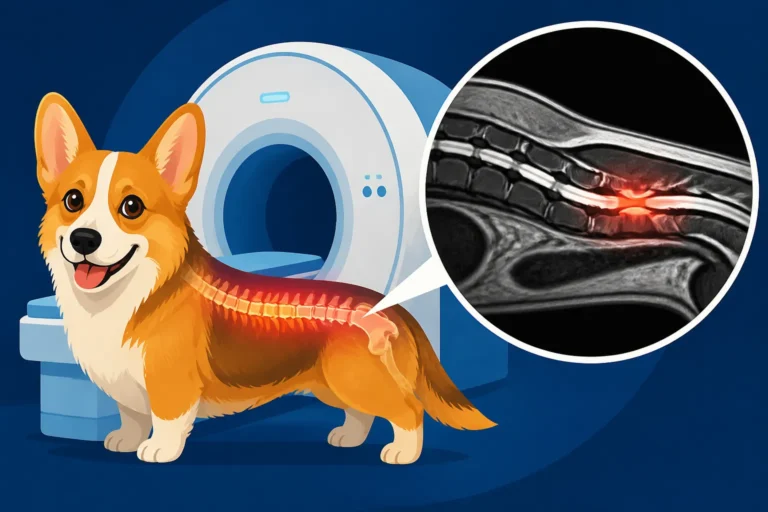
Corgis, with their chondrodystrophic (long-backed, short-legged) build, are highly prone to Intervertebral Disc Disease, or IVDD. This is a condition where the discs between the vertebrae in their spine degenerate and can rupture or bulge, pressing on the spinal cord. Unlike DM, which is typically painless initially, IVDD can be incredibly painful, sometimes acutely so.
If a disc in the mid-to-lower back (thoracolumbar region) becomes compromised, it can cause nerve compression that manifests as hind leg weakness, incoordination, and yes, scuffing of the back nails. The compression can interfere with the nerve signals controlling leg movement and proprioception. You might see a Corgi that suddenly cries out in pain, is reluctant to move, or shows a dramatically altered gait. Disc Disease in a Long-Backed Corgi is a major concern, and understanding the differences between it and DM is important, as Telling a Corgi's Slipped Disc From Myelopathy guides. A specific movement, like The Jump That Ruptures a Corgi Disc, can sometimes trigger an acute episode.
Other Neurological Conditions
While DM and IVDD are the most common neurological concerns for Corgis causing hind leg scuffing, other less common conditions can also be at play:
- Spinal Tumors: Growths on or near the spinal cord can compress nerves, leading to similar symptoms of weakness, pain, and loss of coordination in the hind limbs.
- Lumbosacral Stenosis: This condition, often seen in older dogs, involves the narrowing of the spinal canal at the junction of the lower back and sacrum, compressing the nerves in that area.
- Polyneuropathies: These are disorders affecting multiple peripheral nerves, which can cause generalized weakness and sensory deficits, potentially including proprioception loss.
Musculoskeletal Problems
Sometimes the issue isn't with the nerve signals themselves, but with the structures that are meant to carry out those signals: the bones, joints, and muscles.
Arthritis and Joint Pain
Arthritis, or degenerative joint disease, can affect any joint but is particularly impactful in the hips and knees when it comes to hind leg movement.
- Hip Dysplasia: While often associated with larger breeds, Corgis can also be affected by hip dysplasia, where the hip joint doesn't form correctly. This leads to instability and chronic pain. A Corgi with painful hips might not lift its legs fully to avoid pain, resulting in a shuffling gait and scuffing.
- Luxating Patella (Kneecap Dislocation): This is when the kneecap slips out of its groove. While more commonly associated with smaller breeds, Corgis can experience it. If severe, it can cause intermittent lameness, and the dog might compensate by altering its gait, leading to scuffing.
Any chronic pain in the hindquarters can lead to a dog being reluctant to lift their legs high, preferring to shuffle or drag to minimize discomfort.
Muscle Weakness and Atrophy
Muscles are essential for lifting and moving the legs. If the hind leg muscles become weak or atrophy (waste away), it becomes harder for the Corgi to perform a normal gait.
- Aging: As Corgis get older, a natural loss of muscle mass (sarcopenia) can occur. This makes them less able to lift their legs, especially if they haven't maintained an active lifestyle. An Old Corgi That Gets Lost in the House might also be experiencing general physical decline contributing to this.
- Disuse Atrophy: If a Corgi has been recovering from an injury or illness that required prolonged rest, their hind leg muscles can weaken significantly from lack of use.
- Secondary to Pain: If a Corgi has chronic pain from arthritis or a spinal issue, they might guard the painful area and avoid using those muscles fully, leading to atrophy over time.
Other Less Common Causes
While neurological and musculoskeletal issues are primary suspects, a few other conditions can occasionally lead to hind leg scuffing:
- Nutritional Deficiencies: Though rare with a balanced commercial diet, severe deficiencies in certain vitamins (like B vitamins) can sometimes affect nerve function.
- Tick-Borne Diseases: Some tick-borne illnesses can lead to neurological symptoms, though usually more acute and generalized than just hind leg scuffing.
- Trauma: An old injury to a hind leg or paw that wasn't properly healed could potentially lead to a compensatory gait that involves scuffing.
What to Do When You Notice Scuffing: Your Action Plan
Noticing your Corgi scuffing their back nails can be unsettling, but taking a systematic approach can help you get to the bottom of it and ensure your furry friend gets the care they need. Don't panic, but don't delay.
Immediate Home Observations
Before you even call the vet, you can gather crucial information that will aid in diagnosis. Think of yourself as a detective, observing every nuance of your Corgi's movement and behavior.
- When and Where Does It Happen? Is it always on stairs, or just after waking up? Does it only occur on certain surfaces, like slick tile or grass? Does it worsen after exercise or stay consistent throughout the day? Understanding the context can provide clues.
- Is It One Leg or Both? Unilateral (one-sided) scuffing might point to a localized issue like an injury or joint problem on that side, while bilateral (both sides) often suggests a more generalized or spinal neurological issue like DM or IVDD.
- Are There Other Symptoms? Look for any other changes:
- Pain: Is your Corgi yelping when touched, reluctant to be picked up, or showing signs of discomfort? A Corgi That Cries When Lifted Under the Chest or A Corgi That Will Not Climb the Stairs are significant red flags.
- Weakness: Do their hind legs seem wobbly? Do they struggle to get up from lying down?
- Incoordination: Do their back legs cross over, or do they stumble frequently, especially when turning? A Corgi Whose Back Legs Cross Over is a classic sign of neurological deficit.
- Changes in Urination/Defecation: Incontinence can sometimes accompany severe neurological issues.
- Changes in Behavior: Are they more withdrawn, less enthusiastic about walks, or showing signs of anxiety?
- Check Paw Pads and Nails: Examine their back paws for excessive wear on the top of the nails or knuckles, or any sores on the paw pads from dragging. This can confirm the scuffing is indeed happening. Also, check their nail length – are they clearly too long?
- Video Your Corgi: This is perhaps one of the most helpful things you can do. Get clear videos of your Corgi walking, especially from behind, and when they are navigating different surfaces or performing tasks like going up/down steps. A video can show your vet exactly what you're observing, even if your Corgi performs perfectly during the exam due to adrenaline.
The Importance of a Vet Visit
Once you've made your observations, the next crucial step is to schedule a prompt veterinary appointment. Do not try to self-diagnose or wait it out.
- Initial Veterinary Examination: Your regular vet will perform a thorough physical and neurological exam. This will include checking reflexes, assessing muscle mass, evaluating proprioception (often by flipping their paw over to see how quickly they right it), and looking for any signs of pain or discomfort along the spine. They might also recommend blood tests to rule out other systemic issues.
- Diagnostic Imaging: Depending on their findings, your vet might suggest diagnostic imaging:
- X-rays: Can show changes in bone structure, severe arthritis, or calcified discs in cases of IVDD, but won't show soft tissue details like spinal cord compression directly.
- MRI (Magnetic Resonance Imaging): This is the gold standard for visualizing soft tissues, including the spinal cord and discs. It can pinpoint exactly where a disc is compressing the spinal cord or reveal tumors. An MRI requires general anesthesia.
- Referral to a Specialist: If the diagnosis isn't clear, or if the case is complex (like suspected DM or severe IVDD), your vet might recommend a referral to a veterinary neurologist. These specialists have advanced training and equipment to diagnose and manage complex neurological conditions.
Supportive Measures and Management
While awaiting diagnosis or as part of a long-term management plan, there are several things you can do to support your Corgi:
- Regular Nail Trims: Keep their nails as short as possible without cutting into the quick. This is paramount to prevent further scuffing damage and to allow for better paw placement. If you're not comfortable doing it, your vet or groomer can help.
- Paw Protection: For Corgis with significant scuffing, consider paw protectors or dog boots. Brands like Pawz offer rubber boots that can protect the top of the paws and provide grip. These can prevent sores and calluses, which can become painful and infected.
- Environmental Modifications: Make your home Corgi-friendly. Install Ramps and Steps That Save a Corgi's Back for furniture or cars. Place non-slip runners or rugs on slick floors. These changes can reduce the effort needed to move around and prevent slips that can exacerbate back problems.
- Weight Management: Keeping your Corgi at a healthy weight is vital, especially with back issues. What Extra Weight Does to a Corgi Spine is significant; even a few extra pounds can add immense strain on their delicate backs and joints, making scuffing worse. Discuss a diet and exercise plan with your vet.
Financial Considerations for Diagnosis and Treatment
Let’s be realistic: diagnosing and treating neurological or severe musculoskeletal issues in a Corgi can be expensive. An MRI alone can cost thousands of dollars, and treatments like surgery or long-term rehabilitation add up quickly.
- Pet Insurance: This is where pet insurance can be a lifesaver. Companies like Healthy Paws are known for their comprehensive coverage, which often includes diagnostic tests, specialist visits, and treatments for conditions like IVDD and DM (provided the policy was in place before symptoms began). If you haven't already, consider Insuring a Corgi Before Its First Back Episode. It’s an investment that can prevent heart-wrenching financial decisions down the line.
- Emergency Fund: Even with insurance, many policies have deductibles or co-pays. Having an emergency fund dedicated to pet care can provide a crucial safety net for unexpected vet bills.
- Discuss Options with Your Vet: Always have an open conversation with your vet about treatment options and their associated costs. They can often help prioritize tests or discuss payment plans and financial aid options if available.
| Symptom Feature | Potential Implication | Suggested Action |
|---|---|---|
| Occasional, mild scuffing | Overly long nails, slippery floors, temporary awkwardness | Check nail length, add rugs, observe closely |
| Consistent, worsening scuffing | Neurological (DM, IVDD) or musculoskeletal issues | Immediate vet visit, video dog's gait |
| Accompanied by pain/yelping | Acute IVDD, severe arthritis, injury, tumor | Emergency vet visit, gentle handling |
| Hind legs crossing/wobbling | Neurological deficit (DM, IVDD) | Vet visit, especially a neurologist referral |
| Incontinence | Severe spinal cord compression | Emergency vet visit |
| Only one hind leg scuffs | Unilateral injury, joint issue, nerve root compression | Vet visit to localize the problem |
| Both hind legs scuff | Spinal cord disease (DM, IVDD), generalized weakness | Vet visit to assess systemic or spinal issues |
Living with a Corgi Prone to Scuffing: Long-Term Strategies
Once a diagnosis is made and treatment is underway, living with a Corgi that scuffs its back nails often becomes a journey of ongoing management and adaptation. The goal is to maximize their comfort, mobility, and quality of life for as long as possible.
Proactive Care and Prevention
Many of the conditions causing hind leg scuffing are progressive or chronic, but proactive care can significantly impact their severity and your Corgi's well-being.
- Regular Vet Check-ups: Consistent The Vet Visits a Corgi Puppy Needs First and then yearly comprehensive check-ups are essential. For older Corgis, especially those with known predispositions, your vet might recommend more frequent visits. These appointments allow your vet to monitor progression, adjust medications, and catch new issues early.
- Strict Weight Management: We've touched on this, but it cannot be overstated. Maintaining an ideal body condition score is critical for a Corgi’s spinal and joint health. Even a little extra weight can worsen symptoms related to IVDD, arthritis, and overall mobility challenges. Your vet can help you establish a precise feeding plan, sometimes using prescription diets designed for weight management.
- Appropriate Exercise: While vigorous jumping and high-impact activities should be limited to protect their back, regular, controlled exercise is vital for maintaining muscle tone and overall health. Think gentle, leash-led walks on soft surfaces, or even swimming if your Corgi enjoys it. Consistency is key, not intensity.
- Supplements: Discuss with your vet whether joint supplements (like glucosamine, chondroitin, or omega-3 fatty acids) could benefit your Corgi, especially if arthritis is a factor. While not a cure, they can sometimes help with joint lubrication and inflammation.
Adapting Your Home Environment
Making your home safe and accessible is paramount for a Corgi with mobility challenges. These changes aren't just about preventing accidents; they're about reducing strain and increasing their independence.
- Non-Slip Surfaces: This is a big one. Hardwood, tile, and laminate floors can be like ice rinks for a Corgi with compromised hind leg strength or proprioception. Cover as much of your home as possible with rugs, carpet runners, or even yoga mats. This provides crucial traction and confidence.
- Ramps and Pet Steps: Corgis should avoid jumping on and off furniture or in and out of cars. Even a short jump can put immense strain on their spine and potentially trigger or worsen an IVDD episode. Invest in sturdy pet ramps or steps for sofas, beds, and vehicles. Training them to use these early, before an issue arises, is ideal. Ramps and Steps That Save a Corgi's Back are not just convenient; they are preventative care.
- Orthopedic Beds: A supportive, orthopedic bed can make a huge difference in comfort for a Corgi with joint pain or spinal issues. Look for beds with dense, supportive foam that cradles their body and prevents pressure points.
- Food and Water Bowl Placement: For Corgis who struggle to stand for long periods or lower their heads, elevated food and water bowls can be beneficial, reducing strain on their neck and back.
The Role of Physical Therapy and Rehabilitation
For many Corgis dealing with neurological or musculoskeletal issues causing scuffing, physical therapy and rehabilitation can be incredibly effective in slowing progression, improving mobility, and managing pain.
- Hydrotherapy (Underwater Treadmill): This is fantastic for Corgis. The buoyancy of the water reduces weight-bearing stress on their joints and spine while allowing them to exercise their muscles in a controlled environment. It builds strength and coordination without impact. You can learn more about Physiotherapy for a Corgi Losing Its Legs and its benefits.
- Therapeutic Exercises: A certified canine rehabilitation therapist can teach you specific exercises to do at home, focusing on core strength, balance, and hind leg muscle development. These might include gentle range-of-motion exercises, passive stretches, or balance-board work.
- Acupuncture and Laser Therapy: These modalities can be very helpful for pain management and reducing inflammation associated with arthritis or IVDD. They work by stimulating nerve points or promoting cellular healing.
- Mobility Aids: As conditions progress, some Corgis might benefit from mobility aids. This could start with a supportive harness or sling to help you assist them, and eventually, some Corgis thrive with the use of Carts and Wheels for a Corgi With DM or other severe mobility issues. These aids can restore a remarkable degree of independence and joy.
Navigating hind leg scuffing in your Corgi can be a challenging path, filled with unknowns and tough decisions. But by being observant, proactive, and working closely with your veterinary team, you can ensure your beloved companion receives the best possible care and continues to live a happy, comfortable life.
Disclaimer
The information provided in this article is for general informational purposes only and is not intended as a substitute for professional veterinary advice, diagnosis, or treatment. Always seek the advice of your veterinarian or other qualified animal health provider with any questions you may have regarding a medical condition or the health and welfare of your pet. Never disregard professional veterinary advice or delay in seeking it because of something you have read in this article.