Screening an Older Corgi’s Spine
It's an unfortunate truth that as our beloved Corgis enter their golden years, the worry about their backs often becomes a constant companion. You watch every step, every jump, every hesitant movement, wondering if this is the start of something serious. Their short legs and long bodies, while adorable, make them particularly susceptible to spinal issues, and screening an older Corgi's spine becomes less about "if" and more about "when" and "how comprehensively." This guide is here to walk you through understanding these challenges, recognizing the subtle signs, and navigating the screening process to give your senior Corgi the best possible quality of life.
Understanding Why an Older Corgi's Spine Needs Special Attention
The unique conformation of a Corgi, with its distinctive long back and short legs, is undeniably charming. However, this very build is also a significant contributor to why their spines are so vulnerable, especially as they age. It's not just a matter of "getting old"; there are specific, inherited traits that predispose them to serious spinal conditions.
The Inherent Vulnerability of the Corgi Spine
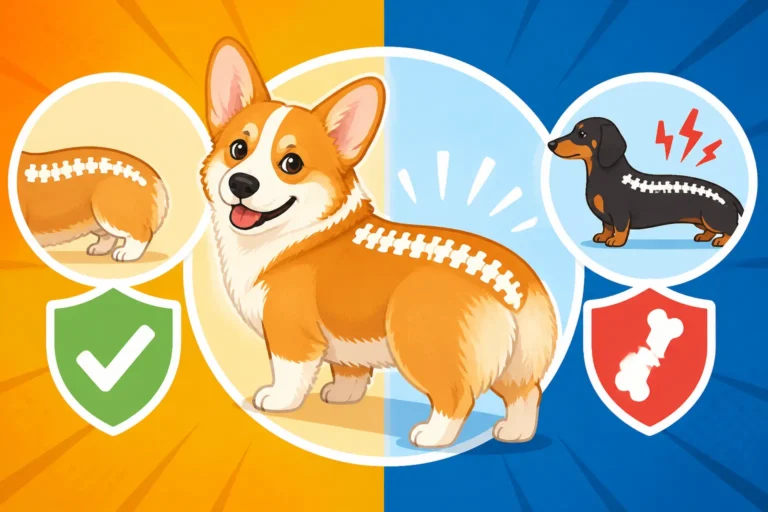
Corgis, like Dachshunds and Basset Hounds, are chondrodystrophic breeds. This fancy veterinary term simply means they have abnormal cartilage and bone development, which leads to their characteristic short limbs. While it gives them their cute waddle, it also means their intervertebral discs—the jelly-filled cushions between the vertebrae that act as shock absorbers—are different. These discs tend to degenerate prematurely, often calcifying and becoming less resilient, leading to a condition called Intervertebral Disc Disease (IVDD). Instead of being soft and pliable, they can harden and become brittle, making them much more prone to rupturing or bulging out.
This isn't just a slight weakness; it's a fundamental architectural challenge for their spine. Everyday movements that are harmless for other breeds can pose a risk for a Corgi. A simple jump off the sofa or a misstep can put immense pressure on an already compromised disc. As they age, this natural wear and tear compounds, making their spine a focal point of health concern. Owners often feel a deep frustration, knowing they can't change their dog's genetic makeup, only manage its consequences.
Differentiating Age-Related Changes from Spinal Disease
It can be incredibly challenging to tell the difference between typical aging stiffness and the onset of a serious spinal condition in an older Corgi. Most dogs slow down with age; they might take longer to get up, be less enthusiastic about long walks, or appear a bit stiff after a nap. This is often due to general muscle loss, mild arthritis in their joints, or just the natural slowing process. However, true spinal disease presents with more specific, often progressive, neurological signs.
For instance, an older Corgi might develop a subtle wobble in their hind end, drag their back paws, or stumble more frequently. These aren't just signs of an old dog; they can be critical indicators of underlying IVDD or even a more insidious condition like Degenerative Myelopathy (DM). The difficulty lies in the overlap: a dog with mild arthritis might also show some hind limb weakness, masking a more serious spinal issue. This is why careful observation and regular, thorough veterinary check-ups are paramount, providing a consistent baseline against which to measure new symptoms.
Common Spinal Issues in Senior Corgis
As Corgis age, their vulnerability to spinal problems amplifies. While their youthful exuberance might have caused a few scares, the senior years bring a more chronic and often progressive set of challenges. It’s crucial for Corgi owners to be aware of the specific conditions that commonly affect their breed’s spine, as each requires a different understanding and approach to care.
Degenerative Myelopathy DM Progression
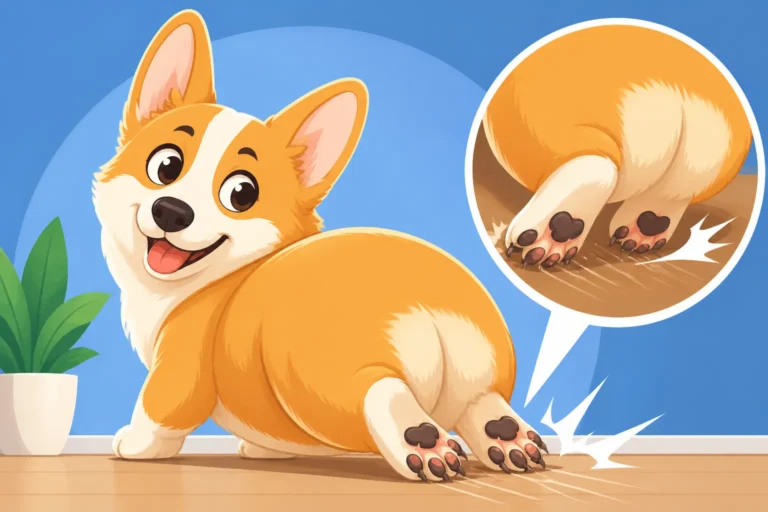
Degenerative Myelopathy (DM) is a cruel, progressive neurological disease that affects the spinal cord, primarily in older Corgis. It’s often described as the canine equivalent of Amyotrophic Lateral Sclerosis (ALS) in humans. The disease starts subtly, typically affecting the hind limbs, and gradually worsens over months or years. The primary issue with DM is that it's an insidious condition, often starting around 8-9 years of age, or sometimes even later, making it difficult to distinguish from general old age stiffness at first. The very first signs of DM in a Corgi can be incredibly subtle, like a slight scuffing of the back nails or a mild ataxia (wobbliness) in the rear.
Owners might notice their Corgi dragging a hind paw, sometimes called "knuckling over," or a general weakness that seems to come and go. Over time, this progresses to difficulty standing, walking, and eventually, full paralysis of the hind limbs. What makes DM particularly heartbreaking is that it’s not a painful condition in itself; the dog's brain is still fully aware, even as their body fails. While most Corgis carrying the DM gene usually stay well, if a Corgi has two copies of the SOD1 mutation and develops symptoms, the progression is relentless. Screening helps identify if your Corgi carries the genetic predisposition, which, combined with clinical signs, can lead to a diagnosis. Understanding Degenerative Myelopathy and the Corgi and being aware of The Age Corgi Myelopathy Usually Starts and The First Signs of DM in a Corgi are crucial for any Corgi owner.
Intervertebral Disc Disease IVDD and Its Recurrence
Intervertebral Disc Disease (IVDD) is perhaps the most well-known spinal issue in Corgis. Unlike DM, which affects the spinal cord itself, IVDD involves the discs that cushion the vertebrae. In Corgis, these discs are prone to degenerating and herniating or bulging, pressing on the spinal cord. This can cause immense pain, weakness, and even paralysis. The typical onset of Corgi disc problems usually appears in their middle years, but older Corgis can certainly have new episodes or recurrences.
The type of disc disease most common in Corgis is Hansen Type I, where the outer fibrous ring of the disc ruptures, and the soft, jelly-like center material extrudes into the spinal canal. This can happen suddenly, often after a seemingly innocuous movement like The Jump That Ruptures a Corgi Disc or twisting the wrong way. However, older Corgis are also susceptible to Hansen Type II, a more gradual bulging of the disc over time. An older Corgi who has had one disc episode is unfortunately at higher risk for another. The chronic nature of Disc Disease in a Long-Backed Corgi means that vigilance and proactive management are key to preventing debilitating recurrences.
Osteoarthritis and Spondylosis Deformans
Beyond the more dramatic disc ruptures and neurological degeneration, older Corgis are also susceptible to general degenerative changes in their bones and joints, which can significantly impact their spine and mobility. Osteoarthritis, or degenerative joint disease, can affect any joint, including those in the spine (facet joints). This leads to chronic pain, stiffness, and reduced range of motion, often mimicking or exacerbating symptoms of other spinal conditions.
Spondylosis deformans is another common age-related condition seen on X-rays of older Corgis. It involves the formation of bony spurs (osteophytes) along the bottom, sides, and top of the vertebrae. These spurs can bridge the gaps between vertebrae, essentially fusing them. While spondylosis itself isn't always painful, especially if the spurs don't impinge on nerves, it can reduce spinal flexibility and contribute to overall stiffness and discomfort. The challenge for owners and vets is discerning whether these changes are the primary source of pain or if they're simply incidental findings alongside a more serious condition like IVDD or DM.
Recognizing the Subtle Signs of Spinal Trouble in Your Senior Corgi
One of the biggest hurdles in caring for an older Corgi is identifying when something is truly wrong with their spine, as opposed to just the general aches and pains of aging. Corgis are notoriously stoic, and their low-slung bodies can hide subtle changes in their gait and posture. Being a keen observer of your dog’s daily habits and movements is your first and best line of defense.
Changes in Gait and Mobility
Many spinal problems in Corgis first manifest as changes in how they move. These can be incredibly subtle at first, easily dismissed as an off day or simple stiffness. One of the classic signs to watch for is a slight scuffing of the back nails, especially on hard surfaces. This happens because the dog isn't lifting their paws high enough, indicating poor proprioception – their awareness of where their body parts are in space. You might notice the nails on one or both hind feet look worn down on the top surface.
Another common indicator is a wobbly or drunken gait in the hindquarters, often described as ataxia. Your Corgi might appear to sway or struggle to maintain balance, particularly when turning or getting up. You might even observe A Corgi Whose Back Legs Cross Over when they walk, indicating a lack of coordination. Difficulty rising from a lying position, hesitation before attempting stairs or jumping onto furniture (even if they used to do it with ease), or a general reluctance to move can all point to spinal discomfort. For instance, if your Corgi starts to avoid places they once loved, like the bed or sofa, because they A Corgi That Will Not Climb the Stairs, it’s a red flag. These changes, however minor they seem, warrant veterinary attention to rule out spinal issues.
Behavioral Shifts and Pain Indicators
Beyond physical mobility changes, spinal pain and discomfort can significantly alter your Corgi's behavior and personality. A dog in chronic pain might become withdrawn, less interactive, or even irritable. They might snap or growl when you try to pet them in certain areas, particularly along their back or hindquarters. If your Corgi suddenly starts to vocalize or becomes anxious when lifted, especially if you lift them under the chest, it's a strong indicator of pain. A Corgi That Cries When Lifted Under the Chest is often signaling acute discomfort.
Other behavioral cues can include restlessness, difficulty finding a comfortable position to lie down, pacing, or shivering, even when not cold. Some Corgis might hide more than usual or lose interest in activities they once enjoyed, like playing with toys or going for walks. Changes in appetite, sleeping patterns, or even house-training habits (more on that next) can all be indirect signs of an underlying spinal problem causing distress. It's vital not to dismiss these changes as "just old age grumpiness," as they often signify genuine discomfort.
Incontinence or Changes in Potty Habits
One of the more distressing and often late-stage signs of significant spinal cord compression or degeneration in Corgis is a change in bladder and bowel control. The nerves that control these functions run through the spinal cord, and if they are damaged or compressed, your Corgi may lose the ability to hold their urine or feces. This can manifest as accidents in the house, even in a previously perfectly house-trained dog.
You might notice small puddles of urine where your dog has been lying, indicating passive leaking, or they may simply squat and eliminate without seeming aware they are doing so. Bowel incontinence might appear as small fecal pellets dropped around the house. It's crucial to understand that this is not a behavioral issue but a medical one, and your dog is not "doing it on purpose." While other conditions like urinary tract infections or kidney disease can also cause incontinence, in an older Corgi with other signs of hind limb weakness, spinal pathology should be a prime suspect. Understanding Incontinence in a Corgi With DM highlights how serious this symptom can be, indicating advanced neurological compromise.
The Comprehensive Spinal Screening Process for Older Corgis
When you suspect your older Corgi might be grappling with a spinal issue, navigating the diagnostic process can feel overwhelming. It involves a series of steps, from initial veterinary assessment to advanced imaging, each designed to pinpoint the exact problem and guide treatment. It’s a process that requires patience, open communication with your vet, and sometimes, a significant financial commitment. This is where having a robust pet insurance plan, like one from Healthy Paws, can be incredibly beneficial, as spinal diagnostics and treatments can quickly accumulate substantial costs.
Initial Veterinary Examination and Neurological Assessment
The first and most crucial step is a thorough examination by your primary care veterinarian. They will take a detailed history, asking you about your Corgi's symptoms, when they started, how they've progressed, and any other changes you've observed. Be prepared to provide specific examples of gait changes, pain indicators, or behavioral shifts. The vet will then conduct a comprehensive physical and neurological exam.
During the neurological assessment, your vet will evaluate several key reflexes and responses to assess the integrity of the spinal cord and nerves. This includes:
- Proprioception: Testing your Corgi's ability to recognize the position of their paws by knuckling them over and seeing how quickly they right themselves. Slow or absent righting reflexes can indicate neurological deficits.
- Withdrawal Reflex: Checking if your Corgi pulls their paw back when stimulated.
- Patellar and Sciatic Reflexes: Assessing nerve function to the hind limbs.
- Pain Response: Carefully palpating the spine to identify areas of tenderness or discomfort.
- Gait Analysis: Observing your Corgi walk, turn, and get up to identify any ataxia, weakness, or lameness.
This initial exam helps your vet determine the severity of the neurological deficit, localize the problem area in the spine, and decide what further diagnostics are necessary.
Diagnostic Imaging: X-rays, MRI, and CT Scans
Once your vet has a clearer picture from the neurological exam, diagnostic imaging is usually the next step. Each type of imaging offers different information and comes with its own considerations.
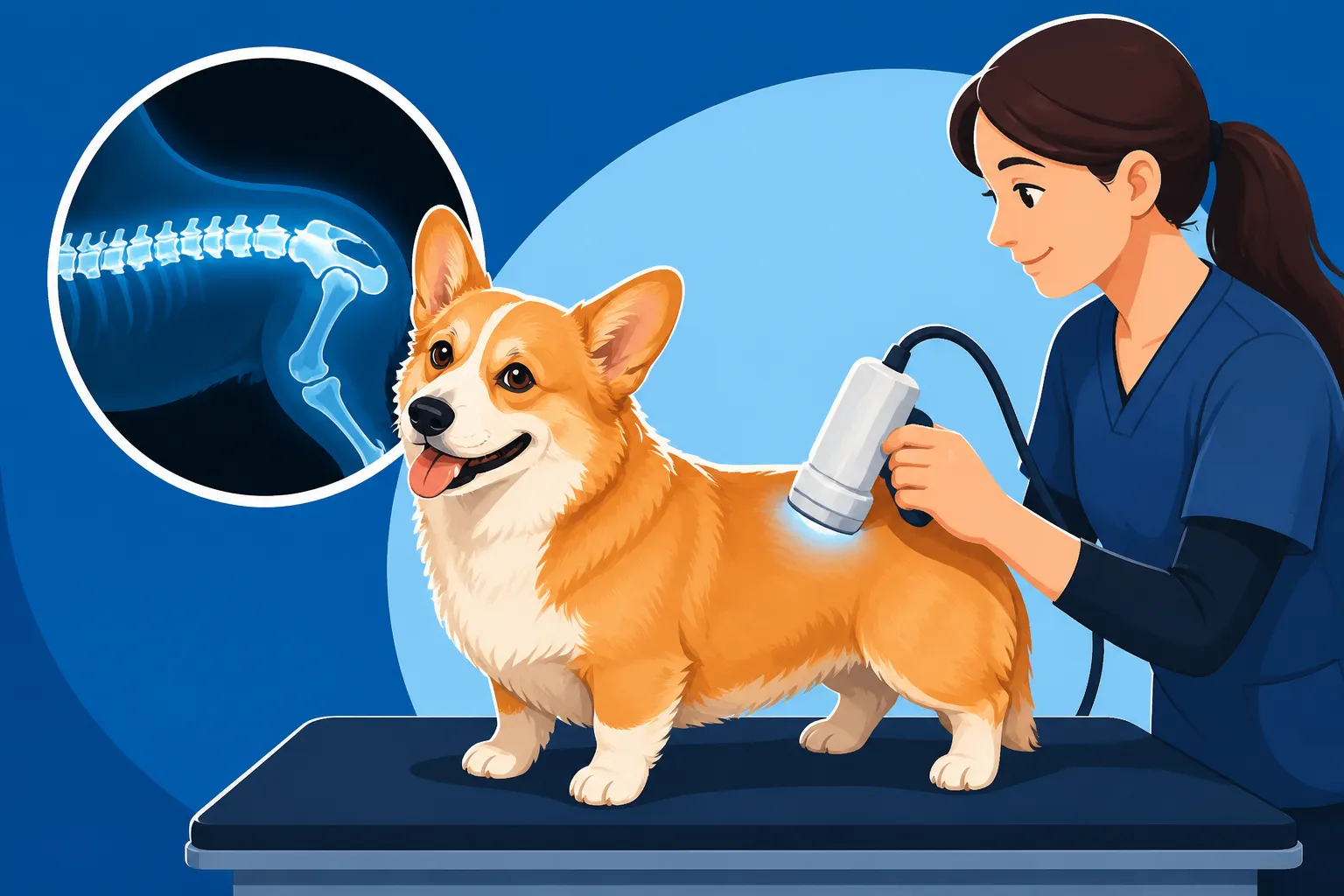
- Radiographs (X-rays): These are often the first imaging tool used due to their accessibility and lower cost. X-rays are excellent for visualizing bony structures, so they can show signs of spondylosis deformans, vertebral abnormalities, or severe disc space narrowing. However, X-rays are not good for directly visualizing soft tissues like spinal cord compression or the discs themselves. They can suggest a disc problem but cannot definitively diagnose a herniated disc. They are, however, crucial for ruling out other issues like tumors, fractures, or severe arthritis in the hips or knees that might mimic spinal pain.
- Magnetic Resonance Imaging (MRI): An MRI is considered the gold standard for diagnosing spinal cord problems. It uses powerful magnetic fields and radio waves to create detailed images of soft tissues, including the spinal cord, nerve roots, and, most importantly, the intervertebral discs. An MRI can clearly show disc herniations, spinal cord compression, inflammation, and even tumors. Understanding What an MRI Shows in a Corgi Back reveals its unparalleled diagnostic power. It requires general anesthesia, which carries risks, especially for older dogs, and it is a significantly more expensive procedure, often only available at specialized veterinary neurology centers.
- Computed Tomography (CT) Scan: A CT scan uses X-rays from multiple angles to create cross-sectional images of the body. While not as good as MRI for soft tissue detail, it provides excellent bone detail and can sometimes identify calcified disc material pressing on the spinal cord. It's faster than an MRI and can be a good option if MRI isn't available or if the primary concern is bony involvement or calcified disc material. Like MRI, it requires anesthesia.
Choosing the right imaging modality depends on the suspected condition, the Corgi's overall health, and the owner's financial considerations. Many pet insurance plans, like Healthy Paws, will cover a significant portion of these diagnostic imaging costs, which can range from hundreds to thousands of dollars.
Here's a quick comparison of these imaging techniques:
| Feature | Radiographs (X-rays) | CT Scan | MRI Scan |
|---|---|---|---|
| Primary Use | Bony structures, initial screen | Bony structures, calcified discs | Soft tissues, spinal cord, nerve roots |
| Disc Visualization | Indirect (disc space narrowing) | Better for calcified discs | Excellent (herniations, compression) |
| Spinal Cord Visualization | Poor | Indirect | Excellent |
| Anesthesia Required | Generally no (unless for positioning) | Yes | Yes |
| Cost | Low to Moderate | Moderate to High | High |
| Availability | Widely available | At specialty/emergency clinics | Primarily at specialty neurology centers |
| Radiation Exposure | Yes | Yes (higher than X-rays) | No |
Genetic Testing for Degenerative Myelopathy
For Corgis specifically, genetic testing for Degenerative Myelopathy is a crucial part of a comprehensive spinal screening, especially when neurological signs are emerging in an older dog. The SOD1 gene mutation is strongly linked to DM, and a simple cheek swab or blood test can determine your Corgi's genetic status. The DNA Tests a Corgi Breeder Should Run are important, but these tests remain relevant for owners too.
It's important to understand what the results mean:
- Clear (N/N): Your Corgi does not carry the mutation and cannot pass it on. They are extremely unlikely to develop DM.
- Carrier (A/N): Your Corgi carries one copy of the mutation. They generally will not develop DM themselves, but they could pass the gene on to offspring if bred.
- At-Risk (A/A): Your Corgi carries two copies of the mutation. This means they are genetically predisposed to developing DM. While not all "at-risk" Corgis will develop the disease, the vast majority will if they live long enough.
For an older Corgi showing hind limb weakness, an "at-risk" (A/A) result, combined with the characteristic clinical signs and ruling out other conditions, is highly suggestive of DM. However, a positive genetic test alone isn't a definitive diagnosis of active disease; it simply confirms the genetic predisposition. Clinical signs, neurological exam findings, and exclusion of other causes are all necessary for a confident diagnosis. Reviewing Reading a Corgi SOD1 Test Result can help you interpret your dog's specific status.
Managing and Proactively Protecting Your Senior Corgi's Spine
Once spinal issues are identified, or even as a preventative measure for your aging Corgi, proactive management is crucial. It’s about creating an environment that supports their delicate spine, managing their weight, and exploring therapeutic options to maintain comfort and mobility for as long as possible. This comprehensive approach is not just about extending life, but vastly improving its quality.
Lifestyle Adjustments and Environmental Modifications
One of the most impactful things you can do for your senior Corgi's spine is to modify their environment to minimize strain and risk. Think about all the common behaviors that put stress on a Corgi's back: jumping, slipping, and climbing.
- Ramps and Steps: Invest in ramps or pet steps for accessing furniture, beds, and vehicles. Even a small jump can be detrimental, and training your Corgi to use these aids from an early age is ideal. It’s a constant battle for Corgi owners to stop their dogs from launching themselves off high surfaces, so products like those mentioned in Ramps and Steps That Save a Corgi's Back are invaluable. Make sure these are sturdy and have non-slip surfaces. Seriously consider if Whether a Corgi Should Ever Jump Off a Sofa is worth the risk.
- Non-Slip Flooring: Hardwood, tile, and laminate floors can be incredibly slippery for Corgis, especially as their hind leg strength declines. Lay down rugs, runners, or carpet tiles in high-traffic areas to provide traction. This prevents slips and falls that can cause acute disc injuries or exacerbate chronic conditions.
- Orthopedic Beds: A good quality orthopedic bed provides excellent support for their joints and spine, alleviating pressure points and promoting restful sleep. Look for beds with dense foam that retains its shape, rather than soft, fluffy beds that offer little support.
- Restricted Access: Use baby gates to prevent access to stairs, especially unsupervised. If stairs are unavoidable, carry your Corgi (using proper lifting techniques) or ensure they use a ramp.
Implementing these changes may seem like a lot of work, but they significantly reduce the daily impact on your Corgi's vulnerable spine, making their home a safer, more comfortable place.
Weight Management and Nutritional Support
Perhaps nothing is as critical to spinal health in a Corgi as maintaining an ideal body weight. Every extra pound your Corgi carries puts additional strain on their already delicate back and joints, accelerating disc degeneration and increasing the risk of IVDD episodes. This is why Why Corgi Weight Is a Spinal Problem is a conversation every Corgi owner should have with their vet.
- Strict Calorie Control: Work with your vet to determine the precise calorie needs for your Corgi based on their age, activity level, and target weight. Measure food accurately and limit treats. Remember, a Corgi's ideal body condition is leaner than many people assume. The vet will teach you how to assess The Body Condition Score a Corgi Should Hold.
- Nutritional Supplements: While supplements aren't a cure-all, some can support joint and disc health. Glucosamine and chondroitin are commonly recommended for cartilage health, while Omega-3 fatty acids (like those found in fish oil) have anti-inflammatory properties that can help manage discomfort. Always consult your vet before adding any supplements to your Corgi's diet, as quality and efficacy vary greatly between brands.
- Prescription Diets: If your Corgi is overweight or has difficulty maintaining weight, your vet might recommend a prescription weight management or joint support diet. These diets are specifically formulated to be lower in calories while still providing essential nutrients, or to include higher levels of joint-supporting ingredients.
Proactive weight management is arguably the most powerful tool you have to protect your Corgi’s spine throughout their life. It can also help manage the cost of potential future health issues. Pet insurance providers, such as Healthy Paws, often emphasize the importance of preventative care like weight management, as it can reduce the likelihood of costly claims for conditions exacerbated by obesity.
Physical Therapy and Pain Management Strategies
For older Corgis already experiencing spinal issues, or those recovering from an injury or surgery, physical therapy and a tailored pain management plan are indispensable. These strategies aim to reduce pain, improve mobility, maintain muscle mass, and enhance overall quality of life.
- Veterinary Physiotherapy: This is not just a fancy massage; it's a science-backed approach involving specific exercises, stretches, and modalities.
- Hydrotherapy: Often involves underwater treadmill sessions. The buoyancy of the water reduces weight-bearing stress on the joints and spine, allowing for strengthening exercises with less pain. It's excellent for building muscle, improving range of motion, and boosting circulation.
- Therapeutic Exercises: Customized routines designed to strengthen core muscles, improve balance, and maintain flexibility.
- Massage and Stretching: Can help reduce muscle spasms, improve circulation, and maintain flexibility around affected areas.
- Acupuncture: Many Corgi owners find acupuncture beneficial for chronic pain. This traditional Chinese medicine technique involves inserting thin needles into specific points on the body to stimulate nerve function and release natural pain-relieving chemicals. It can be particularly helpful for managing chronic back pain and some neurological deficits.
- Medication: Your vet will prescribe pain relievers and anti-inflammatory medications (such as NSAIDs, gabapentin, or muscle relaxants) to manage discomfort and inflammation. It's crucial to follow your vet's instructions carefully regarding dosage and duration, as long-term use can have side effects, particularly in older dogs. Regular monitoring of organ function may be necessary.
- Specialist Consultations: For complex cases, your vet might refer you to a board-certified veterinary neurologist. These specialists have advanced training in diagnosing and treating neurological conditions and can offer more specialized interventions, including surgical options if appropriate.
Remember, every Corgi is an individual, and a successful management plan will be tailored to their specific needs and condition. Working closely with your veterinarian and potentially other veterinary specialists is key. Having pet insurance can provide immense relief here; many providers, including Healthy Paws, offer coverage for specialized treatments like hydrotherapy, acupuncture, and neurological consultations, which can be critical for maintaining your Corgi's comfort and mobility as they age.
Disclaimer
This article is intended for informational purposes only and does not constitute veterinary advice. Always consult with a qualified veterinarian for any health concerns or before making any decisions about your Corgi's care. Individual situations may vary.