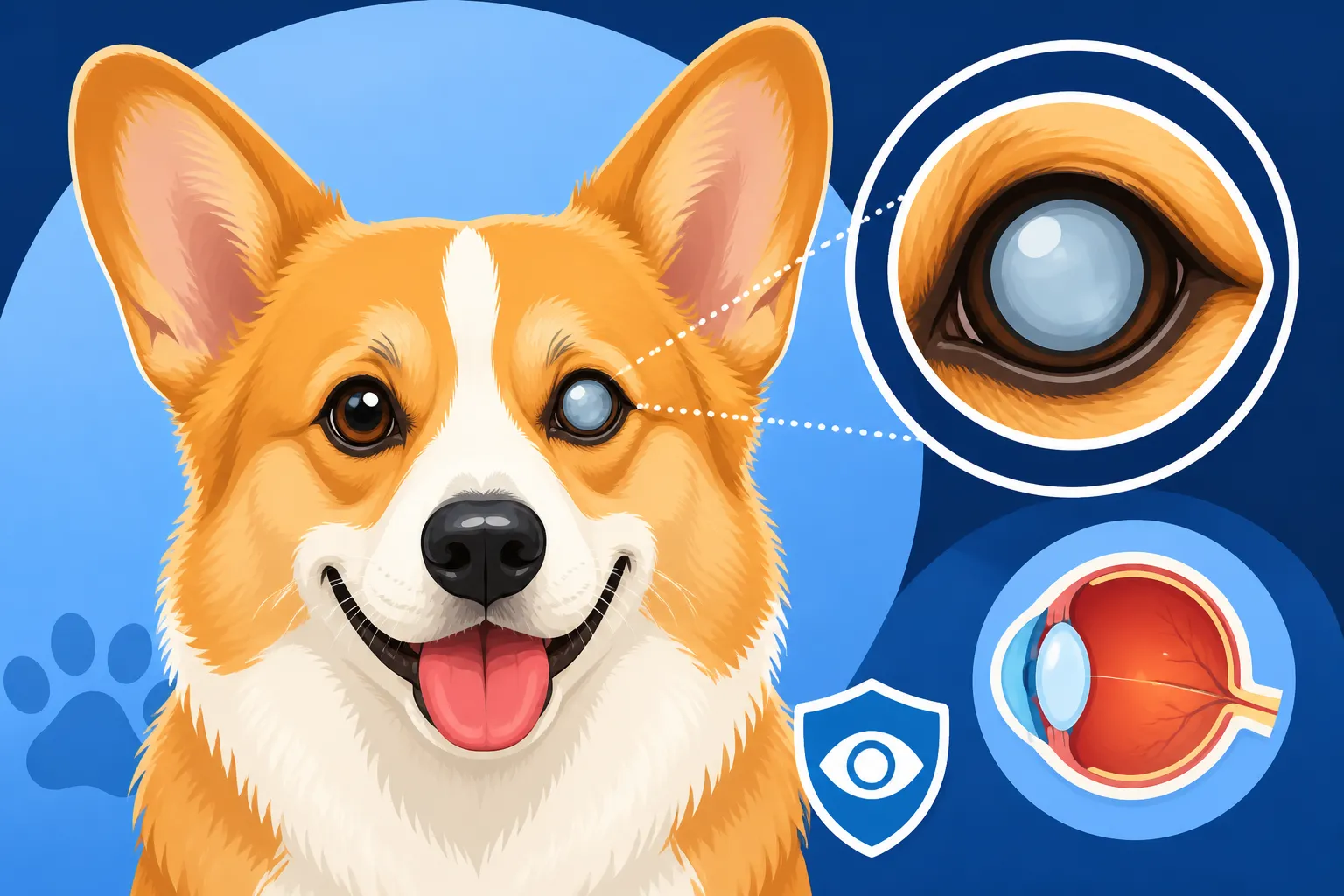
Cataracts and Lens Problems in a Corgi
There’s nothing quite like looking into your Corgi’s bright, intelligent eyes. They’re often full of mischief, curiosity, and boundless affection. So, when you start noticing a subtle cloudiness, a change in their clarity, or perhaps your Corgi seems a little more hesitant on walks or bumps into furniture, a wave of worry can sweep over you. It’s natural to feel concerned, wondering what these changes mean for your beloved companion’s comfort and quality of life. This comprehensive guide is here to shed light on cataracts and other common lens problems in Corgis, helping you understand the signs, causes, diagnosis, and management options, so you can navigate these challenges with confidence and compassion.
Understanding Corgi Eye Anatomy and Common Issues
Our little low-riders are known for their sturdy bodies and expressive faces, and their eyes are certainly a focal point. But just like any breed, Corgis have their own set of predispositions, and eye health is an area where specific conditions can crop up. Understanding the basics of their eye anatomy and what can go wrong with the lens is the first step in being a proactive Corgi parent.
The Unique Corgi Eye: What Makes Their Eyes Distinct
Corgis have lovely, round or slightly almond-shaped eyes that are typically dark in color, giving them that alert and intelligent expression we all adore. Their eyes are generally set well in their skull, neither bulging nor sunken, which offers a decent amount of protection. However, their short stature means they are often closer to the ground, potentially exposing their eyes to more dust, debris, or low-lying vegetation during their adventures. While this doesn't directly cause cataracts, it can certainly lead to other minor irritations or injuries that might prompt a vet visit where other issues could be discovered.
Their genetic makeup also plays a significant role. Like many purebred dogs, Corgis, particularly Pembroke Welsh Corgis, can carry genetic markers for certain eye conditions. While we're specifically discussing cataracts and lens problems, it's worth noting the broader context of Corgi eye health, including concerns like Corgi Eye Disease and PRA. Progressive Retinal Atrophy (PRA) is another genetic condition that affects the retina, the light-sensitive tissue at the back of the eye, eventually leading to blindness. Though distinct from lens issues, it’s a reminder that genetic screening is incredibly important for breeders and prospective owners.
Beyond Cataracts: Other Lens Problems to Be Aware Of
When a Corgi's eye looks cloudy, most people immediately think "cataract," and often, they're right. But the lens, the clear, crystalline structure inside the eye that focuses light onto the retina, can suffer from other issues besides just cataracts. These can also cause cloudiness or vision problems, and it’s important for your vet or a veterinary ophthalmologist to differentiate them.
One common condition, especially in older Corgis, is nuclear sclerosis. This is a normal age-related change where the lens fibers harden and compress. It causes a bluish-grey haze in the center of the pupil. While it looks similar to a cataract, nuclear sclerosis typically does not significantly impair vision. Think of it like presbyopia in humans – it might make reading fine print a little harder, but it’s not blinding. Your Corgi might experience some mild difficulty with close-up vision or seeing in dim light, but they generally adapt very well.
Another, less common but more severe issue, is lens luxation or subluxation, where the lens either completely dislocates (luxation) or partially shifts (subluxation) from its normal position. This can happen due to trauma, underlying genetic weaknesses in the fibers holding the lens, or as a secondary complication of other eye diseases like glaucoma. A luxated lens can cause severe pain, inflammation, and often necessitates surgical intervention to prevent further complications or vision loss. It’s an emergency situation that needs immediate veterinary attention if suspected. These varied conditions highlight why a proper diagnosis from a veterinary professional is crucial rather than just assuming every cloudy eye means a cataract.
Identifying Cataracts in Your Corgi
Spotting eye problems in your Corgi can sometimes be tricky because our dogs are masters at compensating, especially if their vision loss is gradual. However, knowing what to look for, both in their eyes and in their behavior, can help you catch issues early. Early detection is often key to effective management, particularly with conditions like cataracts where surgical intervention can restore sight.
The Cloudy Lens: What a Cataract Actually Looks Like
A cataract is essentially an opacity within the lens of the eye, causing it to become cloudy or opaque instead of clear. This cloudiness prevents light from reaching the retina properly, leading to impaired vision. The appearance can vary quite a bit depending on the type and stage of the cataract:
- Initial Stages: You might first notice a very subtle, often pearl-like or bluish-grey haze in the center of the pupil. It might only be visible in certain lighting conditions or when your Corgi is looking directly at you. Owners often describe it as their dog's eyes having a "smoky" appearance.
- Progressing Stages: As the cataract matures, the opacity becomes denser and more widespread across the lens. The eye might appear uniformly white, milky, or even glittering, obstructing more and more light. This is when vision impairment becomes much more noticeable.
- Complete Cataracts: In severe cases, the entire lens can become opaque, appearing solid white or grey. At this point, the Corgi is typically blind in that eye.
It’s important to remember that cataracts can affect one eye (unilateral) or both eyes (bilateral), though they often progress at different rates. If you notice any change in the clarity of your Corgi's eyes, even if it's just a slight clouding, it warrants a closer look from your vet.
Behavioral Signs of Vision Loss: How Your Corgi Might Act
While the physical appearance of the eye is a direct indicator, your Corgi's behavior can tell you a lot about their vision. Since Corgis are so intelligent and adaptable, they might initially mask their vision issues, especially if they are in a familiar environment. However, as the cataracts progress or if vision loss is more sudden, certain behaviors become more apparent:
- Reluctance to Navigate: You might notice your Corgi hesitates more when going up or down stairs, jumping on or off furniture (which they shouldn't be doing anyway without ramps!), or entering dimly lit rooms. They might also become more hesitant in unfamiliar places. This is often one of the first subtle hints, especially if their vision isn't yet completely gone.
- Bumping into Objects: This is a more obvious sign. They might start bumping into walls, furniture, or doorframes, particularly when moving quickly or in a new layout. You might even find them walking into their food bowl or water dish.
- Clumsiness or Misjudging Distances: Your Corgi might misjudge the height of steps, stumble more frequently, or have trouble catching toys they used to snag with ease. They might also trip over their own feet more often.
- Increased Startle Response: A Corgi with impaired vision might be more easily startled by sudden movements or sounds, as they can no longer rely on their sight to anticipate these events. They might also seem more anxious or clingy, relying more on their human companions for guidance.
- Changes in Play or Social Interaction: They might withdraw from playing fetch or other visual games. They might also be less confident interacting with other dogs, as they can't clearly see their body language cues. This isn’t a sign of aggression, but rather of uncertainty. For instance, a Corgi who used to love chasing a ball might now struggle to locate it, leading to frustration for both of you.
When to See the Vet: Don't Delay Eye Checks
Any noticeable change in your Corgi's eyes or behavior related to vision should prompt a visit to your veterinarian. Early diagnosis is important for several reasons. Firstly, it ensures accurate identification of the problem. Is it truly a cataract, or is it nuclear sclerosis, or perhaps something more complex like lens luxation or even glaucoma? Each requires a different approach. Secondly, if it is a cataract, catching it early can improve the prognosis for surgical correction, should that be an option. Waiting too long can sometimes lead to complications within the eye that make surgery more challenging or less successful.
Beyond cataracts, issues like acute glaucoma are emergencies where every hour counts to save vision. Even conditions like Night Blindness in a Corgi, which is often associated with PRA, needs timely diagnosis to understand the progression and manage expectations. Your regular vet can perform an initial examination, and if they suspect a more complex eye condition, they will likely refer you to a board-certified veterinary ophthalmologist. These specialists have advanced training and equipment to diagnose and treat eye diseases. Don't feel like you're overreacting by getting an eye change checked out; it's always better to be safe than sorry when it comes to your Corgi's precious sight.
Causes and Risk Factors for Corgi Cataracts and Lens Problems
It’s tough to see your furry friend struggle, especially when it comes to something as fundamental as their vision. Knowing why these conditions occur can help us understand how to prevent, manage, and sometimes even anticipate them. For Corgis, a mix of genetic predisposition, natural aging, and sometimes underlying health issues all contribute to the development of cataracts and other lens problems.
Genetics: The Corgi's Inherited Predispositions
Unfortunately, genetics play a significant role in the development of cataracts in many dog breeds, and Corgis are no exception. Hereditary cataracts are a common form, meaning they are passed down through generations. These can appear at various ages, from "juvenile cataracts" which manifest in young dogs (sometimes as early as puppyhood), to those that develop later in life.
For Corgi owners, it's crucial to be aware of the potential for inherited eye conditions. Reputable breeders will conduct genetic testing on their breeding stock to help minimize the risk of passing on these traits. If you're looking for a Corgi puppy, always ask the breeder about the eye health of the parents and their lineage. They should be able to provide Canine Eye Registry Foundation (CERF) or Orthopedic Foundation for Animals (OFA) eye certifications for the parents, showing that they have been examined by a veterinary ophthalmologist and found to be free of hereditary eye diseases. This is just as important as knowing about The DNA Tests a Corgi Breeder Should Run for conditions like Degenerative Myelopathy. Genetic predispositions mean that even if a Corgi has a clear eye exam as a puppy, they might still develop cataracts later in life if they carry the gene.
Age-Related Changes: The Inevitable March of Time
Just like humans, dogs experience changes as they age, and their eyes are no exception. As we discussed with nuclear sclerosis, some cloudiness in the lens is a normal part of aging. While nuclear sclerosis itself doesn't typically cause significant vision loss, the risk of developing true cataracts increases as Corgis get older.
Most age-related or "senile" cataracts develop gradually and often affect both eyes. You might start noticing them when your Corgi is around 6-8 years old or even later, sometimes coinciding with other signs of aging like decreased energy or changes in their coat. These types of cataracts can progress slowly over several years, giving your Corgi time to adapt to diminishing vision, or they can progress more rapidly. Given that The Twelve to Fifteen Year Corgi Lifespan is common, many Corgis will live long enough to experience some form of age-related eye changes. Regular veterinary check-ups become even more vital as your Corgi ages, as these can help monitor eye health and detect age-related changes early. Sometimes these changes can even overlap with other health screenings, much like Screening an Older Corgi's Spine becomes important in their senior years.
Underlying Health Conditions: Diabetes and Other Systemic Links
While genetics and age are primary drivers, certain underlying health conditions can significantly increase a Corgi's risk of developing cataracts. The most prominent of these is diabetes mellitus. Diabetic cataracts can develop very rapidly, sometimes progressing from clear to completely opaque within a matter of weeks or even days. This is because high blood sugar levels (glucose) in diabetic dogs lead to an accumulation of sorbitol in the lens, which draws water into the lens, disrupting its clarity and leading to cataract formation.
If your Corgi has been diagnosed with diabetes, it’s almost inevitable that they will develop cataracts. Regular monitoring of their blood glucose and working closely with your vet to manage their diabetes can sometimes slow the progression of cataracts, but it rarely prevents them entirely. Other less common systemic diseases, eye trauma, or chronic inflammation within the eye (uveitis) can also lead to secondary cataract formation. This interconnectedness of health conditions means that maintaining your Corgi’s overall health, including a balanced diet and appropriate exercise, is vital for their eyes as well as their general well-being.
Diagnosing Corgi Lens Problems: What to Expect at the Vet
When you bring your Corgi in for any concerns about their eyes, a thorough examination is crucial. It’s not just about confirming a cloudy lens; it’s about understanding the type of cloudiness, its cause, and the overall health of the eye. This diagnostic process helps your veterinary team determine the best course of action and what you can realistically expect for your Corgi’s vision.
Initial Eye Exam: More Than Just a Quick Look
Your primary veterinarian will typically start with a comprehensive physical examination, which includes a careful inspection of your Corgi’s eyes. This initial exam usually involves several steps:
- Visual Inspection: The vet will look at the overall appearance of the eyes, checking for redness, discharge, swelling, or obvious cloudiness. They'll also observe your Corgi’s response to light and movement.
- Menace Response and Tracking: They'll test your Corgi's ability to blink in response to a hand motion (menace response) and follow a moving object with their eyes, which gives an indication of functional vision.
- Pupillary Light Reflex (PLR): Shining a light into each eye helps determine if the retina and optic nerve are functioning correctly and if the pupils constrict as they should.
- Ophthalmoscopy: Using an ophthalmoscope, the vet can peer into the back of the eye, examining the retina and optic nerve. They’ll also be able to get a better view of the lens and assess the extent of any opacity. This often requires dilating the pupils with drops to get a clearer view, which means your Corgi’s eyes might be light-sensitive for a few hours afterward.
- Schirmer Tear Test: This test measures tear production to rule out dry eye, which can sometimes cause corneal issues that might be mistaken for lens problems.
- Fluorescein Stain: A special dye is applied to the eye to check for corneal ulcers or abrasions, which could also cause discomfort or vision changes.
During this initial exam, your vet will try to distinguish between cataracts and nuclear sclerosis. They might also inquire about your Corgi's medical history, any recent injuries, or if they have other health conditions like diabetes. For a Corgi puppy, they might also discuss genetic screening, which is a vital part of proactive care, as outlined in The Vet Visits a Corgi Puppy Needs First.
Specialized Ophthalmic Tests: Deeper Dives into Eye Health
If the initial exam suggests a cataract or a more complex lens problem, or if surgery is being considered, your vet will likely refer you to a board-certified veterinary ophthalmologist. This specialist has advanced equipment and expertise for a more in-depth assessment:
- Slit Lamp Biomicroscopy: This tool allows the ophthalmologist to examine the front structures of the eye, including the cornea, iris, and lens, under high magnification and with a narrow beam of light. This provides a detailed view of the cataract's location, type, and density.
- Ocular Ultrasonography: An ultrasound of the eye is often performed if the cataract is so dense that the ophthalmologist cannot see the retina. This allows them to assess the health of the retina and look for any other abnormalities behind the lens, which is crucial for determining if cataract surgery would be beneficial. If the retina is damaged, removing the cataract wouldn't restore functional vision.
- Electroretinography (ERG): This advanced test measures the electrical activity of the retina in response to light, confirming that the retina is functional. A healthy retina is a prerequisite for successful cataract surgery. Without it, even a clear lens won't allow your Corgi to see.
- Tonometry: This measures the intraocular pressure (IOP) to check for glaucoma, a painful condition that often co-occurs with or can be caused by lens problems. Knowing if pressure is high is critical for immediate treatment.
These specialized tests provide a comprehensive picture of your Corgi's eye health, guiding the ophthalmologist in making the most informed recommendations for treatment.
Differentiating Between Conditions: It's Not Always a Cataract
It's absolutely essential to get an accurate diagnosis because not every cloudy eye means a cataract, and not every cataract is treated the same way. As mentioned, nuclear sclerosis is very common in older dogs and often doesn’t require treatment. However, other conditions that can mimic cataracts include:
- Corneal Dystrophy or Edema: Cloudiness on the surface of the eye (the cornea) can sometimes be mistaken for a lens issue. This can be due to genetic conditions, injury, or other diseases.
- Anterior Uveitis: Inflammation inside the front part of the eye can cause the aqueous humor to become cloudy, mimicking a cataract and often causing pain.
- Glaucoma: Increased pressure within the eye can cause corneal edema (cloudiness) and pupil dilation, leading to a hazy appearance and vision loss. This is a painful and sight-threatening emergency.
- Retinal Degeneration (like PRA): While the lens itself is clear, severe retinal degeneration means the eye can't process light, effectively causing blindness. The pupil might appear dilated, and the dog acts blind, but the lens is fine. This is why thorough testing, including ERG, is so important.
Your veterinary ophthalmologist will carefully differentiate these conditions using their expertise and specialized tools. This distinction is vital because treating the wrong condition or missing an underlying cause can have serious consequences for your Corgi's vision and comfort. This meticulous diagnostic process is key, just as a prompt response to Emergency Signs of a Corgi Disc Injury is vital for spinal health.
Here’s a quick overview of how some common causes of eye cloudiness in Corgis differ:
| Condition | Primary Location of Cloudiness | Typical Appearance | Impact on Vision | Pain Level | Common Causes |
|---|---|---|---|---|---|
| Cataract | Lens | White, milky, or pearl-like opacity | Mild to Severe Vision Loss/Blindness | None (unless secondary complications) | Genetic, Age, Diabetes, Trauma, Inflammation |
| Nuclear Sclerosis | Lens (central) | Bluish-grey haze | Minimal to mild impairment (presbyopia-like) | None | Age-related (normal) |
| Corneal Edema | Cornea (surface of eye) | Hazy, bluish, "steamy" | Variable, can be significant | Variable | Glaucoma, Injury, Infection, Corneal Dystrophy |
| Anterior Uveitis | Anterior Chamber | Hazy fluid, pupil constriction | Variable, often painful | High | Autoimmune, Infection, Trauma, Systemic Disease, Tumors |
| Glaucoma | Entire eye (secondary corneal edema) | Enlarged eye, red, hazy cornea | Rapid, severe vision loss | High | Genetic, Secondary to other eye diseases, Lens Luxation |
Managing Cataracts and Lens Problems in Corgis
Once a diagnosis is confirmed, the next step is determining the best course of action. This will depend on the type of lens problem, its severity, the underlying cause, your Corgi's overall health, and your family's circumstances. For cataracts, treatment options range from medical management to highly specialized surgery, and for other lens issues, the approach can be quite different.
Medical Management: When Surgery Isn't an Option
For some Corgis, surgery might not be a viable option. This could be due to several factors:
- Financial Constraints: Cataract surgery is a specialized procedure that can be quite expensive, sometimes costing several thousands of dollars per eye. This is where pet insurance, like a plan from Healthy Paws, can be incredibly beneficial if enrolled before any signs of eye problems appear, as pre-existing conditions are typically not covered.
- Overall Health Concerns: If your Corgi has significant underlying health issues, such as severe heart disease, kidney disease, or uncontrolled diabetes, they might not be a good candidate for anesthesia and surgery. The risks of the procedure might outweigh the benefits.
- Retinal Damage: If the ocular ultrasound or ERG tests reveal that the retina is already damaged or non-functional (as might be the case with advanced PRA), then removing the cataract wouldn't restore sight, making surgery unnecessary.
- Nuclear Sclerosis: As discussed, if the cloudiness is diagnosed as nuclear sclerosis, medical management is generally not needed, as vision is only minimally affected.
In situations where surgery isn't an option or isn't necessary, the focus shifts to supportive care and managing any secondary complications. For cataracts, there are no oral medications or eye drops that can dissolve or reverse a cataract once it has formed. However, drops might be prescribed to manage inflammation if the cataract is causing secondary uveitis (inflammation inside the eye), which can happen if the cataract becomes "leaky" or hypermature. These anti-inflammatory drops aim to keep the eye comfortable and prevent further damage. For other lens issues like mild lens subluxation, anti-inflammatory drops might also be used to manage discomfort. The goal of medical management is to maintain comfort and quality of life, even if vision cannot be restored.
Surgical Intervention: Restoring Sight Through an Operation
For Corgis with significant vision-impairing cataracts and otherwise healthy eyes, cataract surgery is often the most effective treatment to restore sight. This is a highly specialized procedure performed by a veterinary ophthalmologist, similar to human cataract surgery.
- Phacoemulsification: The standard technique is called phacoemulsification. Under general anesthesia, a tiny incision is made in the cornea. A small probe is inserted that emits ultrasonic waves, breaking up the cataractous lens into tiny fragments. These fragments are then suctioned out of the eye.
- Intraocular Lens (IOL) Implantation: After the old lens material is removed, an artificial intraocular lens (IOL) is typically implanted into the eye. This artificial lens helps to restore proper light focus, allowing your Corgi to see clearly again. If an IOL cannot be implanted for some reason, your Corgi will still be able to see, but their vision will be very farsighted (blurry up close), like looking through a thick pair of glasses.
- Post-Operative Care: This is crucial for success. Your Corgi will need to wear an Elizabethan collar (the "cone of shame") for several weeks to prevent them from rubbing or scratching their eyes. You'll also administer multiple eye drops several times a day to control inflammation, prevent infection, and aid healing. Strict activity restriction, similar to Six Weeks of Crate Rest With a Corgi for back injuries, is also vital to prevent strain or injury to the healing eye. Regular follow-up appointments with the ophthalmologist are necessary to monitor progress and adjust medications.
The success rate for canine cataract surgery is generally very high, often above 90%, especially when performed on suitable candidates by experienced specialists. However, potential complications can include glaucoma, retinal detachment, infection, and ongoing inflammation. For many Corgi owners, the joy of seeing their dog regain sight and confidence is immeasurable, making the financial and time commitment worthwhile. A good pet insurance policy could potentially cover a significant portion of this investment.
Life with Vision Impairment: Adapting Your Home and Routine
Whether due to non-surgical management, unsuccessful surgery, or other untreatable eye conditions, some Corgis will live with some degree of vision impairment or complete blindness. The good news is that dogs are incredibly resilient and can adapt remarkably well to life without full sight, especially with the love and support of their families.
- Maintain Consistency: Keep your home environment as consistent as possible. Avoid frequently rearranging furniture or introducing new obstacles, as this can disorient your Corgi. If you must move something, guide them around it several times.
- Establish Verbal Cues: Use consistent verbal cues for navigating, such as "step up," "step down," "wait," "left," and "right." This helps them understand and move safely.
- Sensory Aids: Use scent markers (e.g., essential oils on furniture legs, different scented air fresheners in rooms) to help them orient themselves. Non-slip mats or runners, especially on hard floors, can also provide tactile cues and prevent falls, which is important for a breed prone to back issues like a Corgi.
- Safety First: Block off stairs with baby gates if your Corgi can no longer safely navigate them. Ensure there are no sharp edges or hazards at their height. When outdoors, always keep them on a leash in unfamiliar areas, or in a securely fenced yard where you know there are no dangers.
- Enrichment: Don't let vision loss stop your Corgi from enjoying life. Engage their other senses with scent games, puzzle toys, and plenty of verbal praise and touch. A Corgi who has lost their sight can still enjoy walks, exploring new smells (safely on-leash), and interacting with their family. Learning to guide a Corgi that has lost its sight is a journey, but a rewarding one.
- Consider a "Halo" Vest: For Corgis who frequently bump into things, a halo-style vest (like a Muffin's Halo or similar brand) can act as a bumper, protecting their head and giving them confidence to move around.
- Patience and Empathy: Remember that vision loss can be disorienting and sometimes frightening for your Corgi. Be patient, provide lots of reassurance, and celebrate their small victories as they adapt. Your calm presence is their greatest comfort.
Preventative Measures and Ongoing Care
While some eye problems are unavoidable, there are definite steps Corgi owners can take to minimize risks and ensure their beloved companions enjoy the best possible vision for as long as possible. A proactive approach, focusing on responsible breeding, overall health, and regular veterinary check-ups, forms the cornerstone of good Corgi eye care.
Responsible Breeding and Genetic Screening: The Long-Term Impact
For hereditary cataracts and other inherited eye conditions, the most powerful preventative measure lies in responsible breeding practices. Reputable Corgi breeders are committed to improving the health of the breed and will take specific steps to screen their breeding stock:
- OFA/CERF Eye Exams: As mentioned earlier, breeders should have their breeding dogs examined annually by a board-certified veterinary ophthalmologist. These exams are registered with organizations like the Orthopedic Foundation for Animals (OFA) or the Canine Eye Registry Foundation (CERF), certifying that the dogs are free from observable hereditary eye diseases at the time of examination. This helps prevent the passing on of conditions like cataracts or PRA.
- Genetic Testing: For conditions where a specific gene mutation has been identified (such as for some forms of PRA), genetic testing can identify carriers and affected dogs. Breeders should always screen their dogs before breeding and use these results to make informed decisions, ensuring that two carriers are never bred together. Understanding results like The Corgi PRA Gene Test or genetic markers for cataracts, is crucial.
- Transparency: A responsible breeder will be transparent about the health history of their breeding dogs and previous litters. They should be willing to share all health certifications and discuss any eye conditions that have occurred in their lines.
If you are considering bringing a Corgi into your family, do your homework. Choosing a puppy from health-tested parents significantly reduces the risk of inheriting serious eye problems, saving you heartache and potentially substantial veterinary bills down the line. It's a key step in ensuring a healthy lifespan for your Corgi.
Nutritional Support and Overall Health: Keeping Eyes Healthy from Within
A healthy body contributes to healthy eyes. While no special diet can prevent all cataracts, a balanced, high-quality diet and good overall health habits can certainly support eye health and minimize the risk of some secondary causes.
- Balanced Diet: Ensure your Corgi is fed a complete and balanced commercial dog food appropriate for their life stage. A diet rich in antioxidants (vitamins C and E, lutein, beta-carotene) can help protect cells from oxidative damage, which is believed to play a role in cataract formation. Many high-quality dog foods include these.
- Weight Management: Keeping your Corgi at a healthy weight is paramount. Obesity puts a strain on their entire system and can contribute to conditions like diabetes, which as we know, is a significant risk factor for cataracts. Maintaining The Body Condition Score a Corgi Should Hold is vital not just for their back, but for their eyes too.
- Control Underlying Diseases: If your Corgi has a condition like diabetes, diligent management of their blood sugar levels with your veterinarian is crucial. Good diabetic control can sometimes slow the progression of diabetic cataracts, though it may not prevent them entirely. Regular vet visits for blood panels are key to monitoring overall health.
- Supplements (with caution): While some eye supplements are marketed for dogs, always consult with your veterinarian before adding any to your Corgi's diet. Generic supplements might not be necessary or beneficial, and some can even be harmful in large doses. Your vet can advise if any specific supplementation is warranted based on your Corgi's individual needs.
Regular Veterinary Check-ups: Proactive Care is Key
Even with the best breeding and home care, regular veterinary check-ups are non-negotiable for monitoring your Corgi's eye health. These routine visits allow your vet to:
- Perform Routine Eye Exams: As part of their annual wellness exam, your vet will always perform a basic eye check. This allows them to catch subtle changes early before they become advanced.
- Monitor for Age-Related Changes: As your Corgi moves into their senior years, your vet can keep a close eye on the natural progression of nuclear sclerosis and the potential development of age-related cataracts. Early detection helps you prepare and plan.
- Screen for Systemic Diseases: Annual blood work, especially for older Corgis, can screen for conditions like diabetes or other metabolic issues that could impact eye health. Catching these early allows for prompt treatment and can indirectly protect their eyes.
- Address Injuries or Infections: Regular check-ups or prompt visits for specific concerns mean that any eye injuries or infections (which can sometimes lead to secondary cataracts or other complications if left untreated) can be addressed quickly and effectively. Even something as simple as a scratch from low undergrowth can cause problems if not treated.
Investing in a good pet insurance plan, such as those offered by Healthy Paws, can also provide peace of mind for unexpected eye issues or the high costs associated with cataract surgery. Planning for potential health challenges, including the financial aspect, is an important part of being a responsible Corgi owner, much like understanding What a Corgi Costs a Year Before Any Back Trouble in general. By being proactive and attentive to your Corgi's eye health, you give them the best chance at a long, happy, and sight-filled life.
Disclaimer
Please remember that the information provided in this guide is for informational purposes only and is not a substitute for professional veterinary advice. Always consult with a qualified veterinarian or a board-certified veterinary ophthalmologist regarding any health concerns or before making any decisions about your Corgi's care.