The Hair New Corgi Owners Underestimate
So you've welcomed a Corgi into your home, full of dreams about those adorable waddles, that cheeky smile, and endless cuddles. What many new Corgi owners quickly discover, often with a mix of shock and amusement, is that these compact, low-riding bundles of joy come with a superpower: shedding. And not just a little bit of shedding – we're talking about an astonishing, almost unbelievable amount of hair that seems to manifest out of thin air. This guide is here to prepare you for the glorious, fluffy reality of Corgi ownership and equip you with strategies to keep your home from becoming a Corgi-hair tumbleweed farm.
The Corgi Double Coat: A Shedding Machine
It's easy to look at a Corgi and think, "Oh, they're not that big, how much could they possibly shed?" The answer, my friend, is a lot. A whole, whole lot. This isn't just surface-level hair; it's a deep, dense, weather-resistant coat designed for working outdoors, and it requires some serious management.
Understanding the Undercoat and Guard Hairs
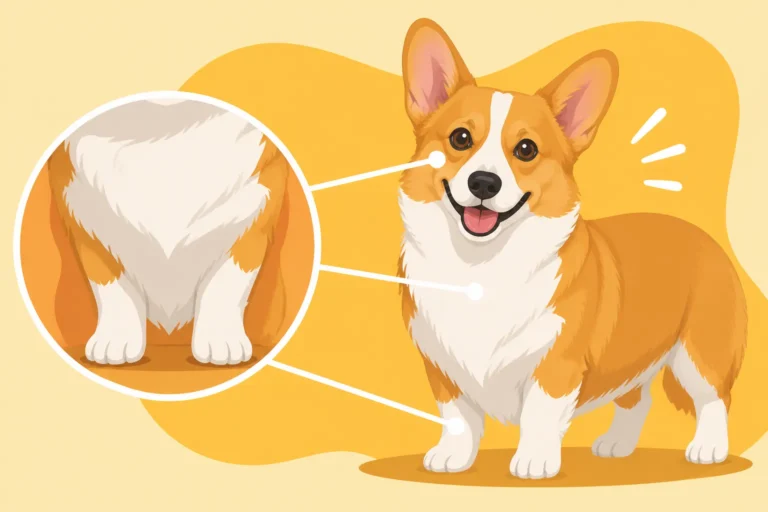
A Corgi's coat isn't just one layer; it's a sophisticated, dual-layered system perfectly adapted to its original purpose of herding livestock in the often-chilly Welsh climate. The outer layer consists of coarse, somewhat wiry guard hairs. These are the hairs that give the Corgi its distinct color and act as a protective barrier, repelling water and dirt, and shielding their skin from harsh elements. They're pretty resilient and don't typically fall out in huge quantities on a daily basis.
Beneath this protective outer layer lies the real culprit for the endless fluff: the undercoat. This is a soft, dense, downy layer of fur that acts as insulation, keeping your Corgi warm in winter and helping to regulate their body temperature in summer. It's this incredibly thick undercoat that sheds profusely, essentially "blowing out" to make way for new growth or to adapt to seasonal temperature changes. You might feel it when you try to pet your Corgi – that soft, plush feeling beneath the coarser top layer. This undercoat is what generates those infamous Corgi dust bunnies that seem to multiply overnight. Knowing this difference is key to understanding Why a Corgi Sheds All Year and Not Just Twice.
Why the Seasonal "Blow Out" is So Extreme
While Corgis shed consistently throughout the year, there are two distinct periods when the shedding escalates to epic proportions: spring and fall. These are known as "coat blows" or "seasonal shedding." In the spring, your Corgi sheds its thick winter undercoat to prepare for warmer weather, replacing it with a lighter, less dense one. Come fall, they shed that lighter coat to grow in a heavier, warmer one for the colder months.
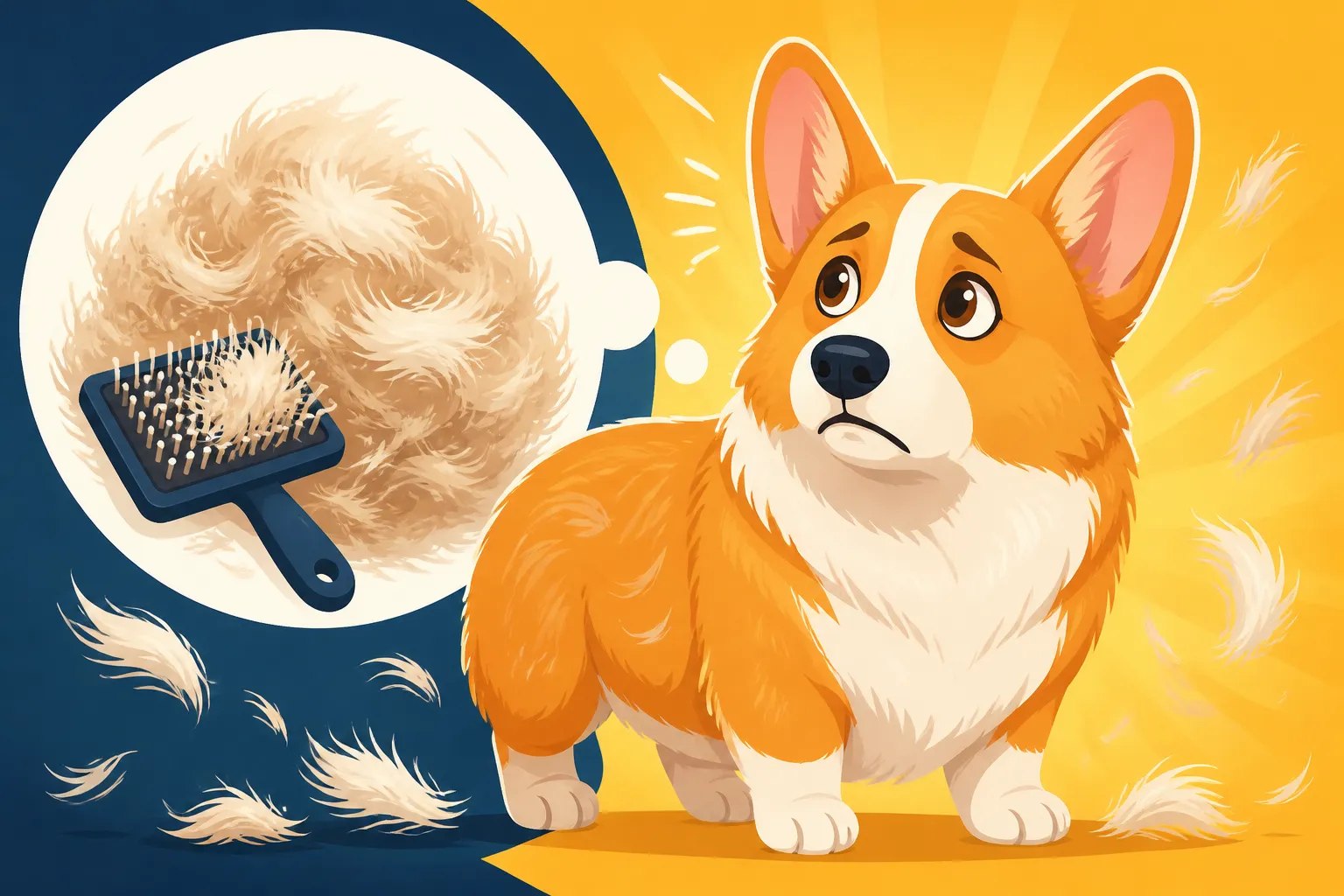
During these coat blows, it can truly feel like your Corgi is disintegrating right before your eyes. You'll pull out what feels like entire small dogs worth of hair, only for more to appear moments later. This isn't a sign of ill health; it's just how their coat works. If you've never experienced it, it can be truly astounding how much hair a relatively small dog like a Corgi can produce. Imagine raking leaves in your yard, but the leaves are dog hair, and they're constantly growing back. It's an intense, but normal, part of owning one of these wonderful dogs.
Living with the Corgi Hair Tumbleweeds
Facing the reality of Corgi shedding might make you want to invest in a hazmat suit and an industrial-strength vacuum. While that might be a slight exaggeration, understanding practical management strategies is crucial for maintaining both your sanity and your home's cleanliness.
Daily Brushing as a Necessity, Not a Choice
For many dog breeds, brushing is a nice-to-have, a way to bond or keep their coat looking tidy. For a Corgi, it's non-negotiable. Daily brushing, especially during those seasonal blowouts, is your absolute best defense against being utterly overwhelmed by fur. Waiting until you see clumps of hair floating through the air means you're already behind.
You'll need the right tools for the job. A good quality undercoat rake or de-shedding tool is essential. These tools are specifically designed to reach through the guard hairs and pull out that loose, dead undercoat without damaging the top layer. Trust me, a regular slicker brush just won't cut it for the volume of hair a Corgi produces. Think of it as preventative maintenance for your home – the more hair you remove directly from your dog, the less ends up on your furniture, floors, and clothes. When brushing, make sure you get all the way down to the skin to truly extract the loose undercoat. You'll be amazed at How Much Hair a Twenty-Eight Pound Corgi Drops during a single session. I often find the best time to brush is outdoors, so the hair doesn't instantly recirculate in the house!
Strategies for Managing Hair in Your Home
Even with diligent daily brushing, Corgi hair is an inevitable part of your home décor. But there are ways to minimize its impact.
Firstly, invest in a powerful vacuum cleaner. Not just any vacuum, but one designed for pet hair, ideally with good suction and attachments for upholstery. You'll be using it frequently. Consider running it daily, or at least every other day, during peak shedding seasons. Robotic vacuums can also be a lifesaver for maintaining floors between deeper cleans, especially if you set them to run frequently.
Secondly, rethink your furniture and flooring choices if you're in the planning stages. While you can't always control these things, lighter colored upholstery might show dark Corgi hairs less, and hard floors are generally easier to clean than carpets. If you have carpets, consider washable area rugs that can be easily tossed into the laundry. Regular use of lint rollers will become second nature – you might want to keep one by the door, in your car, and certainly in your laundry room. Many Corgi owners have found that washing dog beds and blankets frequently helps, and adding a simple hair catcher to your washing machine can save your drains from becoming clogged with Corgi fluff. Products like those available on Chewy can provide excellent solutions for various pet hair challenges, from specialized vacuums to laundry additives.
Common Misconceptions and What NOT to Do
In desperation to control the shedding, some new Corgi owners might consider drastic measures. It's crucial to understand why some popular "solutions" are actually detrimental to your Corgi's health and coat.
The Myth of Shaving a Corgi
This is perhaps the most common, and most harmful, misconception. Many people assume that shaving a double-coated dog like a Corgi will reduce shedding and keep them cooler in summer. This couldn't be further from the truth. Shaving a Corgi is almost universally discouraged by veterinarians and professional groomers for several important reasons:
- Damage to the Coat's Function: The Corgi's double coat is designed to regulate their body temperature. The undercoat insulates against both cold and heat. Shaving removes this natural insulation, making them more susceptible to overheating in summer and colder in winter. It also exposes their sensitive skin to the sun, increasing the risk of sunburn and skin cancer. This is why Why Clipping a Corgi Ruins the Coat is such an important topic.
- Irreversible Coat Damage: Shaving can permanently damage the growth cycle of a Corgi's coat. The guard hairs may not grow back correctly, if at all, leading to a patchy, uneven coat that doesn't offer proper protection. The undercoat often grows back thicker and coarser, exacerbating shedding problems rather than solving them.
- Increased Risk of Skin Issues: Without the protective outer layer, a Corgi's skin is vulnerable to cuts, scrapes, insect bites, and various skin infections.
Instead of shaving, focus on proper grooming techniques that maintain the integrity of their natural coat.
Grooming Tools That Actually Help (and Hurt)
Choosing the right tools is paramount. As mentioned, an undercoat rake or a de-shedding tool is your best friend. A good quality pin brush can also help detangle the guard hairs and a metal comb is useful for checking for mats in the longer feathering around their legs and hindquarters.
What to avoid?
- Clippers/Shears (unless for sanitary trims): As discussed, avoid shaving the body. The only acceptable use for clippers might be very careful sanitary trims around the hindquarters to keep things clean, or trimming the "furnishings" (longer hairs) on their feet, but this should be done with extreme caution or by a professional groomer.
- Blunt Scissors: Attempting to trim their body hair with blunt scissors can lead to an uneven, choppy look and damage the coat.
- Harsh or Poor Quality Brushes: Brushes with sharp bristles can irritate your Corgi's skin or pull out healthy guard hairs unnecessarily.
It's about working with their coat, not against it. Understanding the specific design of their double coat guides you toward effective and safe grooming practices.
Here's a quick overview of essential Corgi grooming tools:
| Tool Type | Purpose | Frequency (General) | Notes |
|---|---|---|---|
| Undercoat Rake | Removes loose undercoat, prevents matting | Daily, especially during coat blows | Essential for managing heavy shedding |
| De-shedding Tool | Reaches deep into undercoat to remove loose hair | 2-3 times a week, more during blowouts | Use gently, can be very effective |
| Pin Brush | Detangles guard hairs, removes loose surface hair | Daily | Good for overall tidiness and distributing natural oils |
| Metal Comb | Checks for mats, smooths feathering | Several times a week, especially "pants" | Essential for areas with longer hair, like legs and hindquarters |
| Nail Clippers/Grinder | Keeps nails short to prevent orthopedic issues | Every 2-4 weeks | Crucial for Corgi comfort and back health |
| Grooming Wipes | Quick clean-ups, paw wiping | As needed | Useful for mud, dirt, or after potty breaks |
Integrating Grooming into Your Corgi's Routine
Grooming isn't just about managing hair; it's an important part of your Corgi's overall health and well-being. Making it a positive and consistent experience benefits both of you.
Making Grooming a Positive Experience
Start grooming your Corgi puppy early. Even if they don't have a thick undercoat yet, getting them used to being handled, brushed, and having their feet and ears touched is invaluable. Use positive reinforcement, plenty of treats, and calm praise. Keep sessions short and sweet initially, gradually increasing the duration as they become more comfortable. This foundational work pays dividends when they mature and their coat fully develops.
If your adult Corgi is already resistant to grooming, it's not too late to turn things around. Break down the grooming process into tiny steps. Reward heavily for even slight cooperation. For example, touch the brush to them and reward. Then a single stroke and reward. Over time, they'll associate grooming with positive experiences. Remember, a calm, patient approach is key. Many excellent training resources, including those on Chewy, offer advice on making grooming a stress-free activity for your pup. Sometimes, a special high-value treat during grooming sessions can make all the difference.
When to Call in the Professionals
While daily home grooming is critical, a professional groomer can be an invaluable partner in managing your Corgi's coat. They have high-velocity dryers that can blast out an incredible amount of loose undercoat, often far more effectively than you can achieve at home. These dryers are specifically designed to push air through the dense coat without damaging it, and it significantly reduces the amount of shedding in your home for weeks afterward.
A professional groomer can also provide expertise in nail trims (which are crucial for Corgi Hips and Front-End Structure and overall comfort), ear cleaning, and careful sanitary trims. If you're struggling with mats, or if your Corgi becomes overly stressed by grooming, a professional can handle it with expertise and specialized equipment. Just be sure to find a groomer experienced with double-coated breeds who understands the importance of not shaving a Corgi. Discuss their de-shedding services and clarify that you want the coat preserved. Getting a professional de-shedding treatment a few times a year, particularly before the big seasonal blows, can make home maintenance much more manageable. You might be surprised at the What a Groomer Charges to Blow Out a Corgi, but many owners find it to be a worthwhile investment in their peace of mind and the cleanliness of their home.
Dealing with the Corgi Hair Aftermath
Even with the best grooming routine, you'll still find Corgi hair. It's just a fact of life with these wonderful dogs. Embrace it as part of the Corgi charm!
Cleaning Techniques Beyond the Vacuum
Beyond your trusty vacuum, there are other tools that can help in the battle against Corgi fluff. Rubber brushes or squeegees can be incredibly effective at pulling hair off carpets and upholstery where your vacuum might miss. Simply drag them across the surface, and you'll be amazed at the hidden hair they unearth. Microfiber cloths are also excellent for wiping down surfaces and picking up stray hairs. For clothes, a strong lint roller is indispensable, as mentioned earlier.
For those persistent hairs that seem to weave themselves into everything, a damp cloth or sponge can sometimes lift them out of fabric better than a dry one. Regularly washing throws, blankets, and your Corgi's bed in your washing machine can also remove a significant amount of embedded hair, just be sure to clear your lint trap often! Some people even use rubber gloves slightly dampened with water to wipe down furniture and gather hair. It becomes a game of finding what works best for your specific home and lifestyle.
Health Considerations of a Shedding Corgi
While shedding is normal, excessive shedding paired with other symptoms could indicate an underlying health issue. If your Corgi is shedding in patches, has flaky or red skin, is excessively itchy, or the coat seems unusually dull or brittle, it's always worth a vet visit. These could be signs of allergies, parasites, nutritional deficiencies, or other medical conditions. Also, remember that while Corgi shedding is a constant, sudden, dramatic increases outside of the normal seasonal blows might warrant a check-up.
For the most part, though, the hair you find is simply a healthy, natural part of their coat cycle. It's a testament to their robust, outdoor-ready double coat. While you might complain about the fluff, it's also a part of what makes them such resilient and distinctive companions. Embracing the shedding, rather than fighting it, often makes the experience much more manageable for everyone involved. Your Corgi is giving you a piece of themselves, literally, every single day!
Disclaimer
This article is for general informational purposes only and does not constitute professional advice. Laws, prices and regulations vary by location and change over time. Consult a qualified professional for guidance on your specific situation.