What Makes a Corgi Sable
Have you ever looked at a Corgi puppy with a gorgeous blend of red, black, and maybe even some shadowy grey, only to wonder if they’ll keep those unique markings as they grow? It’s a common puzzlement for many prospective and current Corgi parents, especially when trying to understand the nuances of a sable coat. This guide will walk you through exactly what makes a Corgi sable, how to recognize this distinctive color, and what to expect as your puppy matures.
Understanding the Sable Corgi Coat: More Than Just Red
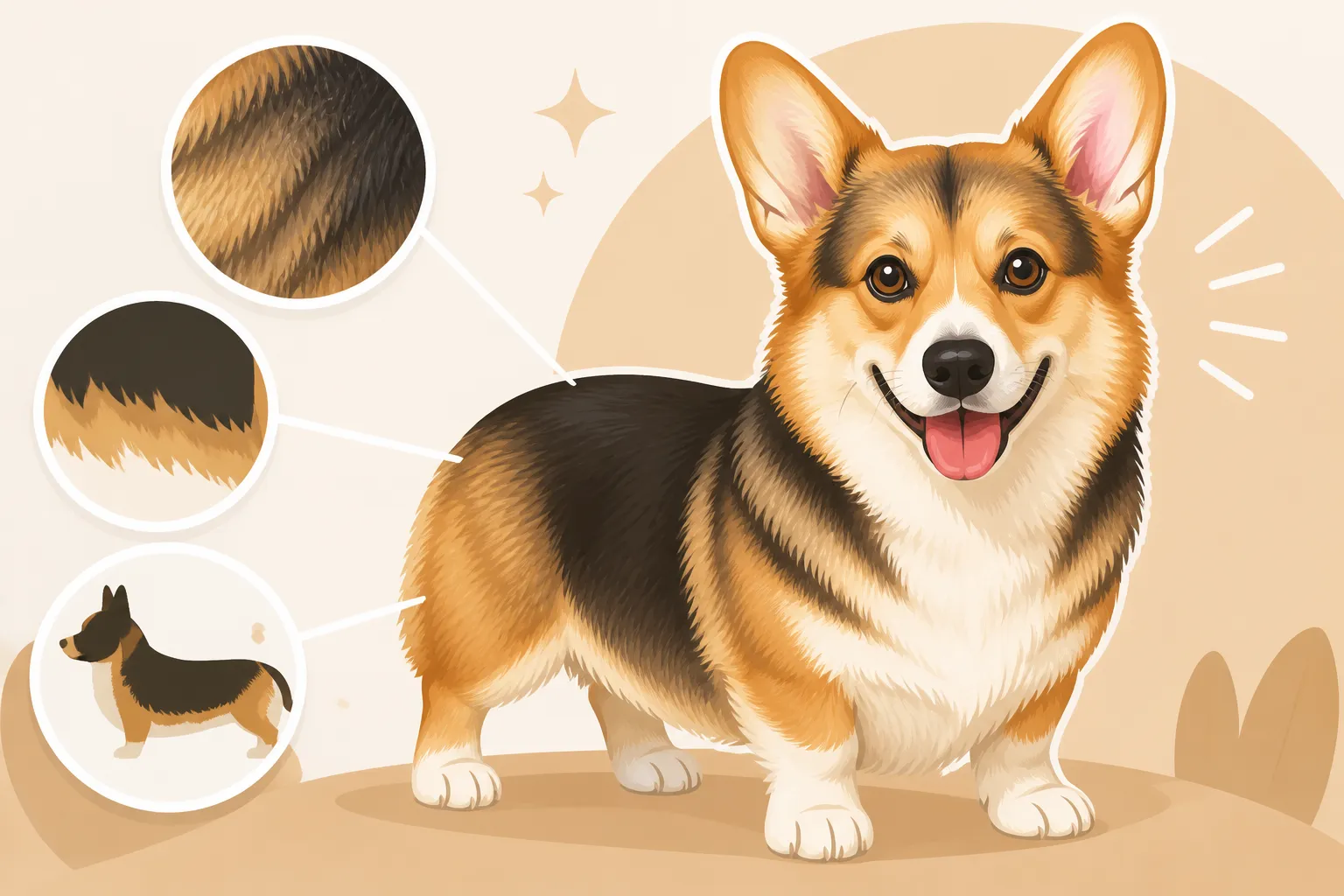
The term "sable" in Corgis can sometimes be a bit confusing, even for seasoned enthusiasts. It's not just a generic description for a reddish dog; it refers to a specific genetic expression that creates a stunning, multi-tonal coat. At its heart, a sable Corgi is a red dog, but with a unique twist: each individual red hair strand is tipped with black. This isn't like a black and tan Corgi, where you have distinct patches of black and tan; instead, the black is overlaid or "shaded" onto a red or fawn base, giving the coat a rich, dynamic appearance. It's often described as a smoky or shadowy effect, especially on the back, ears, and sometimes even the legs.
The Genetics Behind the Sable Shading
To truly grasp what makes a Corgi sable, we need to dip our toes into a little bit of Corgi genetics, but don't worry, we won't get too technical! The sable coat color is primarily controlled by the Agouti gene series, specifically the Ay allele, which is responsible for fawn or sable coloration. When a Corgi inherits certain combinations of genes, particularly one that expresses red but also has this 'sable' modifier, it results in the black tipping. This isn't random; it's a deliberate genetic blueprint that dictates how melanin (the pigment responsible for color) is distributed along each hair shaft. Think of it like a paintbrush lightly dusting the ends of thousands of red bristles with black, creating that characteristic shaded look. This genetic makeup ensures that the beautiful depth of a sable coat isn't just a fluke but a predictable and cherished part of their lineage. You can learn more about how genetics play a role in breed traits by looking into The DNA Tests a Corgi Breeder Should Run.
Distinguishing Sable from Other Corgi Colors
It’s easy to get sable mixed up with other Corgi coat colors, especially red and black and tan. A pure red Corgi will have a solid red coat without any significant black tipping on the individual hairs, though they might have a very light amount of shading on their ears or tails, which some might mistake for sable. Fawn Corgis are also red, but typically a much lighter, creamy version, and again, lack the prominent black overlay. Black and tan Corgis, on the other hand, have clear, distinct areas of black and tan or red. Their patterns are very defined, with black usually covering the back and sides, and tan or red markings on their face, chest, and legs, often with "eyebrows." The key difference with sable is that the black isn't in large, blocky sections; it's subtle, interwoven, and gives the coat a smoky, sometimes almost dusty appearance. When you look closely at a sable Corgi, you'll see those individual black-tipped hairs creating a beautiful depth, often more pronounced on the back and along the top of the head. For a deeper dive into the array of hues, check out Red, Sable, Fawn and Black-and-Tan Corgis.
| Corgi Coat Color | Primary Description | Key Distinguishing Feature | Typical Black Presence |
|---|---|---|---|
| Sable | Red/Fawn base | Black tipping on individual hairs | Subtle, blended, often on back/ears |
| Red | Solid red | Uniform color, minimal shading | Very little to none |
| Fawn | Creamy red/tan | Lightest red, soft appearance | None |
| Black & Tan | Distinct black and tan/red patches | Clear, defined color blocks | Prominent patches |
The Incredible Transformation of a Sable Corgi Puppy
One of the most fascinating aspects of a sable Corgi is how much their coat can change from puppyhood to adulthood. Many new Corgi parents are surprised, and sometimes even a little worried, when their tiny sable pup, who arrived with a deep, almost smoky-black back and head, starts to lighten up. This transformation is completely normal and part of the sable charm! Those dark, shadowy markings that are so prominent in a young puppy tend to "clear" as they mature, often revealing a brighter red or fawn base underneath.
Spotting a Sable Corgi Puppy
When you first meet a sable Corgi puppy, you'll likely notice the heavily shaded areas, particularly on their back, tail, and ears. These dark tips can make a young sable puppy appear almost black and tan, or even a very dark, smoky red. They often have what some affectionately call a "smutty" appearance – a slightly messy, dark overlay that isn't quite black, but certainly not pure red. You might see a dark mask around their eyes or a definite darkening along their spine. This initial heavy shading is a hallmark of the sable coat in its early stages. It's one of those things that, once you know what to look for, becomes a fun game of identification. It also makes for some adorable puppy pictures that look quite different from their adult selves! You can often tell even at a young age that this isn't a traditional red or fawn because of the intensity of that dark wash.
The Clearing Process: From Smoky to Radiant
As your sable Corgi puppy grows, typically between six months and two years of age, their coat will undergo a remarkable "clearing" process. The heavily black-tipped hairs that gave them that smoky puppy look will gradually shed out, and the new growth will have less black tipping, or the black will be concentrated only on the very ends of the hair. This often results in a dog whose adult coat is a vibrant, rich red or fawn with just a subtle hint of the former shading, often still visible along the spine, on the ears, and around the tail. It’s like watching a painter slowly reveal the true masterpiece beneath an initial sketch.
This is why it's sometimes hard to predict the exact adult shade of a sable Corgi puppy. A very dark sable pup might clear to a brilliant red, while another might retain more of that beautiful, shadowy overlay, becoming a "shaded sable." Don't be alarmed if your Corgi puppy looks quite different after their first big shed; it's all part of their natural beauty evolving. Many owners find this transformation fascinating, almost like getting a new dog! For more on how Corgi coats develop, consider reading Whether a Corgi Puppy Darkens as It Grows.
The Nuances of Sable: Shading, Masks, and Fairy Saddles
Sable isn't a monolithic color; there's a lovely spectrum of variations within the sable category itself. From lighter, almost fawn-like sables with minimal tipping to darker, heavily shaded ones that retain much of their puppy's smoky charm, each sable Corgi has its own unique presentation. These variations are what make the color so captivating and often prompt lively discussions among Corgi enthusiasts.
Light Sable vs. Shaded Sable
The primary distinction within the sable category often comes down to the amount and intensity of black tipping. A light sable Corgi will have a predominantly red or fawn coat, with very sparse or fine black tipping. This tipping might only be noticeable on closer inspection, giving the coat a softer, more subtle depth. Often, these lighter sables have cleared almost entirely from their darker puppy stages, leaving behind a brilliant red with just a hint of shadow.
On the other end of the spectrum is the shaded sable. These Corgis retain a more significant amount of black tipping throughout their adult coat. You'll see a distinct black wash across their back, tail, and often their ears and neck, giving them a much richer, darker appearance than a light sable. The black tips are more numerous and often extend further down the hair shaft. This dramatic contrast with the red base is what gives them their striking, shadowed look. Sometimes, these shaded sables are so dark that they are mistaken for "black-headed tricolors" from a distance, but upon closer inspection, you'll still see the red coming through the black, rather than distinct patches.
The "Fairy Saddle" and Other Sable Markings
One of the most talked-about and often mystical markings on a Corgi is the "fairy saddle." While not exclusive to sables, it is often most visible and discussed in sable and red Corgis. The fairy saddle refers to a slightly lighter or differently textured patch of fur on the back, usually over the shoulders, shaped somewhat like a saddle. Legend has it that these marks are left by fairies who used Corgis as their steeds.
In sable Corgis, the fairy saddle can be particularly prominent because the surrounding fur is often darker due to the black tipping. This lighter patch can stand out beautifully against the shaded back, making the legend even more believable. Beyond the saddle, sable Corgis often have "smudged" or "dirty" looking patterns on their faces and legs as puppies, which will often lighten as they mature. Some sables might also have a dark "mask" around their muzzle and eyes, which again, contributes to that wonderfully deep, shadowed appearance. This rich history and unique marking are part of the breed's charm; you can delve deeper into these stories in The Fairy Saddle and Other Corgi Legends.
Living with a Sable Corgi: Care and Considerations
While a sable coat is primarily an aesthetic trait, understanding its characteristics can subtly influence how you approach certain aspects of Corgi care. From grooming routines to simply appreciating their unique beauty, knowing your Corgi's coat color can add to the joy of ownership.
Grooming a Sable Coat for Optimal Health and Shine
All Corgis are renowned for their magnificent double coats, and sable Corgis are no exception. That beautiful, multi-tonal fur demands attention to stay healthy and showcase its best colors. Regular brushing is paramount, not just for aesthetics but for their overall skin health. A good undercoat rake is your best friend for a Corgi, as it helps remove the dense, dead undercoat that can otherwise lead to matting and skin issues. During shedding seasons, which for a Corgi feels like "all the time," you'll be brushing almost daily.
For sable Corgis, keeping the coat clean and well-maintained helps those black tips stand out against the red, giving their coat its characteristic shimmer and depth. Dirt and debris can dull the coat and make the shading less apparent. While professional grooming can be a treat, many Corgi owners manage their dog's coat at home. You can find excellent grooming supplies, from sturdy brushes to dog-friendly shampoos, at pet retailers like Chewy. Regular grooming sessions also give you a chance to check their skin for any irritations or changes, which is vital for any Corgi. Find out more about essential tools in The Rake and Comb a Corgi Coat Actually Needs.
Seasonal Changes and Sun Exposure for Sable Corgis
Just like any Corgi, a sable Corgi's coat will experience seasonal changes. You'll notice much heavier shedding in spring and fall as they blow their undercoat to adapt to temperature shifts. During these periods, the intensity of their sable shading might temporarily appear different as old hairs make way for new growth. The sun can also play a role in the appearance of a sable coat. Prolonged exposure to strong sunlight can sometimes lighten the black tipping, making the coat appear more uniformly red over time, almost like natural highlights. This is a common phenomenon in many breeds with black-tipped coats. While it's generally harmless, it's a good reminder to ensure your Corgi has plenty of shade during outdoor adventures, not just for their coat, but for their overall comfort, especially given their dense double coat.
It's also worth remembering that regardless of their beautiful sable coat, all Corgis, with their short stature, can pick up a lot of mud, leaves, and debris on their bellies and legs. Regular spot cleaning or even a full bath after particularly messy adventures will help maintain their coat's cleanliness and vibrancy. You'll find a wide selection of cleansing wipes and gentle shampoos suitable for Corgis at retailers like Chewy to keep those gorgeous sable tones looking their best. Looking after their long back is also important, and you can learn more about general Corgi grooming by checking out Grooming a Corgi That Sits Six Inches Off the Ground.
Sable Corgis in the Breed Standard
For those interested in the official recognition of colors, the Pembroke Welsh Corgi breed standard typically lists red, sable, and fawn with or without white markings. Black and tan with white markings is also recognized. The sable color is highly regarded and celebrated for its unique beauty within the breed. The standard appreciates a clear, rich color, but the precise amount of black tipping can vary and still be considered acceptable. It emphasizes that colors should be rich and clear, and any white markings should not exceed a certain percentage of the body.
The defining characteristic, again, is that the sable isn't a pattern of distinct patches but rather a shading effect over a red base. This means a sable Corgi is not a "fault" or a "disqualification" in the show ring; it's a perfectly accepted and admired coat color. In fact, many breeders specifically work to produce beautiful sables because of their striking appearance and the lovely way their coats can evolve from puppy to adult. This dedication to upholding breed standards ensures the continued health and beauty of the Corgi breed for generations to come. For more on the ideal Corgi, you might want to read The AKC Pembroke Welsh Corgi Standard.
The Charm of the Sable Corgi
Ultimately, the sable Corgi offers a captivating blend of colors that adds another layer of charm to an already delightful breed. From the smoky depths of their puppy coat to the radiant richness of their adult fur, a sable Corgi is a constant source of visual interest and beauty. Understanding what makes them sable, how their coats transform, and how to best care for their unique coloration only deepens the bond you share with these wonderful dogs. Whether you appreciate the subtle nuances of their shading or simply adore the overall look, a sable Corgi is truly a testament to the diverse and enchanting palette of this beloved breed. Just be prepared for people to ask about their color – it’s a conversation starter!
Disclaimer
This article is for general informational purposes only and does not constitute professional advice. Laws, prices and regulations vary by location and change over time. Consult a qualified professional for guidance on your specific situation.