Which Corgi the Queen Got for Her Eighteenth Birthday
Many Corgi enthusiasts know that Queen Elizabeth II was absolutely devoted to her Corgis, a passion that truly cemented the breed's place in the public imagination. But if you've ever wondered about the very first Corgi that began this lifelong love affair, especially the one she received on a milestone birthday, you're not alone. This guide will take you on a journey through the origins of the royal Corgi legacy, focusing on the specific furry friend that became the matriarch of an iconic dynasty.
The Royal Corgi Legacy Begins
It's hard to imagine the late Queen without a gaggle of Corgis at her heels, a picture that became synonymous with her reign. But like all great love stories, this one had a beginning, long before she ascended the throne. The groundwork for her deep affection for the breed was laid in her childhood, a time when dogs were already a cherished part of royal life.
A Young Princess's Deep Connection to Dogs
Even as a young princess, Elizabeth showed a profound love for animals, particularly dogs. This wasn't just a fleeting childhood fancy; it was a deeply ingrained characteristic that would stay with her throughout her long life. Her early years were filled with various family pets, but it was the introduction of a specific breed that truly captured her heart and imagination. She wasn't born into a Corgi-filled palace; rather, her family's initial foray into Corgi ownership paved the way for her personal connection. Imagine a young girl, surrounded by the formalities of royal life, finding solace and joy in the uncomplicated affection of a four-legged friend. This early bond with dogs provided a crucial emotional outlet and fostered a sense of responsibility and companionship that she clearly valued above all else. This foundational love for dogs, as a general principle, meant she was ripe for the specific charms of the Corgi.
Dookie: The First Royal Corgi
The first Corgi to enter the royal household wasn't actually Princess Elizabeth's personal pet, but rather a family dog. In 1933, her father, then the Duke of York (who would later become King George VI), brought home a Pembroke Welsh Corgi named Dookie. This charming little dog, with his distinctive short legs and intelligent expression, quickly won over the entire family. Dookie's arrival marked a significant moment, as he was the very first Pembroke Welsh Corgi to be owned by the British Royal Family. He wasn't just a pet; he was an introduction to a breed that would become a central part of the royal image. Dookie proved to be everything a Corgi is known for: spirited, loyal, and endlessly endearing. He would have romped through the royal residences, likely bringing smiles and a touch of joyful chaos to the otherwise stately environment. His presence set the precedent, showing the family just how much companionship and personality these small but mighty dogs could bring. Dookie paved the way for the Corgi obsession that was to come, making the breed a familiar and loved sight within the family's private life. This initial adoption certainly helped solidify the idea that Corgis were indeed the perfect canine companions for royalty, laying the groundwork for what was to come. You can read more about this early history in Dookie and the First Royal Corgi.
Susan: The 18th Birthday Gift and Foundation of a Dynasty
While Dookie introduced the Corgi to the royal family, it was a different Corgi, a very special 18th birthday gift, that truly cemented the breed's place in the life and heart of the future Queen. This particular dog wasn't just a pet; she was the starting point of a legendary lineage.
The Significance of the 18th Birthday Gift
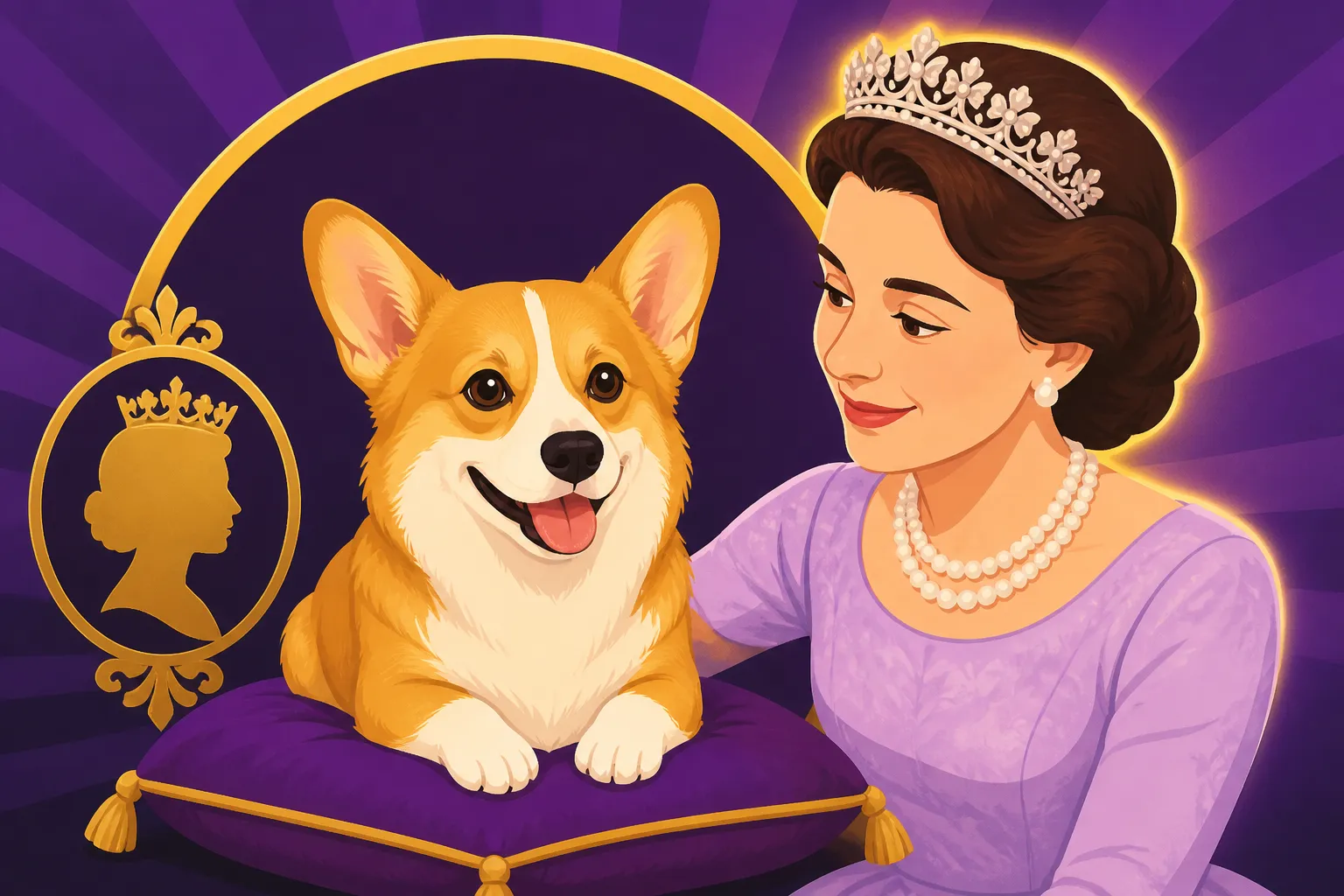
For Princess Elizabeth, her 18th birthday in 1944 was a momentous occasion. It marked her coming of age, a significant step towards her future responsibilities, and it was celebrated with fitting importance. Amidst the solemnity of wartime Britain, a personal gift from her father, King George VI, brought immense joy and heralded the beginning of an extraordinary bond. That gift was a Pembroke Welsh Corgi puppy named Susan. This wasn't merely a casual present; it was a carefully chosen companion, a dog destined to become more than just a pet. Imagine the sheer delight of a young woman, turning 18, receiving such a lively and affectionate creature during a period of global conflict. Susan quickly became her constant shadow, offering unwavering loyalty and a much-needed sense of normalcy and affection in a world that was anything but normal. The choice of a Corgi for this special occasion spoke volumes about the family's growing fondness for the breed and their understanding of Elizabeth's deep love for dogs.
Susan's Role in the Royal Corgi Line
Susan wasn't just a beloved pet; she was the foundation of the Queen's entire personal Corgi breeding program. Every single Corgi that Queen Elizabeth II owned personally, for the rest of her life, could trace its lineage back to Susan. This meant that the Queen essentially created her own royal dynasty of Corgis, maintaining a direct connection to her cherished 18th birthday gift. Susan even accompanied the then-Princess Elizabeth on her honeymoon in 1947, a testament to how inseparable they were. The Queen was deeply involved in the welfare and breeding of her Corgis, carefully selecting mates and ensuring the health and temperament of each new generation. This wasn't a commercial enterprise, but a deeply personal passion, driven by her love for the breed and her desire to maintain the specific traits she adored in Susan and her descendants. For decades, the sight of the Queen with her pack of Susan's descendants was a familiar and heartwarming image around the world. You can delve deeper into this incredible lineage by reading Susan and the Corgi Line That Followed.
The Royal Corgi Pedigree
Over the years, the royal Corgi pedigree grew to include dozens of dogs, all stemming from Susan. Names like Sugar, Honey, Foxy, Whisky, Sherry, and many others filled the royal residences. Each Corgi was an individual, with its own personality and quirks, yet they all shared that distinctive Corgi charm and a common ancestry rooted in Susan. These dogs lived an incredibly pampered life, far beyond what most pets experience. They had their own designated rooms, ate gourmet meals prepared by palace chefs, and were tended to by dedicated staff. However, they were still, at heart, the Queen's beloved companions, often seen trotting behind her through the halls of Buckingham Palace or Sandringham. Their presence provided the Queen with a sense of continuity and comfort throughout her long reign. They were present for important moments and offered quiet, unconditional love during stressful times. The attention paid to their care was exemplary; even routine needs like healthy food options were important, and you might find similar care products from online retailers like Chewy, ensuring even common Corgis get top-notch nutrition and supplies.
The Royal Corgis' Enduring Impact
The Queen's Corgis weren't just private pets; they became global figures, their image intertwined with the monarchy itself. Their fame had a profound and lasting effect, both on the breed and on public perception.
Corgis as Public Figures and Ambassadors
Thanks to Queen Elizabeth II, the Corgi transcended its origins as a Welsh cattle dog and became an international celebrity. Photos and footage of the Queen with her beloved dogs were commonplace, featuring in newspapers, magazines, and documentaries around the world. These appearances made Corgis instantly recognizable and highly sought after. They even had cameo roles in significant public events, most notably appearing in the delightful video for the opening ceremony of the 2012 London Olympics, escorting James Bond (Daniel Craig) and the Queen herself. This kind of exposure turned the Corgi into a powerful, albeit unofficial, ambassador for the British monarchy, showcasing a more personal, approachable side of the Queen. People worldwide fell in love with their cheeky grins, fluffy derrieres, and undeniable charm, largely because they saw the profound affection the Queen had for them. This immense popularity, however, also brought its own challenges for the breed, something discussed in How Corgi Popularity Changed After The Crown.
The End of an Era: The Queen's Decision to Stop Breeding
In a remarkably thoughtful decision, Queen Elizabeth II chose to stop breeding Corgis in 2015. Her reasoning was simple and deeply empathetic: she did not want to leave any young dogs behind when she passed away. She worried about what would happen to them, recognizing that her advanced age made it prudent to cease expanding her canine family. This meant that her existing pack would be her last. It was a poignant moment, marking the eventual end of a royal tradition that had spanned over 80 years. Her final Corgis, named Whisper, Candy, and Vulcan (a Dorgi, a Corgi-Dachshund cross she developed), continued to be her constant companions, bringing her joy and comfort in her twilight years. She had clearly given much thought to their future, ensuring they would be cared for by her family. Even their diets and daily routines were meticulously planned, using trusted brands like Chewy for their specific needs, proving her dedication to their well-being until the very end. The number of Corgis the Queen owned throughout her life is quite remarkable, a testament to this devotion, and you can learn more about this in How Many Corgis the Queen Owned.
Life After the Queen: The Legacy Continues
Following Queen Elizabeth II's passing, her two remaining Corgis, Muick and Sandy, were rehomed with her son, Prince Andrew, and his ex-wife, Sarah, Duchess of York, at Royal Lodge. This arrangement, reportedly requested by the Queen herself, ensured that her beloved companions would continue to live in a familiar environment, surrounded by affection. It was a final act of love and consideration from a monarch who always prioritized the welfare of her dogs. The decision to rehome them, rather than passing them to other members of the working royal family, highlighted the intensely personal nature of her bond with them. These Corgis carried not just a royal pedigree but also the emotional weight of being the last direct links to a cherished tradition. Their continued care, often involving specialized food and accessories readily available from places like Chewy, speaks to the ongoing dedication to their comfort and happiness. The breed's popularity remains high, partly due to this incredible royal association. Many Corgi owners today, whether their dogs descend from Susan or not, share a connection through the shared love of this distinctive breed, embodying a part of that grand, long-standing royal legacy. For those interested in the post-Queen arrangements, Where the Queen's Last Corgis Went offers more details.
Below is a table summarizing the initial Corgis that shaped Queen Elizabeth II's lifelong passion.
| Corgi Name | Year of Arrival | Gifter / Acquirer | Significance |
|---|---|---|---|
| Dookie | 1933 | King George VI | The first Pembroke Welsh Corgi in the royal family, introducing the breed. |
| Susan | 1944 | King George VI | Princess Elizabeth's 18th birthday gift, matriarch of her personal Corgi line. |
The journey from Dookie to Susan and beyond paints a vivid picture of a deeply personal love story that unfolded against the backdrop of one of the world's most enduring monarchies. It reminds us that even queens find profound joy and companionship in the simple, unwavering affection of a loyal dog. Whether you're considering bringing a Corgi into your own home, or simply appreciating their unique charm, understanding this history adds another layer to the endearing legacy of the Corgi. Caring for such a special breed means being prepared for specific needs, such as The Corgi Bills That Come With a Long Back or understanding Corgi Grooming Costs Against Doing It Yourself, all part of being a responsible owner.
Disclaimer
This article is for general informational purposes only and does not constitute professional advice. Laws, prices and regulations vary by location and change over time. Consult a qualified professional for guidance on your specific situation.