Why the Cardigan and Pembroke Are Not Related
It’s a natural assumption, isn't it? When you see a Cardigan Welsh Corgi and a Pembroke Welsh Corgi side-by-side, with their short legs, long bodies, and undeniable Corgi charm, it's easy to think they’re just different variations of the same breed. Many people are surprised to learn that these two beloved breeds are, in fact, entirely separate, with distinct histories and genetic backgrounds. This guide will help you understand the fascinating reasons why these two delightful dogs, despite their shared name, come from different family trees.
The Shared Name, Separate Lineages: A Common Misconception
For anyone new to the wonderful world of Corgis, or even seasoned enthusiasts who haven't delved into breed history, the idea that Cardigan and Pembroke Welsh Corgis are not related can be a real head-scratcher. They both carry the "Corgi" name, both hail from Wales, and both sport that iconic low-rider silhouette. It's almost intuitive to believe they're just two branches of the same family tree, perhaps diverging at some point but sharing a common ancestor.
However, this couldn't be further from the truth. Their paths to becoming distinct breeds were entirely separate, influenced by different geographical regions, different ancestral dogs, and different human needs over centuries. The confusion really intensified when, for a period, these two breeds were actually shown together in dog competitions, leading to interbreeding and blurring the lines even further. Thankfully, breed enthusiasts and kennel clubs eventually recognized the profound differences and officially separated them, ensuring their unique heritages were preserved. Understanding this fundamental distinction is key to appreciating the subtle yet significant characteristics that make each Corgi breed so special.
The Ancient Roots: The Cardigan Welsh Corgi
Let's first turn our attention to the Cardigan Welsh Corgi, often referred to as the "original" Corgi, and for good reason. Their lineage stretches back an astounding 3,000 years, making them one of the oldest dog breeds in Britain, possibly even Europe. Imagine dogs walking alongside ancient Celtic tribes in Wales, performing duties much like today's Cardigans!
Ancestry of the Cardigan: Tracing Back Millennia
The Cardigan's ancestors are believed to be part of the Teckel family of dogs, which also includes breeds like the Dachshund. This connection is visible in their distinctive long, low bodies and their somewhat larger bone structure compared to Pembrokes. These early dogs were brought to Wales by migrating tribes, possibly the Celts themselves, and settled in the rugged, hilly region of Cardiganshire. They were invaluable working dogs, primarily used for herding cattle, protecting homesteads, and even hunting small game. Their short stature wasn't just cute; it was a survival trait that allowed them to nip at the heels of stubborn cattle without getting kicked. You can learn more about their ancient past in The Cardigan's Twelve Hundred BC Origins.
This deep historical presence means the Cardigan developed in relative isolation for many, many centuries. Their traits were honed by the harsh Welsh environment and the specific needs of their human companions, leading to a robust, intelligent, and fiercely loyal companion. They are truly living history, carrying the genetic echoes of countless generations of dedicated working dogs.
Distinct Physical Traits and Temperament
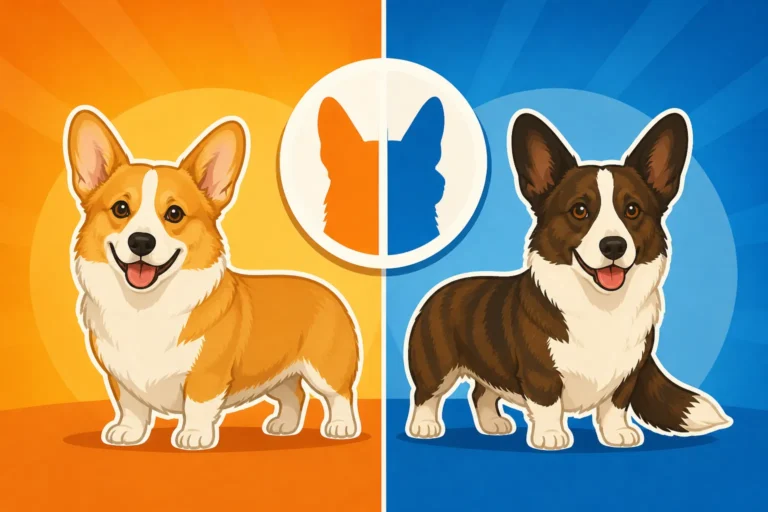
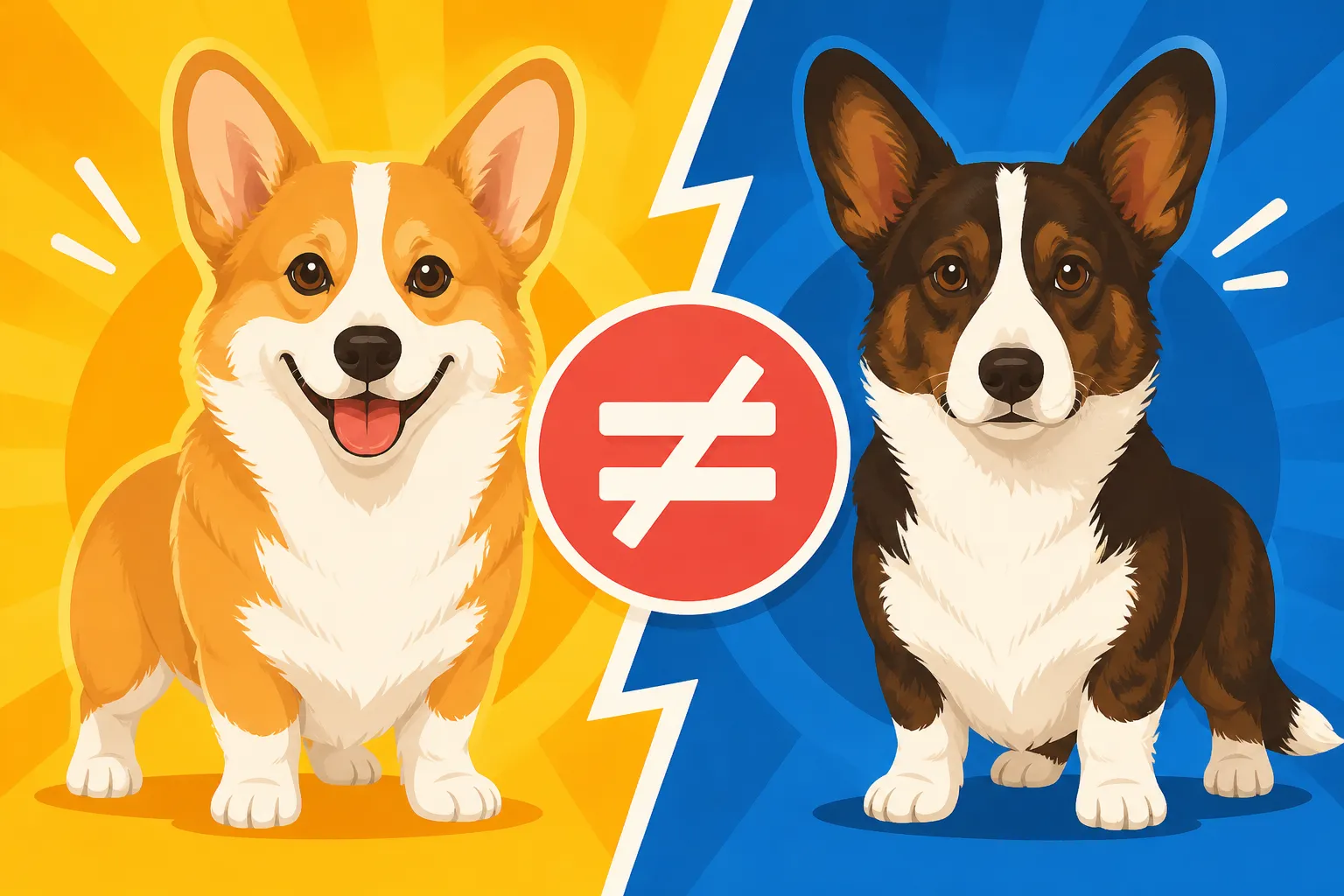
Beyond their ancient lineage, Cardigans boast several distinguishing physical characteristics. They tend to be a bit larger and heavier boned than Pembrokes. One of their most noticeable features is their tail – long, bushy, and fox-like, carried low. This is a stark contrast to the Pembroke's typically docked or naturally bobbed tail. Why a Cardigan Always Keeps Its Tail explores this in more detail. Their ears are also a giveaway; Cardigans have larger, more rounded ears that are set wider apart, giving them a softer, more alert expression. Why a Cardigan's Ears Are Rounder delves into this.
In terms of coat, Cardigans come in a wider array of colors, including blue merle, which is never seen in purebred Pembrokes. You might also notice that Cardigans often have a slightly more serious, contemplative expression. Temperamentally, while every dog is an individual, Cardigans are often described as a bit more reserved, thoughtful, and perhaps a touch less outwardly boisterous than some Pembrokes, though they are certainly not lacking in personality or affection. They are known for their strong bond with their families and their keen intelligence, making them highly trainable and dedicated companions. Owners often find them to be incredibly attentive and sensitive, always eager to please their chosen people.
The Newer Arrival: The Pembroke Welsh Corgi
Now, let's shift our focus to the Pembroke Welsh Corgi. While still an old breed, their history isn't quite as ancient as their Cardigan cousins. Pembrokes emerged much later, making their presence known in the Pembrokeshire region of Wales, a coastal area distinct from Cardiganshire.
The Pembroke's Journey: From Flemish Weavers to Royal Status
The generally accepted theory is that Pembroke Corgis were developed from dogs brought to Wales by Flemish weavers in the 10th to 12th centuries. These were likely Spitz-type dogs, related to breeds like the Swedish Vallhund or even the Norwegian Elkhound, which explains some of their physical characteristics, such as their more foxy appearance and sometimes more upright, pointed ears. You can trace their early history in When Pembrokes Arrived in Wales.
These dogs also took on the role of herding cattle, adapting to the local needs of the farmers in Pembrokeshire. Over time, selective breeding for desirable traits – their short stature, agility, and keen herding instinct – led to the development of the Pembroke Welsh Corgi we know and love today. Their rise to fame was significantly boosted by their association with the British Royal Family, particularly Queen Elizabeth II, which catapulted them into global popularity. This royal endorsement made them a household name and cemented their image as charming, intelligent companions.
Distinct Physical Traits and Temperament
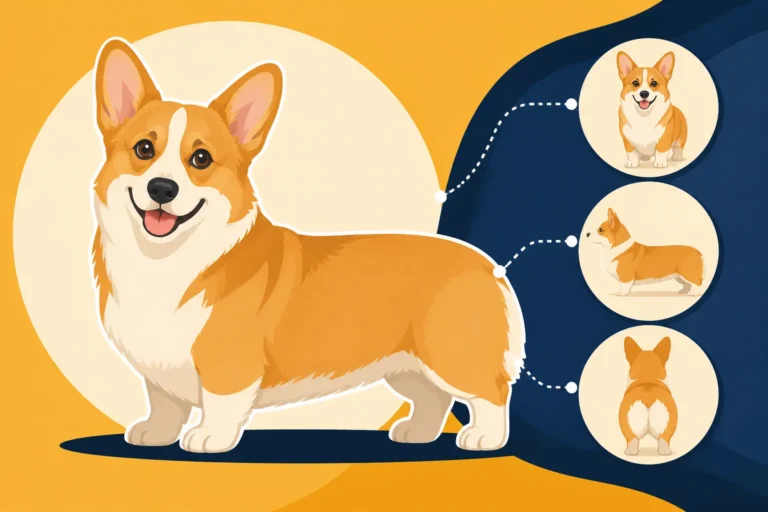
Pembrokes are typically a bit smaller and lighter-boned than Cardigans. The most obvious difference is their tail, which is naturally bobbed or, traditionally, docked. A full-length tail is considered a fault in the show ring for Pembrokes, though many Pembrokes today are born with tails, and docking practices vary by region. The "natural bobtail" gene is present in some Pembrokes, but many are born with full tails.
Their ears are usually more pointed and stand erect, often described as "foxy." They also have a more distinct "stop" (the indentation between the eyes) and a more pronounced muzzle, contributing to their foxy head shape. You can read more about this in The Foxy Head a Pembroke Should Have. Pembrokes come in fewer colors than Cardigans, typically red, sable, fawn, and black and tan, often with white markings.
Temperamentally, Pembrokes are often seen as a bit more outgoing, vivacious, and perhaps more mischievous. They have a reputation for being strong-willed and independent thinkers, often described as having a "big dog personality in a small dog's body." They are incredibly clever and quick to learn, but their intelligence can sometimes manifest as a stubborn streak. Like Cardigans, they are devoted to their families and thrive on companionship, but they often have a more overt zest for life and a tendency to be quite vocal. This boisterous charm is part of what makes them so endearing to their many admirers.
The Official Split: Recognizing Two Unique Breeds
For a time, the lines between Cardigan and Pembroke Corgis were blurry, causing confusion for owners and breeders alike. This was largely due to them being exhibited as a single breed type in the early 20th century. However, as enthusiasts became more aware of their distinct origins and characteristics, the movement to recognize them as separate breeds gained momentum.
Coexistence and Interbreeding: The Early Days
In the early days, particularly before formal breed standards were firmly established and recognized by kennel clubs, it wasn't uncommon for dogs from Cardiganshire and Pembrokeshire to be bred together. Farmers might have simply valued a good working dog, regardless of its precise lineage. This interbreeding occasionally produced offspring with mixed traits, making it challenging to differentiate between the two types, especially for those unfamiliar with their specific characteristics. This period of mixed identity highlighted the need for clearer definitions to preserve the integrity of each distinct lineage. You can understand why this happened by reading Why the Two Corgi Breeds Were Kept Apart.
The idea of Corgis generally captivated people, but the lack of clear separation created a muddle. Imagine trying to explain to a new Corgi owner that their dog might have a long tail like one "type" but the ear set of another! It was a frustrating situation for those trying to breed consistently. Even today, understanding their different histories helps in appreciating why the distinction was so important.
The Formal Recognition and Lasting Differences
The turning point arrived in 1934 when the Kennel Club in the UK officially recognized the Pembroke Welsh Corgi and the Cardigan Welsh Corgi as two distinct breeds. This was a monumental decision that ensured the unique characteristics of each breed could be preserved and developed independently. From this point forward, breeding standards were formalized, and cross-breeding between the two was discouraged to maintain genetic purity. You can explore the history of this decision in The 1934 Split Into Pembroke and Cardigan.
This formal separation meant that breeders could focus on refining the traits specific to either the Cardigan or the Pembroke, leading to the clear distinctions we see today. It also allowed for separate breed clubs, health registries, and show categories. While both breeds still share the Corgi name and general appearance, this historical split cemented their identities as two entirely unique dogs, each with its own rich history and loyal following. Today, responsible breeders diligently maintain these distinctions, ensuring that potential owners understand the heritage of the puppy they bring home. If you're looking for Corgi supplies, remember that stores like Chewy offer a wide range of products for both types of Corgi, from specialized food to grooming tools that cater to their unique coats.
To further illustrate the key differences between these fascinating breeds, here's a comparison table:
| Feature | Cardigan Welsh Corgi | Pembroke Welsh Corgi |
|---|---|---|
| Origin | Ancient, believed to be from Teckel family | Newer, believed to be from Spitz family, Flemish weavers |
| Date of Origin | Approx. 1200 BC | Approx. 10th-12th Century AD |
| Primary Region | Cardiganshire, Wales | Pembrokeshire, Wales |
| Tail | Long, bushy, fox-like | Docked or naturally bobbed |
| Ears | Larger, rounded tips, set wider apart | Pointed, erect, often more foxy |
| Build | Slightly larger, heavier bone, more robust | Slightly smaller, finer bone, lighter |
| Head Shape | Broader, more substantial | More foxy, distinct stop |
| Color Variety | Wider range (including blue merle, brindle) | Red, sable, fawn, black & tan (with white) |
| Weight (Adult) | Typically 25-38 lbs | Typically 20-30 lbs |
| Temperament | Often calmer, more reserved, thoughtful, loyal | Often more outgoing, mischievous, vivacious, bold |
| Rarity | Less common, often harder to find | More popular globally |
This table helps put into perspective just how different these two Corgi types are, despite their charming similarities. When you are comparing the cost of living for these two wonderful dogs, bear in mind What a Pembroke Weighs Against a Cardigan, as their size differences can impact everything from food portions to prescription dosages. Finding a good veterinarian who understands the nuances of both breeds is also important, as is ensuring you're choosing appropriate gear from places like Chewy that cater to their specific needs. Ultimately, both Pembrokes and Cardigans are incredible companions, but appreciating their distinct histories makes loving them even more rewarding.
What This Means for Corgi Owners and Enthusiasts
Understanding that Cardigan and Pembroke Corgis are not genetically related isn't just a fun fact; it has real implications for owners, breeders, and anyone interested in the breed. For potential owners, it means recognizing that while both are "Corgis," they come with slightly different temperamental tendencies, physical attributes, and even some health considerations that might lean more heavily towards one lineage than the other. For instance, knowing the difference can help you decide which Corgi might be a better fit for your family dynamic and lifestyle. Perhaps you prefer the slightly more reserved nature of a Cardigan, or you're drawn to the playful antics of a Pembroke.
For breeders, this distinction is paramount. Maintaining the integrity of each breed's lineage requires careful attention to pedigrees and responsible breeding practices, ensuring that the unique characteristics of Cardigans and Pembrokes continue for future generations. It’s also important when considering things like genetic health testing; while some conditions might affect both breeds, others might be more prevalent in one due to their distinct genetic backgrounds. If you're interested in recognizing the subtle clues, you might want to look into Telling a Pembroke From a Cardigan on Sight. And if you're ever curious about their popularity, Whether One Corgi Breed Is Rarer Than the Other gives a good overview. No matter which Corgi captures your heart, knowing their story only deepens the bond.
Disclaimer
This article is for general informational purposes only and does not constitute professional advice. Laws, prices and regulations vary by location and change over time. Consult a qualified professional for guidance on your specific situation.