The Fairy Saddle and Other Corgi Legends
There's something truly enchanting about Corgis, isn't there? Their sturdy little bodies, those expressive foxy faces, and their undeniable confidence often make you feel like there's more to them than meets the eye. And for centuries, people have felt that same magic, giving rise to captivating legends that explain their unique charm and appearance. This guide dives deep into the wonderful world of Corgi folklore, exploring the famous "fairy saddle" and other enchanting tales that paint these beloved dogs as creatures touched by magic.
The Enduring Charm of Corgi Legends
It's easy to look at a Corgi and see a small, busy, and sometimes opinionated herding dog. But spend enough time with one, and you start to understand why ancient Welsh folklore imbued them with a touch of the mystical. These aren't just farm dogs; they carry a certain ancient wisdom in their eyes and a spark of something truly special in their spirited personalities. The stories that grew around them speak volumes about the deep connection people have always had with these remarkable companions.
More Than Just a Cute Face: Why Corgis Inspire Myths
Let's be honest, Corgis are adorable, almost impossibly so. But their charm goes far beyond their looks. There's an intelligence, a mischievous twinkle in their eyes, and a certain self-assuredness that sets them apart. This isn't just a dog; it's a character, a tiny general overseeing its domain. It’s this combination of enchanting appearance and undeniable personality that makes them such perfect candidates for legends. They don't just exist in our world; they feel like they belong to a richer, older tapestry, a world where fairies might indeed have had a hand in their creation.
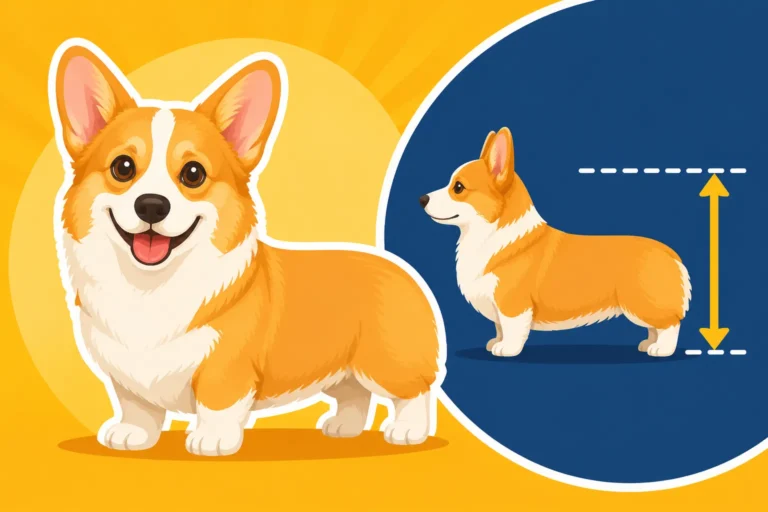
Think about their distinctive build: a long body, short legs, and those alert, upright ears. It’s a silhouette that evokes a sense of something ancient and purposeful, yet also whimsical. It's not hard to imagine them trotting through misty Welsh valleys, not just after sheep, but perhaps on secret errands for unseen folk. Their very presence seems to invite speculation and wonder, making them natural stars of local lore and magical tales, cementing their place as much more than simple pets.
Bridging the Gap Between Ancient Herding and Mystical Tales
Before they were cherished household companions, Corgis were indispensable working dogs in the Welsh countryside. Their job was to herd cattle, nipping at heels to move stubborn livestock, a task that required immense bravery, agility, and a surprisingly forceful presence for their size. It’s a harsh, practical world out on the fields, but even there, the Corgi’s unique characteristics must have stood out. Perhaps their low-slung bodies, which allowed them to dart under the kicking hooves of cows, led people to believe they had some special protection or speed. The Cattle Dog Behind the Corgi details this rich history, but it's fascinating to see how their mundane, yet impressive, working life could seamlessly blend with tales of magic.
The ancient Celts, like many cultures, often saw the natural world and its creatures as connected to the supernatural. A dog that could outwit and outmaneuver beasts many times its size, a dog that seemed to possess an almost human understanding in its gaze – it wouldn't take much for an imaginative mind to conclude that such a creature must have special origins. This fusion of their practical purpose with an almost otherworldly aspect is what truly breathes life into their legends, making them relatable yet utterly magical.
The Iconic Fairy Saddle: A Tale as Old as Time
Of all the Corgi legends, the "fairy saddle" is undoubtedly the most famous and beloved. It's the story that often captures the imagination first and gives a beautiful, whimsical explanation for some of their distinctive markings. If you've ever looked at a Corgi's back and seen the intriguing patterns in their coat, this legend offers a delightful interpretation that makes perfect sense to the heart, if not to science.
The Distinctive Markings and Their Magical Origin
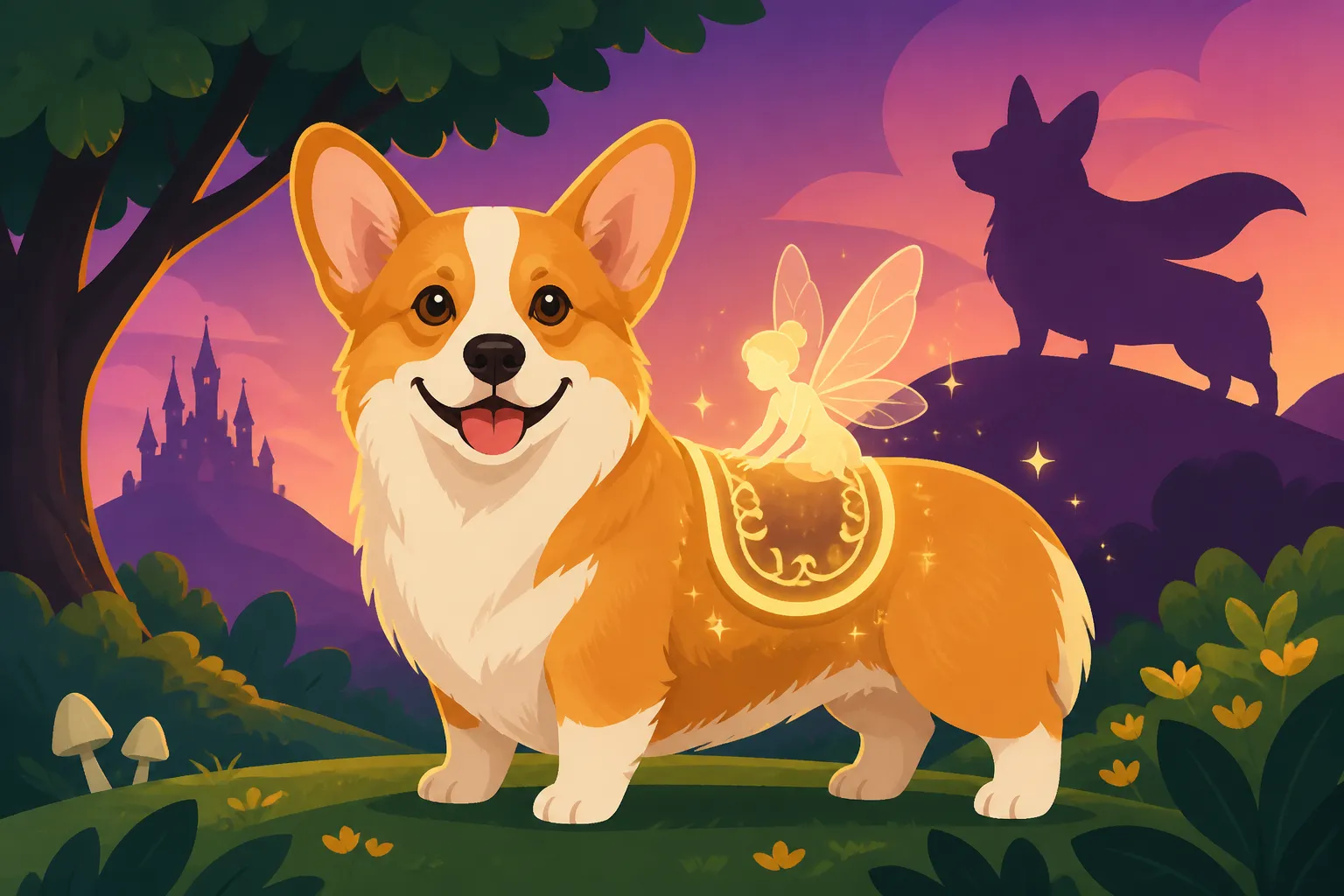
The "fairy saddle" refers to the pattern of slightly rougher or differently colored fur on a Corgi's back, particularly over their shoulders and along their spine. Sometimes it's a darker patch, or a distinct swirl in the fur, creating an outline that truly resembles a tiny saddle, complete with markings that look like harness straps. The legend posits that these aren't just natural coat variations but rather the indelible marks left by tiny, ethereal riders – the fairies themselves. It’s a charming explanation for a genetic trait, turning something mundane into a badge of honor from the magical realm.
Imagine a bustling night in the Welsh hills, with the fairy folk needing trusty steeds for their nocturnal adventures. Who better than the swift, intelligent, and sturdy Corgi? The idea is that these small dogs were the preferred mounts of the fairies, pulling their coaches or carrying individual riders on quests or patrols. The marks we see on their backs today, according to the legend, are simply the lasting impressions from the saddles and harnesses used by these tiny supernatural beings. It's a whimsical nod to their ancient past and their potential secret life. This legend is so pervasive that it's often the first thing new Corgi owners learn about their dog's heritage, adding an extra layer of mystique to their already captivating personality. Where the Corgi Fairy Saddle Legend Comes From offers a deeper dive into its origins.
How the Fairies "Rode" the Corgis
The legend paints a vivid picture: when the twilight descended upon the ancient Welsh lands, and the human world settled into slumber, the fairy kingdom awoke. These mischievous yet benevolent beings required transportation, and their eyes fell upon the resilient, quick-witted Corgis. Far from being ordinary dogs, these were deemed special, perhaps even bred by the fairies themselves, to serve as their mounts. The saddle marks weren't a flaw, but a sign of their noble service, a badge of their magical connection.
The stories say that the fairies would harness the Corgis at night, riding them through the moonlit forests and over misty moors. Perhaps they pulled miniature coaches, invisible to mortal eyes, carrying the fairy queen or treasure. Or maybe individual fairies would ride bareback, guiding their loyal Corgi steeds with gentle whispers and nimble commands. The idea is that these dogs were partners in adventure, trusted companions in a hidden, magical world. It truly elevates the Corgi from a simple working dog to a creature of myth, a secret keeper of ancient ways. If you've ever wondered Whether Corgis Really Pulled Fairy Coaches, the legend insists they did!
Finding the Fairy Saddle on Your Own Corgi
It’s a delightful rite of passage for many new Corgi owners to search for the "fairy saddle" on their furry companion. While not every Corgi will have a perfectly defined saddle shape, many do exhibit variations in their coat pattern or hair growth on their backs that can easily be interpreted as such. Some Corgis might have a slightly darker patch of fur, often reddish-brown or sable, extending from their shoulders down to their hips. Others might have subtle swirls or cowlicks in their fur that create the impression of straps or buckles. It's all about imagination and embracing the whimsical spirit of the legend.
When you gently part the fur on your Corgi's back, especially over the shoulder blades, you might find a distinct V-shape or a circular pattern where the hair grows in a different direction, often referred to as a "fairy ring." This is a common genetic trait, particularly noticeable on red and sable Corgis, and it perfectly aligns with the lore. Even if your Corgi's markings aren't as pronounced, knowing the story makes you look at their back with renewed wonder, connecting them to centuries of Welsh enchantment. It’s a lovely conversation starter and a unique way to bond with your dog, sharing in a cultural narrative that celebrates their unique charm.
Gifts from the Fairy Folk: Other Magical Corgi Attributes
The fairy saddle isn't the only magical touch bestowed upon Corgis by their legendary fairy companions. Their distinct physical features and even their vocalizations have been woven into the rich tapestry of Welsh folklore, suggesting that every part of a Corgi holds a secret connection to the otherworld.
The Corgi's "Fairy Harness" and Collar
Beyond the saddle itself, some legends expand to describe other marks left by the fairies, particularly around the shoulders and neck. These are often interpreted as the remnants of a "fairy harness" or a magical collar. If you observe the subtle patterns in a Corgi's coat, especially where their chest meets their front legs, you might notice faint lines or changes in fur direction that could suggest where straps once rested. These tiny details, often just natural variations in a Corgi's complex coat patterns, become evidence of their past lives as fairy steeds.
These "harness marks" might appear as lighter streaks or patches, or even as areas where the guard hairs lay differently, creating a more defined contour. In the lore, these weren't just functional restraints but perhaps also enchanted gear that allowed the Corgis to understand fairy language or navigate invisible paths. It’s a romantic notion that every twitch of their shoulder or shake of their head could be a lingering echo of a magical command. When you're brushing your Corgi's beautiful double coat, perhaps with a sturdy de-shedding rake you picked up from Chewy, take a moment to look for these subtle, magical hints.
Corgi Eyes: Windows to the Otherworld?
Anyone who has lived with a Corgi knows their eyes are incredibly expressive. They can convey mischief, deep thought, stubbornness, and boundless affection all within a single glance. In the context of fairy legends, these intelligent, often dark, almond-shaped eyes are sometimes believed to be windows into the otherworld. The legend suggests that because Corgis spent so much time with the fairy folk, their eyes gained a special insight, allowing them to see things that ordinary mortals cannot.
This means that when your Corgi stares intently at an empty corner of the room, or barks at seemingly nothing in the garden, it’s not just your imagination. The folklore suggests they might be observing a tiny fairy flitting past, or perhaps a mischievous gnome lurking in the shadows. It adds a layer of mystery to their already enigmatic personalities. Their keen perception, a vital trait for a herding dog, is elevated to a supernatural gift, making every curious glance from your Corgi a little more magical. Other Welsh Stories About Corgis often touch upon the heightened senses of animals connected to the fae.
The Unearthly Bark: Corgi Vocalizations and Their Legendary Roots
Corgis are known for being quite vocal, aren't they? They have a range of barks, yaps, grumbles, and "boofs" that are distinctly their own. While some might find their tendency to bark a bit much, especially at every passing squirrel or leaf, the legends offer a charming perspective. It’s said that their distinctive bark isn't merely a dog’s call, but a language touched by the fairy realm, capable of communicating with unseen entities or even warning their human companions of hidden dangers.
Imagine a Corgi on a misty morning, letting out a series of sharp, resonant barks. In the old tales, this wasn't just noise; it could be a warning to a nearby shepherd that the fairies were passing, or perhaps a conversation with a fellow magical creature. Their "speaking" or "talking back" — that endearing habit Corgis have of vocalizing their opinions — could also be seen as remnants of their ability to communicate with the fae. It transforms a common breed trait into a testament to their legendary past, giving every "woof" a deeper, more mystical meaning. It truly makes you think twice about their Corgi Barking and How Much Is Normal.
Beyond the Saddle: Welsh Folklore and the Corgi's Place
While the fairy saddle is iconic, the Corgi’s connection to Welsh folklore runs deeper, integrating these small dogs into broader narratives about ancient Celtic beliefs, magical landscapes, and the hidden world that lies just beyond human perception. They are not merely side characters but central figures in tales that speak to the heart of Welsh identity.
Ancient Celtic Beliefs and Canine Companions
In ancient Celtic cultures, animals held significant spiritual importance. Dogs, in particular, were revered for their loyalty, protective instincts, and their perceived ability to traverse the boundaries between the mortal world and the spirit realm. This reverence is evident in various Celtic myths and art, where dogs often appear as guides, guardians, and companions to gods and heroes. The Corgi, as a quintessential Welsh breed, naturally inherited a place within this spiritual framework. Their intelligence and unique appearance made them prime candidates for being seen as more than just animals.
The idea that dogs could sense and interact with spirits or magical beings was a common thread in many ancient European cultures. For the Welsh, with their rich tradition of folklore and a deep connection to their rugged, mystical landscape, it's no surprise that the Corgi, a dog so intrinsic to their farming life, would be imbued with such powers. They were seen as protectors, not just of sheep, but of their human families against unseen threats, a bridge between the practical and the enchanted.
The Corgi as a Guardian of Secret Places
Given their legendary association with fairies, it's also believed that Corgis might act as guardians of secret places – hidden fairy glens, ancient burial mounds, or even portals to the otherworld. Their low stature and keen senses would make them ideal sentinels, able to slip through dense undergrowth and detect intruders, whether human or supernatural, long before they were seen. This role extends their protective instincts beyond the farm and into the mystical landscape of Wales.
Imagine a lone Corgi sitting silently on a hillside, seemingly watching nothing. The legend suggests it might be guarding a sacred entrance, ensuring that only those with pure hearts or specific intentions could pass. Their independent nature, that characteristic Training a Corgi That Makes Its Own Decisions, could also be interpreted as their allegiance to a higher, unseen power, fulfilling a duty to the fairy folk rather than just their human owners. It adds a layer of quiet dignity to their busy lives, portraying them not just as cheerful companions, but as silent protectors of ancient secrets.
Other Magical Creatures of Welsh Legend
Welsh folklore is teeming with a fascinating array of magical creatures, from the mischievous bwcas (house sprites) to the terrifying ceffyl dŵr (water horse). Within this vibrant ecosystem of myth, the Corgi's connection to the fairy folk positions them firmly within the benevolent, or at least neutral, side of the supernatural spectrum. They are generally portrayed as helpful, loyal creatures rather than malevolent ones. This contrasts with more dangerous entities like the cŵn annwn (hounds of Annwn), spectral hounds associated with the Welsh underworld, which are typically larger and more fearsome.
The Corgi’s role as a fairy steed gives them a unique niche: they are a terrestrial animal that regularly interacts with the ethereal. This makes them a comforting, familiar presence within the magical world, rather than something to be feared. Their stories often serve to bridge the gap between human experience and the unseen realms, making the supernatural feel a little less intimidating and a lot more charming. They are a tangible link to a world many wish to believe in.
| Trait / Marking | Legendary Interpretation | Scientific Explanation |
|---|---|---|
| Fairy Saddle | Marks from a fairy's saddle and harness. | Natural variations in coat color and hair growth patterns (cowlicks, swirls). |
| Chest/Shoulder Marks | Remnants of a fairy's harness or collar. | Pigmentation patterns, differences in fur texture or direction. |
| Alert Ears | Gifted by fairies for heightened hearing. | Breed standard for optimal sound reception; genetic trait for upright ears. |
| Expressive Eyes | Windows to the otherworld, seeing unseen things. | Result of specific genetic markers for eye shape and pigment; keen observation skills. |
| Distinctive Bark | Communication with fairy folk, warnings of magic. | Vocalizations common in herding breeds for communication and alarm; a developed range of sounds. |
| Short Legs | Bred by fairies to dart through undergrowth. | Chondrodystrophy, a genetic trait causing disproportionately short limbs. |
Passing Down the Tales: Corgi Legends in Modern Culture
The ancient stories of Corgis and fairies aren't just relics of the past; they continue to captivate and charm Corgi enthusiasts today. In a world saturated with information, these whimsical tales offer a refreshing connection to tradition and a touch of magic that enriches the experience of owning these special dogs. The way these legends are shared has evolved, but their spirit remains strong.
From Oral Tradition to Social Media
For centuries, the tales of the fairy saddle and other Corgi lore were passed down through oral tradition, shared by grandmothers to grandchildren around hearth fires in Welsh cottages. They were part of the fabric of local culture, woven into the everyday understanding of these working dogs. Today, while the cozy fireside storytelling still holds a certain romance, the methods of dissemination have drastically changed. Social media platforms, Corgi fan groups, and online forums are now bustling hubs where these legends thrive.
A picture of a Corgi with a distinct "saddle" marking can instantly go viral, sparking conversations about its magical origins. Owners proudly share their Corgis' unique quirks, often attributing them to fairy influence, even if playfully. This digital age has not diminished the appeal of these ancient stories; rather, it has given them a global stage, allowing Corgi lovers from all corners of the world to participate in the enchantment. It's a testament to the enduring power of a good story, especially one that celebrates our furry companions.
The Role of Breeders and Owners in Keeping the Magic Alive
Reputable Corgi breeders often play a significant role in preserving and sharing these legends. When a new puppy goes to its forever home, along with care instructions and pedigree papers, many breeders will also share the story of the fairy saddle. It's a lovely way to introduce new owners to the rich heritage of the breed and to instill a sense of wonder about their new family member. It transforms a simple transaction into the passing on of a magical legacy.
Beyond breeders, individual Corgi owners wholeheartedly embrace these tales. They'll affectionately point out their dog's "saddle" to friends, tell the story to curious onlookers, and even use the legends as a way to explain their Corgi's personality or behaviors. It's a way of celebrating the unique bond they share with their dog, seeing them not just as a pet, but as a small, furry link to a whimsical past. This collective enthusiasm ensures that the stories continue to be told, connecting generations of Corgi lovers through shared enchantment.
Corgi Legends and Children's Stories
The whimsical nature of Corgi legends makes them perfectly suited for children's stories. What child wouldn't be enchanted by the idea that their sturdy, short-legged dog once carried fairies through the night? These tales often appear in picture books, animated shorts, and bedtime stories, introducing a new generation to the magic of the Corgi. The idea of tiny riders, secret adventures, and loyal canine companions is irresistible to young imaginations.
These stories often emphasize themes of loyalty, bravery, and the hidden magic in everyday life, all embodied by the Corgi. They help children develop a deeper appreciation for animals and the natural world, fostering a sense of wonder and connection. Whether it’s a detailed narrative about a Corgi pulling a fairy coach or a simple mention of the fairy saddle, these tales cement the Corgi's status as a creature of gentle magic, a friendly face from a fantastical realm.
The Practical Side of the Mystical Corgi: Embracing Their Unique Traits
While the legends are wonderful, they also subtly highlight many real-world Corgi traits that owners cherish. Their intelligence, independence, and physical characteristics, even when seen through a magical lens, require practical care and understanding to ensure a happy, healthy life.
Recognizing the Corgi's Independent Spirit
The legends portray Corgis as intelligent, capable creatures, trusted by fairies for important tasks. This isn't far from the truth of their real-world personalities. Corgis are highly intelligent and were bred to make decisions independently while herding livestock. This independent spirit can sometimes manifest as what owners affectionately call "sass" or stubbornness. They're not always eager to please; they often have their own ideas about how things should be done!
This trait, while sometimes challenging in training, is also part of their charm. It’s the sign of a thinking dog, one that evaluates situations and makes choices. Understanding this inherent independence, whether you attribute it to fairy training or centuries of herding instinct, is key to successful training and a harmonious household. Instead of battling it, embracing their cleverness and channeling it into positive outlets like puzzle toys (which you can find plenty of on Chewy) or scent work can be incredibly rewarding. Training a Corgi That Makes Its Own Decisions is a real journey!
Appreciating Their Instinctual Behavior
The image of a Corgi darting through fields, guiding cattle for fairies, perfectly echoes their actual herding instincts. Even in a modern home, without a flock to manage, Corgis often exhibit remnants of this behavior. They might try to "herd" family members, especially children, by nipping gently at heels or circling. Their alert nature means they're constantly monitoring their environment, ready to spring into action or give a warning bark if they perceive something amiss.
These instincts, though sometimes inconvenient, are a core part of what makes a Corgi a Corgi. Understanding their historical role as a herding dog helps owners appreciate why they chase, bark, and try to keep everyone in their designated place. Rather than seeing these behaviors as problems, recognizing them as echoes of their ancient, useful purpose allows for better management and redirection into appropriate activities, like playing with a herding ball.
Health and Care Through a Legendary Lens
Even if Corgis were favored by fairies, they are still very much real dogs with real health needs. Their distinctive, long-backed, short-legged build, which made them ideal for darting under cattle (or fairy coaches!), also predisposes them to certain health concerns, particularly spinal issues. The same body that makes them look so charmingly unique also requires careful management to prevent injury.
This means being mindful of their weight, ensuring they don't jump on and off furniture excessively, and providing them with appropriate exercise that strengthens their core without straining their back. Ensuring your Corgi has a balanced diet, perhaps even some joint-supporting supplements available from retailers like Chewy, is crucial. While we celebrate their magical origins, we must also be diligent about their physical well-being. Thinking of their sturdy little bodies as ancient fairy steeds reminds us to treat them with the utmost care and respect, honoring their legendary resilience with modern veterinary practices. Disc Disease in a Long-Backed Corgi and Why Corgi Weight Is a Spinal Problem highlight the importance of proactive care.
Distinguishing Between Legend and Reality
It's wonderful to immerse ourselves in the enchanting world of Corgi legends, but it's equally important to appreciate the scientific and historical realities that shape these magnificent dogs. Understanding the facts doesn't diminish the magic; rather, it deepens our admiration for a breed that has inspired so many captivating stories.
The Scientific Explanation for Corgi Markings
While the fairy saddle legend provides a charming explanation for a Corgi's unique coat patterns, the reality is rooted in genetics. The distinct markings, swirls, and color variations observed on a Corgi's back and shoulders are simply the result of their inherited genes. These patterns are natural expressions of their genetic code, much like the variations in human hair or eye color. Breeders understand these genetic traits, and they can predict with some accuracy what kind of markings a puppy might have based on the parents' lineage.
The "saddle" pattern, for example, is a common trait in many dog breeds, not just Corgis, and is often related to the sable or red coloration patterns. It's a beautiful, natural phenomenon that gives each Corgi its unique visual appeal. Knowing the science behind it only adds another layer of appreciation for the complexity and wonder of canine genetics, even as we enjoy the whimsical stories that grew around these natural patterns. Corgi Colors and the Fluffy Coat touches on these genetic variations.
The Breed's True History as a Herding Dog
Beyond the enchanting tales of fairies, the Corgi's true history is one of hardy, dedicated working dogs. They were bred in Wales centuries ago not to carry mythical beings, but to manage and herd livestock. Their low stature was a specific adaptation, allowing them to nip at the heels of cattle without being kicked, while their intelligence and agility made them invaluable on the farm. They were indispensable companions to farmers, helping to drive livestock to market and protect them from predators.
This practical, hardworking background is just as compelling as any legend. It speaks to the resilience, intelligence, and unwavering loyalty that Corgis demonstrate even today. The fact that such a small dog could perform such a demanding job for generations is a testament to their strength of character and spirit. Understanding What a Welsh Corgi Did on a Farm All Day gives us a profound respect for their true heritage.
Why We Still Love the Legends
So, if we know the fairy saddle is a genetic trait and Corgis were working dogs, why do we still cling to these delightful legends? Because stories connect us. They tap into a primal human need for wonder, magic, and a deeper meaning in the world around us. In our modern, often cynical lives, the idea of a little dog with a secret past as a fairy steed brings a smile to our faces and a warmth to our hearts.
These legends don't just entertain; they celebrate the unique charm and enduring spirit of the Corgi. They honor their intelligence, their bravery, and their sometimes-mischievous nature in a way that scientific facts alone cannot. They remind us that there's always more to see, more to imagine, and more to love about our incredible canine companions. So, the next time you gaze at your Corgi's back, feel free to imagine the tiny saddle and the whispers of fairy folk – it’s a beautiful part of their story, and ours.
Disclaimer
This article is for general informational purposes only and does not constitute professional advice. Laws, prices and regulations vary by location and change over time. Consult a qualified professional for guidance on your specific situation.