Corgi Hips and Front-End Structure
It’s a heart-wrenching moment for any Corgi owner: you see your beloved dog hesitate, struggle a little with stairs, or even develop that slight, heartbreaking wobble in their hindquarters. We often focus so much on their long backs and the risks of intervertebral disc disease (IVDD) – and rightly so – but the truth is, a Corgi’s entire skeletal structure, from their sturdy front end to their characteristic low-slung hips, plays a massive role in their overall health and mobility. This guide is here to shed light on the intricacies of Corgi hips and front-end structure, explaining common problems, how to recognize them, and what you can do to keep your furry friend as comfortable and mobile as possible throughout their lives.
Understanding the Unique Corgi Build
Corgis, whether Pembrokes or Cardigans, are instantly recognizable by their distinct build: those short legs, robust bodies, and powerful chest. It’s part of their charm, their history as cattle drovers, but it also comes with a unique set of structural considerations that every owner needs to understand.
Why Corgis Have Short Legs and Long Backs
The defining feature of a Corgi, those adorable short legs, isn't just for looks; it's a result of a genetic trait called chondrodystrophy. This condition affects cartilage growth, leading to disproportionately short limbs relative to their body length. It’s what makes them chondrodystrophic breeds, a group that also includes dachshunds and basset hounds. For centuries, this trait was highly valued because it allowed them to nip at the heels of cattle without getting kicked. Imagine a little furry tank weaving through giant hooves – that's your Corgi's ancestor at work!
However, this adaptation comes with trade-offs. The short stature means their long spine is closer to the ground, and the mechanics of their movement are different from a long-legged dog. Their limbs bear weight in a way that can predispose them to certain orthopedic issues, which is why understanding their unique physique is so crucial. They aren't just small dogs; they're specifically built dogs.
The Impact of Chondrodystrophy on Structure
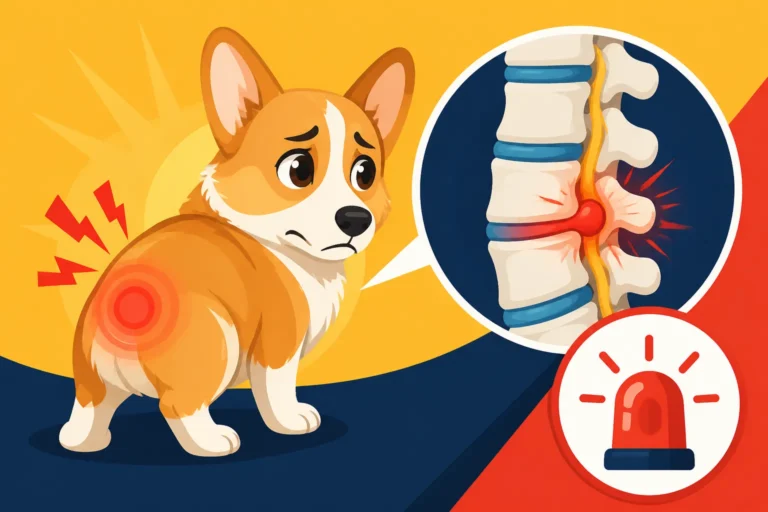
Chondrodystrophy doesn't just shorten limbs; it influences the development of cartilage throughout the body, including the spinal discs. This is why Corgis are notoriously susceptible to Disc Disease in a Long-Backed Corgi. The intervertebral discs, which act as shock absorbers between the vertebrae, can prematurely degenerate, making them prone to herniation. It's a fundamental aspect of their breed genetics, and while it gives them their distinctive look, it also puts a spotlight on proactive care.
Beyond the spine, the altered limb development can affect joint congruity. The bones in the legs and the joints themselves might not form as perfectly as in a non-chondrodystrophic breed. This can lead to increased wear and tear over time, even with normal activity, setting the stage for issues like arthritis. It’s a delicate balance, appreciating their breed characteristics while being hyper-aware of the health implications.
Ideal Conformation vs. Common Deviations
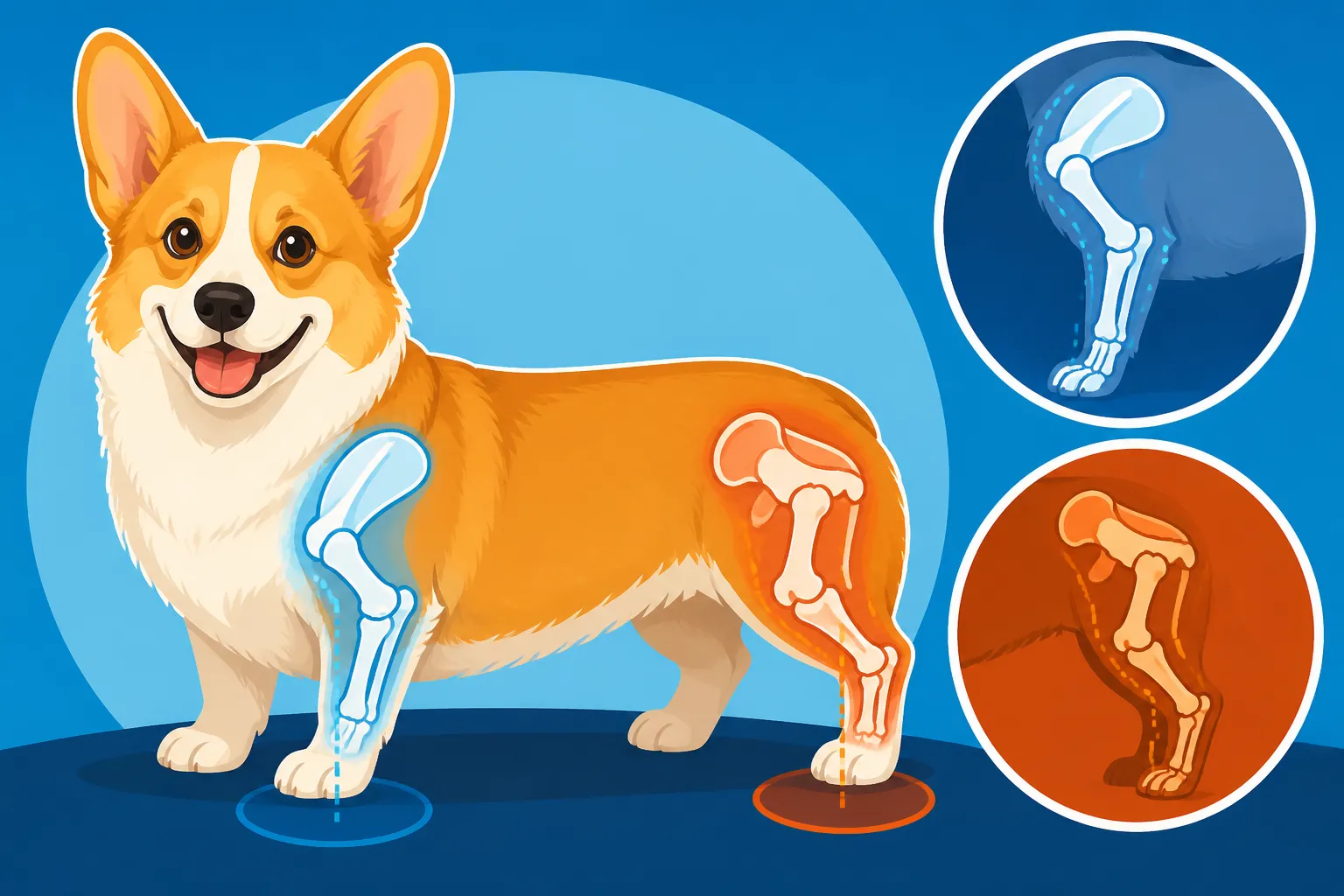
The breed standard for both Pembroke and Cardigan Welsh Corgis describes an ideal conformation that prioritizes balance, soundness, and functionality. For instance, the Pembroke standard calls for a body that is "long and low, but not so low as to interfere with agility and activity." There's an emphasis on a strong, level topline and well-angulated hindquarters. The Cardigan standard similarly emphasizes a long and strong body, with legs that are "short and as straight as possible."
However, not every Corgi puppy adheres perfectly to the ideal. Deviations can include overly long backs, cow-hocked hind legs (where the hocks turn inward), or splayed feet. While some deviations are minor and purely cosmetic, others can significantly impact a dog's long-term mobility and comfort. For example, excessive length in the back can put even more strain on the spine, while poor angulation in the hindquarters can lead to inefficient movement and stress on the hip and knee joints. Recognizing these subtle differences, especially when choosing a puppy, is key to predicting potential structural challenges.
The Anatomy of Corgi Hips
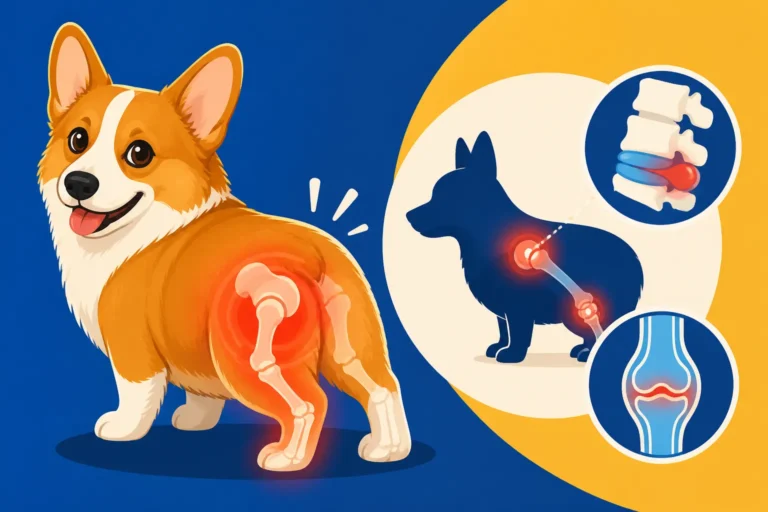
Understanding the hip joint is fundamental to grasping why certain issues arise. It’s a complex ball-and-socket joint, designed for a wide range of motion and weight bearing. When things go awry here, it can severely impact a Corgi’s quality of life.
Basic Hip Joint Structure
The hip joint in a Corgi, like in all dogs, is comprised of the femoral head (the ball at the top of the thigh bone, or femur) and the acetabulum (the socket in the pelvis). These two components should fit together snugly, allowing for smooth, fluid movement. The joint is encapsulated by a strong fibrous tissue and lined with synovial membrane, which produces lubricating fluid. This intricate design allows Corgis to be surprisingly agile despite their low stature, enabling them to dart, turn, and maneuver with remarkable speed.
The stability of this joint is paramount. If the ball and socket don't articulate correctly, friction and abnormal wear can occur, leading to pain and degenerative changes. Because Corgis carry a substantial amount of their weight over their short, stocky legs, their hip joints are under considerable stress even during routine activities. This makes proper formation and long-term health of these joints absolutely critical for their comfort and mobility.
Ligaments, Cartilage, and Surrounding Muscles
Beyond the bones themselves, the hip joint is stabilized and supported by an array of crucial soft tissues. Strong ligaments, like the ligament of the head of the femur (teres ligament), hold the ball firmly within the socket. The articular cartilage covering the ends of the bones provides a smooth, low-friction surface for movement and acts as a shock absorber. This cartilage is vital for pain-free motion; when it degrades, bone-on-bone friction causes significant discomfort.
Surrounding the entire joint is a complex network of muscles, tendons, and fascia. These muscles provide power for movement, further stabilize the joint, and absorb impact. Healthy, strong gluteal muscles and hamstrings are especially important for hip function. If these muscles weaken or are underdeveloped, the joint becomes more vulnerable to instability and injury. Keeping these muscles toned through appropriate exercise, which we’ll discuss later, is a significant part of preventative hip care for your Corgi.
What a Corgi Hip Grade Actually Tells You
When considering a Corgi, especially from a breeder, you'll often hear about "hip scores" or "hip grades." These are crucial diagnostic tools developed to assess the quality of a dog's hip joints and predict the likelihood of developing hip dysplasia. Organizations like the Orthopedic Foundation for Animals (OFA) in the U.S. and the British Veterinary Association/Kennel Club (BVA/KC) in the UK have established standardized grading systems. For example, OFA assigns ratings like Excellent, Good, Fair, Borderline, Mild, Moderate, or Severe based on X-ray evaluations.
A good hip grade, such as OFA "Good" or "Excellent," indicates a well-formed hip joint with minimal signs of laxity or degenerative changes. This significantly reduces the risk of hip dysplasia in that individual dog and, importantly, in their offspring. Conversely, a poor hip grade indicates significant joint laxity or signs of osteoarthritis. Understanding these scores is incredibly important; they're not just jargon but a window into a dog's genetic predisposition and structural health. A responsible breeder will readily share these results and educate prospective owners on their significance, allowing you to make an informed decision for your future family member. You can find out more about Corgi Hip Scores and What They Mean to help guide your choice.
Common Hip Problems in Corgis
While Corgis are generally robust, their unique anatomy means certain hip conditions are more prevalent than in some other breeds. Being aware of these can help you spot signs early and seek veterinary intervention.
Corgi Hip Dysplasia Explained
Hip dysplasia is a malformation of the hip joint that occurs during a dog's growth, leading to a loose or unstable joint. Instead of the femoral head fitting snugly into the acetabulum, it sits loosely, causing friction, wear, and eventually degenerative joint disease (osteoarthritis). It's a complex condition influenced by genetics, nutrition, and environmental factors. For Corgis, the chondrodystrophic gene doesn't directly cause hip dysplasia, but their growth patterns and weight distribution can exacerbate any underlying genetic predisposition.
Symptoms often vary widely. Some Corgis might show signs of discomfort or lameness as early as puppyhood, while others might not exhibit noticeable symptoms until they're older and arthritis has progressed. Early signs can include a reluctance to jump, difficulty getting up, a "bunny hop" gait when running, or decreased activity levels. In older Corgis, it typically manifests as chronic pain, stiffness, and muscle loss in the hindquarters. Diagnosis usually involves a physical exam, palpation of the hips, and X-rays to assess the joint's conformation and any arthritic changes.
Legg-Calve-Perthes Disease
While less common than hip dysplasia, Legg-Calve-Perthes disease (LCPD) is another condition that affects the femoral head and can impact Corgis, especially smaller breeds. It's a non-inflammatory, aseptic necrosis (tissue death) of the femoral head. Essentially, the blood supply to the head of the femur is interrupted, causing the bone tissue to die and ultimately deform or collapse. This condition usually appears in young, growing dogs, typically between 5 and 8 months of age.
The onset of LCPD is often marked by sudden lameness in one hind leg, which progressively worsens. The Corgi might hold the affected leg up, be reluctant to bear weight, and show signs of pain when the hip is manipulated. Over time, the muscles in the affected leg may atrophy. Treatment for LCPD often involves surgical removal of the damaged femoral head (femoral head ostectomy, or FHO), which can provide excellent pain relief and restore function in smaller breeds like Corgis. Post-operative physical therapy is crucial for recovery.
Early Arthritis in a Corgi
Arthritis, or osteoarthritis (OA), is a degenerative joint disease characterized by the breakdown of cartilage and subsequent bone remodeling within the joint. For Corgis, it can be a secondary condition resulting from hip dysplasia, LCPD, or general wear and tear on their unique structure. Because of their low stature and the way their joints bear weight, even minor structural imperfections can lead to accelerated cartilage breakdown over time. Many owners might not realize their Corgi has early arthritis until signs become obvious. You can look into Early Arthritis in a Corgi for more information on spotting and managing this condition.
Recognizing early arthritis can be challenging, as Corgis are stoic by nature. Subtle signs might include a slight decrease in enthusiasm for walks, a preference for lying down, stiffness after rest, or a reluctance to navigate stairs or jump onto furniture. As it progresses, you might observe limping, difficulty standing, and even changes in temperament due to chronic pain. Management typically involves a multi-modal approach: pain relief (NSAIDs), joint supplements (glucosamine, chondroitin, MSM), weight management, controlled exercise, and environmental modifications like providing orthopedic beds and Ramps and Steps That Save a Corgi's Back. Regular vet check-ups are essential to monitor progression and adjust treatment plans.
The Role of Front-End Structure
While the back and hips often get the most attention, a Corgi's front-end structure is equally vital for their overall balance, agility, and long-term health. Issues here can profoundly impact their ability to move comfortably.
Shoulder and Elbow Joint Mechanics
Just like their hips, a Corgi’s shoulders and elbows are complex joints engineered for stability and a wide range of motion. The shoulder is a ball-and-socket joint, similar to the hip, formed by the scapula (shoulder blade) and the humerus (upper arm bone). It provides significant flexibility, crucial for their quick turns and agile movements. The elbow, on the other hand, is a hinge joint, connecting the humerus to the radius and ulna (forearm bones). This joint is responsible for flexing and extending the front leg, bearing a significant amount of weight, and absorbing impact.
Because Corgis are bred for strength and endurance in their front, any slight malformation or injury can lead to significant problems. Their powerful chest and forelegs are central to their ability to herd, dig, and navigate varied terrain. The integrity of these joints is crucial for distributing weight evenly and protecting the rest of their spine and body from undue stress.
Bowed Front Legs in a Corgi Puppy
It's not uncommon to see a Corgi puppy with slightly bowed front legs, and new owners often worry if this is normal or a sign of trouble. Given their chondrodystrophic nature, a certain degree of "turn-out" in the feet and a slightly bowed appearance of the forelegs is typical and even part of the breed standard, allowing for proper chest clearance and efficient movement. The standard for Pembrokes, for example, states "Forelegs short, but powerful, with forearm bowed slightly to mold around chest." For Cardigans, it mentions "Legs short, forelegs bowed slightly to fit the chest." You can learn more about Bowed Front Legs in a Corgi Puppy to understand what's considered normal.
However, there's a fine line between characteristic bowing and a deviation that could cause problems. Excessive bowing, splayed feet, or a severe inward turn of the elbows could indicate a developmental issue or an underlying condition that might lead to discomfort or early arthritis. If you're concerned about the degree of bowing in your Corgi puppy's legs, it's always best to consult your veterinarian. They can assess the pup's gait and structure to determine if it's within normal limits or if further investigation is needed.
How Front Legs Affect Overall Mobility
A Corgi's front legs are not just for standing; they are critical shock absorbers and provide much of the propulsion for movement. When there are issues with the front-end structure – whether it’s elbow dysplasia, shoulder instability, or simply poor conformation – it forces the dog to compensate. This compensation often means shifting weight unevenly, putting extra strain on the spine, hips, and other joints.
For example, a Corgi with painful elbows might try to take pressure off them by leaning back on their hind legs, which can then exacerbate existing hip issues or contribute to spinal problems. This domino effect highlights why a holistic view of a Corgi's musculoskeletal health is so vital. Healthy, strong, and well-aligned front legs are essential for a Corgi to move efficiently, comfortably, and to minimize the impact on their already vulnerable long back.
Addressing Front Leg and Elbow Issues
Just like hip problems, issues with a Corgi's front legs and elbows require careful attention and often a multi-faceted approach to treatment and management. Early diagnosis is always the best path to better outcomes.
Elbow Dysplasia and Its Symptoms
Elbow dysplasia is a general term encompassing several developmental abnormalities of the elbow joint, often seen in fast-growing, larger breeds, but also affecting Corgis. These abnormalities include fragmented coronoid process (FCP), ununited anconeal process (UAP), osteochondrosis dissecans (OCD), and elbow incongruity. All of these conditions lead to abnormal development of the joint surfaces, causing pain, inflammation, and ultimately osteoarthritis. It’s a significant cause of forelimb lameness.
Symptoms of elbow dysplasia in a Corgi typically include lameness in one or both front legs, often worsening after exercise or periods of rest. You might notice your Corgi holding the affected leg slightly out, having difficulty bearing weight, or showing a reluctance to put full weight on it. Stiffness, swelling around the elbow joint, and a decreased range of motion are also common signs. A Corgi with elbow dysplasia may also develop muscle atrophy in the affected limb due to disuse. Diagnosis usually involves a combination of physical examination, gait analysis, and X-rays of the elbow joints, sometimes requiring specialized views or even advanced imaging like CT scans.
Treatment Options for Elbow and Shoulder Problems
Once an elbow or shoulder issue is diagnosed, treatment options vary depending on the specific condition, its severity, and the Corgi's age. For developmental conditions like elbow dysplasia, surgical intervention is often recommended, especially in younger dogs, to correct the underlying anatomical defect and slow the progression of arthritis. This might involve arthroscopic procedures to remove fragmented cartilage or bone, or more complex osteotomies (bone cuts) to realign the joint.
For conditions that are less severe or in older Corgis where surgery isn't feasible, conservative management focuses on pain control, inflammation reduction, and joint support. This includes medications such as NSAIDs, joint supplements, weight management, and controlled exercise. For issues like tendonitis or minor sprains in the shoulder, rest, anti-inflammatory medications, and targeted physical therapy can be very effective. Your vet will guide you through the best options tailored to your Corgi's specific diagnosis.
Physical Therapy and Rehabilitation
Physical therapy and rehabilitation play an absolutely critical role in managing and recovering from front leg and elbow issues, whether your Corgi has undergone surgery or is on a conservative management plan. Just like in humans, targeted exercises and therapies can dramatically improve strength, flexibility, and comfort. Hydrotherapy, for instance, allows for low-impact exercise in water, building muscle mass without stressing the joints. Underwater treadmills are particularly beneficial for Corgis, helping them regain strength and confidence in their limbs.
Other modalities include therapeutic exercises to improve range of motion and muscle strength, passive range of motion (PROM) exercises, massage, and even advanced techniques like therapeutic laser or acupuncture. A certified canine rehabilitation therapist can design a personalized program for your Corgi, focusing on strengthening the muscles around the affected joint, improving proprioception (awareness of limb position), and enhancing overall mobility. This dedicated effort is crucial for long-term success and to ensure your Corgi maintains the best possible quality of life. For Corgis losing back leg function, Physiotherapy for a Corgi Losing Its Legs can be immensely helpful, and many of the principles apply to front leg rehab too.
Preventative Care and Management
Proactive care is the cornerstone of keeping your Corgi’s structure healthy. While genetics play a role, lifestyle choices can significantly impact their longevity and comfort.
Appropriate Exercise for a Corgi's Structure
Corgis are energetic dogs, originally bred for demanding work, but their unique structure means their exercise needs must be carefully considered. It's not about endless miles of running or high-impact jumping; it's about consistent, moderate activity that builds muscle and maintains flexibility without putting undue strain on their joints and spine. Daily walks on varied terrain (but avoid overly strenuous hikes) are excellent. Short bursts of playtime in a securely fenced yard are also good, but monitor for excessive twisting or sudden stops.
Crucially, avoid activities that involve repeated jumping off high surfaces like sofas, beds, or out of cars. These actions put immense compressive force on their delicate spines and can aggravate hip and elbow joints. Consider investing in ramps or steps to help them navigate these obstacles safely. Activities like swimming can be fantastic, as they provide a full-body workout with minimal impact. Remember, the goal is to build core strength and muscle support around the joints, not to exhaust them or push them beyond their physical limits.
Nutrition and Weight Management for Joint Health
Perhaps the single most impactful thing you can do for your Corgi's structural health is to maintain an ideal weight. Extra pounds are disastrous for their joints and spine. Imagine carrying a backpack filled with bricks all day – that's what even a few extra pounds feel like to a Corgi. Why Corgi Weight Is a Spinal Problem is a serious issue that affects hips, elbows, and the entire musculoskeletal system. Each additional pound places exponential stress on every joint, accelerating cartilage degradation and exacerbating conditions like hip and elbow dysplasia and arthritis.
A lean Corgi is a healthier Corgi. Work with your veterinarian to determine What an Ideal Corgi Weighs and ensure your Corgi maintains a healthy Body Condition Score (BCS). This means accurately measuring their food, limiting treats, and feeding a high-quality diet appropriate for their age and activity level. If your Corgi is overweight, a controlled weight loss plan is crucial, typically involving a calorie-restricted diet and a gradual increase in appropriate exercise. It's a commitment, but the payoff in terms of your Corgi's comfort and lifespan is immense.
Environmental Modifications: Ramps and Safe Surfaces
Our homes, designed for humans, often pose significant risks to a Corgi's long back and joints. One of the most important preventative measures you can take is to modify your environment. This means installing ramps for access to sofas, beds, and vehicles. Training your Corgi to use these ramps from a young age can prevent countless damaging jumps and strains. Even small steps up or down can put pressure on their spine.
Furthermore, consider your flooring. Slick surfaces like hardwood, tile, or laminate can be treacherous for Corgis, especially as they age or if they have existing joint issues. Their short legs and powerful stride can lead to slips and falls that can cause serious injury. Lay down non-slip rugs, runners, or carpet tiles in high-traffic areas where your Corgi walks, plays, or sleeps. Ensuring they have secure footing not only prevents acute injuries but also reduces the chronic strain on their joints from constantly trying to maintain balance.
Living with a Corgi with Structural Challenges
It's a reality that some Corgis will face structural challenges despite our best efforts. When this happens, our role shifts to compassionate management, ensuring their comfort and preserving their quality of life.
Supporting a Corgi with Mobility Issues
When a Corgi starts experiencing significant mobility issues due to hip, elbow, or spinal problems, they need our help to navigate their world. This might involve a range of assistive devices and changes to their daily routine. Harnesses, particularly those that support both the front and hindquarters (like a Help 'Em Up harness), can be invaluable for helping them up stairs, into cars, or simply providing support during walks. Slings are also useful for temporary support, especially if they're recovering from an injury or surgery.
For Corgis with severe hind leg weakness or paralysis, specialized wheelchairs or carts can offer a new lease on life, allowing them to remain active and independent. Brands like Walkin' Wheels offer carts designed for low-slung breeds. Learning how to properly lift and carry your Corgi, always supporting their back, is also essential to prevent further injury. The goal is to minimize frustration and discomfort, allowing them to participate in as many activities as possible.
Pain Management Strategies
Managing chronic pain is paramount for Corgis with ongoing structural problems. This is often a multi-modal approach combining prescription medications with complementary therapies. Non-steroidal anti-inflammatory drugs (NSAIDs) are a cornerstone of pain management, reducing inflammation and discomfort. Your veterinarian may also prescribe other pain medications, such as gabapentin or tramadol, depending on the severity and type of pain. It’s crucial to never give human pain medications without veterinary guidance, as many are toxic to dogs.
Beyond medication, various therapies can significantly improve comfort. Acupuncture has shown promise in reducing chronic pain and inflammation. Therapeutic laser treatments can promote healing and reduce pain. Dietary supplements, like glucosamine, chondroitin, green-lipped mussel, and omega-3 fatty acids, can help support joint health and reduce inflammation, though it’s important to remember they are supplements, not cures. You might want to consider Whether Supplements Protect a Corgi's Discs in addition to their joints. Always discuss these options with your vet to create the most effective pain management plan for your Corgi.
Quality of Life Considerations
When dealing with a Corgi facing progressive structural challenges, assessing their quality of life becomes a regular, and sometimes difficult, conversation. It’s about more than just pain; it’s about their ability to enjoy their favorite activities, maintain dignity, and experience joy. Are they still able to interact with the family? Do they eat and drink normally? Are they managing their toileting without distress? These are hard questions, but important ones.
Creating a comfortable, accessible environment is key. This includes soft, orthopedic beds, easy access to water, and making sure their favorite spots are reachable. Regular, gentle affection and mental stimulation through puzzle toys or short, engaging activities can also significantly contribute to their well-being. Keeping a journal of their good days and bad days can help you and your vet objectively evaluate their overall condition. Ultimately, ensuring your Corgi lives a life free from excessive pain and full of love is the top priority, even if it means making tough decisions down the road.
Breeding Considerations for Healthy Structure
For those looking to welcome a Corgi into their home, understanding responsible breeding practices related to structural health is vital. It’s the best way to reduce the incidence of these challenging conditions in future generations.
The DNA Tests a Corgi Breeder Should Run
Responsible Corgi breeders are committed to producing healthy puppies with sound structure and temperament. This commitment extends to extensive health testing of their breeding stock. While DNA tests directly for hip and elbow dysplasia aren't always available (as these conditions are complex and polygenic), tests for other relevant genetic conditions are crucial. For instance, testing for Degenerative Myelopathy (DM), an inherited neurological disease that causes progressive hind limb weakness, is standard. While DM isn't a structural issue itself, its symptoms often mimic structural problems, and a responsible breeder will screen for it. The DNA Tests a Corgi Breeder Should Run are a non-negotiable part of ethical breeding.
Additionally, while not DNA tests, breeders should conduct OFA or BVA hip and elbow evaluations on their breeding dogs. These evaluations provide a radiographic assessment of joint quality and are essential for reducing the prevalence of dysplasia. Clear results from these tests are a strong indicator that the breeder is making informed decisions to minimize the risk of passing on structural issues to their puppies. Don't be afraid to ask for proof of these screenings – a reputable breeder will be proud to share them.
Responsible Breeding Practices to Reduce Risk
Responsible breeding goes far beyond just running health tests. It involves a deep understanding of genetics, breed standards, and the overall health history of a dog’s lineage. Breeders should select breeding pairs not only for good hip and elbow scores but also for overall sound conformation, temperament, and absence of other known health issues in their lines. They should avoid breeding dogs with known structural defects, even if the defects are mild, as these traits can be passed on.
Furthermore, responsible breeders will wait until their Corgis are mature enough (typically two years old) to complete all necessary health screenings before breeding. They will also provide a clean, stimulating environment for their puppies, ensuring proper nutrition and early socialization. By carefully selecting breeding stock and prioritizing health, these breeders contribute to the long-term well-being of the Corgi breed, making it more likely that you'll bring home a puppy with the best possible start in life. When considering pet insurance, a comprehensive plan from a provider like Healthy Paws can give peace of mind, knowing that if unforeseen health issues arise, your Corgi's care is supported.
Understanding Genetic Predispositions
Every breed has its genetic predispositions, and Corgis are no exception. We've discussed chondrodystrophy, which is inherent to their build. This genetic trait, while defining their appearance, is also a major factor in their susceptibility to IVDD. Understanding What Chondrodystrophy Means for a Corgi helps us appreciate their unique needs. Beyond that, hip and elbow dysplasia, while polygenic (influenced by multiple genes and environmental factors), also have a significant genetic component. This means that if a dog’s parents or grandparents had severe dysplasia, their offspring are at a higher risk, even if the parents themselves have acceptable scores.
This is why looking at the entire pedigree and understanding the health history of multiple generations is valuable. A good breeder will be transparent about any issues in their lines and explain how they are working to mitigate those risks through selective breeding. While no breeder can guarantee a puppy will never develop a structural issue, understanding and testing for genetic predispositions allows us to make the most informed choices to promote healthier Corgi generations. Having insurance coverage from a company like Healthy Paws can also alleviate some financial stress should a genetically predisposed condition manifest.
Conclusion: A Lifetime of Support for Your Corgi's Structure
Navigating the world of Corgi health, especially concerning their hips and front-end structure, can feel overwhelming. Their adorable, unique build, while charming, does come with specific vulnerabilities. From understanding the impact of chondrodystrophy and recognizing the signs of hip and elbow dysplasia, to implementing preventative measures like weight management, appropriate exercise, and environmental modifications, our role as Corgi parents is one of constant vigilance and proactive care.
Remember, a Corgi's structural health is a journey, not a destination. Regular veterinary check-ups are essential, allowing your vet to monitor their mobility, assess for early signs of arthritis, and adjust care plans as needed. Don't underestimate the power of consistent, thoughtful daily care in making a profound difference in your Corgi's comfort and happiness. With love, dedication, and informed choices, you can help your Corgi live a full, active life, minimizing the impact of these common challenges. Consider researching comprehensive pet insurance, such as plans offered by Healthy Paws, early in your Corgi's life, as it can be an invaluable resource for managing the costs associated with potential long-term structural health needs.
Disclaimer
This article is intended for informational purposes only and does not constitute veterinary advice. Always consult with a qualified veterinarian for any health concerns or before making any decisions about your Corgi's medical care or treatment plan.