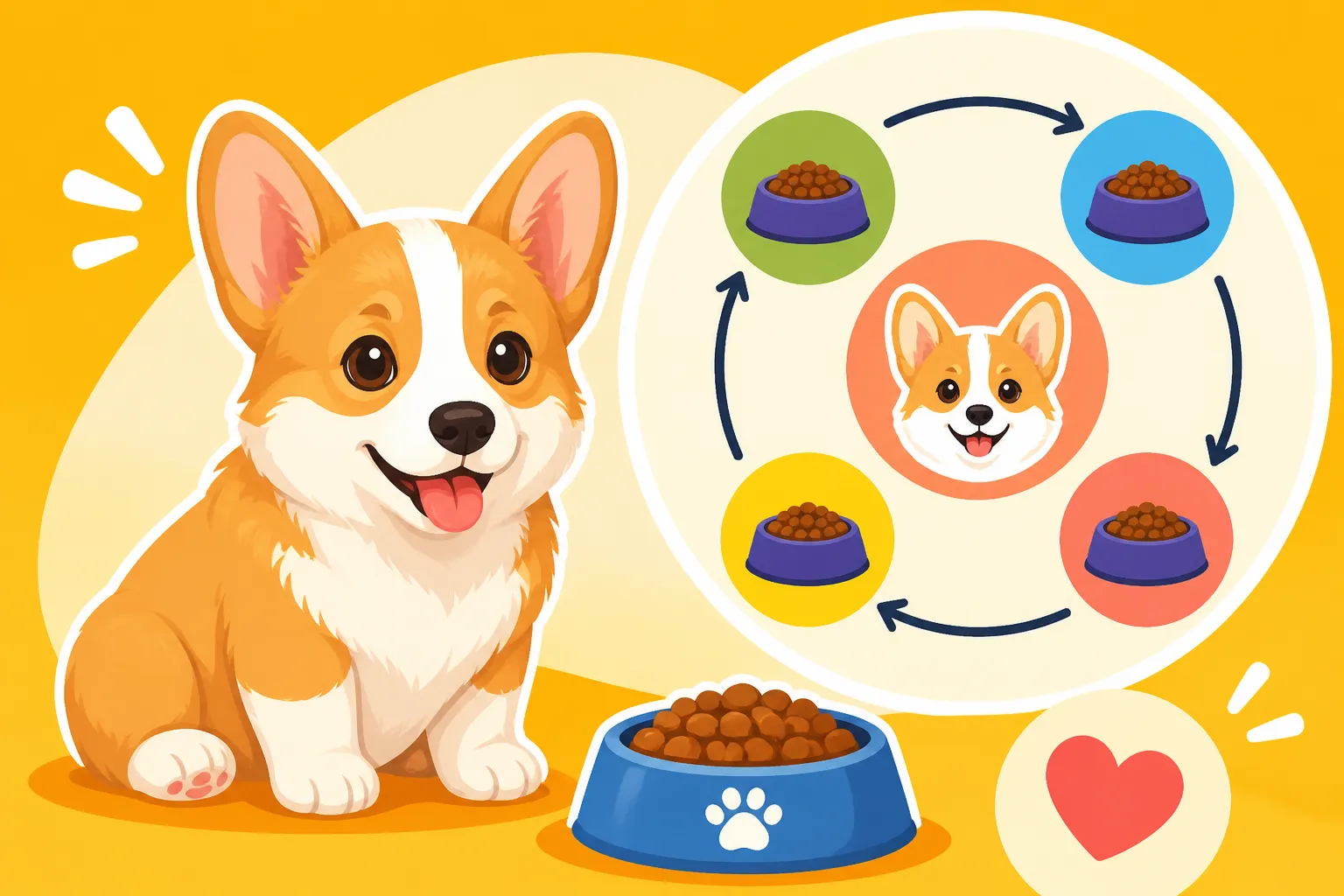
How Often a Corgi Puppy Is Fed Before Six Months
Bringing home a Corgi puppy is an absolute joy, but it can also feel like navigating a maze of conflicting advice, especially when it comes to something as fundamental as feeding. One of the biggest worries I hear from new owners is figuring out exactly how often their little Corgi fluffball should be eating before they hit that crucial six-month mark. This guide is here to cut through the confusion and give you a clear, empathetic roadmap for nurturing your Corgi puppy's growth and setting them up for a healthy life.
The Early Days: From Whelping Box to Your Home (0-12 Weeks)
Those first few weeks of a Corgi puppy's life are a whirlwind of growth and development, with feeding being a constant, vital part of their routine. Understanding this initial phase, even if you’re picking up your puppy at eight weeks, is key to providing continuity.
The Breeder's Foundation: Weeks 0-8
From the moment they're born, Corgi puppies are entirely dependent on their mother for nutrition. For the first three to four weeks, it's all about mom's milk, which is perfectly formulated with all the antibodies and nutrients they need. It’s truly nature’s best. As they approach that critical four-week mark, a good breeder will start the weaning process. This usually involves introducing a gruel made of high-quality puppy kibble softened with warm water or puppy milk replacer. At first, it's messy, with more going on their faces than in their tummies, but it’s an essential step in developing their ability to eat solid food.
By six to eight weeks, most Corgi puppies are eating softened kibble several times a day. The breeder's job during this period is to ensure they are gradually transitioning to solid food, gaining weight steadily, and showing good energy levels. They're typically fed small meals, usually four to five times a day, to keep their tiny tummies happy and prevent large swings in blood sugar. If you’re getting your puppy from a reputable breeder, they should provide you with a detailed feeding schedule and the specific food they’ve been using, which is a crucial piece of information to ensure a smooth transition.
Settling In: Weeks 8-12 at Your House
When your Corgi puppy finally comes home, usually around eight weeks old, it’s a huge change for them. They’ve left their mother, their littermates, and the only environment they’ve ever known. The first week or two is all about adjustment, and consistency in feeding is paramount. You’ll want to stick to the same food the breeder was using, at least initially, to avoid upsetting their stomach during an already stressful time. Suddenly changing their food can lead to diarrhea, which is the last thing you want with a new puppy.
At this age, Corgi puppies are growing rapidly and have high energy needs for their size. Their metabolisms are going full throttle! Because their stomachs are still quite small, they can't consume large amounts of food at once, so frequent meals are necessary. Typically, you'll be feeding your Corgi puppy three to four times a day during this stage. Spreading their daily food allowance into smaller, more digestible portions helps maintain stable blood sugar levels, supports consistent growth, and minimizes digestive upset. Think of it like a human baby needing multiple small meals rather than a few huge ones. It's a busy time, but those consistent meal times also become excellent opportunities for bonding and beginning early training.
Growing Pains and Gains: 3-6 Months Old
As your Corgi puppy gets a little older, their feeding routine will naturally evolve. They're still growing, but their digestive system is maturing, and their ability to handle larger meals improves. This is when you start to fine-tune their schedule and portion sizes.
Adjusting Meal Frequency and Portions
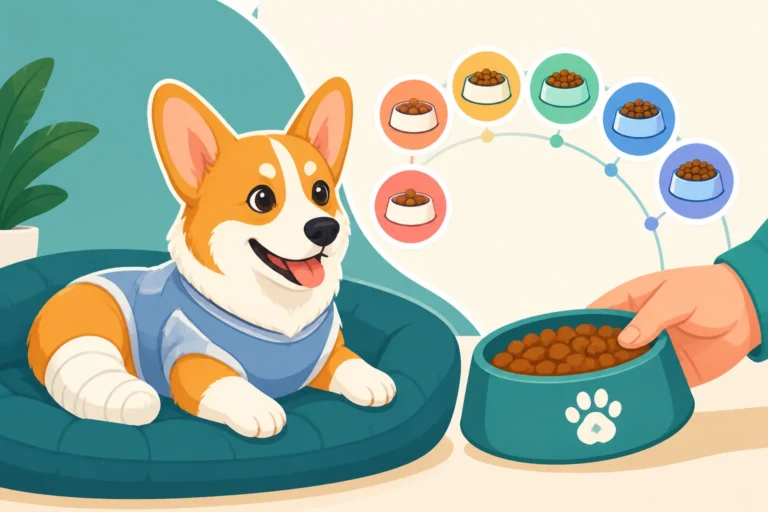
Between three and six months, you’ll gradually transition your Corgi puppy from four meals a day to three, and then eventually down to two. This is not a sudden switch, but a slow process guided by your puppy’s individual needs and growth. Around three to four months, many Corgi owners find their puppy is ready to drop one of those smaller, more frequent meals, moving comfortably to three meals a day. Then, typically between five and six months, you can often transition them to two meals a day, which is usually the feeding schedule for adult Corgis.
It's vital to remember that while the frequency changes, the total amount of food your puppy needs each day remains consistent with their growth stage, not necessarily declining. You’re simply dividing that total daily allowance into fewer, larger meals. Always check the feeding guidelines on your specific puppy food bag, as these are formulated for different ages and expected adult weights. However, these are just guidelines, and every Corgi is unique. Keep a close eye on their body condition – you should be able to feel their ribs easily without seeing them overtly. A Corgi should always be kept on the lean side, even as a puppy, to protect their developing joints and famous long back. Keeping a Growing Corgi Puppy on the Thin Side is essential for their long-term health.
The Importance of High-Quality Puppy Food
Choosing the right food for your Corgi puppy is just as important as the feeding schedule. They need a diet specifically formulated for puppies of small to medium breeds, which provides the right balance of protein, fats, vitamins, and minerals for their rapid growth. Look for brands that list a named meat source as the first ingredient and avoid excessive fillers. Quality ingredients contribute to healthy bone development, a shiny coat, and good energy levels.
Many reputable brands offer excellent puppy formulas. You might find a wide selection of these on platforms like Chewy, which often provides detailed nutritional information and customer reviews that can be helpful. Some owners also explore options like fresh-delivered meals, such as those offered by Ollie, ensuring human-grade ingredients tailored to their puppy's needs. Regardless of the brand, always weigh your Corgi’s food using a kitchen scale rather than relying on a scoop. Scoops can be wildly inaccurate, and even a small excess each day can lead to significant weight gain over time, especially in a Corgi. The Body Condition Score a Corgi Owner Aims For is your best friend in ensuring your puppy is maintaining a healthy physique.
Here's a general guide for Corgi puppy feeding frequency, but always adjust based on your vet's advice and your puppy's individual needs:
| Age Range | Approximate Meal Frequency Per Day | Key Considerations |
|---|---|---|
| Newborn – 8 Weeks | 4-5 (Weaning) | Breeder manages; softened kibble. |
| 8 Weeks – 3 Months | 3-4 | Consistent schedule; avoid sudden food changes. |
| 3 Months – 6 Months | 3, then gradually 2 | Monitor weight; transition slowly; high-quality puppy food. |
| 6 Months – 1 Year | 2 | Maintain lean body condition; transition to adult food eventually. |
Addressing Common Feeding Challenges in Corgi Puppies
Corgi puppies, with their endearing personalities and sometimes bottomless stomachs, can present a few unique feeding challenges. It's helpful to anticipate these so you can tackle them with a calm and consistent approach.
The Risk of a "Chubby Corgi Puppy"
It’s tempting to give in to those big, soulful Corgi puppy eyes, but overfeeding is a serious concern. A chubby Corgi puppy might look cute, but excess weight, even in puppyhood, puts undue stress on their developing joints and spine. Corgis are already predisposed to back problems like intervertebral disc disease (IVDD) due to their chondrodystrophic (long-bodied, short-legged) build. Starting off overweight only exacerbates this risk. Whether a Chubby Corgi Puppy Is a Problem is a question many owners ask, and the answer is a resounding yes – it can lead to lifelong health issues.
To prevent overfeeding, stick strictly to the recommended daily portion for their age and expected adult weight, and divide it into the appropriate number of meals. Remember to factor in any treats you give throughout the day into their total calorie allowance. If your puppy is constantly begging, don't confuse it with true hunger. Often, it's a learned behavior. Instead, redirect their attention with playtime or a puzzle toy. A good resource for healthy food and treat options can be found on online pet supply retailers like Chewy or Amazon, where you can read ingredient lists and compare nutritional values to make informed choices.
Managing the Insatiable Corgi Appetite
Corgis are notorious for loving food, sometimes to an obsessive degree. They are driven by their stomach, which means they'll often act like they're starving even after a full meal. This begging behavior can be frustrating, but it's important not to give in, as it reinforces the habit. Whether Corgis Beg Harder Than Other Breeds is a question that often comes up, and many Corgi owners would likely say yes!
Instead of giving extra food, consider using a slow feeder bowl or a puzzle toy to make meal times more engaging and extended. This not only slows down their eating but also provides mental stimulation. For training, use small, low-calorie treats or even pieces of their regular kibble. Training Treats That Fit a Corgi's Allowance are crucial for maintaining a healthy weight while still reinforcing good behavior. Consistent boundaries around food, ensuring they only eat from their bowl at set times, will help teach them patience and better manners. It's a long game, but worth it for their health.
Beyond the Bowl: Hydration, Training, and Overall Well-being
Feeding is just one piece of the puzzle when it comes to raising a healthy Corgi puppy. Their overall environment, access to fresh water, and early training all play significant roles in their development.
Water: The Unsung Hero of Health
Just like food, constant access to fresh, clean water is absolutely non-negotiable for your Corgi puppy. Puppies are more susceptible to dehydration than adult dogs, and they expel a lot of fluid through play and metabolism. Make sure water bowls are always full and clean, and consider having multiple water stations around the house, especially if you have a larger home. If you're using a crate for How Fast a Corgi Puppy Gets Clean during potty training, ensure they have access to water in a spill-proof bowl attached to the crate.
Monitor your puppy's water intake. Excessive drinking, coupled with excessive urination, could be a sign of an underlying health issue and warrants a call to your vet. On the other hand, if they seem reluctant to drink, try refreshing the water frequently or adding a little low-sodium chicken broth for extra appeal (in moderation).
Treats, Chews, and Supplements
Treats are invaluable for training, but they need to be chosen wisely and given sparingly. As mentioned, small pieces of their regular kibble are often ideal. For chews, especially for a teething Corgi puppy, choose appropriate, safe options that won't splinter or be easily swallowed whole. Chews a Teething Corgi Can Have can provide much-needed relief for their gums and help redirect destructive chewing behavior. Always supervise your puppy with new chews to ensure they are safe.
When it comes to supplements, generally, a high-quality puppy food provides all the necessary nutrients for a growing Corgi. Unless specifically recommended by your veterinarian due to a diagnosed deficiency or health concern, supplements are usually not necessary and can even be harmful if given in incorrect dosages. Always consult your vet before adding any supplements to your Corgi puppy's diet. For general health, focusing on a balanced diet and regular veterinary check-ups is far more important than any supplement. Which Corgi Supplements Do Anything is a question best answered by your trusted vet.
Veterinary Guidance and Monitoring Growth
Regular veterinary visits are critical during puppyhood. Your vet will monitor your Corgi puppy’s growth, weight, and overall health, providing personalized advice on feeding. These visits are the perfect opportunity to ask any questions you have about their diet, exercise, or behavior. They can help you determine Whether a Corgi Puppy Is on Track for Thirty Pounds or if any adjustments are needed.
It's tempting to think a Corgi puppy only needs Whether a Corgi Puppy Needs Special Food if they have an obvious issue, but preventive care and regular check-ups are key. Your vet can provide tailored advice on when to transition to adult food, typically around 9-12 months, and how to manage their diet to prevent weight gain as they mature. This early guidance helps lay the groundwork for a long, healthy life, saving you headaches and heartache down the road. Remember, what a Corgi puppy eats now directly impacts their health in the long run.
Disclaimer
This article is for general informational purposes only and does not constitute professional advice. Laws, prices and regulations vary by location and change over time. Consult a qualified professional for guidance on your specific situation.