Why Corgi Weight Is a Spinal Problem
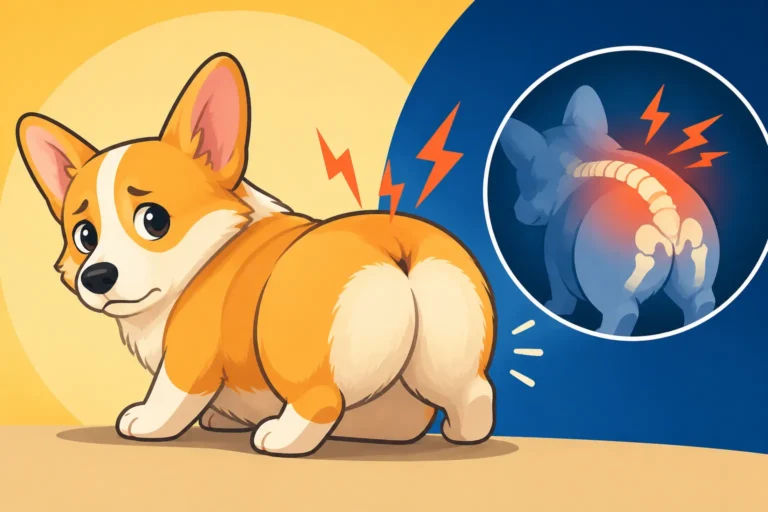
One of the most heart-wrenching realities for Corgi parents is witnessing their beloved, low-slung companion struggle with back pain or mobility issues. Their unique long body and short legs, while utterly adorable, also predispose them to significant spinal vulnerabilities, and nothing exacerbates these inherent risks quite like excess weight. This guide will meticulously unpack exactly why every extra pound your Corgi carries can become a serious spinal problem, offering you clear insights and actionable advice to safeguard their health and happiness for years to come.
Understanding the Corgi Spine: A Unique Design with Vulnerabilities
The Corgi’s iconic silhouette, characterized by those adorably short legs and surprisingly long body, is a marvel of adaptation that historically served them well as cattle drovers. However, this very design, while charming, presents inherent structural challenges that make their spine particularly susceptible to issues, especially when coupled with the added burden of excess weight.
The Anatomy of a Corgi's Back
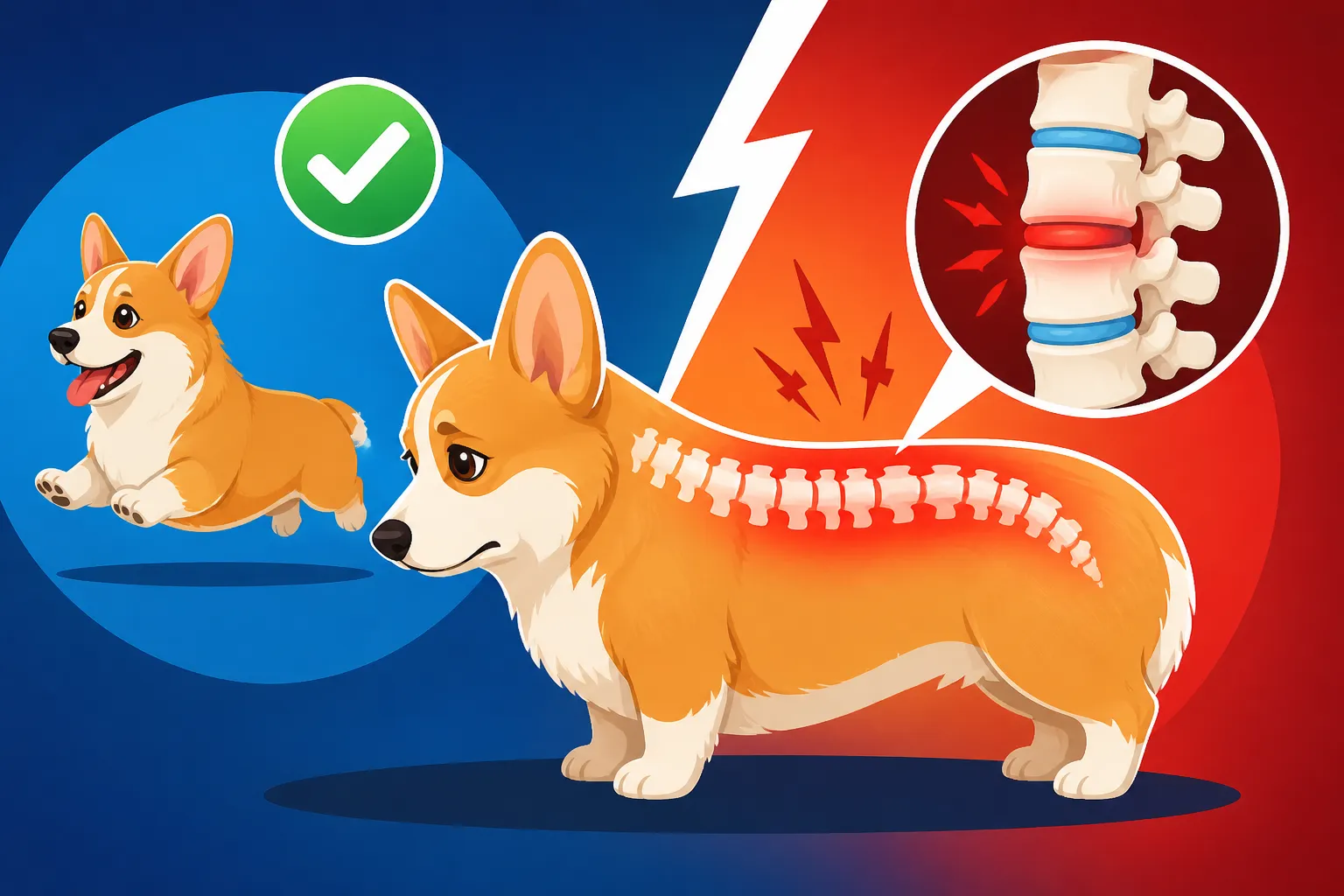
Think of your Corgi's spine not as a rigid rod, but as a flexible column made up of many small bones called vertebrae, cushioned between each by jelly-like discs. These intervertebral discs act as shock absorbers, allowing for movement and protecting the spinal cord. In Corgis, particularly the Pembroke Welsh Corgi, there's a genetic trait called chondrodystrophy. This simply means their cartilage development is altered, leading to those distinctive short legs and long back. What's often overlooked, however, is that this same genetic trait also affects the intervertebral discs, making them prone to premature degeneration and calcification. This means their discs can start to harden and lose their elasticity at a much younger age than in other breeds, turning them from spongy shock absorbers into brittle, more easily damaged structures.
This unique spinal construction is a key reason why understanding Why a Corgi's Back Is Built the Way It Is is so crucial for Corgi owners. The everyday movements that might be trivial for a longer-legged dog can put significant strain on a Corgi's compromised discs. A simple jump off a sofa, a twist during play, or even an awkward landing can place immense, sudden pressure on these already vulnerable structures. The inherent fragility, thanks to their genetic makeup, means that their discs are living on borrowed time from the start, making preventative care paramount.
Why Their Short Legs and Long Back Create Risk
The physics of a Corgi's body shape are inherently challenging for their spine. Imagine a long bridge supported by very short pillars; the longer the bridge and shorter the pillars, the more stress is placed on the connecting points and the overall structure. Your Corgi's spine is that "long bridge." Its length, combined with the limited leverage provided by short legs, means that any weight increase, even a seemingly small one, disproportionately amplifies the forces acting on the spinal column.
Every step a Corgi takes, every turn it makes, sends forces through its body. With a long back, these forces are distributed over a greater length, and without the stronger, longer leg structures to absorb some of that impact, more of the shock is transferred directly to the vertebral discs. This mechanical disadvantage is why even a healthy Corgi needs careful management of its environment – avoiding high jumps, stairs, and excessive twisting movements. When you add extra weight, it's like putting a heavier load on that already precarious bridge, pushing it closer to its breaking point with every single movement.
Common Spinal Issues Exacerbated by Weight
The primary spinal culprit in Corgis is Intervertebral Disc Disease (IVDD). As mentioned, their discs are already prone to degeneration. IVDD occurs when these discs either bulge outwards, pressing on the spinal cord, or rupture entirely, spilling their contents and causing severe compression. This can lead to pain, nerve damage, and in severe cases, paralysis.
While IVDD is a major concern, it's not the only one. Degenerative Myelopathy (DM), a progressive neurological disease that affects the spinal cord, is also prevalent in Corgis. While DM is primarily genetic and not directly caused by weight, the reduced mobility and joint stress from obesity can certainly complicate the management of a Corgi with Degenerative Myelopathy and the Corgi as their condition progresses. Moreover, arthritis in the spinal joints (spondylosis) can be accelerated by chronic weight-bearing stress. Even seemingly minor issues like muscle strain and inflammation in the back can become chronic and debilitating when a Corgi is carrying too much weight, leading to a diminished quality of life.
The Silent Burden: How Extra Pounds Impact Spinal Health
It's easy to look at a Corgi and think their roundness is simply part of their charm. Many owners genuinely believe their Corgi is "big-boned" or "fluffy" when, in reality, they're carrying a silent burden that is actively compromising their spinal health. This extra weight doesn't just sit there; it's a relentless force pressing down, slowly but surely contributing to the breakdown of their delicate spinal structure.
Increased Pressure on Intervertebral Discs
Imagine carrying a backpack filled with bricks all day, every day. That's essentially what an overweight Corgi is experiencing. Every additional pound of body weight places a magnified load on those already vulnerable intervertebral discs. For a dog that's meant to weigh, say, 25 pounds, an extra 5 pounds represents a 20% increase in body weight. That's equivalent to a 150-pound person carrying an additional 30 pounds constantly – a significant strain!
This constant, excessive pressure forces the discs to compress and flatten more than they should, accelerating their degeneration. The outer fibrous ring of the disc, which normally contains the jelly-like nucleus, starts to weaken under the strain. This makes it far more likely for the disc to bulge (protrude) or even rupture (herniate) with everyday movements, leading to the excruciating pain and neurological deficits associated with Disc Disease in a Long-Backed Corgi. The heavier the Corgi, the less resilient their discs become, turning them into ticking time bombs for a severe spinal episode.
Accelerated Wear and Tear on Joints
It's not just the discs that suffer; the entire skeletal system, including the small joints between the vertebrae (facet joints) and the larger limb joints, bears the brunt of excess weight. These joints are designed to move smoothly, with cartilage providing a low-friction surface. When too much weight is present, that cartilage is subjected to constant, abnormal compression and friction.
Over time, this leads to accelerated wear and tear. The cartilage thins, frays, and eventually erodes, exposing the underlying bone. This process is essentially the onset of arthritis. In the spine, this can manifest as spondylosis, where bone spurs form around the vertebrae in an attempt to stabilize the spine, often leading to stiffness and chronic pain. In the limbs, it exacerbates conditions like hip dysplasia or patellar luxation, making movement even more painful and difficult. This creates a vicious cycle: pain leads to less activity, less activity leads to more weight gain, and more weight gain leads to more pain.
Inflammation and Systemic Stress
Beyond the mechanical stress, excess body fat isn't just inert storage; it's biologically active tissue that produces inflammatory chemicals. These chemicals circulate throughout the body, contributing to a state of chronic, low-grade inflammation. While this might seem subtle, this systemic inflammation can directly impact the health of spinal tissues.
Inflammatory mediators can further degrade cartilage, contribute to nerve pain, and impair the body's natural healing processes. This means that an overweight Corgi isn't just mechanically straining its back; its body is also in a constant state of mild distress that makes spinal tissues more susceptible to injury and slower to recover. This broader systemic stress also affects other organ systems, increasing the risk of conditions like diabetes, heart disease, and respiratory problems, making spinal issues part of a much larger picture of overall poor health.
Recognizing the Signs of Weight-Related Spinal Strain
As Corgi owners, we become acutely tuned to our dogs' personalities and habits. This close observation is vital because the signs of spinal strain, especially in its early stages, can be subtle and easily mistaken for "just getting older" or normal laziness. However, an early intervention can make a world of difference for your Corgi's long-term comfort and mobility.
Changes in Gait and Movement Patterns
One of the first indicators that something might be amiss with your Corgi's back, particularly when exacerbated by weight, is a change in how they move. You might notice a slight "drunken sailor" sway to their hindquarters as they walk, or an unevenness in their stride. Their back legs might seem stiffer, or they might take shorter, choppier steps. Sometimes, one or both back feet might scuff the ground, leading to worn-down nails on one side. This can be a subtle but significant sign that the dog is struggling with proprioception – their body's awareness of its position in space – which is controlled by the spinal cord.
Another common observation is a reluctance to fully extend their body. They might walk with a slightly hunched back, or appear stiff when getting up from a lying position. You might even notice that their hind legs seem to cross over each other more often when walking, especially on slippery surfaces. These subtle alterations in their natural gait are often their body's way of compensating for discomfort or weakness in the spine, trying to protect themselves from movements that might cause pain. It's easy to dismiss this as age, but it's crucial to consider their weight as a contributing factor.
Reluctance to Jump or Use Stairs
Corgis, even healthy ones, aren't built for high-flying acrobatics, but a sudden or gradual unwillingness to perform routine actions like jumping onto the sofa, getting into the car, or tackling a few stairs is a major red flag. If your Corgi used to eagerly bound onto your bed and now pauses, looks at you hesitantly, or tries to find another way, it's not always about being "stubborn." Often, it's a clear signal that the action causes them pain or they fear it will.
This reluctance isn't just about pain from the jump itself. The landing impact places significant stress on the spine and joints, and an overweight Corgi will feel this impact even more acutely. They may exhibit a specific cry or grunt when attempting to jump or if you pick them up incorrectly. If you observe A Corgi That Will Not Climb the Stairs or hesitates to jump onto low furniture, it's time to assess both their comfort level and their weight. Introducing ramps or steps for furniture and vehicles can dramatically reduce this strain, regardless of weight, but it’s even more critical for a heavy Corgi.
Subtle Pain Signals and Behavioral Shifts
Corgis are famously stoic, a trait inherited from their working dog ancestry, which means they often hide pain until it becomes severe. Therefore, owners need to be detectives, looking for subtle changes in behavior that might indicate discomfort. These can include:
- Changes in posture: A Corgi might stand with their head lower, or seem to be "tucked up" in their belly to alleviate spinal pressure.
- Reduced activity: They might play less, be less enthusiastic about walks, or spend more time sleeping than usual. This isn't just laziness; it can be their body's way of avoiding movements that hurt.
- Irritability or aggression: A dog in pain might snap or growl when touched in certain areas, particularly along their back or hindquarters, or become withdrawn. If your Corgi usually loves belly rubs but suddenly recoils or grumbles when you try to touch their back, pay attention.
- Loss of appetite or reluctance to eat: While less common for Corgis, severe pain can sometimes cause a temporary decrease in appetite.
- Trembling or shivering: Especially after movement or exertion, a Corgi in pain might tremble.
- Difficulty with grooming: They might struggle to reach certain areas, particularly their hindquarters, for self-grooming.
- Vocalization: While they're masters of the Corgi "woo," a sharp yelp, whine, or grunt when A Corgi That Cries When Lifted Under the Chest or moved can be a very clear sign of acute pain.
Any of these signs, especially when they appear in an overweight Corgi, warrant a trip to the veterinarian. Early detection and weight management can significantly prevent more serious, debilitating spinal conditions from developing.
Beyond the Back: Other Health Risks of Corgi Obesity
While the spine takes center stage when discussing Corgi weight, it's crucial to understand that obesity is a systemic problem. It doesn't just affect one part of the body; it impacts virtually every physiological system, leading to a cascade of health issues that can severely diminish your Corgi's quality of life and shorten their lifespan.
Joint Problems (Hips, Knees, Elbows)
The same principles that apply to spinal joints also apply to all the other load-bearing joints in your Corgi's body. Their hips, knees (stifles), and elbows are under immense strain from excess weight. Corgis are already predisposed to conditions like hip dysplasia, a genetic condition where the hip joint doesn't form correctly. When an overweight Corgi has hip dysplasia, the added burden dramatically accelerates the progression of arthritis in the joint, leading to earlier onset of pain, stiffness, and lameness.
Similarly, conditions like luxating patella (kneecap displacement), which can occur in Corgis, are made significantly worse by obesity. The extra weight pushes the kneecap out of alignment more frequently and with greater force, causing pain and further damage. This constant pressure and inflammation lead to Early Arthritis in a Corgi, not just in the spine but throughout their limbs, making every movement a painful ordeal. The result is a dog that is less willing to play, walk, or even stand comfortably, creating a sedentary lifestyle that only perpetuates the weight gain and health decline.
Metabolic and Organ System Complications
Obesity is far more than just "being fat"; it's a metabolic disease. Adipose tissue (fat) is metabolically active and produces hormones and inflammatory compounds that wreak havoc on the body's delicate balance. Overweight Corgis are at a significantly higher risk for:
- Diabetes Mellitus: Excess fat cells can lead to insulin resistance, making it harder for the body to regulate blood sugar, eventually leading to diabetes. Managing diabetes in a dog requires daily insulin injections, special diets, and regular vet checks, adding considerable stress and cost to pet ownership.
- Heart Disease: The heart has to work harder to pump blood through a larger body mass, leading to increased blood pressure and strain on the cardiovascular system. Over time, this can contribute to congestive heart failure.
- Respiratory Problems: Excess fat around the chest cavity and abdomen can restrict lung expansion, making breathing more difficult, especially in warm weather or during exercise. This is particularly concerning for a brachycephalic (short-nosed) breed, but even Corgis, with their somewhat longer muzzles, can struggle.
- Liver Disease: Fatty liver disease (hepatic lipidosis) can develop in severely obese dogs, impairing liver function.
- Urinary Tract Issues: Overweight dogs are more prone to bladder infections and the formation of certain types of bladder stones.
These conditions not only cause suffering for your Corgi but also become incredibly expensive and time-consuming to manage. This is often when pet insurance, like a policy from Healthy Paws, really proves its worth, helping to cover the often significant costs of chronic disease management.
Reduced Quality of Life and Lifespan
Ultimately, the cumulative effect of these health issues is a drastic reduction in your Corgi's quality of life and, sadly, a shorter lifespan. A Corgi that is constantly in pain, struggles to breathe, or can barely move cannot enjoy life to its fullest. They miss out on the joy of walks, playtime, and even comfortable snuggles. They become less engaged, often withdrawn, and lose that vibrant Corgi zest for life we all adore.
The discomfort from spinal issues, combined with the fatigue and pain from other obesity-related diseases, can make their senior years particularly challenging. Instead of enjoying a peaceful retirement, they might be plagued by chronic illness, multiple medications, and frequent vet visits. While Corgis typically live The Twelve to Fifteen Year Corgi Lifespan, obesity can easily shave years off that, robbing you of precious time with your beloved companion. Ensuring they maintain a healthy weight is one of the most loving and impactful things you can do to give them a long, happy, and pain-free life.
Achieving and Maintaining a Healthy Weight for Your Corgi
It's one thing to understand the risks; it's another to actually take action. Shifting an overweight Corgi to a healthy weight requires commitment, consistency, and a clear understanding of what a healthy Corgi truly looks and feels like. It's not a quick fix but a gradual, sustainable lifestyle change for both you and your furry friend.
Determining Your Corgi's Ideal Body Condition Score
The first step is to accurately assess your Corgi's current body condition. Because of their double coat, it can be deceptively easy to miss weight gain. Visual assessment alone isn't enough; you need to get your hands on them. Vets often use a Body Condition Score (BCS) system, usually on a scale of 1 to 9, where 1 is emaciated and 9 is morbidly obese, with 4-5 being ideal.
Here’s how you can do a quick check at home:
- Rib Check: Gently run your fingers along your Corgi's sides. You should be able to easily feel their ribs, almost like feeling the knuckles of your hand when your palm is flat. If you have to press firmly to feel them, or if you can't feel them at all, your Corgi is likely overweight.
- Waistline Check: Stand over your Corgi and look down. You should see a discernible waistline just behind their ribs, like an hourglass shape, even if it's subtle due to their low stature. If they look like a continuous "sausage" from neck to tail, they're carrying too much weight.
- Abdominal Tuck: Look at your Corgi from the side. Their abdomen should tuck up slightly from their chest, not hang down or be level with it.
If you're unsure, your veterinarian is the best resource. They can give you an objective assessment and help you determine The Body Condition Score a Corgi Should Hold and set a realistic target weight. This objective starting point is crucial for setting effective goals.
Crafting a Balanced Diet and Portion Control Plan
Diet is paramount when it comes to weight management. Corgis are notorious food hounds, and their enthusiastic appetites often lead well-meaning owners to overfeed them.
- Consult Your Vet: The absolute first step is to talk to your vet. They can help calculate your Corgi's ideal caloric intake based on their target weight, age, and activity level. They might recommend a specific weight-loss formula kibble, which is typically lower in calories and higher in fiber to help your Corgi feel fuller.
- Measure Everything: Stop "eyeballing" portions. Invest in a digital kitchen scale and accurately weigh your Corgi's food for every meal. Even a small handful extra twice a day can significantly add up over weeks and months.
- Divide Meals: Instead of one large meal, consider splitting their daily ration into two or three smaller meals. This can help manage hunger and metabolism.
- Limit Treats and Scraps: This is often the biggest culprit. Treats, even small ones, add calories. Choose low-calorie options like plain green beans, baby carrots, or apple slices (without seeds) sparingly. Absolutely no table scraps, as they are often high in fat and calories and offer no nutritional balance.
- Use Food for Training: Instead of extra treats, use a portion of their daily kibble for training rewards. This makes training calorie-neutral.
A general guideline for What an Ideal Corgi Weighs is typically between 25-30 pounds for Pembrokes, with Cardigans often slightly heavier. Your vet will help you nail down the specific target for your individual dog.
Safe and Effective Exercise Strategies
Exercise is the other half of the weight-loss equation, but for a Corgi, it needs to be carefully managed to protect their spine. High-impact activities or uncontrolled jumping are definite no-gos, especially for an overweight Corgi or one with existing spinal issues.
- Low-Impact is Key: Focus on consistent, moderate, low-impact exercise. Daily leash walks are excellent. Start with shorter walks and gradually increase duration as your Corgi's stamina and fitness improve. Aim for at least 30-60 minutes spread throughout the day.
- Swimming: If accessible and safe, swimming is fantastic for Corgis. It provides a full-body workout without any impact on their joints or spine. A life vest is recommended for safety.
- Gentle Play: Engage in gentle play sessions in a fenced yard or soft, carpeted area. Rolling a ball for them to chase on the ground is good, but avoid throwing frisbees or balls high in the air that encourage jumping.
- Consider Hydrotherapy: For Corgis that need to lose a significant amount of weight or have existing joint/spinal issues, hydrotherapy (underwater treadmill or swimming with a therapist) can be incredibly beneficial. It allows for controlled exercise in a buoyant environment.
- Avoid Stairs and Jumps: Until your Corgi is at a healthy weight and cleared by a vet, minimize stairs and completely prevent jumping on and off furniture. Use ramps or lift them carefully, supporting their back and hindquarters.
Remember, the goal is consistent, manageable activity, not intense bursts that risk injury. Any exercise program for an overweight Corgi should always be discussed with your veterinarian first to ensure it's safe and appropriate for their current health status.
Preventative Measures and Supportive Care for Spinal Health
Proactive care is the cornerstone of keeping a Corgi's spine healthy, especially given their inherent vulnerabilities. It’s about creating an environment and lifestyle that actively supports their long back and short legs, minimizing strain before problems even start.
Environmental Modifications to Protect Their Back
Your home environment plays a massive role in your Corgi's spinal health. Every jump, every slip, every awkward movement contributes to wear and tear or acute injury.
- Ramps and Steps: This is non-negotiable for Corgis. Invest in sturdy ramps or steps for access to furniture (sofas, beds) and your car. Even if your Corgi can jump, they shouldn't. The repeated impact of jumping down, especially, is incredibly jarring to their spine. Make it a habit early on. You can find excellent options like the Ramps and Steps That Save a Corgi's Back online or at pet supply stores.
- Non-Slip Flooring: Hardwood floors, tiles, and linoleum can be treacherous for Corgis, especially when they're running or turning quickly. Their short legs and long bodies make them prone to slipping, which can cause sudden twists or splits that lead to disc injuries. Cover slippery areas with runners, rugs, or yoga mats to provide traction.
- Orthopedic Beds: A firm, supportive orthopedic dog bed is crucial for supporting their spine and joints, particularly as they age. Avoid overly soft or squishy beds that don't offer adequate support.
- Car Safety: Use a car ramp or lift your Corgi into and out of the car, always supporting their back. Never let them leap out on their own. Secure them with a crash-tested car harness or in a sturdy crate during travel to prevent injury from sudden stops.
- Appropriate Harness: Always use a well-fitting harness for walks, rather than a collar, to avoid putting pressure on their neck and throat, which can indirectly strain the spine.
These modifications might seem like a lot of effort, but they are a small investment compared to the emotional and financial cost of a spinal emergency.
Regular Vet Check-ups and Early Intervention
Routine veterinary care is your best ally in preventing and managing spinal problems. Your vet can spot subtle changes, offer tailored advice, and intervene early before issues escalate.
- Annual Exams: Don't skip these. Your vet will perform a thorough physical exam, checking your Corgi's gait, reflexes, and range of motion. They'll also monitor their weight and body condition.
- Open Communication: Be honest with your vet about your Corgi's diet, exercise, and any behavioral changes you've noticed, no matter how small. Mentioning if your Corgi is less enthusiastic about walks or seems stiff after sleeping can give your vet valuable clues.
- Weight Management Counseling: If your Corgi is even slightly overweight, work with your vet to develop a specific weight-loss plan. They can provide prescription diet recommendations, portion guidelines, and exercise advice.
- Screening an Older Corgi's Spine: As Corgis age, their spinal health becomes an even greater concern. Your vet might recommend Screening an Older Corgi's Spine through physical examination or even imaging if concerns arise, allowing for early detection of degenerative changes.
Remember, preventative care, including proper weight management and environmental considerations, can dramatically reduce the likelihood of your Corgi needing serious interventions down the line. It's an investment in their comfort and your peace of mind.
Considering Supplements and Therapies
While not a substitute for proper weight management and veterinary care, certain supplements and therapies can offer additional support for Corgi spinal and joint health, especially as they get older or if they have pre-existing conditions.
- Joint Supplements: Glucosamine, chondroitin, and MSM are common ingredients in joint supplements that aim to support cartilage health and reduce inflammation. Omega-3 fatty acids (fish oil) are also excellent for their anti-inflammatory properties. Discuss these with your vet before starting, as not all supplements are created equal, and your vet can recommend reputable brands and appropriate dosages.
- Physical Therapy/Rehabilitation: For Corgis recovering from a spinal injury or managing chronic back pain, physical therapy can be incredibly beneficial. This can include hydrotherapy (underwater treadmill), therapeutic exercises, massage, laser therapy, and acupuncture. These therapies help strengthen core muscles, improve flexibility, reduce pain, and enhance overall mobility without putting undue stress on the spine.
- Anti-Inflammatory Medications: In some cases, your vet might prescribe non-steroidal anti-inflammatory drugs (NSAIDs) or other pain relievers to manage chronic pain or inflammation, especially during flare-ups. These should always be used under strict veterinary guidance due to potential side effects.
While these supportive measures can't fix a ruptured disc or reverse genetic predisposition, they can significantly improve comfort and slow down the progression of degenerative conditions when combined with meticulous weight control and a safe living environment. Organizations like Healthy Paws often cover these rehabilitative therapies, which can be a huge relief if your Corgi ever needs them.
The Role of Genetics and Responsible Breeding
While weight is a massive controllable factor in Corgi spinal health, it's critical to acknowledge the underlying genetic predispositions that make them so vulnerable in the first place. Understanding these genetics is key to making responsible choices, whether you're bringing a new Corgi into your home or already have one.
Understanding Predispositions like IVDD and DM
As previously touched upon, Corgis carry specific genetic traits that put them at higher risk for certain conditions.
- Intervertebral Disc Disease (IVDD): The chondrodystrophic gene, responsible for their short legs, also predisposes Corgis to premature degeneration and calcification of their intervertebral discs. This means their discs are structurally compromised from a young age, making them prone to herniation or rupture even without trauma. This genetic predisposition means that even a Corgi at an ideal weight still has a higher risk of IVDD compared to other breeds, highlighting why weight management is even more critical for them.
- Degenerative Myelopathy (DM): This progressive neurological disease affects the spinal cord, leading to weakness and eventual paralysis in the hind limbs. It's caused by a mutation in the SOD1 gene. While not directly linked to obesity, an overweight Corgi might experience an earlier onset or faster progression of mobility issues if they are also genetically predisposed to DM. For owners of a Corgi that Scuffs Its Back Nails, which is a common early sign of DM, meticulous weight management is essential to keep them mobile for as long as possible.
These genetic factors underscore that responsible ownership means being aware of these risks and doing everything possible to mitigate their impact through environmental control and, especially, weight.
The Importance of Screening and Health Clearances
For anyone considering bringing a Corgi puppy into their home, the importance of choosing a responsible breeder cannot be overstated. A good breeder will prioritize the health of their breeding stock and puppies, including genetic screening.
- DM Testing: Reputable breeders will test their breeding dogs for the SOD1 gene mutation. Dogs can be "clear" (no copies of the mutation), "carrier" (one copy), or "at-risk" (two copies). While carriers usually don't develop DM, two carriers bred together can produce at-risk puppies. The goal is to avoid breeding two at-risk dogs, or even two carriers, to reduce the incidence of DM in the breed. Understanding The DNA Tests a Corgi Breeder Should Run is fundamental.
- Orthopedic Evaluations: While there isn't a direct genetic test for IVDD itself, good breeders will often evaluate their breeding dogs for general orthopedic health, including hip and elbow clearances, to ensure overall structural soundness. This helps ensure that parents are physically robust and less likely to pass on contributing conformational issues.
- Pedigree Research: A responsible breeder will also be transparent about the health history of their breeding lines, allowing you to see if there's a pattern of spinal or joint problems in the lineage.
Choosing a puppy from parents with clear health clearances is your best bet for starting with a genetically sound foundation, but it’s still not a guarantee against all issues. Lifestyle, particularly weight management, remains paramount regardless of genetics.
Making Informed Choices for a Healthy Puppy
When you're looking for a Corgi, don't be swayed solely by cuteness (though, let's be honest, they're impossibly cute!). Take the time to ask critical questions:
- Health Testing Documentation: Request to see documentation of health clearances for both parents, not just a breeder's word.
- Breeder's Knowledge: A good breeder will be knowledgeable about Corgi health concerns and willing to discuss them openly. They should emphasize the importance of weight management and proper exercise for the breed.
- Contract and Guarantees: A comprehensive contract should outline health guarantees, return policies, and expectations for care.
- Observing Parents: If possible, meet the puppy's parents to assess their temperament and physical condition. Are they healthy, active, and at a good weight?
Being proactive in your puppy selection ensures you’re not contributing to the cycle of unhealthy breeding and gives your future Corgi the best possible start in life. Even with the best genetics, remember that a Corgi’s weight is still largely within your control, and it's one of the most powerful tools you have to protect their delicate spine.
When to Seek Veterinary Help: Emergency Signs and Advanced Care
Despite all your best efforts in weight management and preventative care, spinal issues can sometimes arise. Knowing when a situation is an emergency and understanding the diagnostic and treatment options available is crucial for the best possible outcome for your Corgi.
Sudden Weakness or Paralysis
This is perhaps the most alarming and immediate sign that your Corgi is experiencing a severe spinal event, often a ruptured disc. If you notice any of the following, do not delay – seek emergency veterinary care immediately:
- Sudden onset of weakness in the hind legs: Your Corgi might suddenly stumble, drag their back legs, or have difficulty standing up.
- Inability to move hind legs: This is complete paralysis, where the legs are limp and unresponsive.
- Dragging of legs: They may try to move but simply drag their back legs behind them.
- Loss of balance: Severe wobbliness, falling over, or inability to coordinate movements.
- Urgent need for diagnosis: This can involve an MRI or CT scan to pinpoint the exact location and severity of the spinal cord compression. Waiting even a few hours can significantly impact the prognosis for recovery.
These signs indicate severe neurological impairment, and prompt action can make the difference between a good recovery and permanent disability.
Severe Pain and Incontinence
Pain is another critical indicator. While Corgis are stoic, severe pain can manifest dramatically:
- Vocalization: Loud yelping, screaming, or continuous whining, especially when touched or moved.
- Extreme reluctance to move: Refusing to get up, walk, or even shift position. They might tremble or shake from pain.
- Arched back: A severely painful Corgi might stand or lie in a hunched, rigid posture, trying to guard their spine.
- Loss of bladder or bowel control (incontinence): This is a grave sign. When a disc ruptures, it can compress the nerves that control bladder and bowel function. If your house-trained Corgi suddenly starts having accidents, especially if accompanied by other neurological signs, it's an emergency. This often signifies severe spinal cord compression.
If you observe any of these symptoms, particularly the combination of pain and incontinence, consider it a medical emergency. Getting your Corgi to an emergency veterinary hospital or a veterinary neurologist is paramount. This can be one of The Two Ages a Corgi Gets Expensive due to the need for advanced diagnostics and potentially immediate surgery. This is also where having a robust pet insurance plan like Healthy Paws can be a lifesaver, covering a significant portion of these often costly emergency treatments.
Exploring Diagnostic and Treatment Options
Once your Corgi is at the veterinary hospital, a series of diagnostic tests will be performed to determine the exact nature and location of the spinal problem.
- Neurological Exam: The vet will perform a thorough neurological exam to assess reflexes, pain sensation, and motor function.
- X-rays: While X-rays can show calcified discs or changes in the vertebrae, they don't directly show spinal cord compression. They are often a first step to rule out other issues.
- MRI or CT Scan: These are the gold standard for diagnosing IVDD and other spinal cord issues. They provide detailed images of the spinal cord and discs, allowing the vet to see exactly where the compression is occurring.
- Treatment Options:
- Conservative Management: For less severe cases of IVDD, or if surgery isn't an option, conservative management involves strict crate rest (often for 4-6 weeks), pain medication, and anti-inflammatory drugs. This allows the disc to heal and inflammation to subside.
- Surgery: For severe cases, especially those with paralysis or loss of deep pain sensation, emergency surgery to decompress the spinal cord is often the best option. This procedure, typically performed by a veterinary neurologist, involves removing the herniated disc material. Post-operative care can be intensive and require significant dedication to physical rehabilitation. Whether a Corgi Needs Surgery or Rest is a critical decision your vet will guide you through based on the severity of the injury.
The journey through spinal injury can be long and challenging, but with proper, timely veterinary care and dedicated home support, many Corgis can recover significantly. Your role in managing their weight is your most powerful tool in preventing these life-altering events from happening in the first place.
Disclaimer
This guide provides general information about Corgi weight and spinal health and is not a substitute for professional veterinary advice. Always consult with a qualified veterinarian for any health concerns or before making any decisions about your Corgi's diet, exercise, or medical treatment.