Whether Carrot Sticks Satisfy a Corgi
If you've ever owned a Corgi, you know the look. That intense, unwavering stare, often accompanied by a low, rumbling whine, that makes you feel like your furry friend hasn't eaten in weeks, despite having just polished off their dinner. It's a common struggle for Corgi parents: finding healthy, satisfying treats that won't pack on the pounds but will still make your little herder feel like they've won the lottery. This guide dives deep into whether a humble carrot stick can truly satisfy that insatiable Corgi appetite and what real satisfaction looks like for our low-riding companions.
The Corgi's Perpetual Hunger: More Than Just Being "Food Motivated"
Let's be honest, Corgis are notoriously food-motivated. It’s not just a cute quirk; it’s deeply ingrained in their history as working dogs. Herding required immense energy and a keen focus, and a good meal was a vital reward for their efforts. That instinct often translates into a dog who acts perpetually famished, always on the lookout for a dropped crumb or an unguarded plate. This isn't necessarily a sign of actual hunger, but rather a strong drive and learned behavior.
Why Your Corgi Thinks They're Starving
Our Corgis, bless their little hearts, often have a dramatic flair when it comes to food. You could have just given them a gourmet meal, and they'll still eye your sandwich like it's the last morsel on earth. This behavior stems from a combination of factors. First, their genetic predisposition means they're hardwired to seek out sustenance. For a dog that needs to be quick and agile to herd cattle, having a strong drive to fuel up makes sense. Second, we, as loving pet parents, often inadvertently reinforce this behavior. A quick glance, a sigh, or even a nervous laugh can be interpreted as encouragement to continue their plea. They're smart cookies, and they learn quickly what gets them results. You might relate to A Corgi That Stares at You Through Dinner all too well.
Another significant factor is simply boredom. A Corgi is an intelligent, active breed. If their minds aren't engaged, they will often turn to the most readily available and exciting thing: food. Sniffing out crumbs, begging for treats, or even trying to counter-surf becomes a pastime when other enrichment is lacking. It's not always about an empty belly; sometimes it's an empty schedule. This is why it's so important to ensure they have enough mental stimulation throughout the day, not just physical exercise.
The Problem with Calorie-Dense Treats
Because Corgis are so adept at convincing us they need more food, many owners fall into the trap of over-treating with high-calorie options. Those cute little biscuits, soft chewy training treats, or even a bite of whatever you're having can quickly add up. Before you know it, your Corgi, who is already predisposed to weight gain due to their short stature and robust build, is carrying extra pounds. This excess weight puts immense strain on their long backs and short legs, exacerbating conditions like intervertebral disc disease (IVDD) and contributing to joint issues.
Many commercial treats, while palatable, are often packed with fillers, sugars, and fats that contribute little nutritional value and many calories. It’s essential to be mindful of Treats Priced Into a Corgi's Daily Ration and, more importantly, the caloric cost of those treats. Even a small training treat can be proportionally significant to a Corgi's daily intake. When we give in to their pleas with these calorie bombs, we're doing them a disservice, unknowingly paving the way for potential health problems down the line.
Carrot Sticks: A Crunchy, Low-Calorie Solution
So, if traditional treats are a minefield, where does that leave us? Enter the humble carrot stick. It's affordable, readily available, and, perhaps most importantly for our Corgi pals, a crunchy, low-calorie option that can offer a sense of satisfaction without the caloric burden.
Nutritional Benefits and Low Calorie Count
Carrot sticks are a fantastic choice for Corgis for several reasons. First and foremost, they are incredibly low in calories. A medium carrot contains only about 25-30 calories, a fraction of what many commercial dog treats offer. This means you can give your Corgi several carrot sticks without significantly impacting their daily caloric intake, which is crucial for managing their weight. If you're aiming for The Calorie Target for a Twenty-Eight Pound Corgi, every calorie counts.
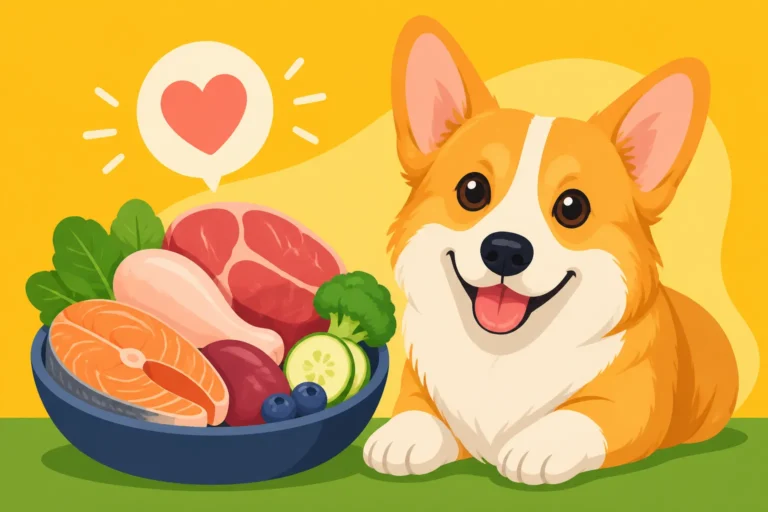
Beyond being low-cal, carrots are packed with beneficial nutrients. They are an excellent source of beta-carotene, which the body converts into Vitamin A, essential for good vision, immune function, and skin health. They also contain fiber, which aids digestion and can help your Corgi feel fuller for longer. This fiber content, combined with the act of chewing, contributes to that feeling of satiety. Carrots also provide Vitamin K, potassium, and antioxidants, all contributing to overall canine health. It's like a healthy mini-meal disguised as a treat!
The "Satisfaction" Factor: Crunch and Engagement
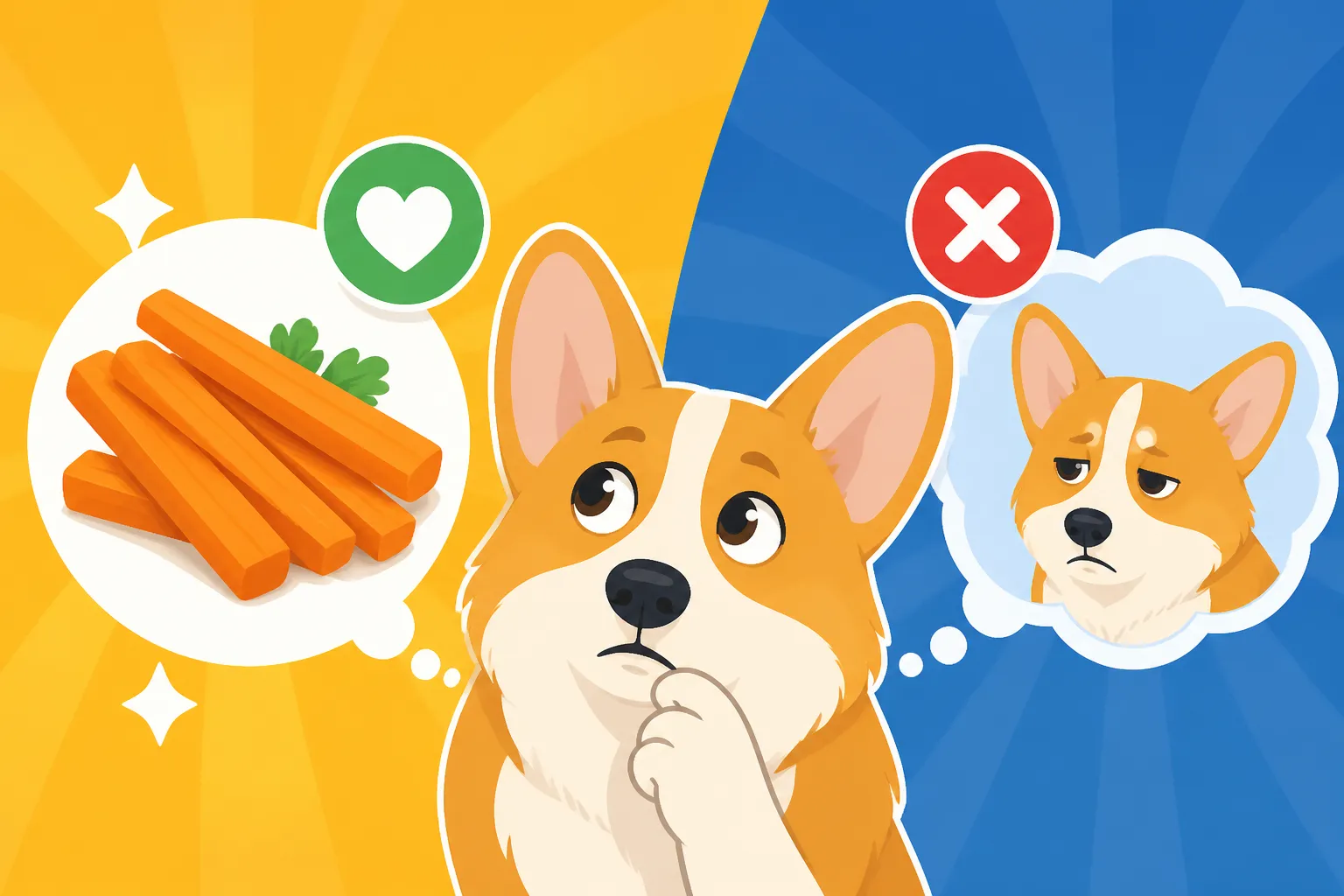
But do carrot sticks satisfy a Corgi? This is where it gets interesting. For many Corgis, the act of crunching and chewing is incredibly satisfying. It engages their jaws, provides mental stimulation, and helps fulfill their innate need to chew. Unlike a soft, quickly swallowed treat, a carrot stick requires a bit of effort, prolonging the treating experience. This extended engagement can trick their brains into feeling more satisfied, even if the caloric intake is minimal.
Think about it: a Corgi loves to work. While they might not be herding cattle in your living room, giving them something to do with their mouths can tap into that working dog instinct. The sound, the texture, and the time it takes to consume a carrot stick can be just as rewarding as a higher-value, calorie-laden treat for some dogs. It's a healthy way to redirect their urge to chew and can be a great alternative to things they shouldn't be gnawing on, like your furniture.
How to Introduce and Serve Carrot Sticks
Introducing carrot sticks to your Corgi is usually quite easy, as most dogs readily accept them. Start with small pieces or thin slices to ensure they don't choke, especially if your Corgi is an enthusiastic gobbler. You can offer them raw, or if your dog is particularly fussy, you can steam them lightly to soften them a bit. However, the raw crunch is often what makes them so appealing!
Tips for Success:
- Wash thoroughly: Always wash carrots to remove any dirt or pesticides.
- Cut into appropriate sizes: For a Corgi, small sticks or coin-sized slices are best. Avoid whole baby carrots as they can be a choking hazard.
- Introduce slowly: While carrots are generally safe, too much fiber too quickly can cause an upset stomach. Start with a small piece and gradually increase.
- Monitor stool: If you notice any digestive upset, reduce the amount or stop offering them.
- Frozen carrots: On a hot day, frozen carrot sticks can be an extra special and cooling treat that also provides more chewing time.
Remember, even with healthy treats like carrots, moderation is key. They should complement your Corgi's balanced diet, not replace it.
Beyond the Carrot: Holistic Satisfaction for Your Corgi
While carrot sticks are a fantastic tool, true satisfaction for a Corgi isn't solely about what's in their food bowl or treat pouch. It's a blend of appropriate nutrition, mental enrichment, physical exercise, and positive training. This breed thrives on having a "job" and feeling engaged.
The Role of Mental Stimulation and Enrichment
A Corgi's brain is a busy place, and if it's not given productive outlets, that energy can turn into destructive or annoying behaviors, including excessive begging. Mental stimulation is just as important as physical exercise for our intelligent Corgis. Puzzle toys, snuffle mats, and training sessions that challenge their minds can make a huge difference in their overall contentment. For example, hiding small pieces of carrot in a snuffle mat or a puzzle toy will engage their scent drive and problem-solving skills, making the treat last longer and feel more rewarding.
Consider teaching them new tricks or engaging in dog sports like scent work (which is very easy on their backs!). Even a few short training sessions a day, using carrot pieces as rewards, can burn mental energy and reduce that "I'm starving!" plea. You might find that once their brains are tired, their hunger seems less pressing. It’s about channeling their innate drive into positive activities. The Job a Corgi Needs Instead of Herding You often involves their nose or their brain.
Balanced Diet and Portion Control
No amount of carrot sticks can replace a balanced, portion-controlled diet. For a Corgi, maintaining an ideal weight is paramount for their long-term health, especially concerning their back. Their food should be weighed, not scooped, to ensure accuracy. Why a Corgi's Food Is Weighed, Not Scooped is a crucial detail many owners overlook. Consulting with your veterinarian to determine The Body Condition Score a Corgi Owner Aims For and setting a precise caloric target for your Corgi is the first step toward a healthy weight.
High-quality dog food, whether kibble, wet food, or fresh options, forms the foundation. Some owners find success with fresh food delivery services like Ollie, which can offer pre-portioned, nutrient-dense meals. Regardless of the food type, always ensure it's appropriate for your Corgi's age, activity level, and any specific health needs. Once you have their main meals dialed in, you can then factor in the small number of calories from healthy treats like carrots.
Exercise and Physical Activity
While Corgis have short legs, they are not couch potatoes. They were bred to be active herders, and they need regular physical activity to stay healthy and happy. Daily walks, playtime in a secure yard, and even short bursts of fetch can help burn off excess energy and contribute to overall well-being. A tired Corgi is generally a more content Corgi, and less likely to constantly beg for food out of boredom or pent-up energy.
However, it's crucial to tailor exercise to their unique physique. Avoid excessive jumping or activities that put strain on their long backs. Short, frequent walks are often better than one long, strenuous hike. Think about how The Forty-Five Minutes a Corgi Needs Daily can be broken up into fun, safe activities. Always listen to your Corgi; if they seem tired or sore, it's time for a rest. Proper exercise management, combined with a healthy diet and smart treat choices, creates the perfect recipe for a satisfied Corgi.
Integrating Healthy Treats into Your Corgi's Lifestyle
Making healthy treat choices, like carrot sticks, a consistent part of your Corgi's routine can be incredibly beneficial. It's not just about what you feed them, but how you feed them and the overall environment you create.
Using Carrots for Training and Behavior Management
Carrot sticks are excellent for training! Their low-calorie nature means you can use many small pieces during a training session without overfeeding. This is particularly useful when you're working on new commands or reinforcing good behaviors. Instead of reaching for processed training treats, chop up a carrot. Your Corgi will still be motivated by the crunch and taste, and you'll be giving them something genuinely good for them. You might even use their regular kibble as training currency, supplemented with carrots. Using a Corgi's Own Kibble as Training Currency is a smart strategy.
They can also be a fantastic distraction. If your Corgi is prone to barking at the window, giving them a puzzle toy stuffed with carrot pieces can redirect their focus. If they get overly excited when guests arrive, a frozen carrot stick can keep them happily occupied. It’s all about making smart choices that serve both their health and your peace of mind.
Other Safe & Healthy Veggie and Fruit Options
While carrots are stars, they're not the only healthy game in town. A variety of other fruits and vegetables can offer similar benefits and keep things interesting for your Corgi. Always introduce new foods slowly and in small amounts to monitor for any digestive upset.
Here's a quick comparison of healthy veggie treat options:
| Treat Option | Calories (per approximate serving) | Benefits | Considerations |
|---|---|---|---|
| Carrot Sticks | Low (25-30 per medium carrot) | Vitamin A, fiber, dental health (crunch) | Choking hazard if too large, introduce slowly |
| Cucumber Slices | Very Low (8-10 per half cup) | Hydrating, vitamins K, C, B1 | Ensure no seeds if large (though usually fine) |
| Green Beans | Low (15-20 per half cup) | Fiber, vitamins C, K, manganese | Serve plain, cooked or raw, no added salt/seasoning |
| Apple Slices | Moderate (20-25 per small slice) | Vitamins A, C, fiber | Remove core and seeds (toxic!), serve in moderation |
| Broccoli Florets | Low (15-20 per half cup) | Vitamins K, C, fiber | Serve in moderation, can cause gas in some dogs |
| Blueberries | Moderate (40-50 per half cup) | Antioxidants, vitamins C, K, fiber | Small, great for training, high sugar content so moderate |
Always avoid grapes, raisins, onions, garlic, and avocado, as these are toxic to dogs. A quick online search, perhaps on Chewy's blog or a trusted pet health site, can offer comprehensive lists of safe and unsafe foods. For unique toys and feeders that can make these healthy treats even more engaging, you might browse selections on Amazon.
The Bigger Picture: Corgi Wellness
Ultimately, whether a carrot stick "satisfies" a Corgi depends on what you mean by satisfaction. If it means momentarily quieting their plea for food, then yes, often it does quite well due to the crunch and the feeling of consuming something. If it means overall contentment and thriving health, then carrot sticks are a valuable part of a much larger puzzle.
A truly satisfied Corgi is one who is:
- Maintained at an ideal weight (around What an Ideal Corgi Weighs for Pembrokes, slightly more for Cardigans).
- Receiving a balanced and appropriate diet.
- Engaged in regular, safe physical activity.
- Challenged by consistent mental stimulation.
- Receiving plenty of positive human interaction and love.
By incorporating healthy, low-calorie treats like carrot sticks, managing their portions, and providing a rich, stimulating environment, you’re not just satisfying their immediate hunger cues; you're nurturing a happy, healthy, and well-adjusted Corgi for years to come.
Disclaimer
This article is for general informational purposes only and does not constitute professional advice. Laws, prices and regulations vary by location and change over time. Consult a qualified professional for guidance on your specific situation.